





Victorian Pine Vanity Table
A victorian pine vanity table offers honest utility and warmth, bringing nineteenth-century craftsmanship directly into the modern bedroom.
Victorian Pine Vanity Table
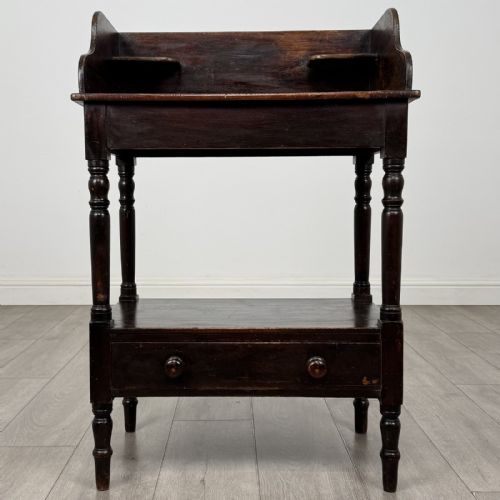
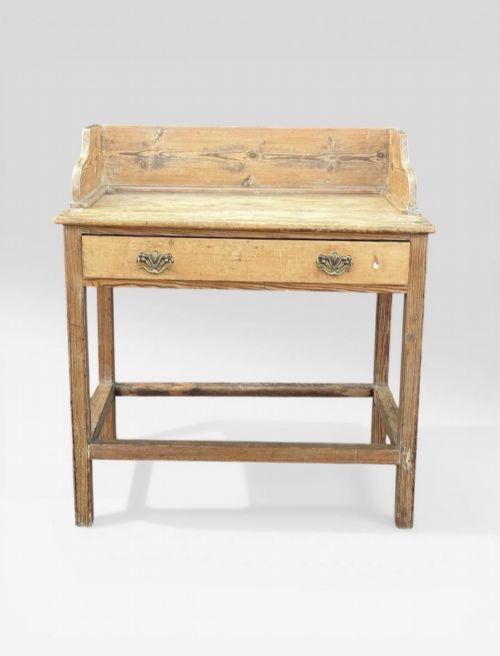
A victorian pine vanity table combines domestic practicality with nineteenth-century design, appearing across this page in various formats including dressing chests, washstands, and writing tables. These pieces originate primarily from the Victorian and Edwardian periods, reflecting the everyday domestic requirements of their time through functional drawers and surface tops.
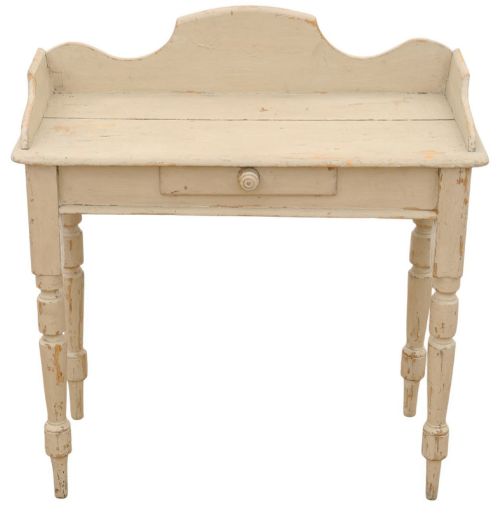
Makers of the period utilised accessible softwood timbers, transforming them through scumble glazing, stencilling, or simple paint to suit contemporary household tastes. These versatile items served multiple domestic roles, functioning equally well as bedroom dressing units or wash basin stands.
Materials and construction methods
The primary construction material across these pieces is pine, occasionally specified as pitch pine, selected for its workability and availability during the nineteenth century. Secondary materials such as brass, ceramic, and glass appear in the form of drawer pulls, handles, and swing mirrors attached to the upper structures.
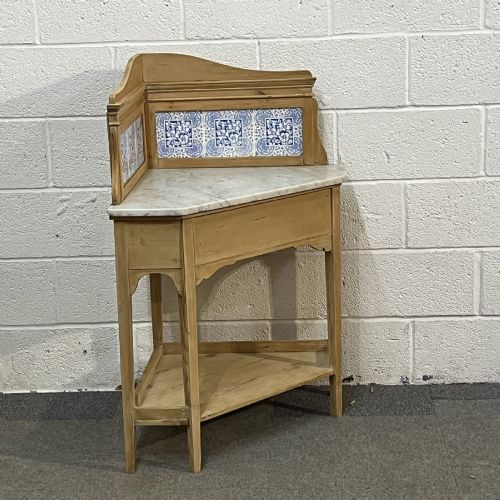
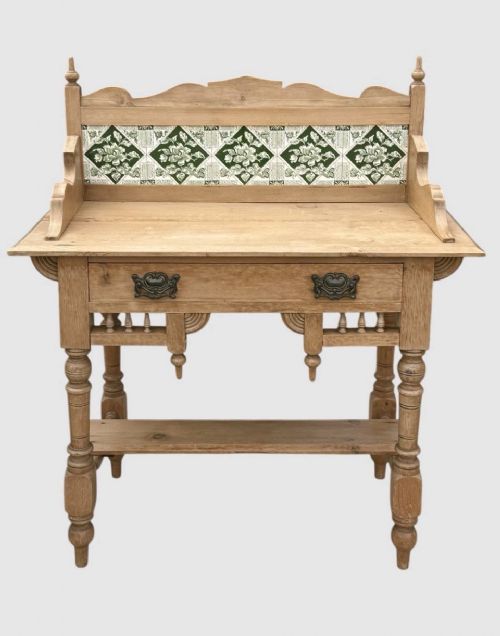
Surface treatments vary significantly, utilising applied paint, scumble glazing to imitate finer hardwoods, and detailed stencilling for decorative effect. Some washstand variants incorporate ceramic tiles within a gallery back to protect walls from splashing water during daily use.
Victorian Pine Vanity Table Retail Price Guide 2026
Typical asking prices for victorian pine vanity table among the pieces listed under this phrase on Sellingantiques today, from the lower quarter to the upper quarter. They describe what is for sale here now, not the wider market.
Listings feature pieces spanning the Victorian and Edwardian periods, employing pine, pitch pine, marble, and brass.
Understanding quality and variation
The distinction between standard and superior examples often lies in the intact nature of original decorative surfaces, such as scumble glaze or stencilled decoration. Pieces retaining their original brass hardware, glass mirrors, and ceramic tile splashbacks demonstrate a higher degree of historical integrity.
Construction details also separate basic utilitarian items from finer versions, particularly in the dovetail joinery of drawers and the overall stability of pedestal or kneehole frameworks. The presence of pitch pine rather than standard softwood adds structural robustness and a richer grain pattern to the finished piece.
The Victorian Pine Vanity Table Glossary
- Pitch Pine
- A dense, resinous softwood variety known for its durability and prominent grain pattern. It provided a sturdier alternative to standard white pine for hardworking furniture.
- Scumble Glaze
- A semi-transparent paint technique applied over a base coat and manipulated with tools to simulate the grain of expensive hardwoods like oak or mahogany.
- Kneehole
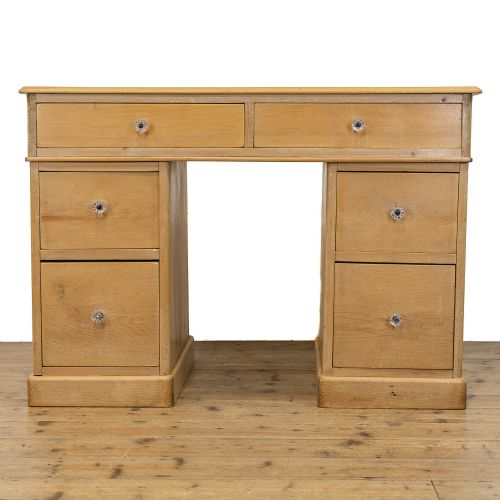
- A central recessed space beneath a desk or dressing table top, flanked by pedestals of drawers. This configuration allows a person to sit comfortably close to the surface.
- Gallery Back
- A raised structural barrier along the rear edge of a washstand or table. It frequently incorporates ceramic tiles to prevent water damage to adjacent walls.
Victorian Pine Vanity Table: Frequently Asked Questions
Were these tables originally painted?
Many nineteenth-century pine pieces received applied paint, stencilling, or scumble glazing when first made. This finish protected the softwood and imitated more costly timbers or added decorative colour to bedroom furniture.
Original surfaces show appropriate signs of age and wear, which distinguishes them from later repainted or stripped examples.
Can I use a washstand as a vanity table?
Historic washstands adapt readily to modern vanity use, offering useful surface space and often integrated drawer storage. Adding a tabletop mirror replicates the function of a traditional dressing table.
Their original construction to hold basins and jugs makes them well-suited for bathroom or bedroom placement where moisture resistance is beneficial.
What is pitch pine?
Pitch pine is a heavier, more resinous softwood timber utilised in nineteenth-century cabinet making for its strength and distinct grain. It resists wear better than standard pine varieties.
Tables built from pitch pine often exhibit a darker, warmer tone and substantial weight compared to their lighter softwood counterparts.