


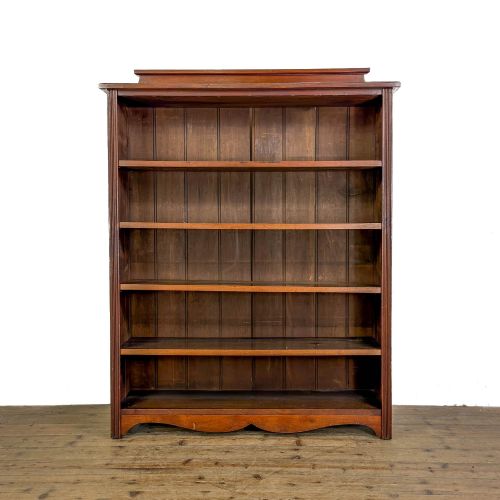
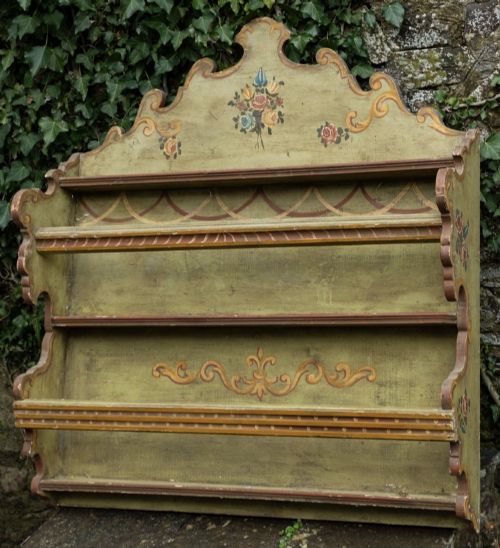
Vintage Pine Shelving
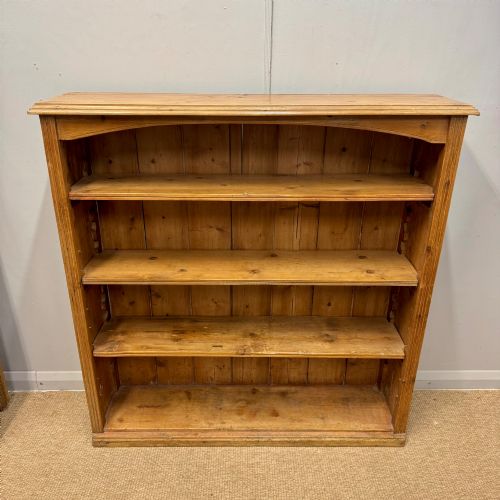
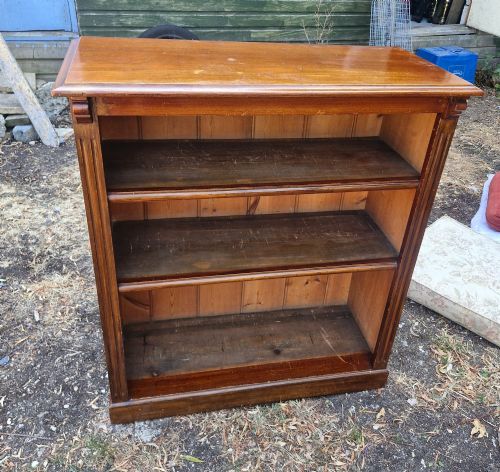
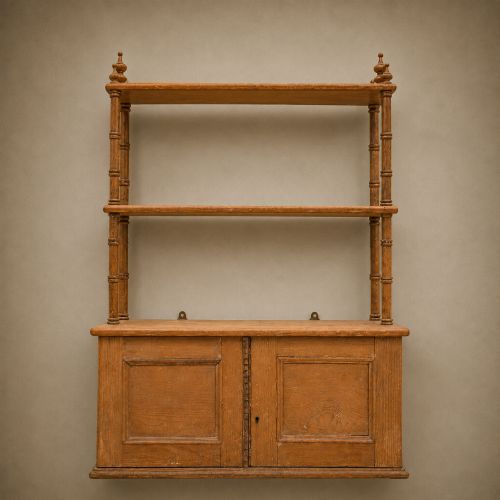
Vintage pine shelving offers practical storage through open bookcases, wall shelves, and pigeon holes built from timber.
Vintage Pine Shelving
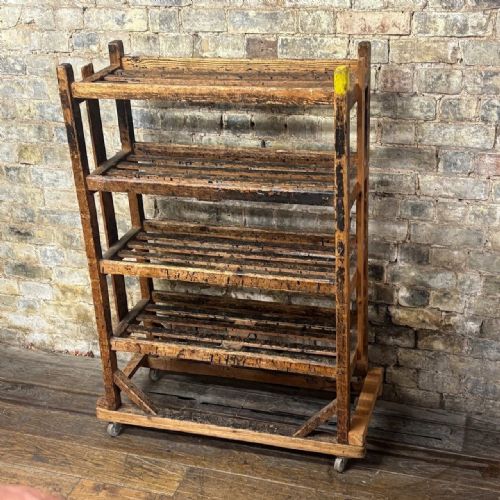
Vintage pine shelving comprises open bookcases, wall shelves, pigeon holes, and storage racks spanning the eighteenth century through to the twentieth century. These utility pieces emerge in styles including Victorian, rustic country, industrial, and French provincial.
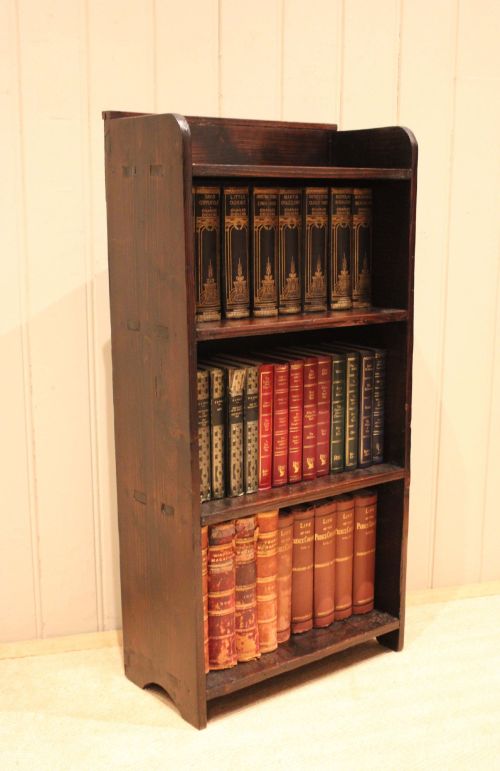
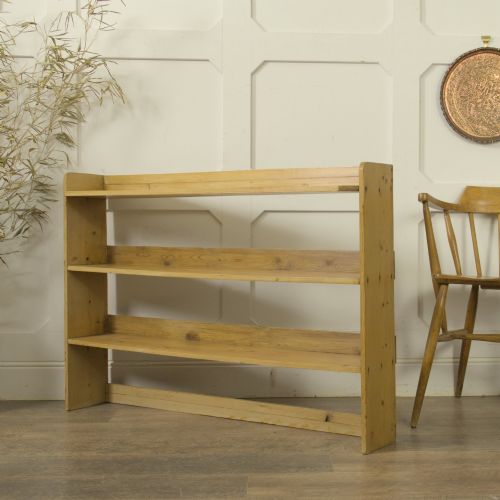
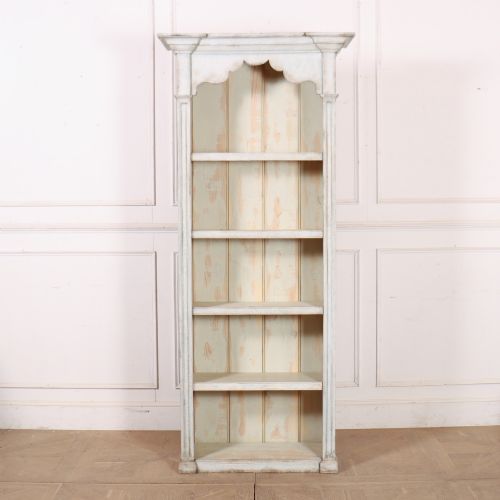
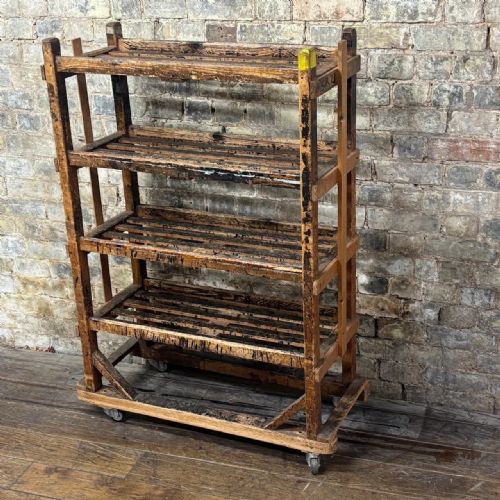
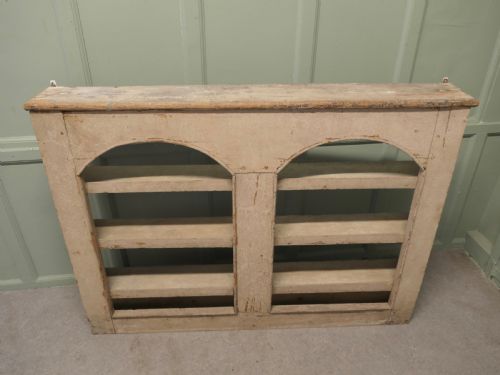
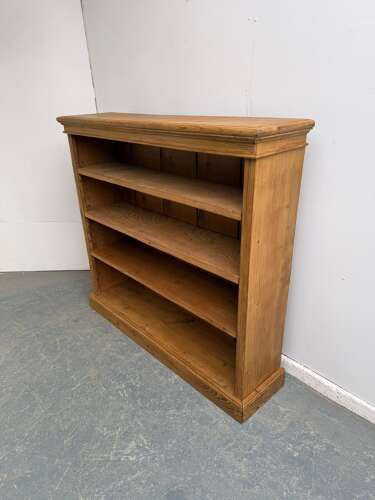
The most common versions on this page are open bookcases and wall shelves originating from the nineteenth and early twentieth centuries. Buyers also encounter specialised storage forms such as shop display stands and wooden shoe trolleys.
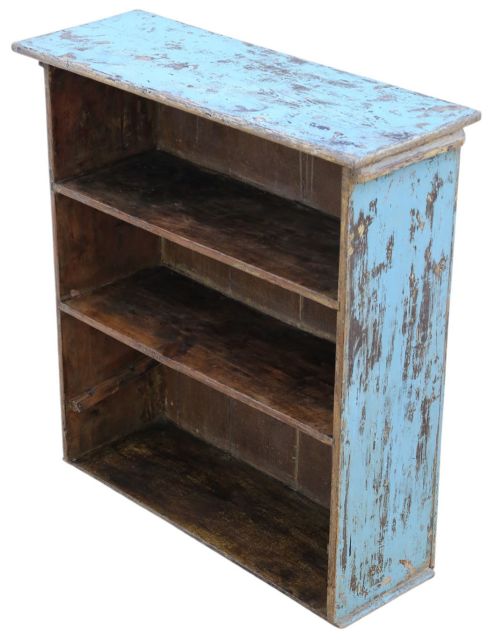
Origins range from English country workshops to French provincial settings, utilising deal wood and timber. Pieces appear in natural waxed finishes or painted surfaces including distressed blue.
How they were made
Construction relies primarily on pine and timber, frequently joined to form open front bookcases and robust storage racks. Workshops utilised deal wood alongside iron and brass hardware for hinges and brackets.
Surface treatments vary between plain waxed timber and applied coats of paint. Pieces display hand painted finishes or distressed blue paint over the original wood.
Forms include open bookcases, wall shelves, pigeon holes, wardrobes, and industrial shoe trolleys.
What varies in quality
Construction methods distinguish simpler storage units from refined display shelving. Adjustability mechanisms in nineteenth century bookcases demonstrate superior utility.
The integrity of painted surfaces and original timber patination alters the character of each piece. Surviving examples retain their structural stability across varying periods from Georgian to Edwardian.
The Vintage Pine Shelving Glossary
- Pine
- A softwood timber commonly utilised for vernacular furniture and utility shelving. It takes wax and paint readily.
- Pigeon holes
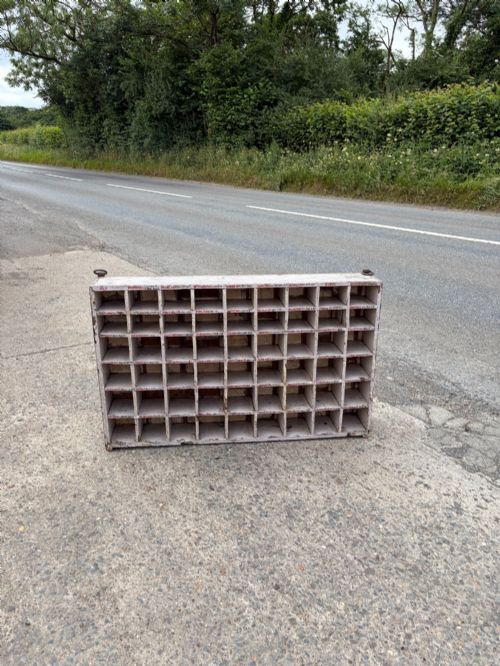
- Compartmentalized wooden units designed for sorting mail, documents, or small items. They appear as modular desktop or wall-mounted storage.
- Alcove shelving
- Fitted shelving units designed to occupy architectural recesses within a room. They maximise floor space in domestic interiors.
- Deal wood
- A traditional term for softwood timber, specifically pine or fir. It served as the standard material for everyday British furniture.
- Distressed paint
- Surface finishes showing wear, age, or intentional weathering. This aesthetic highlights the utilitarian origins of industrial and rustic pieces.
Vintage Pine Shelving: Frequently Asked Questions
What periods do these pieces span?
The selection covers items from the eighteenth century through to the 1930s. Victorian and Edwardian examples sit alongside earlier Georgian and later industrial pieces.
Construction dates align with prevailing utility demands of each respective era.
Are the shelves adjustable?
Certain nineteenth century bookcases feature adjustable shelving systems. These mechanisms allowed owners to alter shelf heights for varying book sizes.
Fixed shelving remains standard across most rustic bookcases and wall racks.
What finishes are available?
Surfaces appear in natural waxed pine, deal wood, or hand painted treatments. Distressed blue paint and other decorative finishes reflect period domestic or commercial use.
Unfinished knockdown wardrobes remain suitable for custom painting or waxing.
How were pigeon holes used?
Pigeon holes functioned as sorting compartments for paperwork, letters, or small inventory items. Commercial and domestic environments utilised them for organisation.
They survive as compact wall-mounted or freestanding wooden cabinets.