


Vintage Pine Bench Table
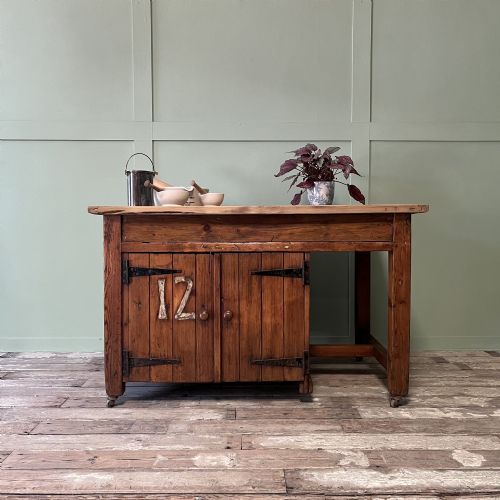
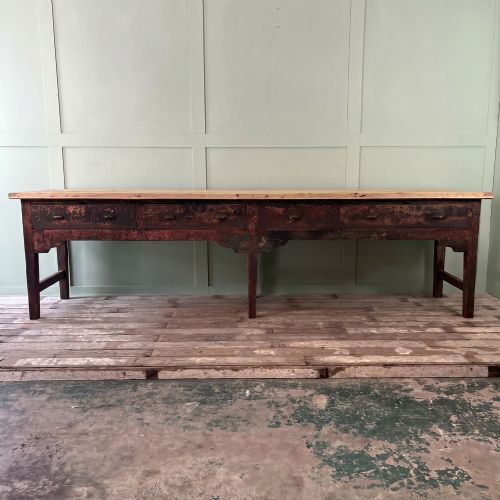
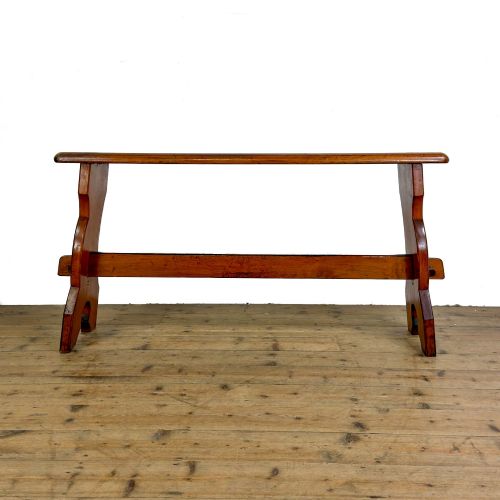
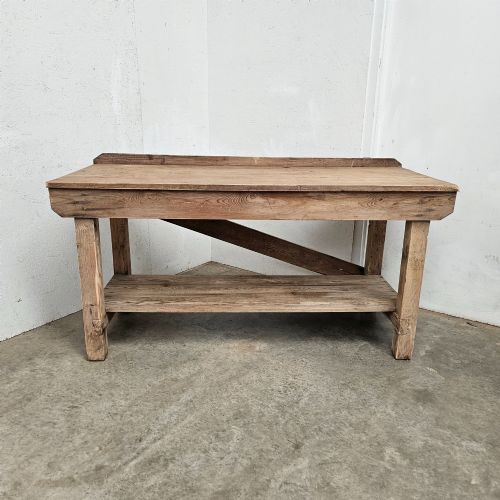
These vintage pine bench table examples bring honest utility and character to an interior through robust timber construction.
Vintage Pine Bench Table
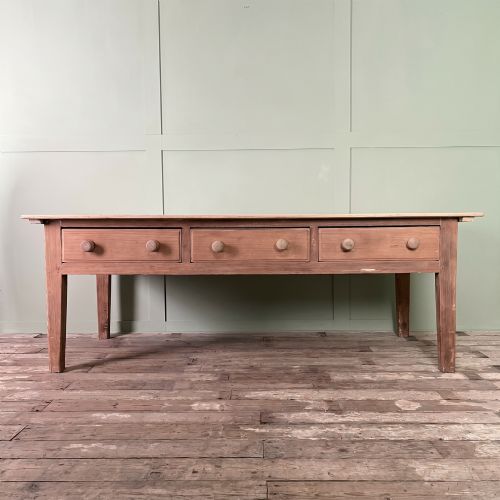
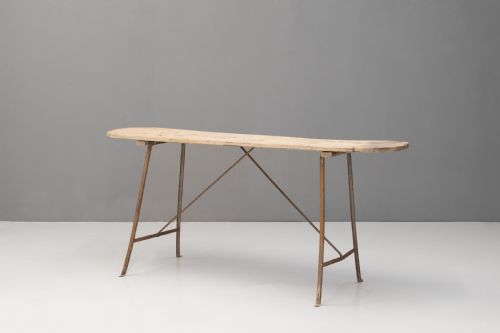
A vintage pine bench table encompasses working furniture designed for practical tasks, drawing on forms like bakers prep tables, drapers tables, and potting tables. These pieces span the nineteenth and early twentieth centuries, reflecting rural and industrial domestic life across England, France, and Sweden.
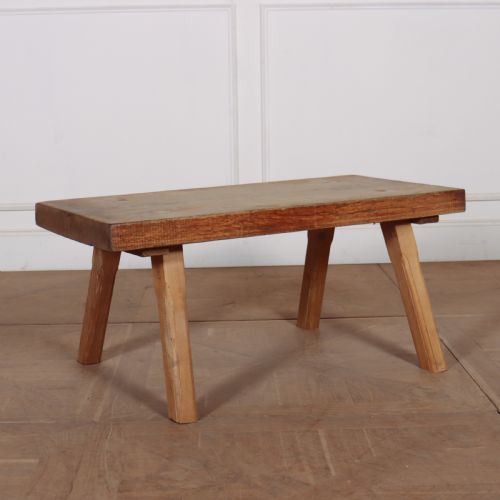
Buyers will encounter functional variants ranging from long dining preparations tables to low coffee tables and console tables. Softwood and pine dominate the selection, often paired with iron elements or constructed with sycamore and elm components.
Regional styles lean heavily into rustic farmhouse, French provincial, and industrial tastes. The selection offers both scrubbed timber surfaces and painted finishes, presenting distinct utilitarian origins.
How they were made
Construction relies primarily on pine and softwood timber, frequently supported by cast iron or iron brackets and hardware. Joinery prioritises sturdiness to withstand heavy daily use in workshops, dairies, and kitchens.
Surfaces appear either scrubbed bare to reveal the grain or finished with historic paint layers, such as distressed green. Trestle bases and sturdy legs provide the structural foundation for tables and benches alike.
Materials across these listings include pine, sycamore, elm, oak, paint, iron, cast iron, and softwood.
What varies in quality
Quality separates through the integrity of the original timber and the honesty of the wear. Pieces retain higher character when the structural framing remains firm and the surface patination shows genuine age rather than artificial distress.
The sophistication of the form dictates distinction, moving from basic utilitarian wash tables and low benches to substantial drapers tables and multi-tiered work surfaces with integrated shelving.
The Vintage Pine Bench Table Glossary
- Prep table
- A utilitarian surface originally utilised for food preparation, baking, or dairy work in domestic and commercial settings. These tables typically feature sturdy timber tops designed for heavy daily tasks.
- Trestle table
- A table design featuring a horizontal beam supported by two trestles or legs at each end. This construction offers robust stability and unhindered legroom.
- Softwood
- Timber derived from conifers, such as pine, which forms the core material of these working tables. It provides a workable yet resilient medium for everyday furniture.
- Scrubbed finish
- A wood surface cleaned repeatedly with water and a brush, removing old finishes to expose the pale timber underneath. This treatment creates a clean matte texture.
- Industrial taste
- An aesthetic drawn from nineteenth-century factories and workshops, incorporating heavy iron fittings and robust timber. It prioritises industrial utility over decorative flourish.
Vintage Pine Bench Table: Frequently Asked Questions
How do I use a prep table today?
These tables function well as kitchen islands, serving stations, or generous desks in living spaces. Their utilitarian proportions offer useful workspace and surface area.
Keep the surrounding decor simple to let the historic timber grain and patination remain the visual focus of the room.
Are these tables suitable for dining?
Long preparation tables and trestle variants provide ample length and sturdy construction for daily meals. Their generous depths accommodate seating comfortably along the sides.
Ensure you check the height clearance beneath the aprons to confirm standard dining chairs fit underneath.
How do I care for scrubbed pine?
Scrubbed pine and softwood surfaces benefit from regular dusting and gentle cleaning with a damp cloth. Avoid harsh chemical cleaners that strip the natural oils from the historic timber.
Applying a clear natural wax occasionally helps protect the wood from moisture rings and daily staining.
How do I tell French and English pieces apart?
French examples often utilise sycamore or elm alongside pine, presenting refined trestle bases and drapers table proportions. English counterparts frequently showcase robust pine construction with straightforward pot shelves or industrial iron hardware.
Examining the construction details and timber combinations reveals the distinct regional traditions of the workshop.