



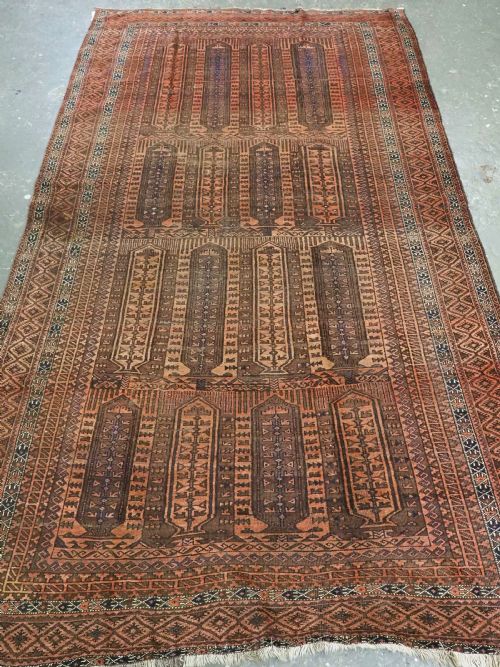
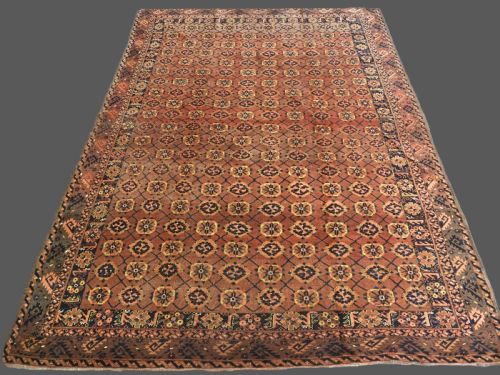
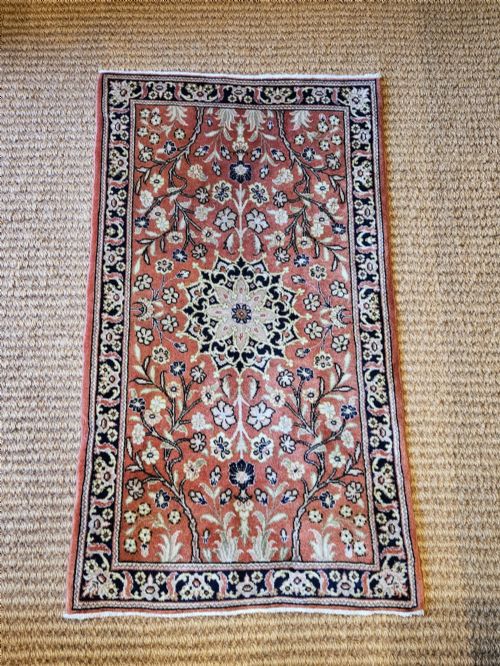
Vintage Persian Area Carpet
A vintage persian area carpet brings enduring pattern and rich floor texture to a room, formed through generations of regional weaving traditions.
Vintage Persian Area Carpet
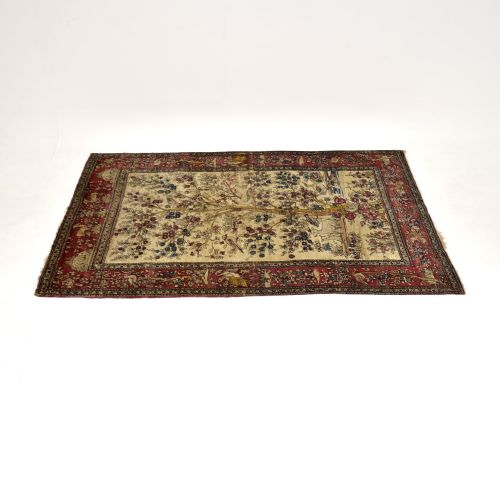
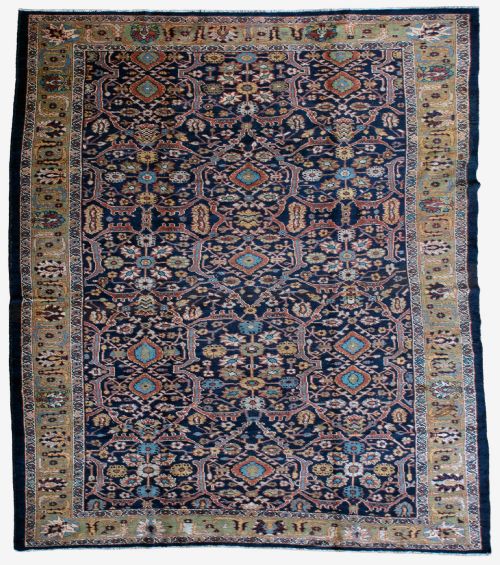
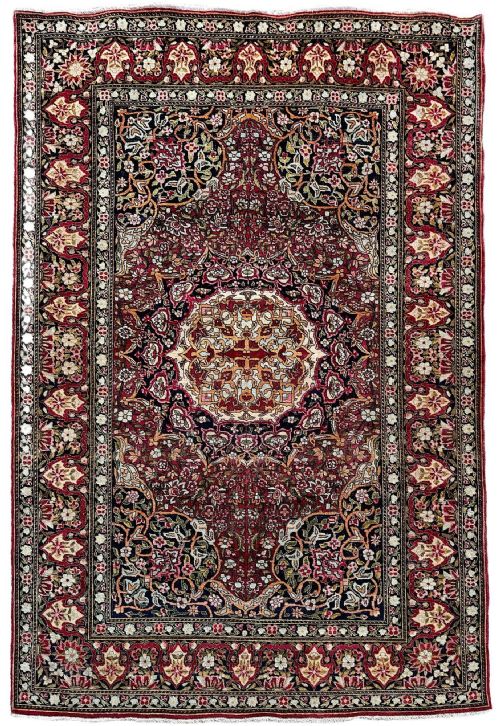
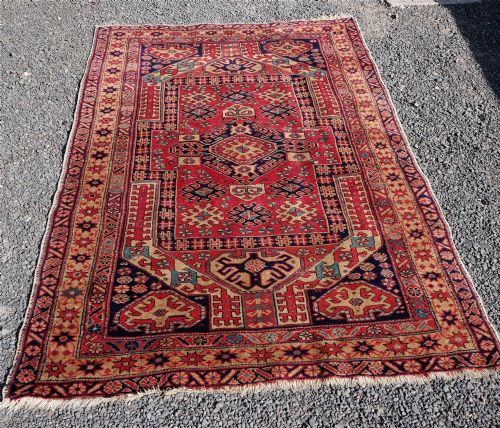
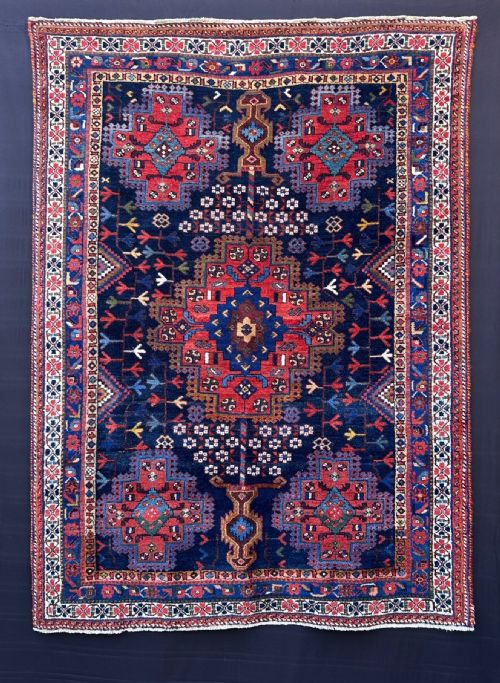
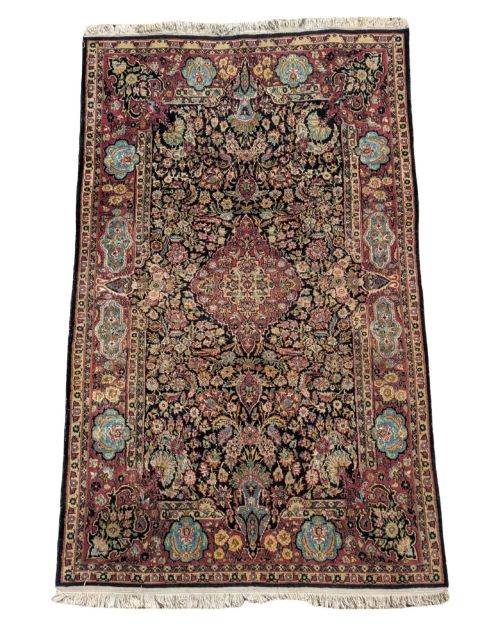
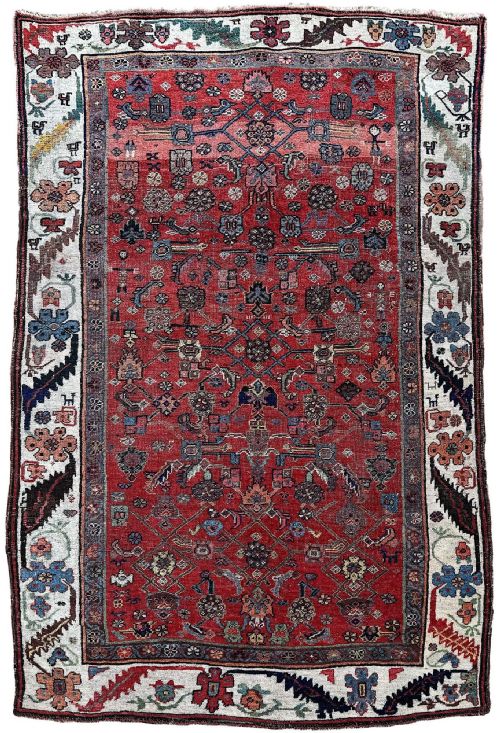
When you search for a vintage persian area carpet, you encounter floor coverings woven across towns and tribal regions from the nineteenth century into the twentieth century. These pieces display diverse regional aesthetics, from geometric village designs to curvilinear city compositions.
The selections available include specific town and tribal types such as Heriz, Bidjar, Mahal, Bakhtiar, and Afshar carpets. Most examples originate from periods spanning the 1850s to the 1930s, utilising traditional formats suited for domestic spaces.
How they were made
These textiles rely primarily on wool, cotton, and occasional silk highlights, often built upon hand-spun foundations. Artisans employed natural dyes alongside sturdy knotting techniques to construct durable floor coverings.
Materials like camel hair and cotton appear in foundations and pile work, supporting intricate designs executed by village and city weavers. The structural integrity depends on tight knotting and robust material selection.
Vintage Persian Area Carpet Retail Price Guide 2026
Typical asking prices for vintage persian area carpet among the pieces listed under this phrase on Sellingantiques today, from the lower quarter to the upper quarter. They describe what is for sale here now, not the wider market.
Current listings feature materials including wool, cotton, silk, and camel hair across nineteenth and twentieth century periods.
What varies in quality
The standard of a carpet rests on the precision of the weave and the depth of the dye work. Higher-grade examples demonstrate superior handle and resilience through tightly packed knots and well-balanced palettes.
Origin and material purity influence the character of each piece. Finer city workshops achieve botanical precision, whereas tribal and village pieces showcase expressive geometry and varied wool textures.
The Vintage Persian Area Carpet Glossary
- Natural Dyes
- Colourants derived from plants, roots, and minerals rather than synthetic compounds. These materials yield rich, complex patinas that age gracefully over decades.
- Hand-Spun Wool
- Wool yarn processed manually on a drop spindle or wheel, retaining natural lanolin and slight irregularities. This material provides distinct texture and durability.
- Camel Hair
- Undyed fibre sourced from camels, utilised in tribal carpets for its soft warmth and natural brown or golden tones.
- Knot Density
- The number of knots per unit area in a rug, influencing the clarity of the design and the weight of the textile.
- Medallion
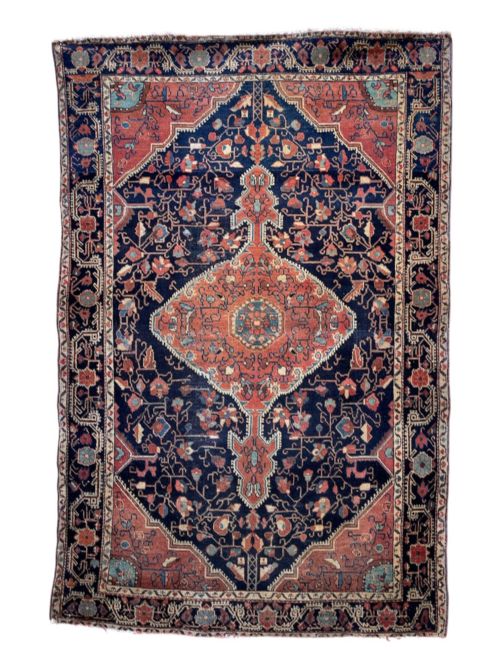
- A central ornamental motif dominating the field of the carpet, frequently balanced by corner spandrels.
Vintage Persian Area Carpet: Frequently Asked Questions
How do I identify a Heriz carpet?
Heriz carpets typically display a bold, geometric central medallion and sturdy corner spandrels. The palette often relies on strong terracotta, indigo, and ivory tones.
These rugs originate from the Azerbaijan region in northwest Persia and are recognised for their robust, heavy wool construction designed for durability.
What is the difference between village and city carpets?
Village and tribal rugs like Afshar or Bakhtiar feature geometric motifs, memory-driven designs, and expressive, asymmetrical details. City workshops in places like Isfahan or Kashan produce precise, curvilinear floral patterns.
City pieces often incorporate finer materials such as silk highlights, whereas village pieces emphasise sturdy wool and rustic charm.
How should I clean a vintage carpet?
Vacuum gently without a rotating brush roll to protect the wool pile and fringe ends. Professional specialist cleaning remains essential for deep maintenance.
Avoid chemical spot treatments and excessive moisture, which can damage natural dyes and cotton foundations.
What periods do these carpets cover?
The inventory encompasses pieces from the mid nineteenth century through the early twentieth century, spanning decades such as the 1880s, 1900s, and 1930s.
Each period reflects distinct regional dye palettes and weaving styles influenced by local traditions and international trade.
Can I place these rugs in high traffic areas?
Sturdy village and tribal carpets built with dense wool handle domestic environments well. Regular rotation helps distribute foot traffic evenly across the pile.
Underlays provide additional cushioning and prevent slipping on smooth flooring surfaces.