

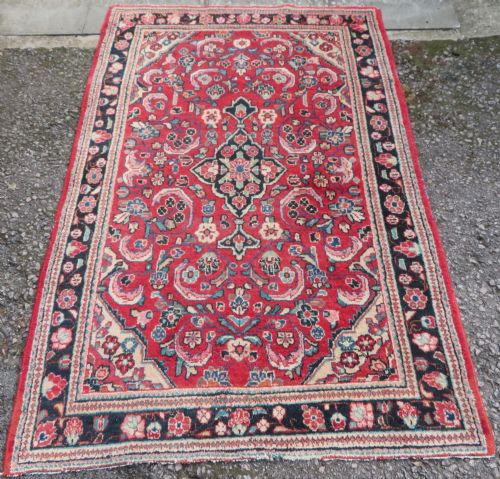
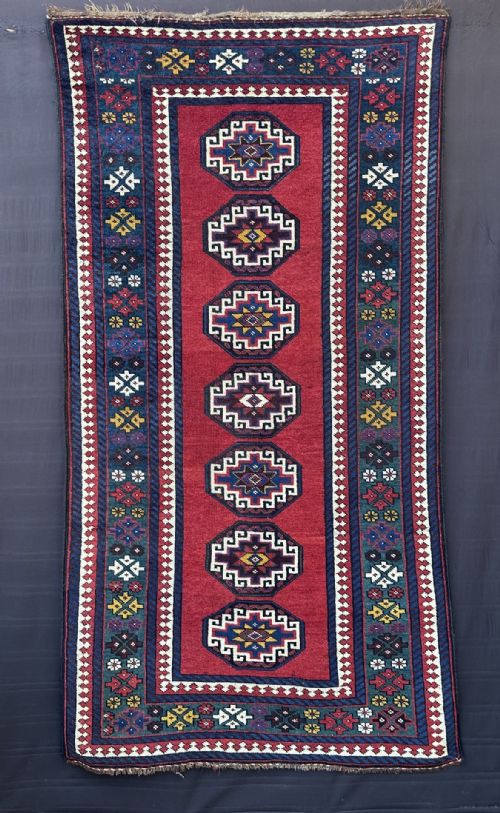
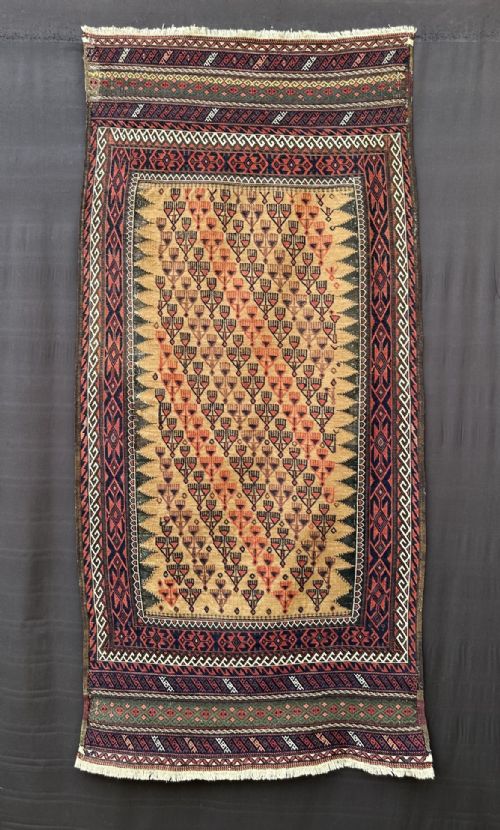


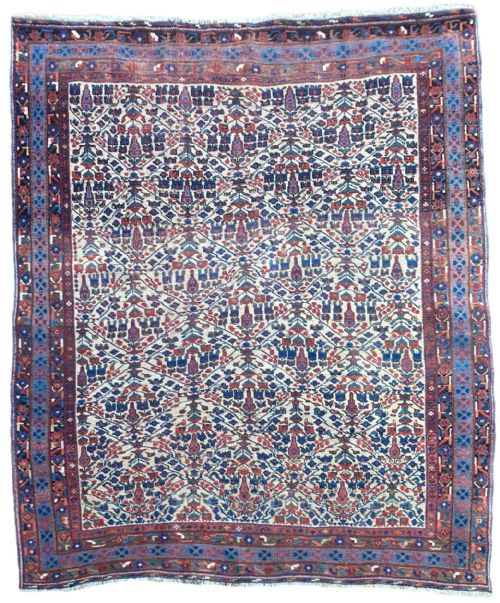


Vintage Persia Runner
These vintage persia runner examples offer the rich woven geometry of historic weaving traditions, providing practical long formats for corridors and halls.
Vintage Persia Runner
A vintage persia runner brings narrow, elongated floor coverings into hallways and corridors, originating from village and tribal workshops across regions such as Hamadan, Heriz, and Kurdistan. These pieces typically date from the late nineteenth century through to the early decades of the twentieth century, displaying distinct regional patterns and formats.
Buyers encountering these pieces will find long, narrow dimensions suited to transitional spaces, woven by nomadic groups or settled village communities. The visual vocabulary ranges from geometric tribal medallions to structured Heriz designs and classic village layouts.
Materials and construction
The construction relies on sturdy wool piles knotted onto cotton or wool foundations, utilising natural dyes derived from plants and minerals to achieve deep, lasting tones. Camel hair frequently appears in the mix, adding natural variation and resilience to the pile.
Weavers employed traditional upright looms, binding the warp and weft threads by hand to create durable floor coverings designed for heavy daily use in busy household areas.
Some dining sofreh textiles were originally used for kneading bread dough on nomadic journeys.
Assessing quality and craftsmanship
Knot density and the precision of the wool spinning dictate the foundational integrity of each piece, with tighter weaves offering greater resistance to foot traffic. The clarity and saturation of the natural dyes further separate standard village output from superior workshop productions.
The balance of the design across the long format and the preservation of the original outer borders indicate the skill of the weaver and the overall condition of the surviving textile.
Waring and Gillow
The Vintage Persia Runner Glossary
- Runner
- A long, narrow carpet format specifically proportioned for corridors, hallways, and staircases. It guides movement through domestic spaces.
- Sofreh
- A flatwoven or piled spreading cloth traditionally used for dining, food preparation, or domestic storage by tribal groups. These items carry significant cultural meaning.
- Warp
- The vertical foundation threads stretched tightly on the loom before knotting begins. The fringe usually forms from these exposed ends.
- Weft
- The horizontal threads passed across the warp threads after each row of knots is tied. This secures the pile in place.
- Natural Dyes
- Colourants sourced from plants, insects, and minerals rather than synthetic chemicals. They age gracefully and develop a rich patina over time.
Vintage Persia Runner: Frequently Asked Questions
Where should I place a runner?
These narrow formats work best in hallways, corridors, and narrow passageways where their elongated dimensions fit the structural layout. They protect wooden flooring while adding pattern and warmth to transitional spaces.
Position them away from excessive dampness and rotate them periodically to ensure even wear from foot traffic over the years.
How do I clean an old wool rug?
Gentle surface brushing and careful professional washing help maintain the integrity of natural wool piles without disturbing the foundation. Avoid harsh chemical treatments that can strip the natural dyes.
Specialist textile conservators provide the safest cleaning methods for historic rugs constructed with plant-based colourants.
What is a tribal village rug?
Village and tribal rugs are woven by domestic households or nomadic groups rather than urban commercial workshops. Their designs often rely on memory and local tradition rather than formal paper cartoons.
This method results in charming irregularities and deeply personal artistic expressions within the geometric layouts.
How do I identify regional styles?
Regional attributions depend on specific colour palettes, border motifs, and structural characteristics unique to areas like Hamadan, Heriz, or Kurdistan. Different tribes utilised distinct knotting techniques and wool types.
Comparing the secondary ornaments and overall stiffness of the foundation helps pinpoint the likely geographical origin.