





Vintage Pendulum Timepieces
These vintage pendulum timepieces bring mechanical movement and period design into a room, spanning wall clocks and mantel styles from the nineteenth and early twentieth centuries.
Vintage Pendulum Timepieces
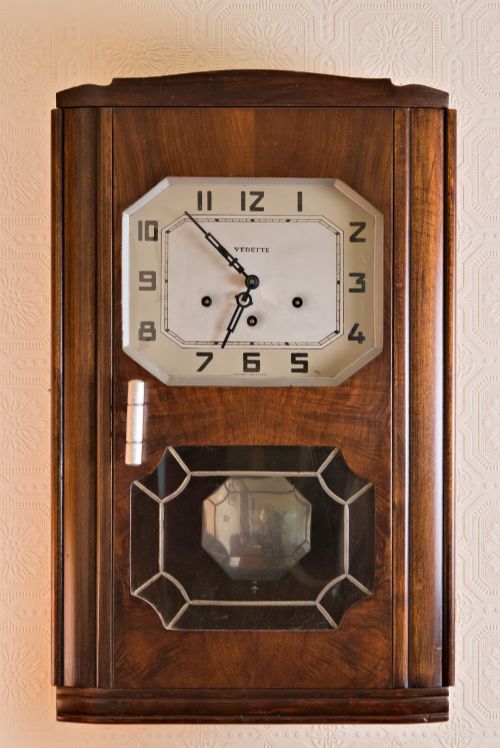
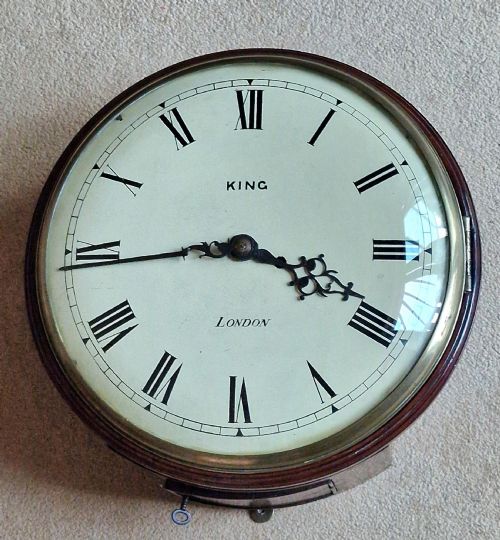
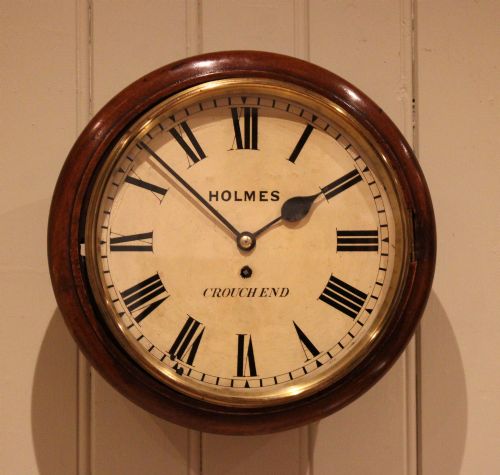
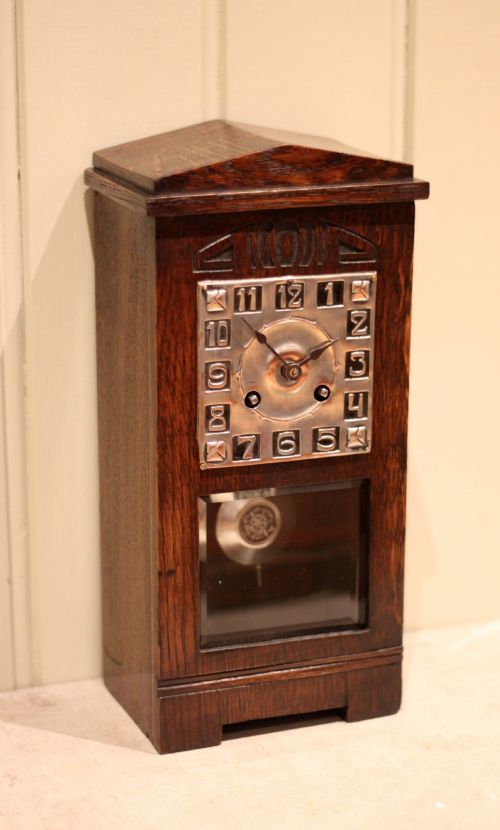
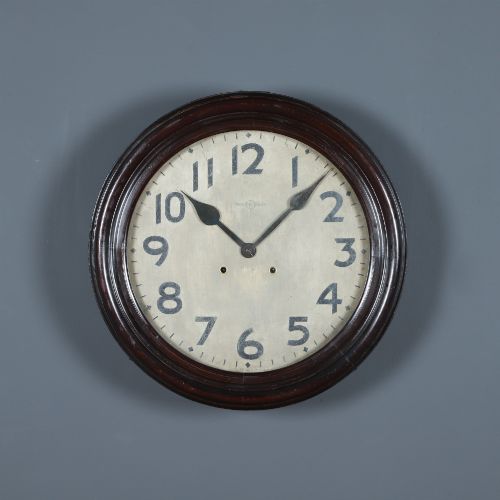
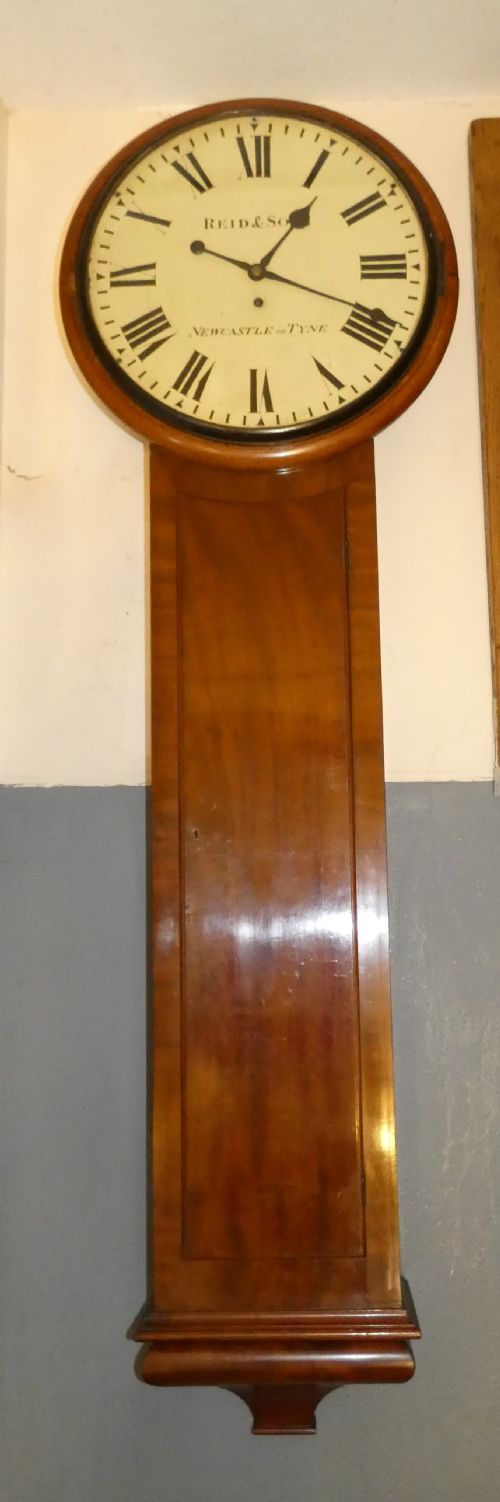
When you search for vintage pendulum timepieces, you encounter mechanical clocks designed to hang upon a wall or rest upon a mantelpiece. The selection ranges from robust railway and drop dial wall clocks to decorative French mantel pieces enclosed in glass, marble or wood.
The objects derive from periods spanning the Victorian era through the Edwardian years into the early twentieth century. Common formats include fusee dial clocks, four glass regulators and bracket clocks housed in mahogany, oak or walnut.
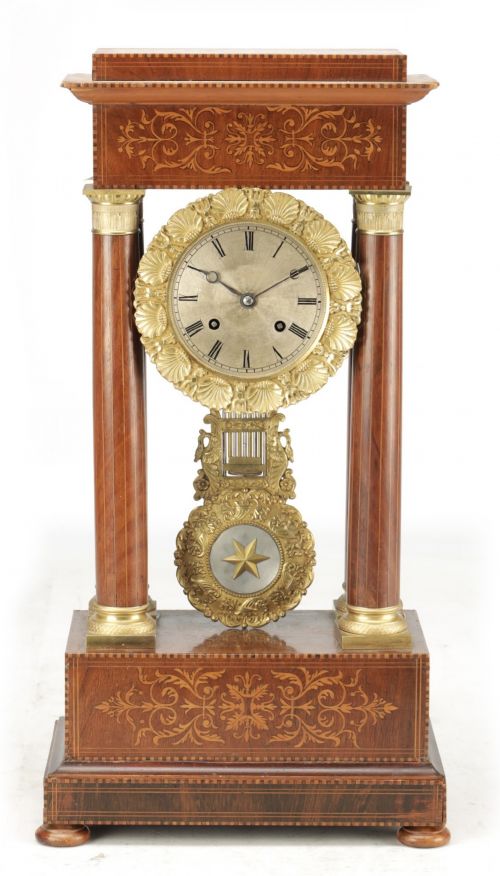
Wall-mounted examples often serve utility in public or domestic spaces, while mantel designs prioritise decorative presence in domestic interiors. French and English workshops dominate the origins found in these examples.
Materials and construction methods
Cases utilise timber such as mahogany, oak, walnut and rosewood, alongside decorative elements of brass, ormolu, marble and silver plate. Glass panels protect delicate movements in crystal regulators and four glass mantel clocks.
Mechanical movements rely on brass gears and fusee drives or spring-driven mechanisms to regulate the swing of the pendulum. Dials feature enamel, wood or metal surfaces marked with Roman or Arabic numerals.
Vintage Pendulum Timepieces Retail Price Guide 2026
Typical asking prices for vintage pendulum timepieces among the pieces listed under this phrase on Sellingantiques today, from the lower quarter to the upper quarter. They describe what is for sale here now, not the wider market.
Movements span nineteenth-century fusee wall clocks to early twentieth-century Art Deco and Art Nouveau mantel designs.
Distinctions in quality
Quality rests upon the refinement of the movement and the integrity of the case construction. Hand-finished brass components and signed dials from known makers elevate an example above standard utility pieces.
The choice of materials, from figured mahogany and burr walnut to carved marble and ormolu mounts, dictates the visual and material hierarchy across the range.
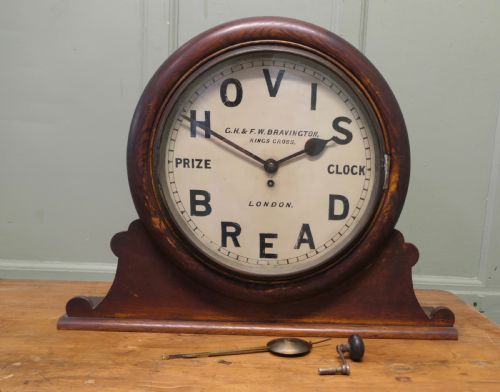
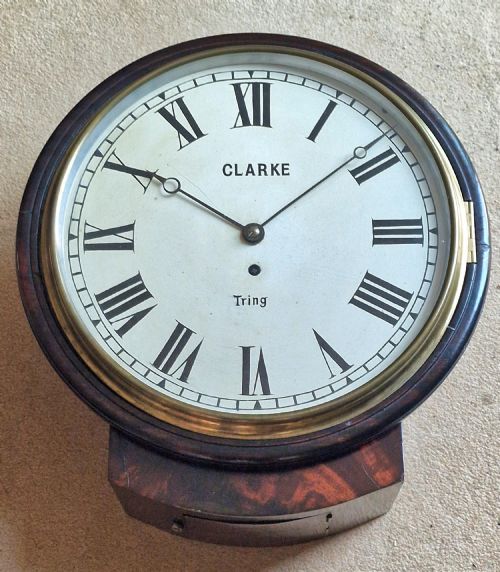
George Clarke·G.H.& F.W. Bravington·Maurice & Marcel Moulin Favre-Bulle·AD MOUGIN·Payne of Tunbridge Wells·John Thwaites·Perivale of England
The Vintage Pendulum Timepieces Glossary
- Fusee
- A conical pulley used in mechanical clocks to maintain an even pull on the movement as the mainspring unwinds. This mechanism helps to secure steady timekeeping across the duration of the wind.
- Drop dial clock
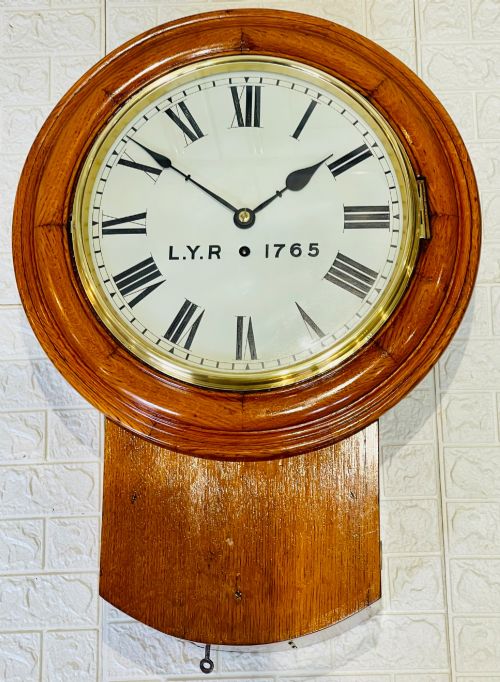
- A wall clock featuring a circular dial above a tapered wooden trunk that houses the pendulum. This form appears frequently in railway and office environments from the nineteenth century.
- Crystal regulator
- A mantel clock enclosed entirely in glass panels within a brass or gilt frame to display the internal movement. The design originated in France during the late nineteenth century.
- Cartel clock
- An ornamental wall clock mounted directly to a wall without a pendulum box below. These pieces often feature carved and gilded wooden frames in French or English styles.
- Bracket clock
- A portable table or mantel clock originally designed to sit on a wall bracket. Later examples function as freestanding mantel pieces enclosed in timber cases.
Vintage Pendulum Timepieces: Frequently Asked Questions
How do fusee clocks work?
A fusee movement uses a conical pulley connected to the mainspring by a cord or chain. As the spring loses tension, the chain moves to a wider part of the cone to keep the driving force constant.
This system provides more even energy delivery to the escapement and pendulum, improving timekeeping accuracy.
Where were four glass clocks placed?
Four glass clocks sat upon drawing room mantelpieces or side tables where light could pass through the crystal panels. Their design exposed the movement and mercury or brass pendulum from every angle.
Domestic interiors of the Victorian and Edwardian periods used these decorative pieces to demonstrate mechanical precision alongside household status.
How do I identify a railway clock?
Railway clocks typically feature clear white dials with bold black numerals designed for quick reading from a distance. The robust oak or mahogany cases often display specific company lettering or initials on the dial or timber surround.
These wall-mounted timepieces hung in stations and offices to coordinate travel and operations.
What is a crystal regulator?
A crystal regulator is a mantel clock housed in a brass frame with bevelled glass panes on all sides. The construction allows an unobstructed view of the pendulum and gear train.
Most examples date from the late nineteenth century and feature decorative enamel dials with fine hands.