

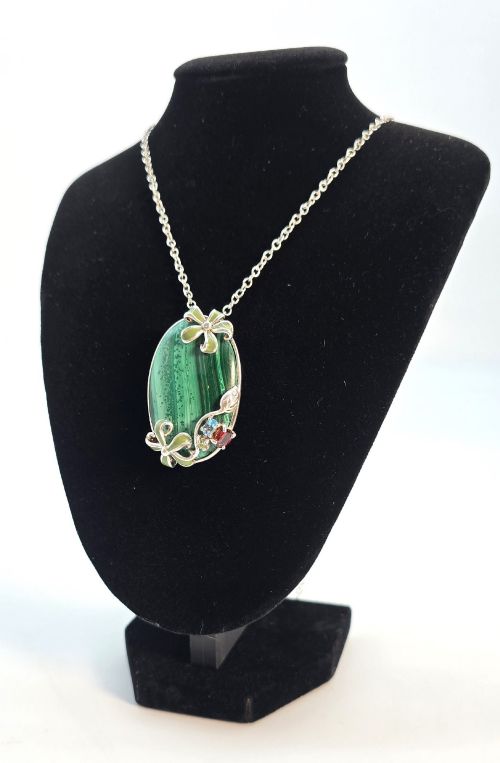
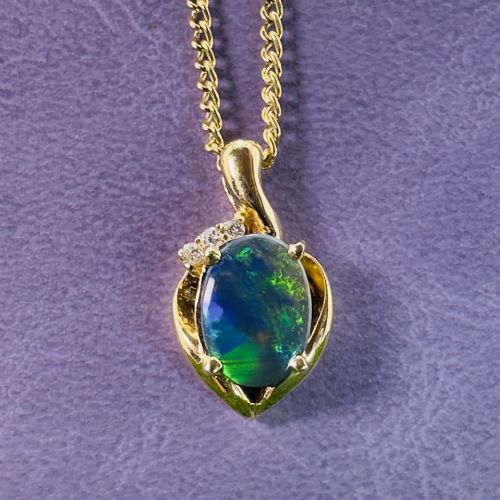
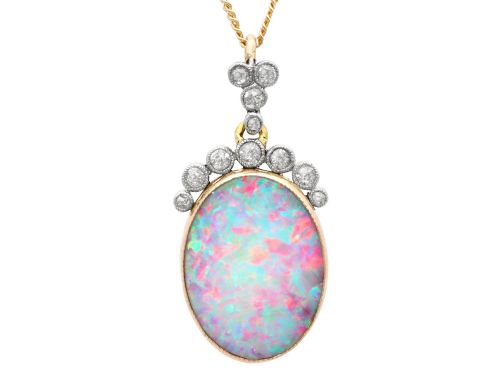
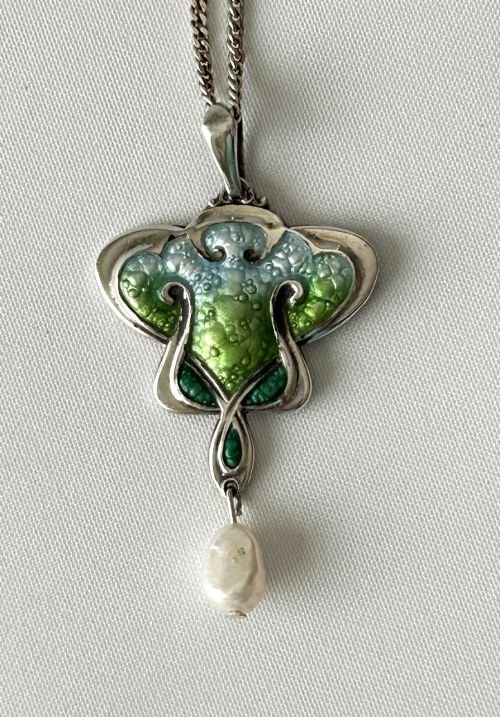
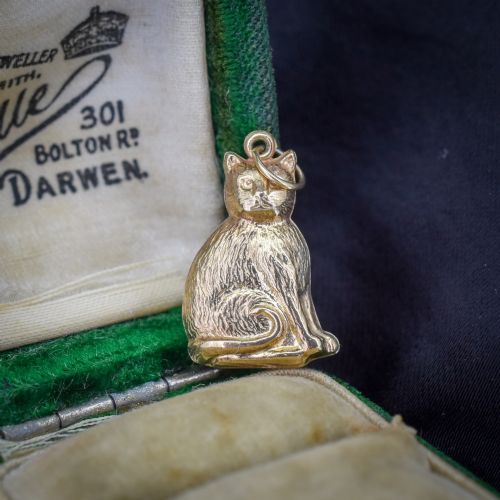
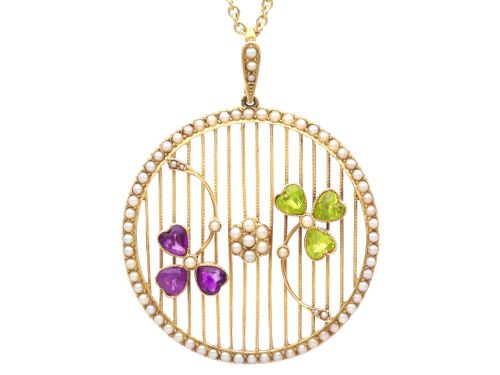
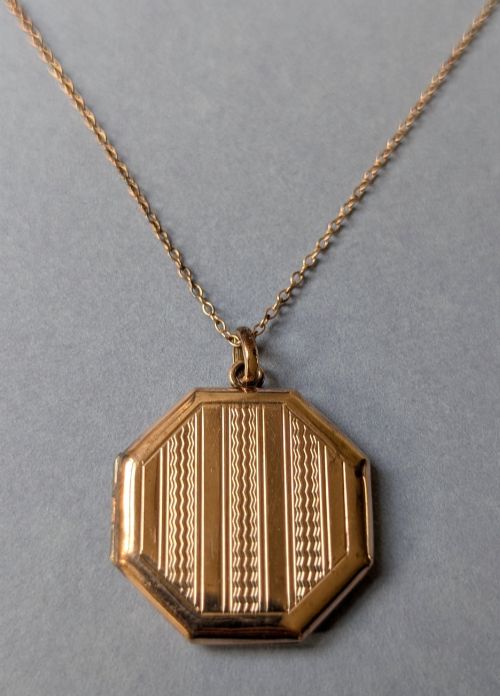
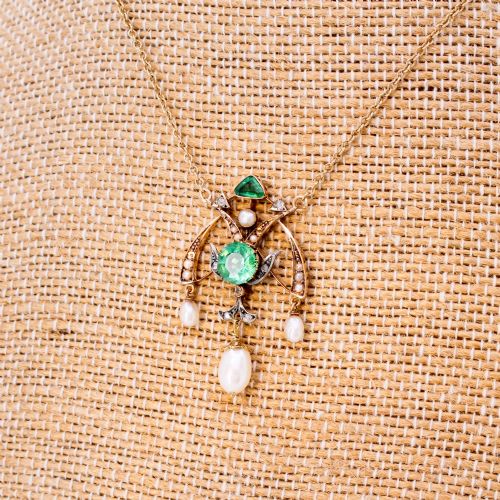
Vintage Pendant Necklace
A vintage pendant necklace brings a suspended focal point to the neckline, combining period craftsmanship with wearable history.
Vintage Pendant Necklace
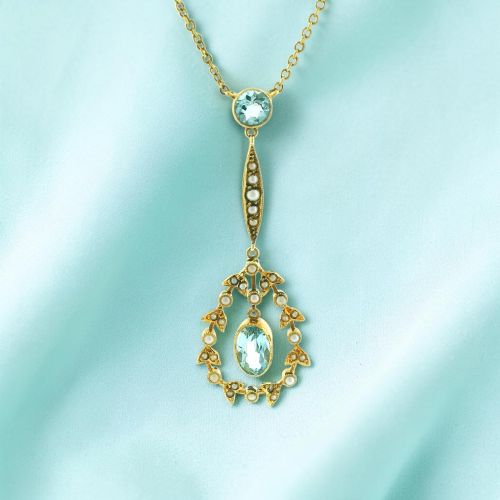
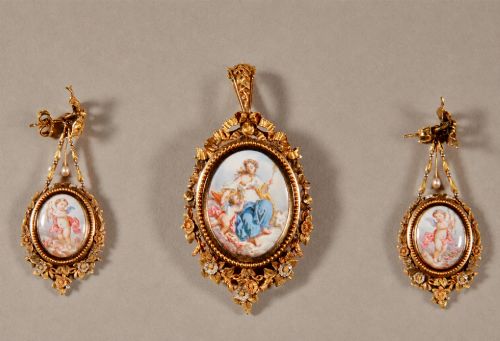
A vintage pendant necklace comprises a suspended decorative element hung from a matching chain, spanning periods from Victorian and Edwardian iterations through to mid-century designs. Collectors pursuing a vintage pendant necklace will encounter diverse forms including gem-set clusters, lockets, and enamel drops.
Makers and designers from specific workshops contribute signed pieces, while unmarked items showcase the prevailing aesthetic of their decade of origin. The common thread is the suspended ornament, which shifts the visual weight of the jewellery directly to the centre of the chest.
Materials and construction
Metals span yellow, rose, and white gold in various purities alongside platinum and silver, providing the structural framework for stone setting and enamelling. Enamel techniques such as plique-à-jour and guilloché introduce vibrant colour into silver and gold frameworks.
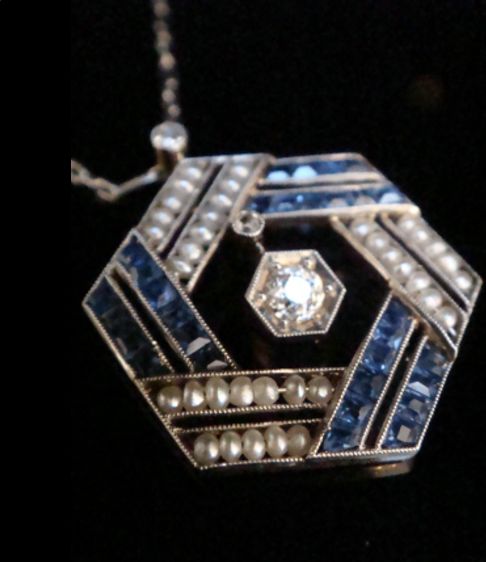
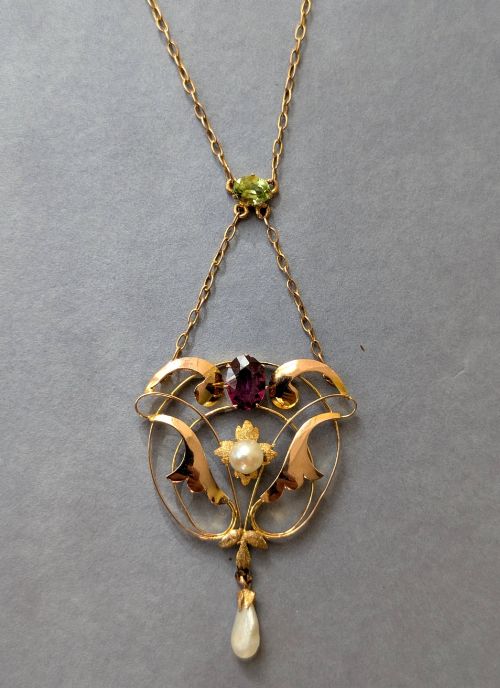
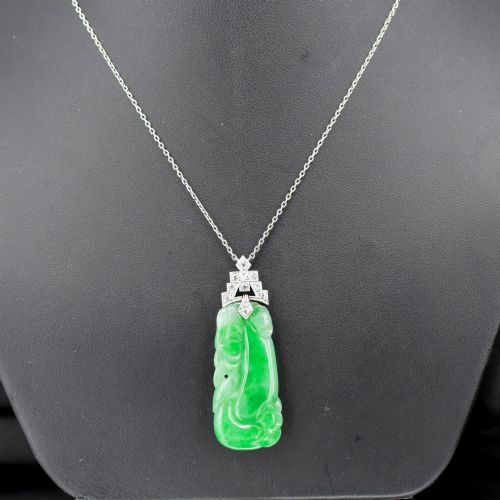
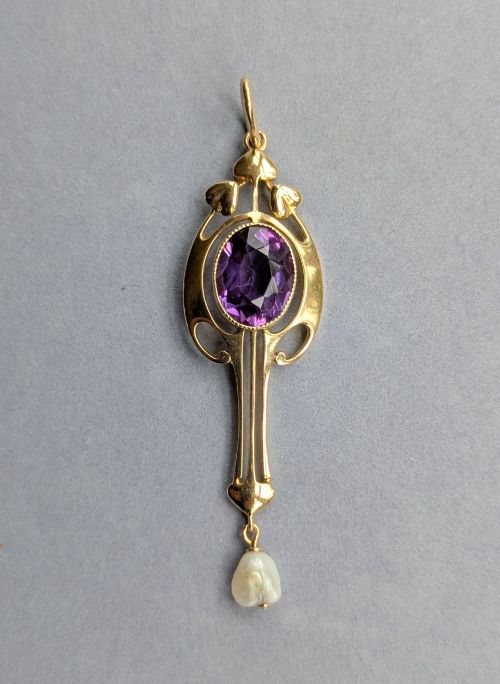
Gemstones are integrated through claw, bezel, and pave settings, incorporating diamonds, amethysts, sapphires, rubies, and aquamarines alongside organic materials like seed pearls and carved jade. Hand-cutting methods typical of earlier eras produce softer stone facets compared to modern precision cutting.
Vintage Pendant Necklace Retail Price Guide 2026
Typical asking prices for vintage pendant necklace among the pieces listed under this phrase on Sellingantiques today, from the lower quarter to the upper quarter. They describe what is for sale here now, not the wider market.
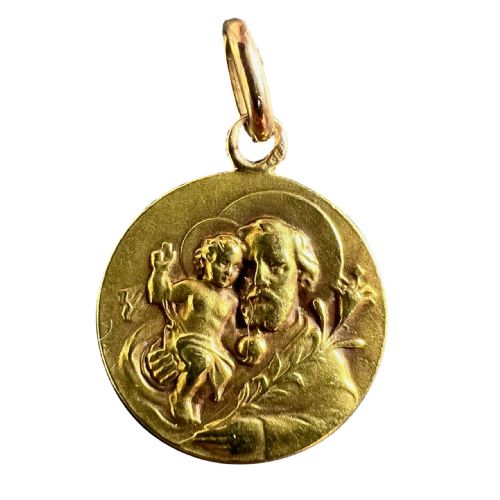
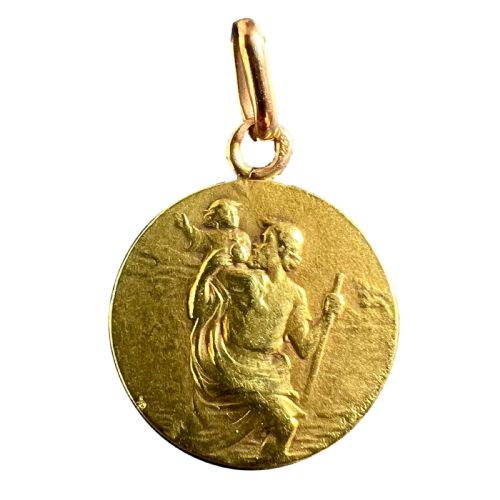
Listings incorporate platinum, silver, and gold alongside diamonds, amethysts, peridots, and seed pearls spanning the Victorian period to the 1960s.
Evaluating quality
Quality rests upon the precision of the metalwork, the integrity of enamel work, and the matching of gemstones within a cluster or drop. Superior examples display crisp chasing, secure stone settings, and balanced proportions between the pendant drop and its suspension chain.
Artisanal execution distinguishes workshop pieces from mass-produced items, particularly where hand-applied enamelling or intricate pierced metalwork demands high technical skill. The clarity and cut of stones, alongside the original retention of components like swivels and matching chains, elevate the standing of a piece.
Murrle Bennett·Henry Miault·Archibald Knox for Liberty & Co·Deakin & Francis·Marius Hammer·Argy Rousseau
The Vintage Pendant Necklace Glossary
- Pendant
- A decorative ornament designed to hang from a necklace chain or cord. It functions as the primary visual focus of the jewellery piece.
- Lavalier
- A type of pendant featuring drops suspended at different lengths, popular during the Edwardian era. These often incorporate seed pearls and semi-precious stones.
- Plique-à-jour
- An enamelling technique where enamel is applied without a backing, creating a translucent, stained-glass effect. Light passes directly through the coloured cells.
- Guilloché
- A decorative technique where a precise repeating pattern is mechanically engraved into metal beneath a translucent layer of enamel. This adds depth and shimmer to the surface.
- Padlock charm
- A small fastening device fashioned into a functional or decorative charm, frequently utilised on vintage charm bracelets and necklaces.
Vintage Pendant Necklace: Frequently Asked Questions
How do I date a vintage pendant necklace?
Dating relies on stylistic markers such as the flowing organic lines of Art Nouveau or the sharp geometry of Art Deco pieces. Material choices, hallmark stamps, and construction methods further narrow down the decade of production.
Examining the type of stone cutting, such as old-cut diamonds, provides additional clues regarding whether a piece originates from the Edwardian era or the mid-century period.
What is a lavalier necklace?
A lavalier necklace is a specific style featuring a main pendant drop with smaller secondary drops hanging below it. These designs were favoured during the Edwardian period and frequently incorporate pearls and amethysts.
The suspended elements create movement when worn, distinguishing them from rigid or single-stone pendant designs.
Are chains usually original to the pendant?
Many pendants survive with replacement chains because original chains were delicate or separated over time. Finding a piece retaining its period-appropriate matching chain is notable.
When chains are replaced, dealers generally match the metal purity and style to the era of the pendant itself.
How should I care for antique enamel?
Antique enamel requires gentle handling because it can chip or crack under physical impact. It should be kept away from harsh chemicals, ultrasonic cleaners, and prolonged moisture.
Storing pieces individually in soft pouches prevents scratching from other items of jewellery.