


Vintage Pencil Portrait Drawing
A vintage pencil portrait drawing captures likeness and character through graphite, charcoal, and paper, offering an intimate window into past lives.
Vintage Pencil Portrait Drawing
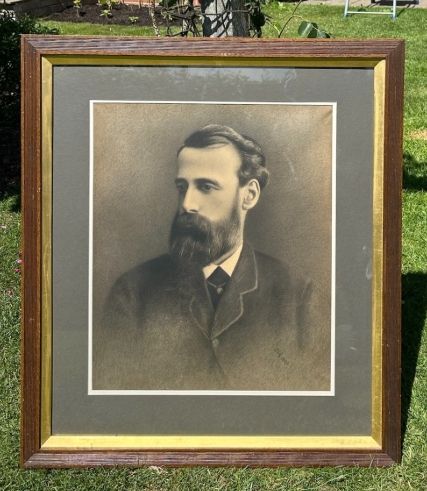
The selections available span multiple decades, including Victorian, Edwardian, Art Deco, and mid-century periods. Common subjects include gentlemen, ladies, children, and notable historical figures rendered in styles from academic realism to early modernism.
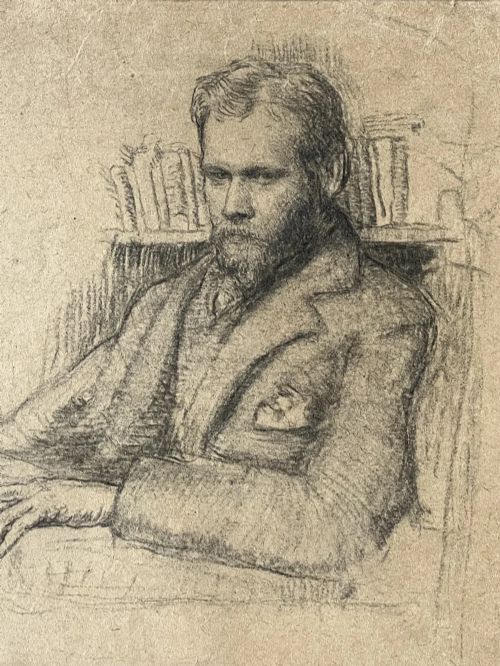
Buyers encounter framed artworks and unframed works on paper originating from British, European, and African studios. Many pieces preserve the direct touch of the artist through visible hatching, shading, and preparatory grid lines.
How they were made
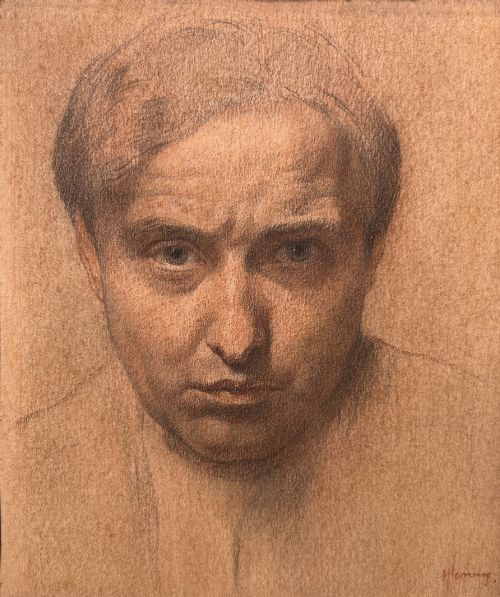
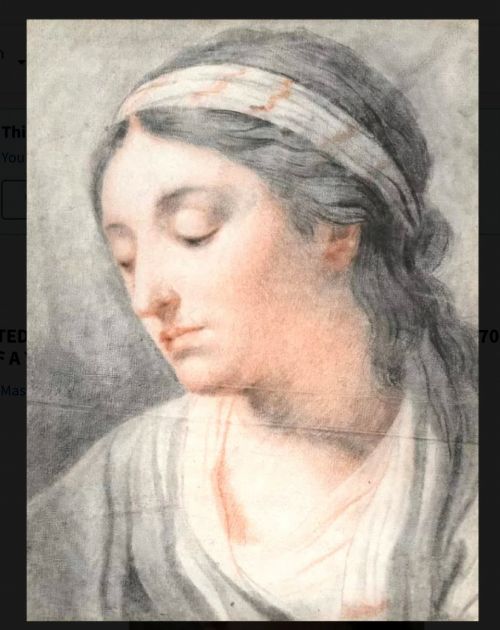
Artists drew upon paper, buff paper, or canvas using graphite pencils, charcoal, and chalk, frequently combining media with watercolour washes, pastel, or gouache. Paper stock varied from lightweight sketch sheets to heavier tinted paper that held highlights applied in white chalk.
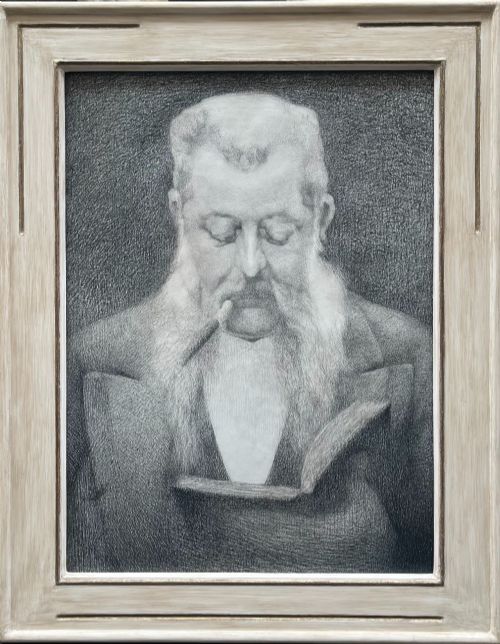
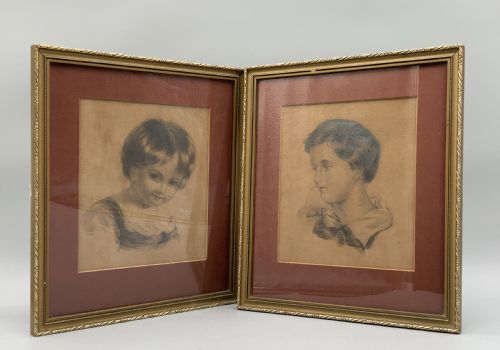
Works were often housed in wooden frames behind glass to protect fragile media from smudging and atmospheric moisture. Some studio pieces remain on their original mounting sheets or retain historical framing from the period of creation.
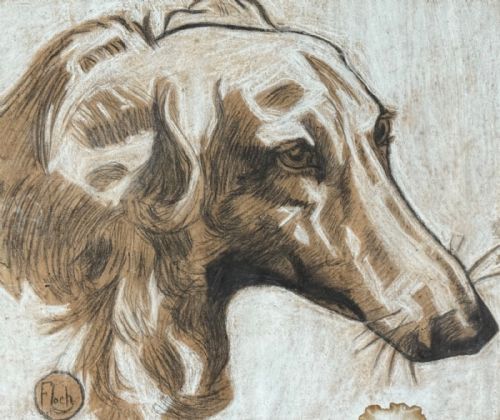
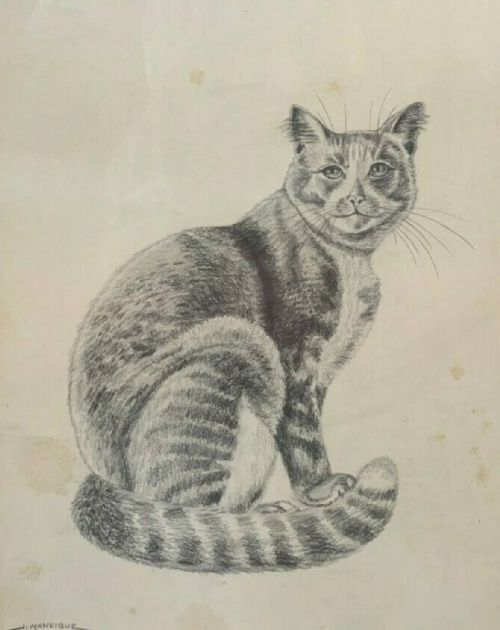
One recorded portrait preserves the likeness of an adventurous explorer and bio-pirate alongside domestic studies of cats and dogs.
What varies in quality
Quality rests upon the sureness of the line, the proportion of the anatomy, and the psychological depth captured in the sitter's expression. Masterful draughtsmanship conveys volume and personality with minimal strokes, whereas weaker examples rely on stiff outlines and flat shading.
The condition of the paper surface also distinguishes examples, as foxing, toning, or moisture stains detract from the visual clarity of the drawing. Works signed by documented artists or retaining direct studio provenance generally command greater interest.
Augustus John·Laura Knight·Mariette Lydis·Faeq Hassan·Ernest Borough Johnson·Francis Dodd
The Vintage Pencil Portrait Drawing Glossary
- Graphite
- A form of carbon used as a drawing medium in pencils, producing tones from light grey to deep metallic black. It forms the primary marking material for the majority of these portraits.
- Charcoal
- A porous carbon material made from burnt wood, used for creating deep blacks and broad tonal areas. It yields softer, more expressive marks than standard pencil.
- Foxing
- Brown spots and patches caused by chemical reactions in ageing paper exposed to humidity. It is a common occurrence in antique works on paper.
- Buff paper
- Paper manufactured with a warm yellowish-brown or tan tint, popular in the nineteenth and twentieth centuries. It provides a neutral mid-tone background that allows artists to build up highlights with white chalk.
Vintage Pencil Portrait Drawing: Frequently Asked Questions
How should I frame a vintage pencil portrait?
These works require framing behind glass with acid-free mounts to prevent the paper from touching the glazing directly. Keeping the drawing away from direct sunlight protects the graphite and tinted paper from fading.
Traditional wooden frames matching the period of the artwork complement the aesthetic of historical drawings. Professional conservation framing ensures the delicate medium remains stable over time.
Are these drawings signed by the artists?
Many portrait drawings feature artist signatures, studio stamps, or inscriptions identifying the sitter and date. Unsigned works frequently emerge from artist studio collections or historical sketchbooks.
Attributions rely on stylistic comparisons, handwriting analysis, and recorded provenance connecting the piece to a specific maker or school.
What is the difference between a sketch and a study?
A sketch is typically a rapid, spontaneous record of a subject or composition captured directly from life. A study is a more deliberate investigation of a specific detail, such as a head or hand, often prepared for a larger finished painting.
Both forms offer insight into the working methods and technical skill of the draughtsman.
How do I identify the period of a drawing?
Dating relies on the hairstyle and clothing of the sitter, the watermark or type of paper stock, and the framing materials. Stylistic markers such as Victorian ornamentation or Art Deco geometries also provide clear chronological context.
Inscriptions on the reverse or accompanying documentation often confirm the exact year or decade of creation.