


Antique British Portrait Sketch
An antique British portrait sketch captures the likeness of a notable figure with immediate, unpolished honesty on paper.
Antique British Portrait Sketch
An antique British portrait sketch represents a direct study of an individual, often executed quickly by a recognised hand before developing into a finished oil painting. These works on paper span from the Georgian period through the Edwardian era and into mid-twentieth-century modern British art.
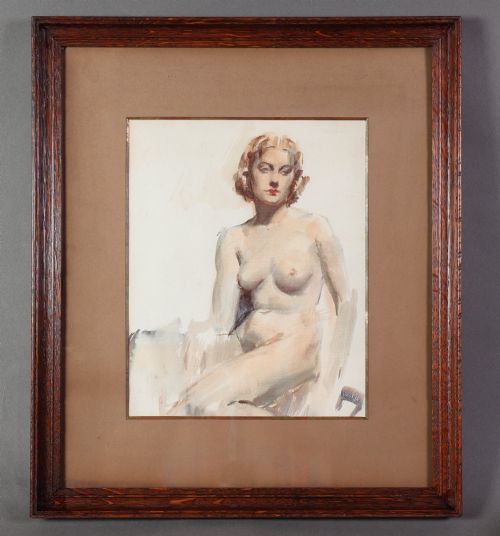
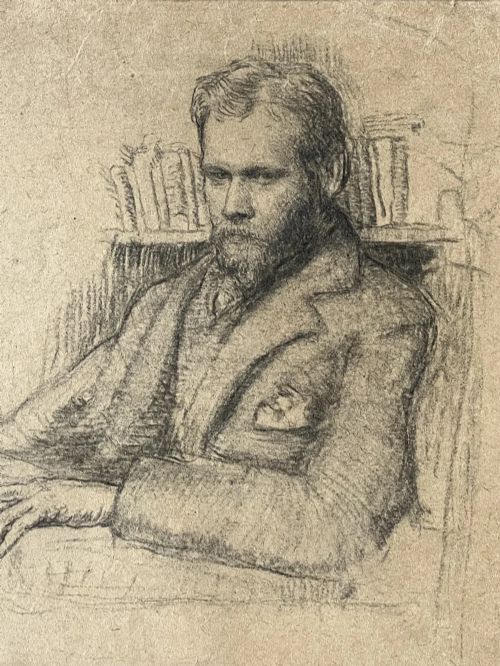
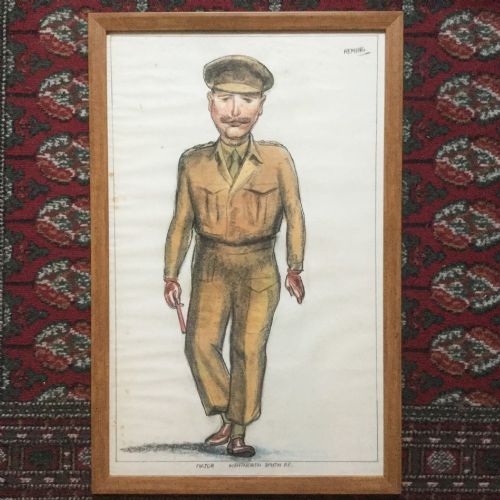
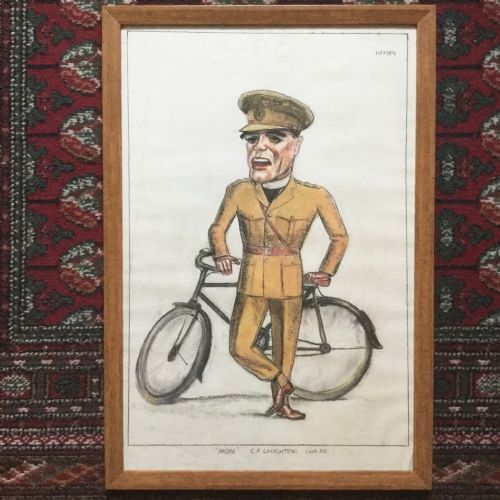
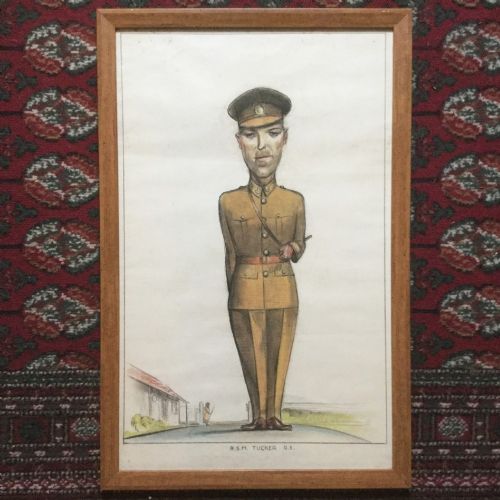
Buyers encounter works ranging from rapid pencil notations of military officers to finished pastel and gouache drawings of theatrical figures and explorers. The subjects include notable statesmen, artists, and literary figures rendered in charcoal, chalk, and graphite.
Materials and Technique
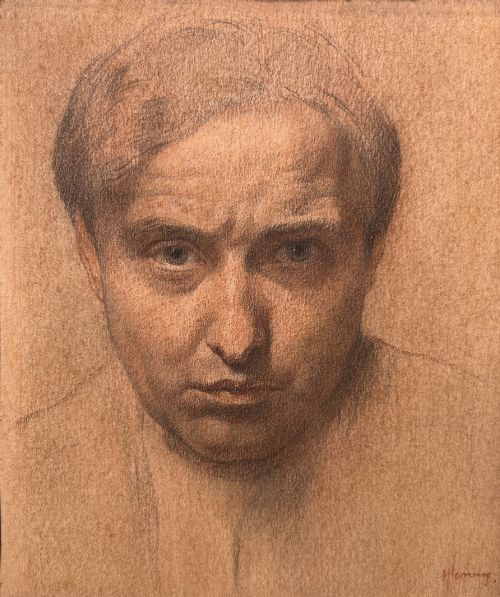
Artists relied primarily on paper supports, applying mediums such as graphite, charcoal, and chalk to build up tone and line. These dry media allowed for rapid execution during sittings, capturing fleeting expressions with precision.
Later works incorporate pastel and gouache to introduce colour and opacity, layering pigment over initial pencil guidelines. The combination of watercolour and gouache over pencil appears in studies from the early twentieth century.
Works are typically housed in wooden frames beneath glass to protect the delicate paper surfaces from atmospheric moisture and handling damage.
Materials employed across these works include traditional paper, charcoal, graphite, wood, chalk, pastel, gouache, and glass.
Assessing Quality
The strength of the draughtsmanship separates a confident study from a rigid academic exercise. Superior sketches demonstrate economy of line and an assured understanding of facial anatomy achieved with minimal strokes.
Historical significance elevates certain examples, particularly where the sitter is a documented historical figure and the artist holds academic recognition, such as membership in the Royal Academy.
The preservation of the paper support and the vibrancy of fugitive media like pastel and watercolour influence the standing of an individual piece.
Augustus John·John Hoppner·Dame Laura Knight·George Richmond·Sir Nathaniel Dance-Holland·Francis Dodd
The Antique British Portrait Sketch Glossary
- Gouache
- An opaque water-based pigment containing a white filler, giving a heavier, matte finish than traditional watercolour. It permits both fine line work and solid blocks of colour.
- Pastel
- A dry drawing medium composed of powdered pigment and a binder, shaped into sticks. It offers rich, velvety colour application suited to rapid portraiture.
- Graphite
- A crystalline form of carbon used in pencils, allowing for varied line weights through pressure and grade. It forms the basis of many preparatory studies.
- Chalk
- A soft, earthy material used for drawing, prized for its ability to create strong tonal contrasts on tinted paper. It yields a tactile, expressive quality.
- Works on paper
- A collective category encompassing drawings, watercolours, and sketches executed on paper supports. This term distinguishes graphic art from canvas paintings.
Antique British Portrait Sketch: Frequently Asked Questions
What is a portrait sketch?
A portrait sketch is a preliminary or rapid drawing capturing a person's likeness, often focusing on facial expression rather than full-body detail.
These works provide insight into an artist's working method and offer an intimate record of historical sitters.
How should I frame a drawing?
Portraits on paper require framing behind glass with a mount that prevents the surface touching the glazing.
Using conservation-grade materials protects the delicate charcoal, pastel, or graphite mediums from environmental degradation.
How do I identify the period?
Dating relies on stylistic markers, costume details of the sitter, and framing methods typical of Georgian, Victorian, or Edwardian eras.
Signatures, inscriptions, and artist biographical dates further narrow the timeframe of execution.
Were these studies for paintings?
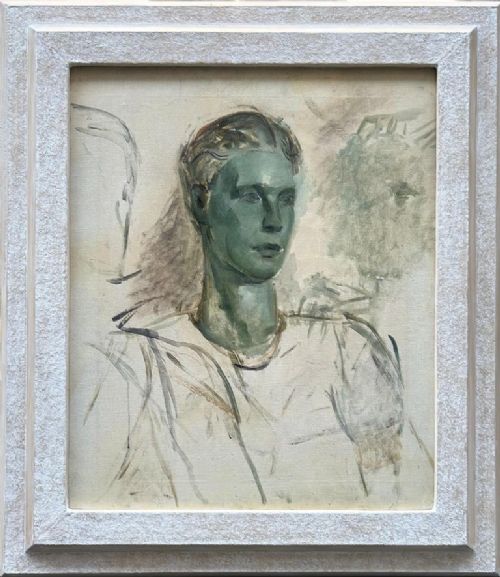
Many portrait sketches served as preparatory studies for larger oil paintings or official portrait commissions.
Artists used these quick sessions to establish likeness and composition before beginning studio work.