



Vintage Pearl Gold Band
A vintage pearl gold band combines lustrous pearls with precious gold settings across Victorian, Edwardian, and mid-century designs.
Vintage Pearl Gold Band
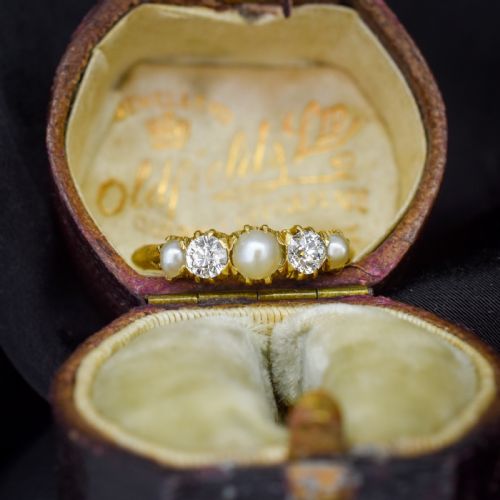
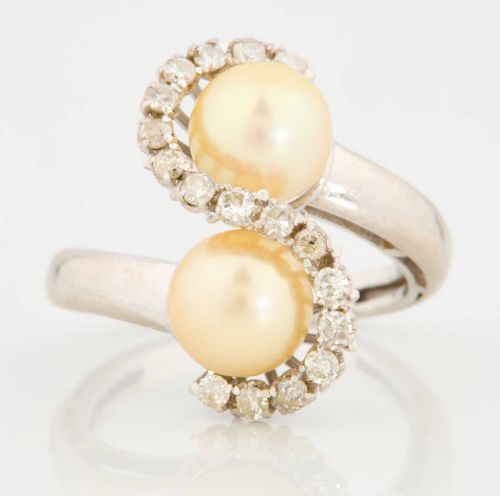
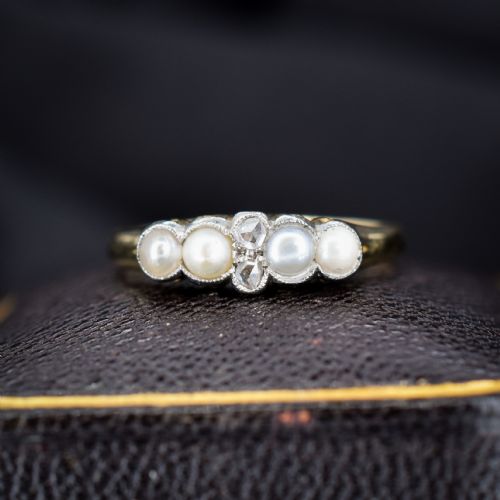
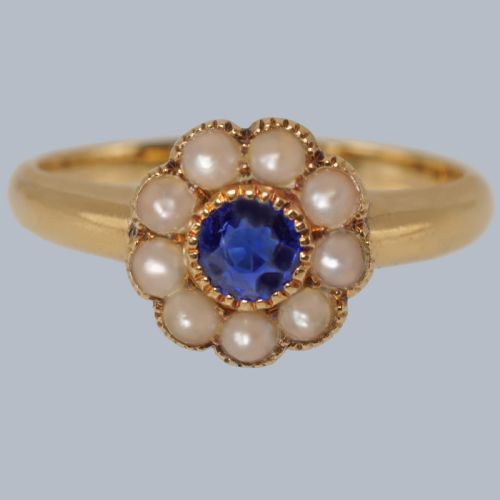
A vintage pearl gold band represents finger adornments created across periods including Georgian, Victorian, Edwardian, and mid-century. These rings primarily take the form of bands, cluster rings, and cocktail rings.
The most common versions met on this page are Victorian and Edwardian rings featuring pearls accompanied by diamonds, turquoise, rubies, or emeralds set in various gold purities.
How they were made
Materials utilised across the inventory include pearl, split pearl, seed pearl, cultured pearl, and natural pearl, combined with 9ct, 14ct, 15ct, and 18ct yellow, white, and rose gold. Gemstones such as old cut diamonds, rubies, turquoise, emeralds, amethysts, and jade complement the pearls.
Techniques involve traditional hand-setting of stones into gold bands, cluster formations, multi-row harem stacking configurations, and intricate buckle or crossover motifs.
Listings span Georgian, Victorian, Edwardian, and Mid-Century periods, incorporating 9ct, 14ct, 15ct, and 18ct gold alongside pearls, diamonds, and turquoise.
What varies in quality
Quality variation depends on the selection of materials, such as the distinction between natural, cultured, and split pearls, alongside the presence of accompanying gemstones like old cut diamonds or rubies.
The precision of gold work, ranging from standard band construction to multi-row harem stacking rings and detailed cluster arrangements, dictates the overall execution.
The Vintage Pearl Gold Band Glossary
- Split pearl
- A small pearl that has been halved, typically used in closed-back settings during the Victorian period. This technique allows pearls to sit flush against the metal surface.
- Old cut diamond
- A diamond cut popular before modern brilliant cuts, characterised by a smaller table and larger culet. These stones display distinct hand-faceted sparkle.
- Harem ring
- A multi-row ring designed to appear as several bands stacked together. They often incorporate interlocking rows of gold and various gemstones.
- Seed pearl
- Very small natural pearls, often used in intricate cluster or mourning jewellery designs. They require delicate mounting techniques.
- Trilogy ring
- A ring featuring three primary stones set in a row, frequently combining pearls and diamonds. This form represents past, present, and future.
Vintage Pearl Gold Band: Frequently Asked Questions
How do I care for a pearl gold band?
Pearls are organic gems that require gentle cleaning with a soft cloth and warm water. Avoid harsh chemicals and ultrasonic cleaners which damage the pearl surface.
Store your ring separately from harder gemstones to prevent scratching the gold and the pearl nacre.
Are these rings suitable for everyday wear?
Many of these rings have survived from the Georgian, Victorian, and Edwardian eras, demonstrating their durability. However, pearls are softer than diamonds and require mindful wear.
Removing the ring during manual tasks preserves both the pearls and the gold settings over time.
What is the difference between Victorian and Edwardian bands?
Victorian rings often feature heavier gold weights, rich yellow or rose gold, and sentimental combinations like turquoise, hair, and split pearls. Styles lean toward robust clusters and buckle motifs.
Edwardian rings frequently utilise platinum alongside yellow and rose gold, showcasing lighter lace-like filigree work with diamonds and natural pearls.
What does split pearl mean on a ring?
Split pearls are natural pearls cut in half to sit flat within closed metal channels or bezels. This method was common in Victorian cluster and band designs.
It allowed makers to create intricate floral or geometric patterns without excessive height on the finger.