

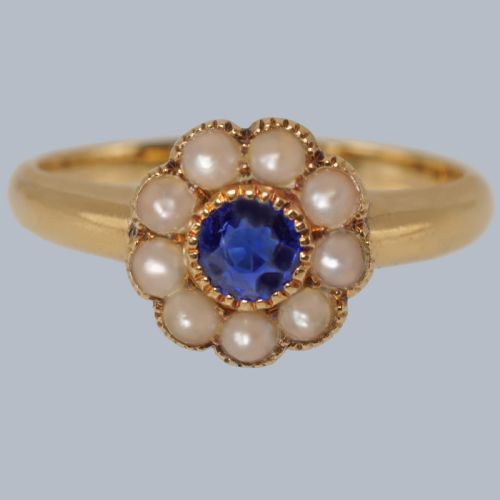

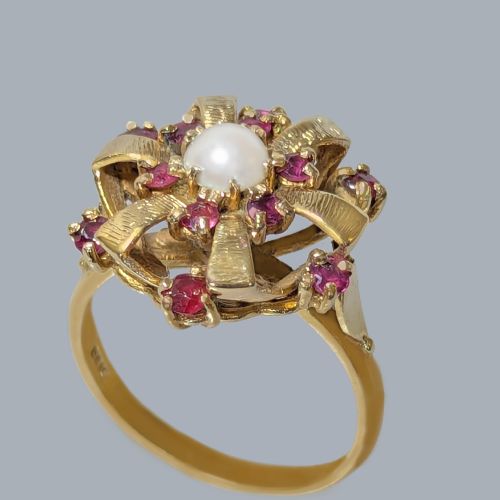


Vintage Pearl Dress Ring
A vintage pearl dress ring combines lustrous organic nacre with precious metals and stones, offering timeless elegance for everyday wear.
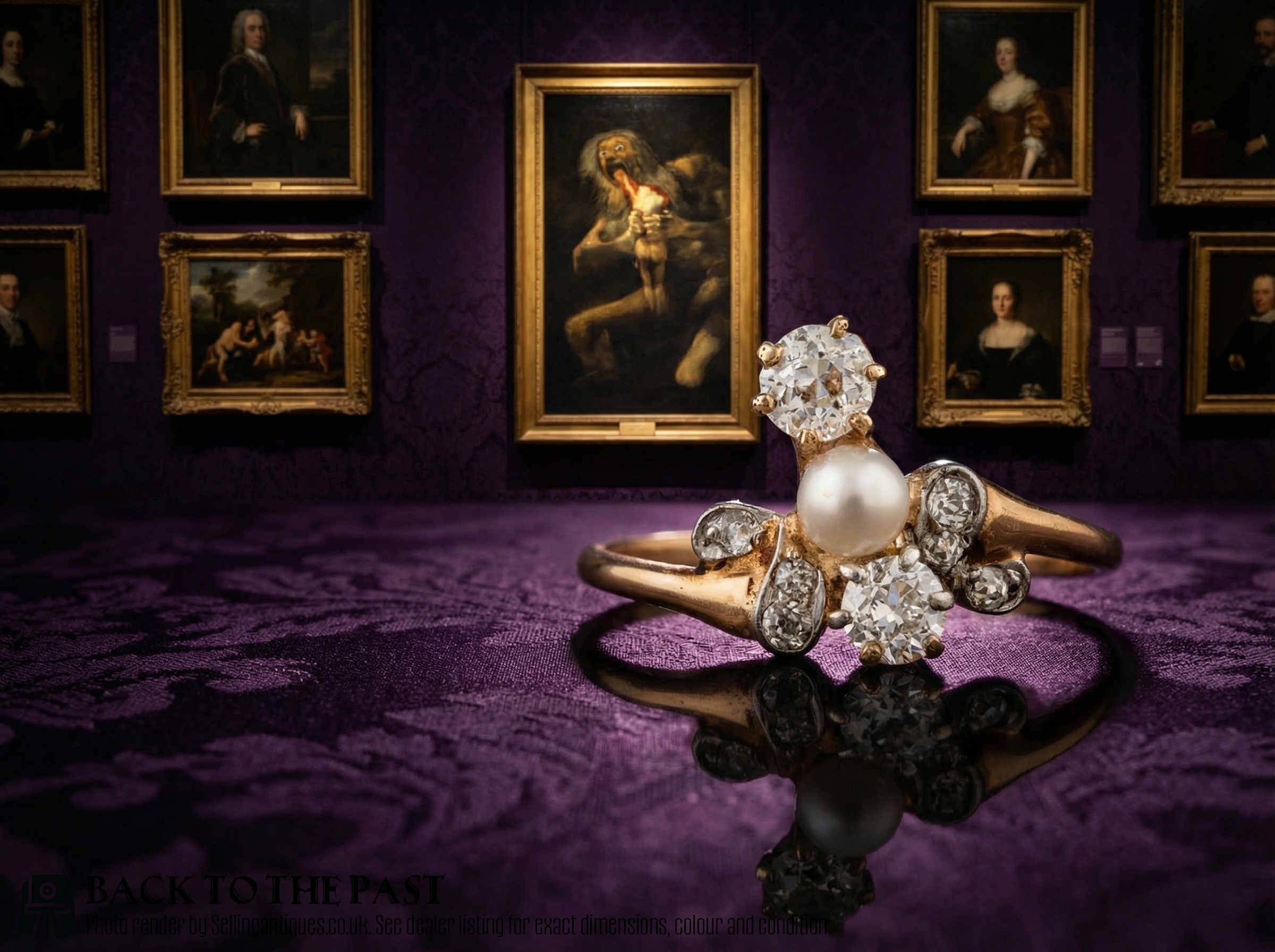
Vintage Pearl Dress Ring
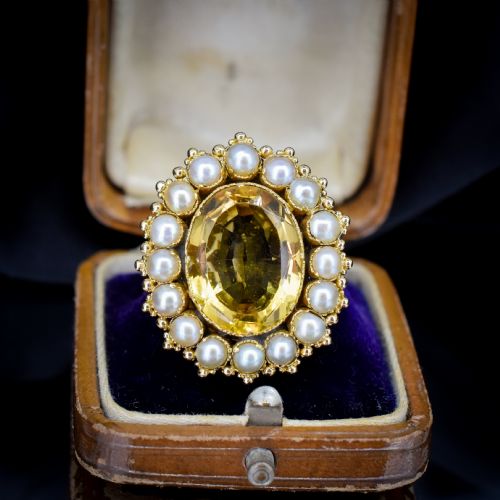
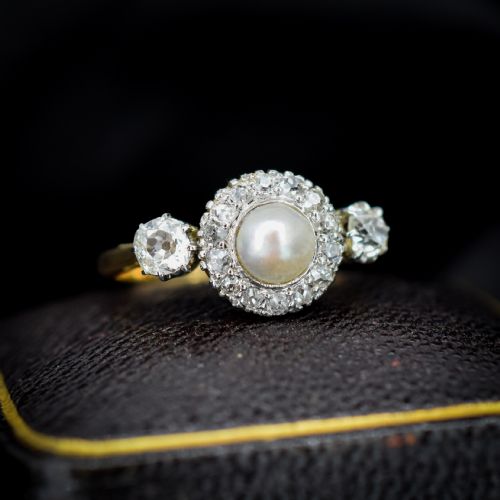
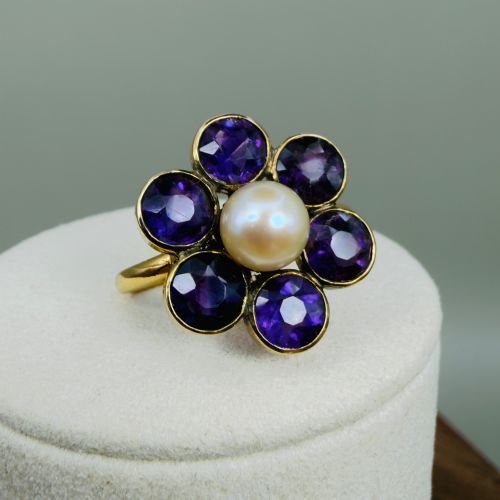
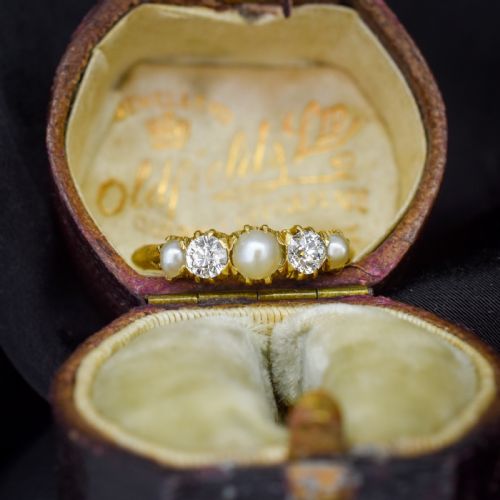
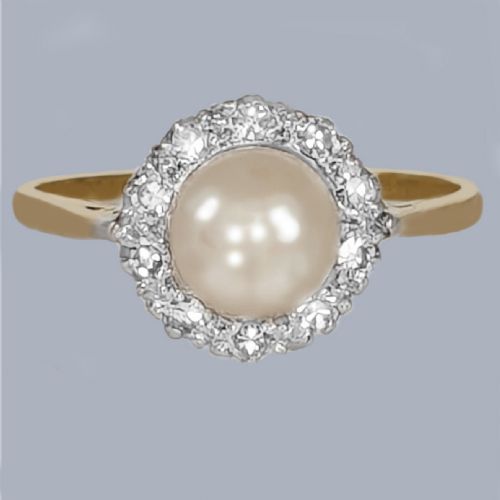
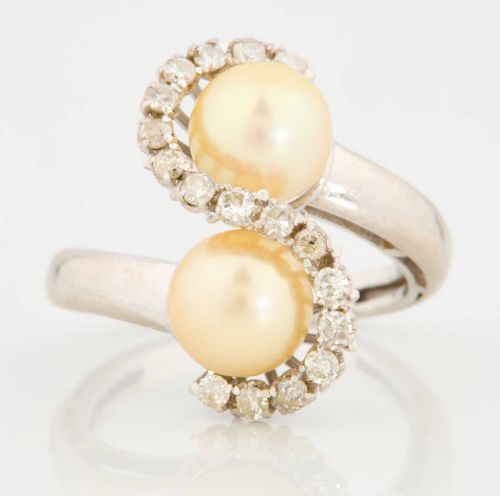
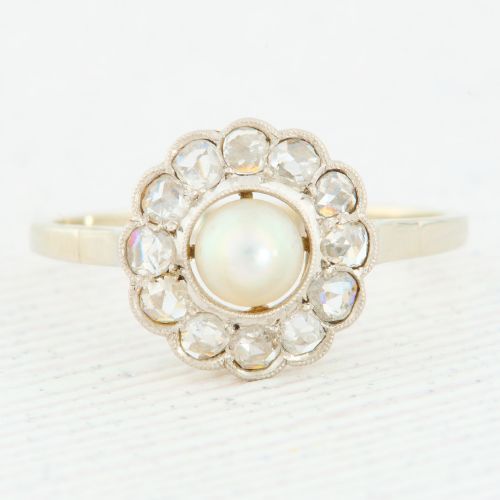
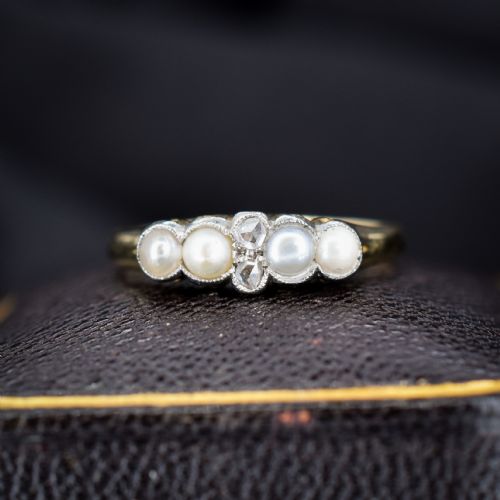
A vintage pearl dress ring is an ornamental finger ring designed primarily for decorative wear rather than as a betrothal token. These pieces frequently incorporate pearls alongside accent gems such as diamonds, rubies, sapphires, garnets, amethysts, and turquoises.
The most common versions met on this page span the Victorian, Edwardian, and Art Deco periods, alongside mid-century examples from the 1950s and 1960s. Forms range from cluster and halo arrangements to delicate trilogy rings and bold cocktail designs.
Origins represented in these items cross British and European workshops, featuring hallmarks from assay offices like Birmingham alongside periods spanning the nineteenth and twentieth centuries.
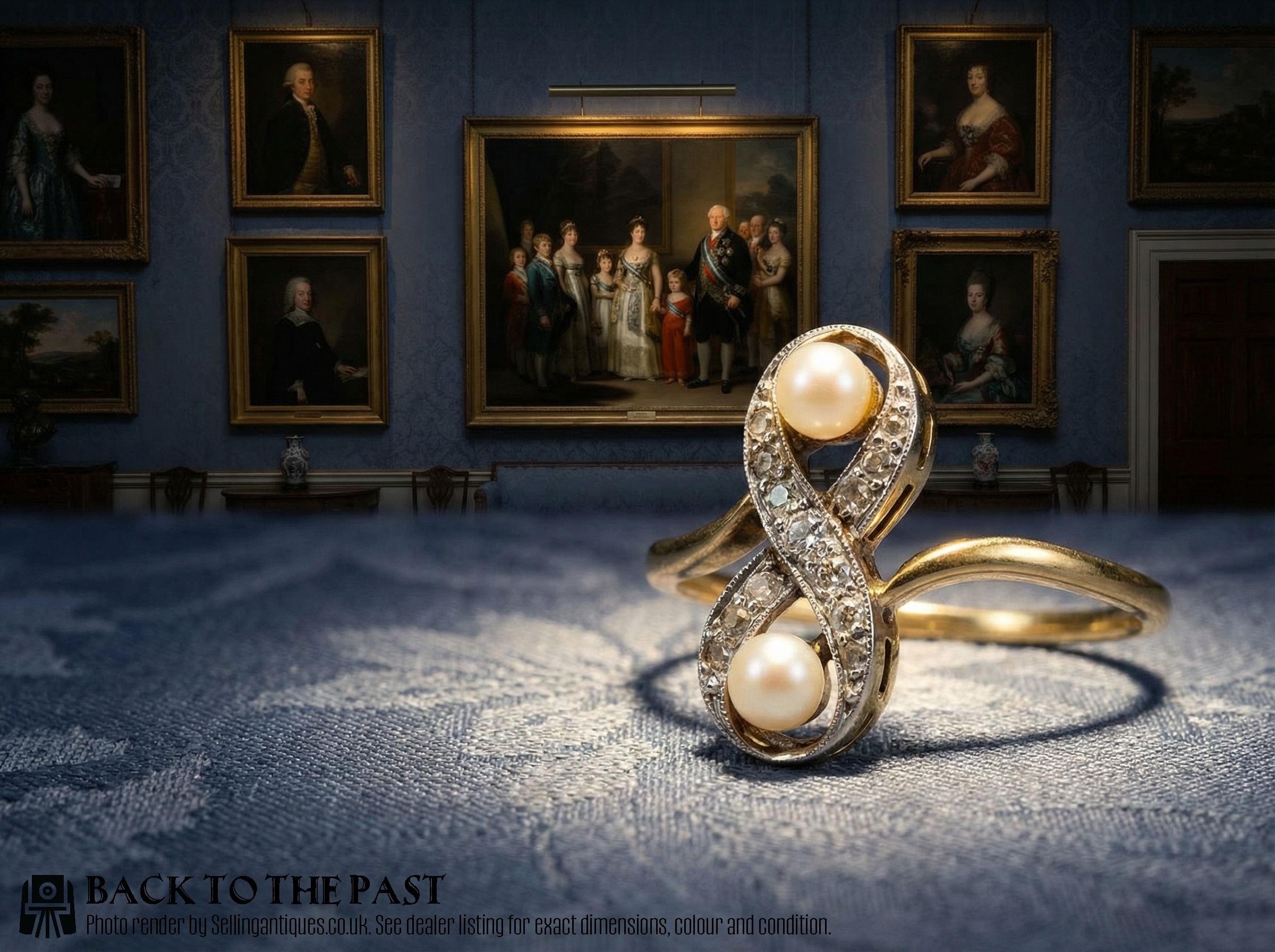
How they were made
Materials combine natural, saltwater, and cultured pearls set alongside diamonds, precious coloured gemstones, and varying purities of yellow, rose, and white gold or platinum. Metals are worked into fine bezel, collet, or claw settings to secure the gems.
Construction techniques involve hand-forging bands from 9ct, 15ct, and 18ct gold or platinum, often incorporating intricate gallery work, millegrain edges, and rose-cut or old-cut diamond accents.
Natural and blister pearls are secured alongside seed pearls and split pearls, matched with gemstones like citrine, peridot, and almandine garnet using traditional bench-working methods of the period.
Vintage Pearl Dress Ring Retail Price Guide 2026
Typical asking prices for vintage pearl dress ring among the pieces listed under this phrase on Sellingantiques today, from the lower quarter to the upper quarter. They describe what is for sale here now, not the wider market.
The listings combine Edwardian, Victorian, Art Deco, and mid-century periods utilising gold, platinum, pearls, and diamonds.
What varies in quality
Quality varies significantly in the selection and matching of the pearls, distinguishing uniform nacre lustre and smooth surfaces from uneven or dull examples. The integration of the pearl with surrounding old-cut or rose-cut diamonds also dictates overall refinement.
The choice of precious metal framework, from robust 18ct yellow and white gold to platinum settings, separates standard commercial work from finely pierced Edwardian and Art Deco mountings.
The structural integrity of the setting and the preservation of original claw or bezel work against everyday wear separates well-preserved examples from those with altered or compromised mounts.
The Vintage Pearl Dress Ring Glossary
- Pearl
- A hard, lustrous object produced within the soft tissue of a shelled mollusc. These organic gems form the central focus of many Victorian and Edwardian cluster designs.
- Cluster Ring
- A ring featuring a central gemstone or pearl surrounded by a border of smaller stones. This configuration maximises visual presence on the finger.
- Millegrain
- A decorative jewellery technique involving a line of tiny raised beads along the edge of a metal setting. It is frequently seen on Edwardian and Art Deco platinum work.
- Old-Cut Diamond
- A diamond cut by hand before the standardisation of the modern brilliant cut in the early twentieth century. These stones exhibit smaller tables and distinct facet patterns.
- Seed Pearl
- Very small natural or cultured pearls, often half-drilled and threaded or glued in rows. They are characteristic of delicate Victorian and Edwardian floral and geometric motifs.
Vintage Pearl Dress Ring: Frequently Asked Questions
How do I clean a vintage pearl dress ring?
Pearls are organic gems with a soft surface that can be easily scratched or damaged by harsh chemical cleaners, ultrasonic baths, or abrasive cloths. Wipe them gently with a soft, damp cloth after wearing and store them separately from harder gemstones.
Ensure that moisture does not weaken the adhesive or silk thread if the pearls are strung rather than pegged and set in metal. Professional cleaning should be left to specialists familiar with antique jewellery mountings.
Can I wear a vintage pearl ring every day?
Daily wear is possible if the ring is treated with care, given that pearls register lower on the Mohs hardness scale than diamonds or sapphires. Consider removing the ring during manual tasks, gardening, or sports to protect the nacre from impacts and abrasions.
Inspecting the settings regularly ensures that the pearls and surrounding stones remain secure within their gold or platinum claws and bezels.
How can I tell the period of a pearl ring?
Dating relies on stylistic clues such as the airy platinum and diamond garlands of the Edwardian Belle Epoque era versus the geometric lines of Art Deco pieces. Maker marks, assay office stamps, and gold purities like 15ct also provide clear chronological markers.
Victorian pieces often feature closed-back settings, heavy yellow or rose gold, and seed pearls, whereas mid-century examples from the 1950s and 1960s introduce white gold and cultured pearls.
What is the difference between natural and cultured pearls?
Natural pearls form entirely without human intervention when an irritant lodges inside a mollusc in the wild, making them exceptionally scarce in antique pieces. Cultured pearls are grown by introducing a nucleus into the mollusc under controlled conditions.
Both types appear across different eras represented in these listings, with saltwater and blister varieties also contributing to the diverse visual textures available.