

Vintage Pattern Chairs
These vintage pattern chairs bring character to a room through distinctive upholstery and period frames.
Vintage Pattern Chairs
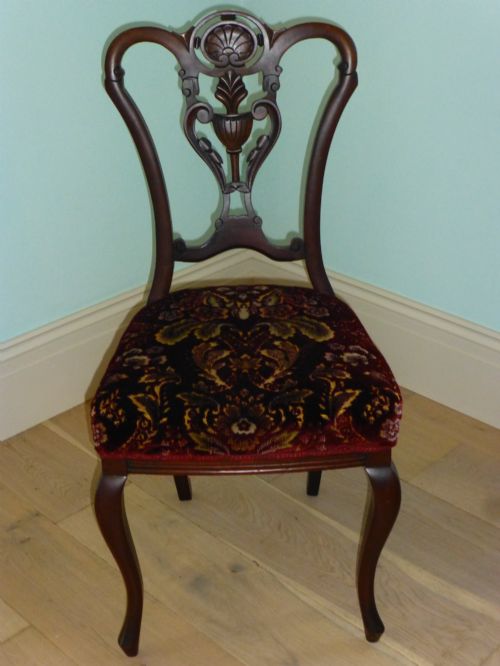
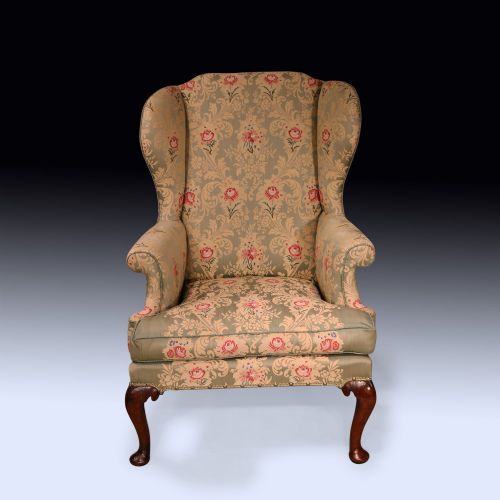
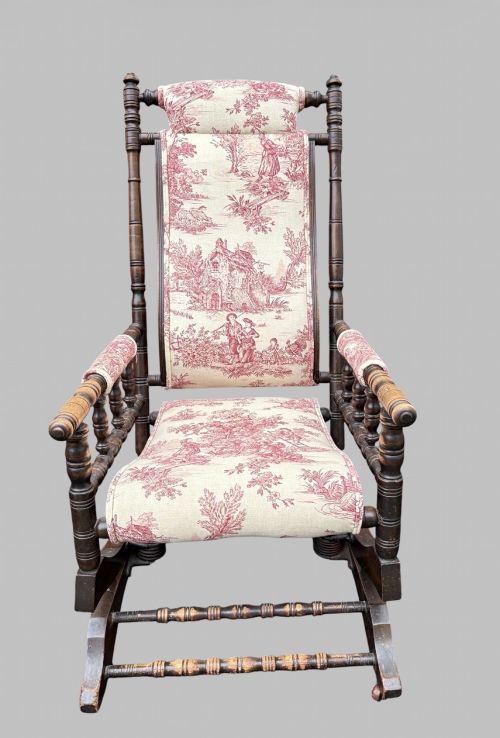
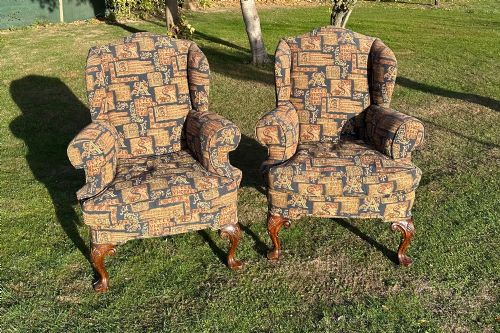
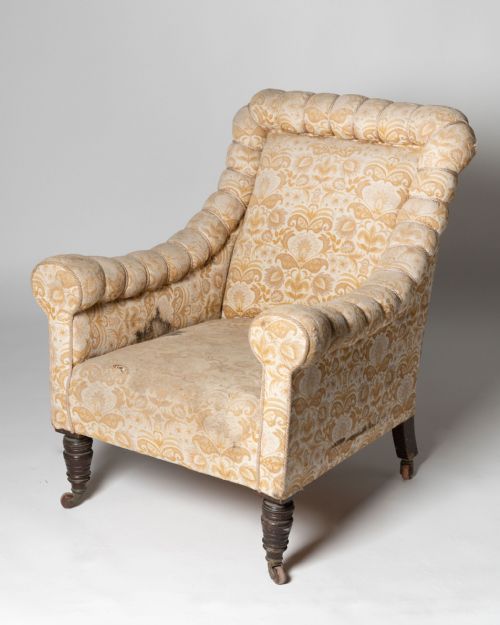
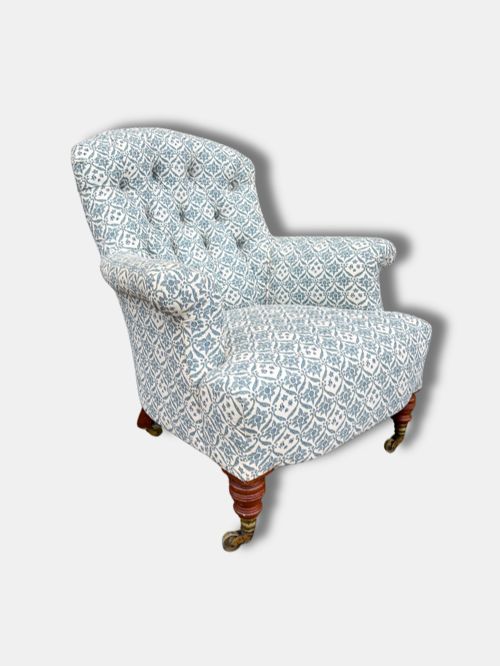
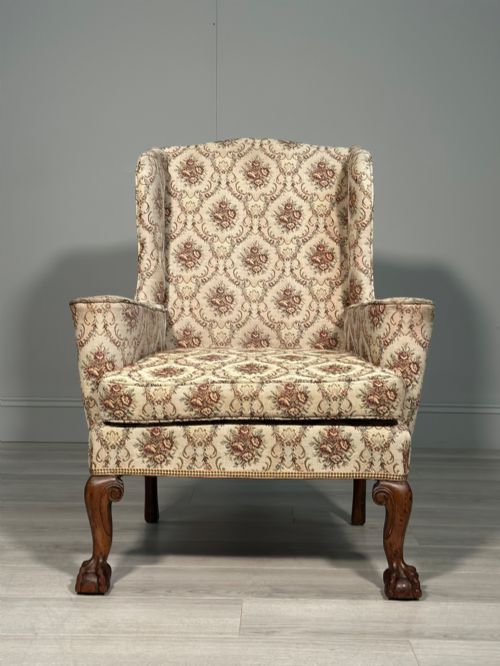
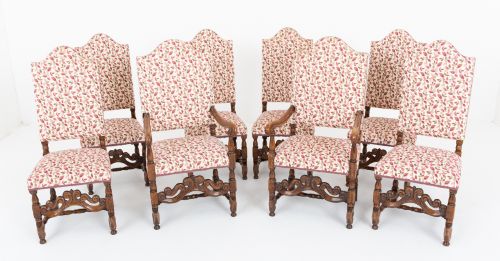
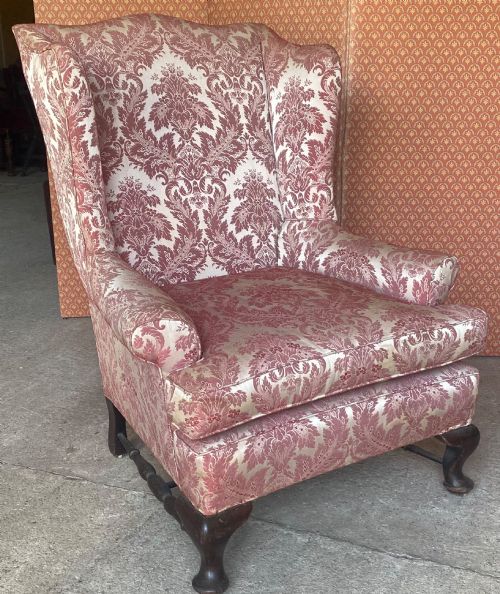
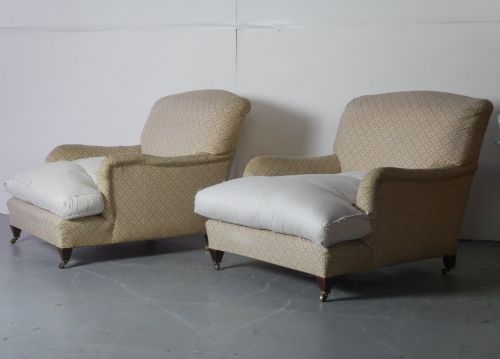
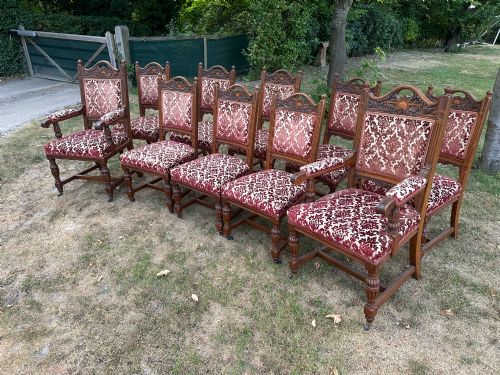
Vintage pattern chairs encompass a wide variety of seating forms, ranging from dining chairs and side chairs to substantial armchairs and rocking chairs. When searching for vintage pattern chairs, buyers frequently encounter upholstered wingbacks, tub chairs, and sets of dining chairs dressed in patterned textiles.
The selections span multiple eras, drawing heavily from the nineteenth century, Edwardian period, and the 1920s and 1930s. Forms such as armchairs, slipper chairs, and rocking chairs dominate the available pieces, offering diverse silhouettes for different domestic spaces.
Materials and construction
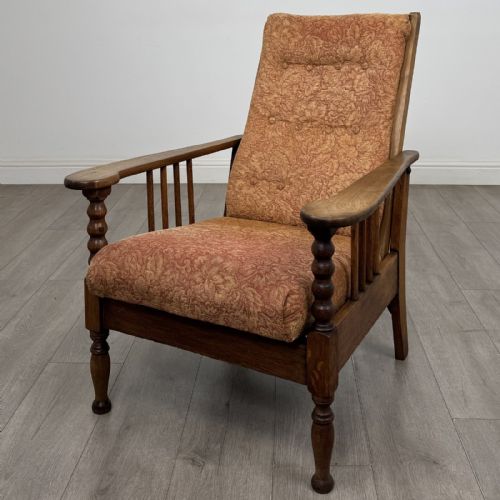
Frames rely on sturdy timbers such as oak, walnut, mahogany, and hardwood, providing the structural foundation for upholstered bodies. Skilled joinery methods secure joints, while turned wooden elements like barley twist legs add decorative detail to nineteenth-century and Edwardian examples.
Textiles and fabrics define the patterned surface of these seats, covering internal stuffing and springing systems. Makers applied woven materials, leather, and patterned upholstery to armchairs and dining sets, tying structural woodwork to decorative surface design.
Vintage Pattern Chairs Retail Price Guide 2026
Typical asking prices for vintage pattern chairs among the pieces listed under this phrase on Sellingantiques today, from the lower quarter to the upper quarter. They describe what is for sale here now, not the wider market.
Listings feature periods spanning from the eighteenth century through the 1930s, constructed in oak, walnut, mahogany, and fabric.
What varies in quality
The integrity of the underlying timber frame and the precision of the joinery set finer pieces apart from standard examples. Original woodwork that retains its structural firmness without excessive restoration represents a higher tier of craftsmanship.
The quality of the upholstery execution and the choice of textile also determine distinction. Pieces retaining sympathetic or high-grade fabric treatments demonstrate greater fidelity to their original period aesthetic.
Howard And Sons·Whytock And Reid·Heals
The Vintage Pattern Chairs Glossary
- Wingback armchair
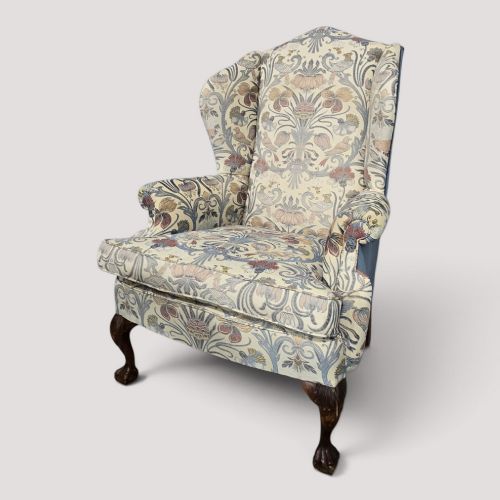
- An upholstered seat featuring protective side panels designed to shield the sitter from draughts. These chairs often feature prominent patterned fabric.
- Carver
- A dining chair with armrests, traditionally placed at the head of a dining table. They frequently match a larger set of armless side chairs.
- Barley twist
- A decorative turning technique resembling a twisted rope, carved into wooden furniture legs and stretchers during the nineteenth century.
- Tub chair
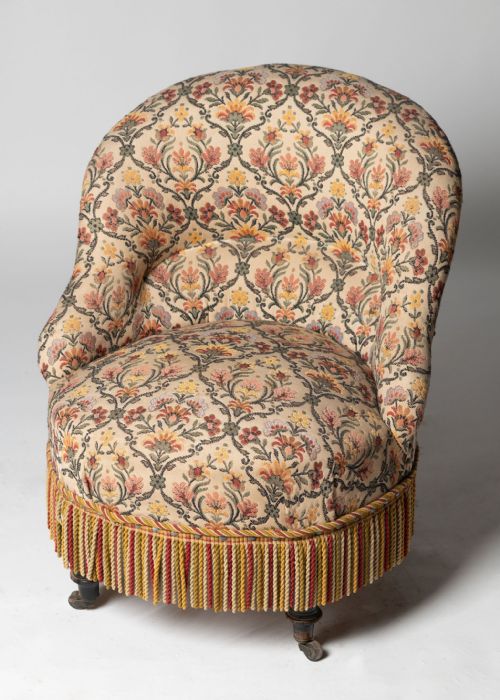
- A curved, semicircular armchair where the back and arms form a continuous low enclosure. They appear frequently in late-nineteenth and early-twentieth-century designs.
- Slipper chair
- A low-seated bedroom chair originally designed to assist ladies with putting on shoes. Their compact proportions make them suitable for smaller spaces.
Vintage Pattern Chairs: Frequently Asked Questions
How do I choose the right vintage pattern chair?
Consider the primary function of the seat, whether for relaxed lounging in a living room or formal seating around a dining table. Scale and proportion against your existing room layout matter greatly when selecting larger armchairs or sets of dining chairs.
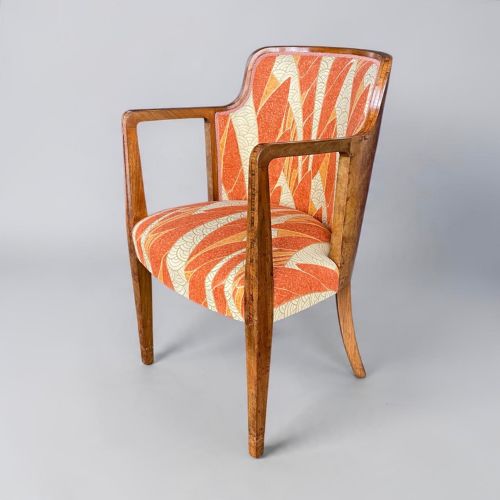
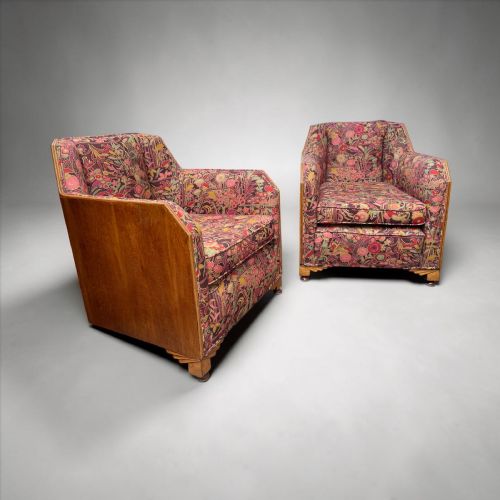
Examine the listed period and materials to match your interior aesthetic, keeping in mind that pieces range from robust oak dining sets to plushly upholstered Art Deco loungers.
Can I use these chairs in modern interiors?
These chairs integrate well into contemporary spaces by adding texture and historical contrast through patterned textiles and traditional wooden frames. Mixing a patterned Edwardian or 1930s armchair into a minimalist room creates a striking focal point.
Dining sets from the nineteenth or early twentieth century also anchor modern dining spaces, offering warmth through exposed oak, walnut, and mahogany timbers.
How do I identify the period of a chair?
Dating relies on observing structural characteristics, wood types, and stylistic revivals present in the framing. Pieces from the nineteenth century often display robust mahogany or walnut builds, while Edwardian and 1920s examples show distinct Arts and Crafts or Art Deco influences.
Upholstery fabrics can also provide clues, though many vintage chairs feature later or renewed fabric coverings that reflect subsequent decorative tastes.
What is the difference between a carver and a side chair?
Carvers feature integrated armrests designed for comfort, making them traditionally distinct from armless side chairs. In dining sets, carvers usually stand at the head of the table while side chairs line the sides.
Both types share the same period styling and timber construction, allowing sets to maintain a cohesive appearance while offering varied seating options.