


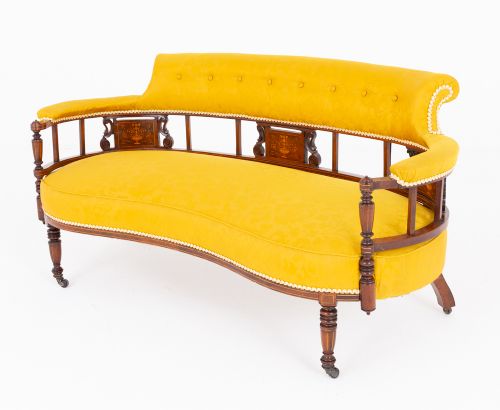


Vintage Parlour Seating
Vintage parlour seating brings formal reception rooms to life with carved mahogany frames, plush velvet upholstery, and elegant antique lines.
Vintage Parlour Seating
Vintage parlour seating encompasses the diverse range of chairs, settees, and sofas designed for formal reception rooms during the nineteenth and early twentieth centuries. When searching for vintage parlour seating, buyers encounter pieces originating from the Victorian and Edwardian eras, alongside earlier nineteenth-century examples and later stylistic revivals.
The selections available include single armchairs, nursing chairs, ladies chairs, and multi-piece salon suites alongside larger settees and dining chairs adapted for parlour use. Edwardian inlaid mahogany settees and Victorian walnut framed chairs form a large portion of the pieces met on this page.
Styles range from restrained Arts and Crafts designs and classic Regency forms to ornate French Rococo Revival and Art Nouveau pieces. Buyers select these items to furnish drawing rooms and sitting rooms with authentic period character.
Materials and construction methods
Cabinet makers utilised dense hardwoods such as mahogany, rosewood, walnut, and oak to build sturdy structural frames. Many Edwardian and Victorian pieces feature intricate inlay work, carved wooden details, and exposed polished timber surfaces.
Upholstered elements rely on traditional stuffing and textile coverings, including plush velvet, patterned upholstery fabric, and brass hardware accents. Giltwood and gilt finishes appear on pieces styled in the French manner, adding metallic highlights to carved wooden armchairs and sofas.
Vintage Parlour Seating Retail Price Guide 2026
Typical asking prices for vintage parlour seating among the pieces listed under this phrase on Sellingantiques today, from the lower quarter to the upper quarter. They describe what is for sale here now, not the wider market.
Distinctions in craftsmanship and design
Quality separates standard production items from exceptional pieces through the crispness of hand-carving and the precision of wood inlay. Superior frames display tight joinery and well-selected timber grains, particularly in burr birch, rosewood, and figured mahogany examples.
The refinement of the silhouette and the integration of stylistic motifs, whether Arts and Crafts simplicity or elaborate Victorian button-backing, dictate the standing of a piece within the range. Original upholstery fabrics and intact gilt surfaces also elevate the desirability of surviving salon suites and armchairs.
Robert Strahan And Co·Baumann
The Vintage Parlour Seating Glossary
- Settee
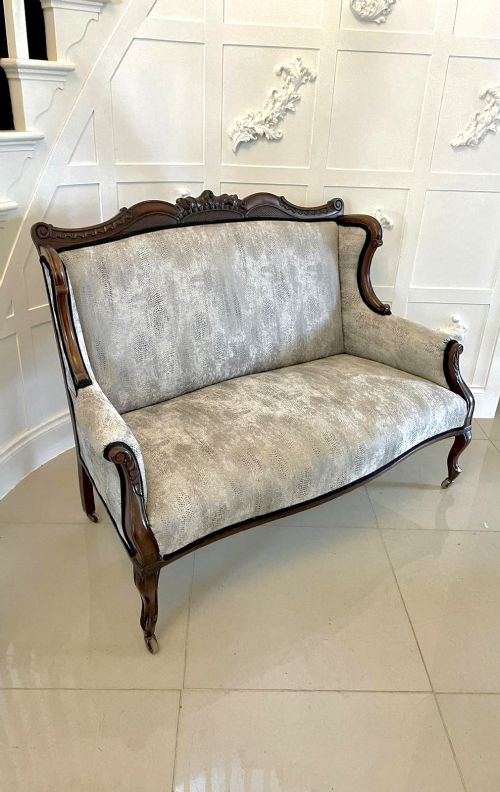
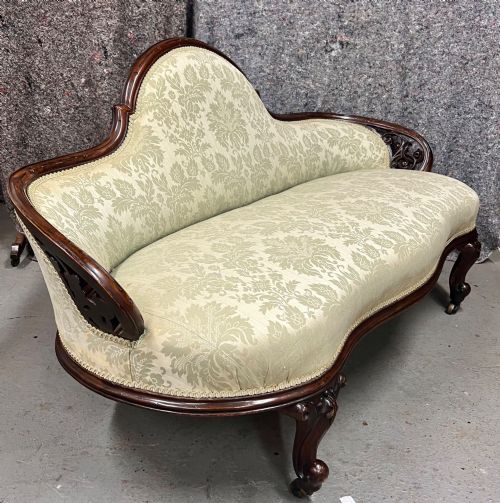
- A long, upholstered seat with a back and arms, designed to accommodate multiple people in a parlour or drawing room. These pieces form a central decorative focus in Victorian and Edwardian interiors.
- Fauteuil
- An open-armed wooden armchair originating in France, typically featuring upholstered back and seat panels with exposed carved framing. These chairs reflect ornate continental styling.
- Bergere
- A closed-arm upholstered armchair with a wooden frame, often incorporating cane work or fully padded sides. This classic French seating form offers deep comfort.
- Salon Suite
- A matched set of seating furniture, commonly comprising a settee and several armchairs or side chairs designed for formal entertaining. These suites provide a cohesive decorative scheme.
- Balloon Back
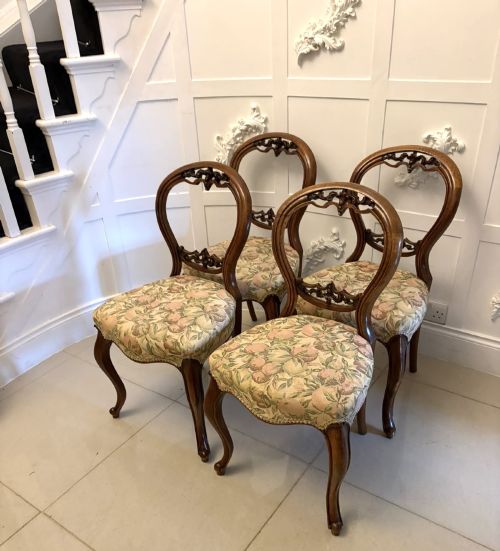
- A chair back style shaped like an enclosed oval or balloon, popular in mid-nineteenth-century walnut and mahogany seating. This curved design supports the sitter's spine.
Vintage Parlour Seating: Frequently Asked Questions
What rooms suit vintage parlour seating?
These pieces fit formal drawing rooms, sitting rooms, or spacious bedrooms where period character is desired. Their decorative woodwork and upholstered forms complement traditional interior schemes.
Smaller side chairs and nursing chairs also function effectively as occasional seating in modern living spaces, adding historic contrast to contemporary decor.
How do I identify Victorian parlour chairs?
Victorian pieces frequently utilise dark timbers like walnut and rosewood, often featuring carved wooden frames, button-backed upholstery, or balloon back designs. Their proportions tend to be robust and heavily ornamented.
Makers of this era favoured rich textiles such as velvet and heavy upholstery fabric to project domestic status and comfort.
What defines Edwardian parlour furniture?
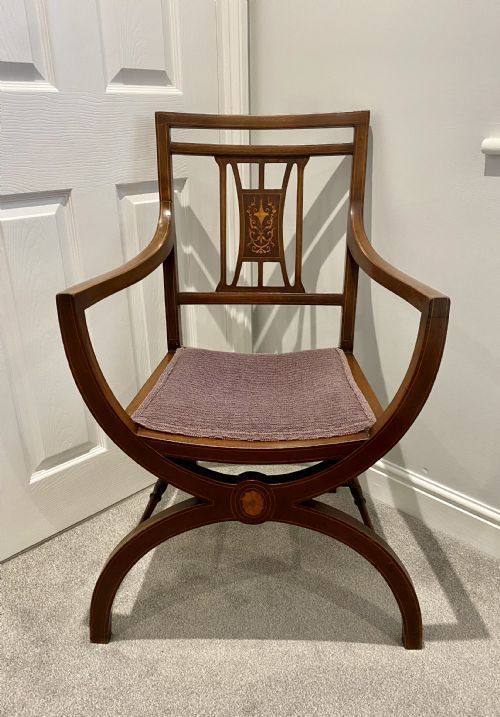
Edwardian seating generally displays lighter proportions, frequently constructed from mahogany with delicate inlaid wooden stringing and satinwood banding. The aesthetic leans towards refined elegance rather than heavy Victorian ornamentation.
Styles from this period often incorporate Arts and Crafts simplicity or subtle Art Nouveau curves alongside Edwardian interpretations of earlier French designs.
Can these chairs be re-upholstered?
Many antique settees and armchairs are structurally suited for new fabric, and listings occasionally specify pieces offered explicitly for re-upholstery. Traditional webbing and spring systems can be repaired by skilled craftspeople.
Retaining the original internal padding or replacing it with sympathetic period-correct materials preserves the structural integrity and historical comfort of the seat.