





Vintage Paris Porcelain
Vintage Paris porcelain brings hand-painted French elegance and rich gilding into a room, offering both decorative presence and historical charm.
Vintage Paris Porcelain
Vintage Paris porcelain encompasses decorative and useful pieces originating from the French capital, spanning traditional tea services and cabinet cups to later table lamps and figures. You will frequently encounter nineteenth-century vessels alongside objects bearing influences from Rococo revival, Empire, and Chinoiserie styles.
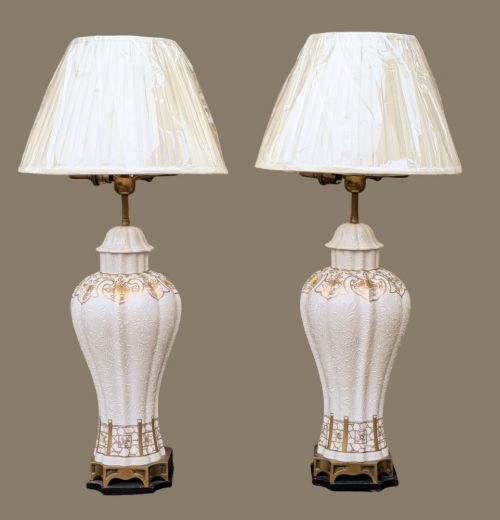
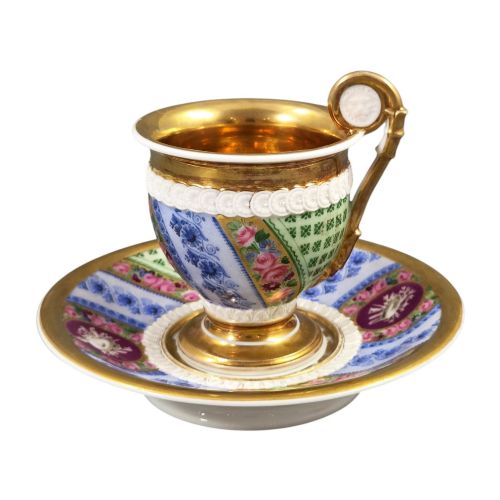
The selection ranges from early nineteenth-century cabinet cups with lion mask handles to later twentieth-century Art Deco perfume lamps and column table lamps. These diverse forms reflect the shifting tastes of French makers across multiple generations.
How they were made
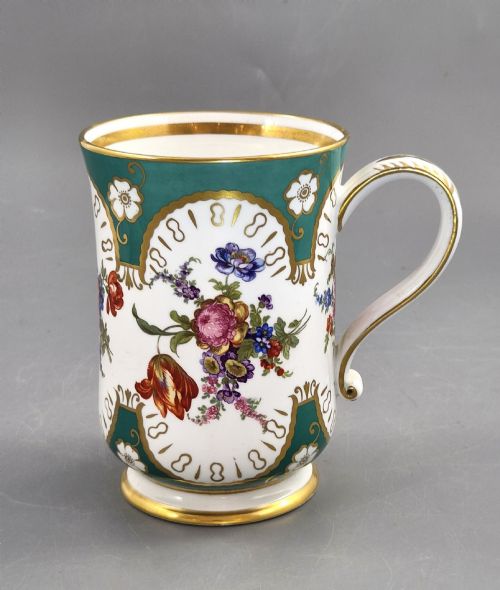
Makers utilised hard-paste porcelain as the primary body, shaping vessels and figures before applying detailed hand-painted floral designs and pictorial scenes. Artisans frequently integrated gold leaf and heavy gilding to highlight moulded details and borders.
Surface decoration often incorporated raised white enamel and brass mounts, particularly on later table lamps and specialised wares. These techniques combined to create the characteristic opulent finish associated with Parisian kilns.
Vintage Paris Porcelain Retail Price Guide 2026
Typical asking prices for vintage paris porcelain among the pieces listed under this phrase on Sellingantiques today, from the lower quarter to the upper quarter. They describe what is for sale here now, not the wider market.
Listings feature hard-paste porcelain vessels, figures, and table lamps spanning the nineteenth century into the twentieth century, incorporating brass and gold leaf.
What varies in quality
The standard of painting on vintage Paris porcelain dictates much of the distinction between pieces, with finer examples displaying meticulous brushwork on floral motifs and figures. Superior items often feature more intricate moulding, such as lion mask handles or elaborate relief work.
The preservation of the original gilding and enamel work also influences the character of each piece. Well-maintained surfaces retain their bright gold leaf and crisp enamel details without significant rubbing or loss.
Samson, Paris·Argilor, Paris·Jacob Petit
The Vintage Paris Porcelain Glossary
- Hard-paste porcelain
- A durable ceramic material fired at high temperatures, composed of kaolin and petuntse. It provides a dense, vitreous base for traditional Parisian wares.
- Gilding
- The application of gold leaf or powdered gold to the surface of the porcelain. This technique highlights rims, handles, and raised decorative elements.
- Chinoiserie
- A decorative style inspired by Chinese art and culture, featuring exotic birds and landscapes. It appears frequently on nineteenth-century vases and vessels.
- Cabinet cup
- A small, highly decorative cup intended for display rather than daily use. These often feature specialised handles and detailed hand-painted scenes.
- Perfume lamp
- A specialised vessel designed to diffuse scent when heated by an internal light source. These are particularly notable in Art Deco forms.
Vintage Paris Porcelain: Frequently Asked Questions
What is Old Paris porcelain?
Old Paris porcelain refers to the diverse ceramic wares produced by numerous independent kilns operating in and around Paris from the eighteenth century through the nineteenth century. These workshops did not share a single unified style, producing everything from utilitarian tea services to ornate cabinet pieces.
Because production was scattered among various studios rather than a single royal manufactory, the output varied widely in form and decoration. Pieces often display influences from historical periods such as the Rococo revival and the Empire style.
How can I date Paris porcelain?
Dating vintage Paris porcelain involves examining the manufacturing style, form, and decorative techniques used on the piece. Earlier nineteenth-century examples often favour classical shapes and hand-painted floral panels, while later items might incorporate Art Deco designs or converted lamp fittings.
Marks on the underside can sometimes assist with attribution, though many pieces remain unmarked. Comparing the moulding style and enamel work to documented examples helps narrow down the period of creation.
Are these pieces functional?
While many vintage Paris porcelain items were originally created for practical use, such as tea services or cabinet cups, their survival over the centuries often shifts their role toward display. Items like table lamps and vases continue to serve a direct purpose in a modern interior.
When living with older porcelain, gentle handling preserves the hand-painted surfaces and delicate gilding. Displaying them away from high-traffic areas protects intricate details like raised enamel and applied handles.
Who was Samson of Paris?
Samson of Paris was a nineteenth-century firm known for creating high-quality reproductions and interpretations of historic ceramics from various European and Asian factories. Their work included pieces inspired by Chelsea porcelain and other renowned traditions.
Rather than passing their wares off as direct fakes, Samson typically applied their own marks or created homages to earlier styles. Today, these pieces are collected in their own right for their exceptional craftsmanship and artistic skill.