

Vintage Paperweight
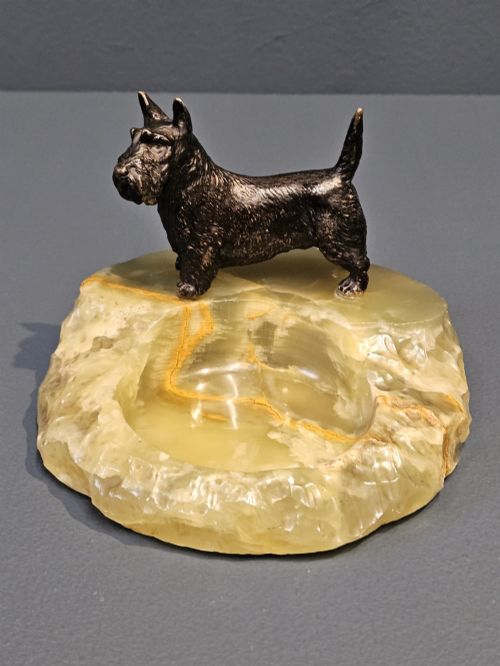
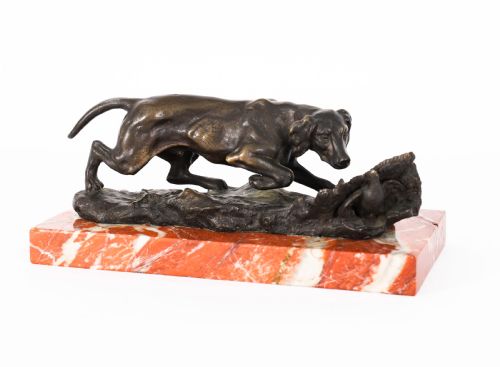
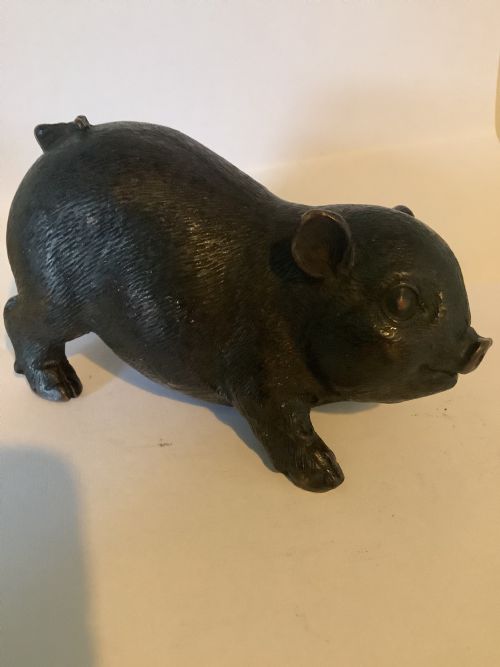
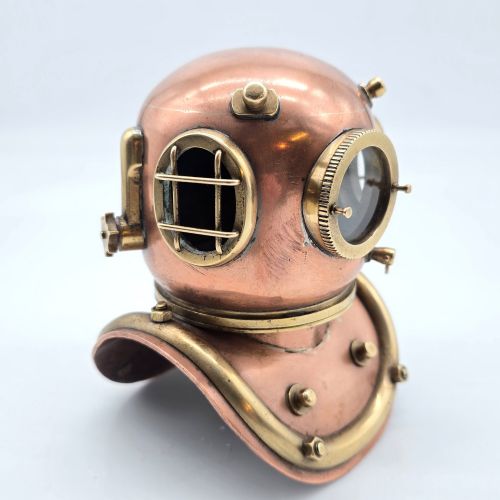
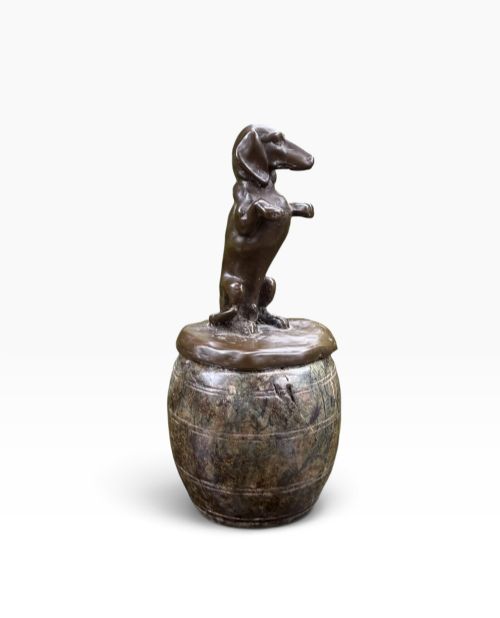
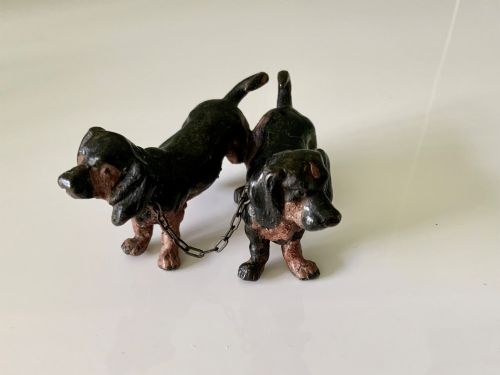
These vintage paperweight examples range from heavy glass dumps to cold painted bronze animals, anchoring a desk with weight and sculptural form.
Vintage Paperweight
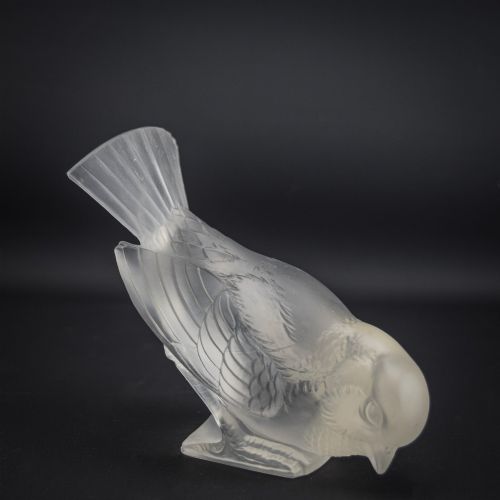
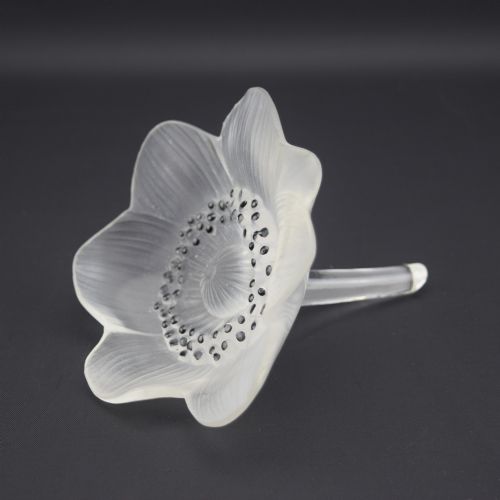
A vintage paperweight serves a practical desk function while functioning primarily as a small sculpture. The selection here spans Victorian glass dumps, intricate Murano millefiori, and detailed metal casts.
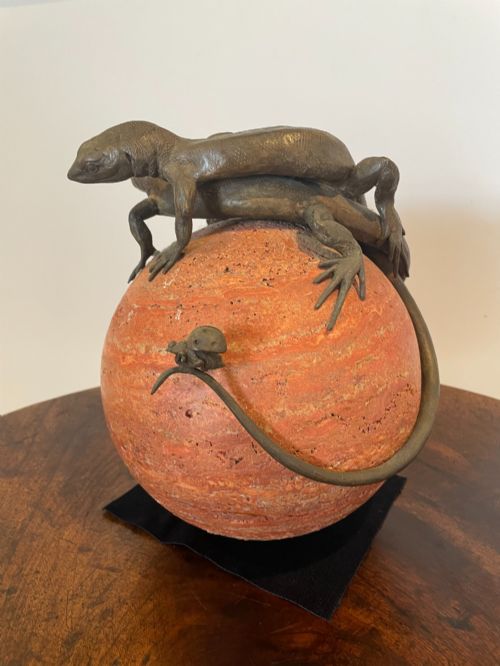
Forms extend beyond traditional glass spheres to include bronze animal studies, marble obelisks, and re-purposed car mascots. Most items originate from the nineteenth and early twentieth centuries, covering periods like the Edwardian era and Art Deco movement.
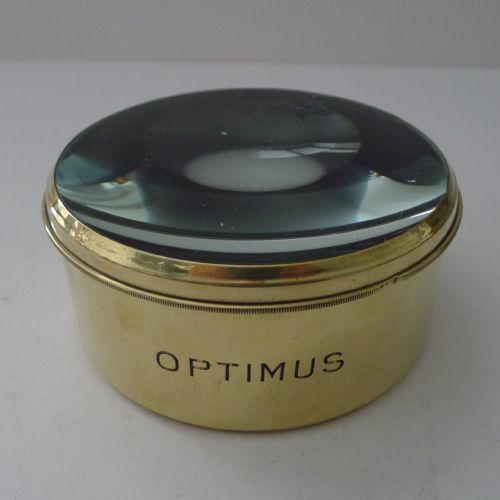
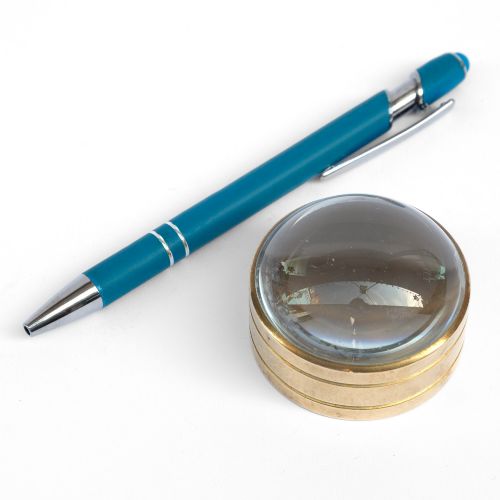
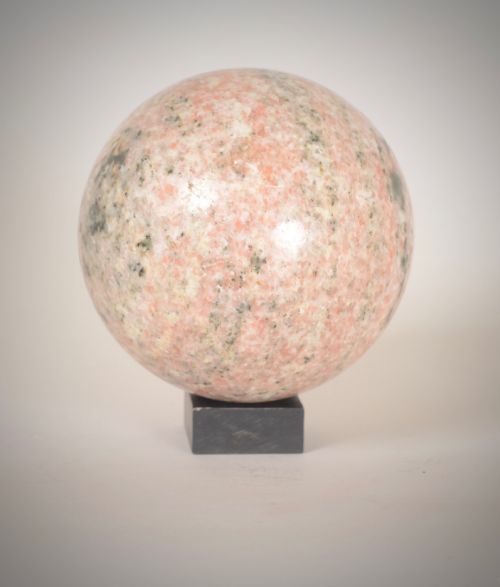
Desk accessories of this scale frequently overlap with animalier sculptures, desk magnifiers, and miniature bronze figures. Buyers encounter heavy stone spheres alongside glass works containing bubbles or coloured canes.
Materials and construction
Bronze forms rely on casting techniques, frequently finished with cold painted polychrome details or mounted onto marble and onyx bases. Glass pieces utilise molten manipulation, capturing air bubbles, coloured threads, or millefiori patterns within solid masses.
Stones such as granite, serpentine marble, and onyx are cut and polished into geometric or spherical shapes for heavy desk use. Secondary metals like sterling silver and brass appear as mounts, frames, or standalone desk ornaments.
Vintage Paperweight Retail Price Guide 2026
Typical asking prices for vintage paperweight among the pieces listed under this phrase on Sellingantiques today, from the lower quarter to the upper quarter. They describe what is for sale here now, not the wider market.
Several bronze animals manage to hold down important correspondence while looking thoroughly unimpressed by the task.
Assessing quality in desk weights
Quality rests in the precision of the casting and the crispness of hand-painted polychrome surfaces on metal figures. Wear to cold painted finishes alters the visual strength of small bronzes.
Glass examples depend on clarity, internal design complexity, and the absence of heavy surface scratching. The weight and stability of the material relative to its size dictate its effectiveness on the desk.
Carl Kauba·Rene Lalique·Dora Heber·Franz Bergman·Liberty & Co.
The Vintage Paperweight Glossary
- Cold painted bronze
- A method where bronze sculptures are painted with cold oil paints rather than fired in a kiln. This finish is susceptible to flaking over decades of handling.
- Millefiori
- A glasswork technique translating to a thousand flowers, formed by bundling coloured glass canes and slicing them crosswise. These sections are suspended within clear glass.
- Car mascot
- A sculptural ornament mounted on the radiator caps of automobiles during the early twentieth century. Many enduring examples were later repurposed as desk weights.
- Vienna bronze
- Small, highly detailed bronze figures produced in Austrian workshops during the late nineteenth and early twentieth centuries. They frequently depict animals, human figures, or humorous scenes.
- Glass dump
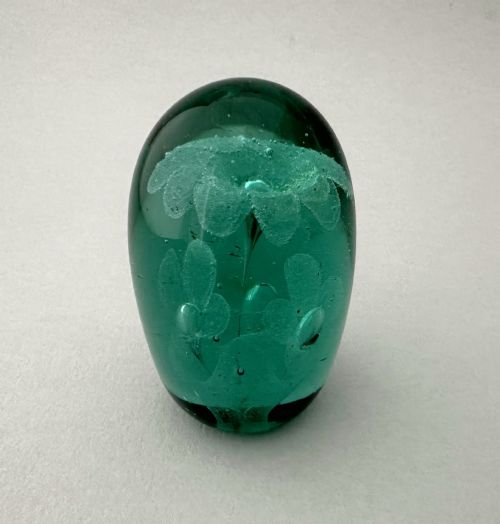
- A heavy glass object created by glassblowers at the end of a shift using leftover molten metal. They often contain internal air bubbles or simple floral patterns.
Vintage Paperweight: Frequently Asked Questions
What is the difference between a glass dump and a paperweight?
A glass dump typically refers to utilitarian, heavy pieces made from leftover factory glass at the end of the working day. They often feature large trapped air bubbles and simpler internal designs.
Papers weights made in specialised glasshouses involve deliberate artistry, such as layered millefiori canes or controlled lampwork figures. Both serve the same desktop purpose but differ in manufacturing intent.
Can car mascots be used on desks?
Many glass and bronze car mascots were manufactured with threaded bases for automobile fittings. When removed from vehicles, they function naturally as desktop sculptures and paperweights.
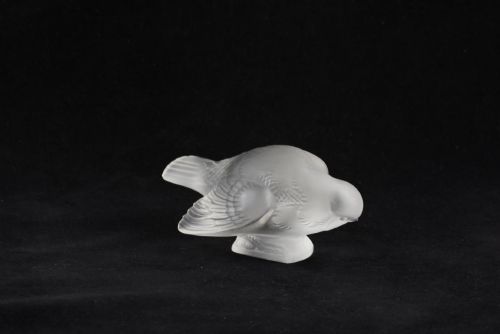
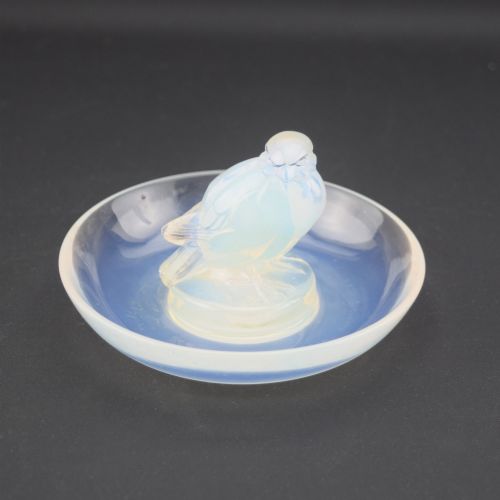
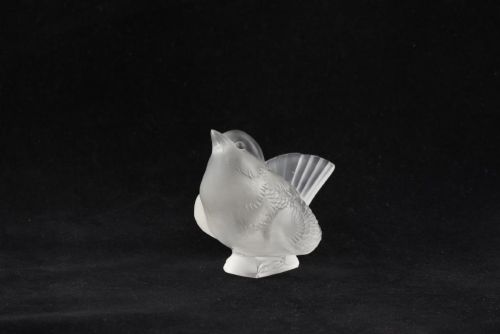
Displaying them on a desk allows closer inspection of the moulded detail and opalescent glass qualities. Collectors often secure them to small custom stands or rest them directly on felt.
How do I date a cold painted bronze?
Dating relies on stylistic cues from the Art Nouveau and Art Deco periods, alongside foundry marks or artist signatures stamped into the metal. The palette of the cold paint can also indicate turn of the century production.
Examining the underside for wear, casting seams, and the type of mounting screw provides further context. Comparing the subject matter to known catalogue entries helps narrow the decade.