


Vintage Painting Artwork
These vintage painting artwork pieces range from delicate watercolours to grand oils, offering authentic period character for walls that need a focal point.
Vintage Painting Artwork
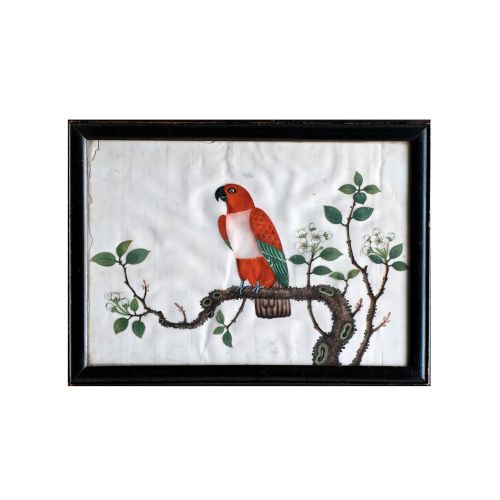
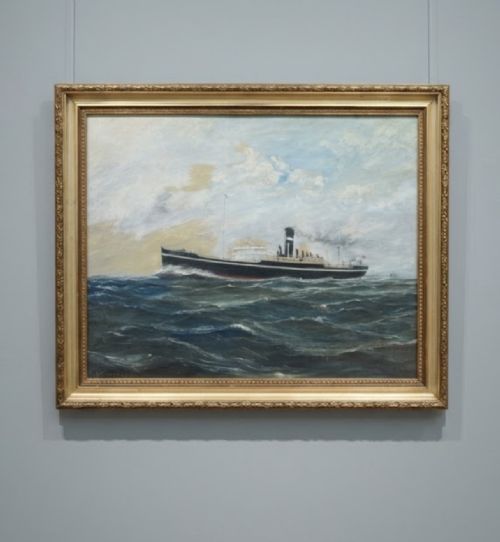
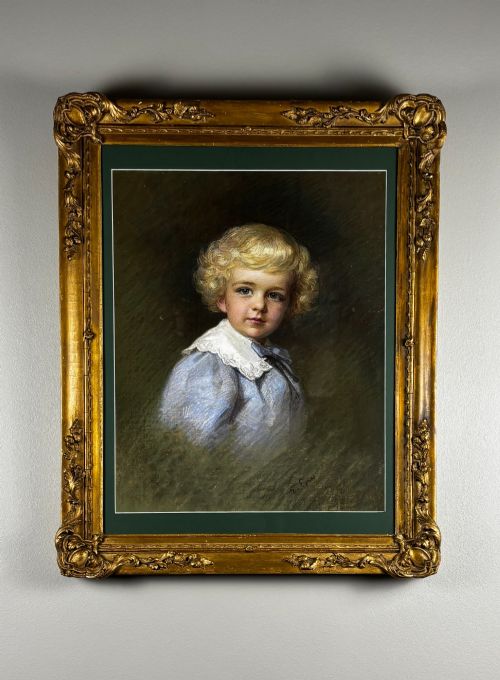
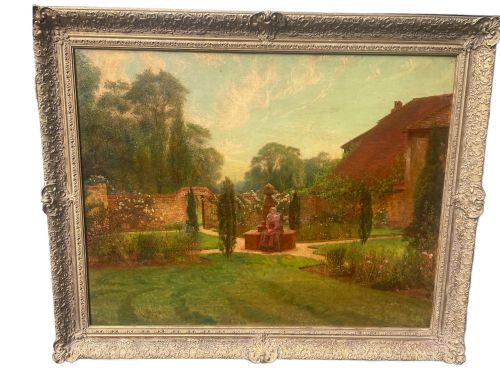
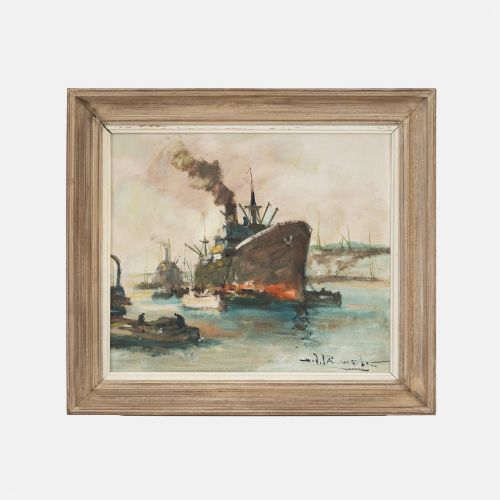
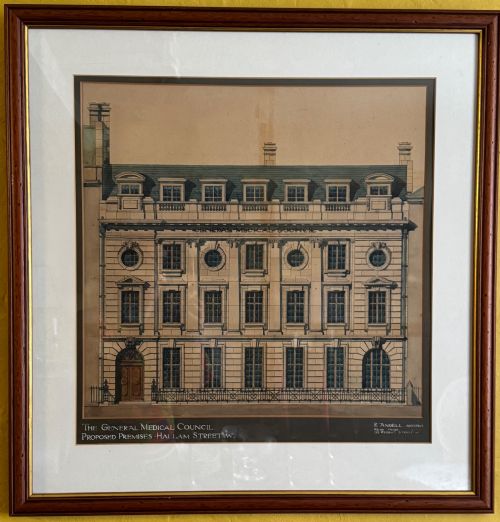
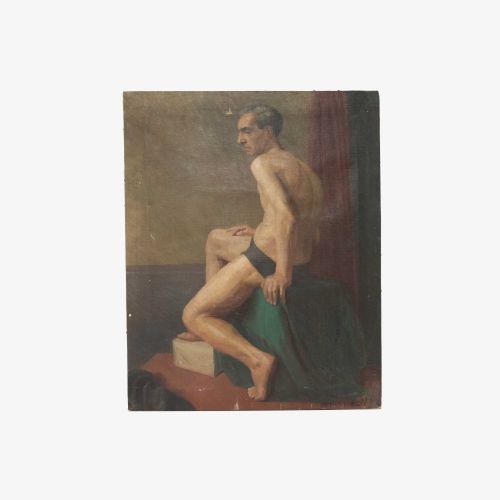
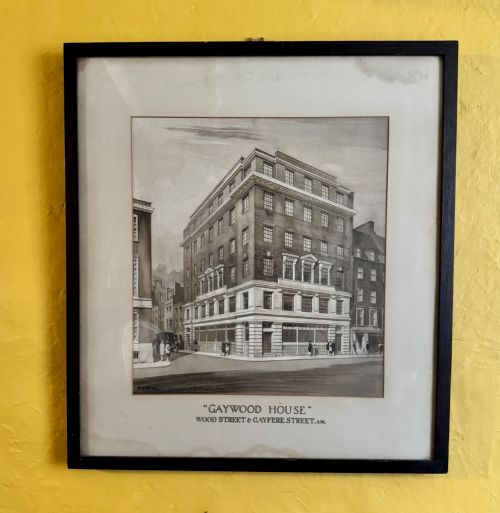
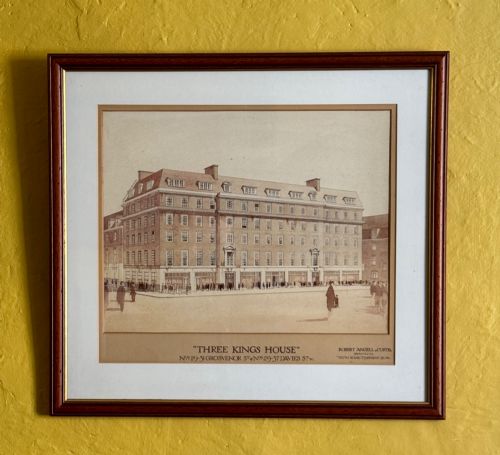
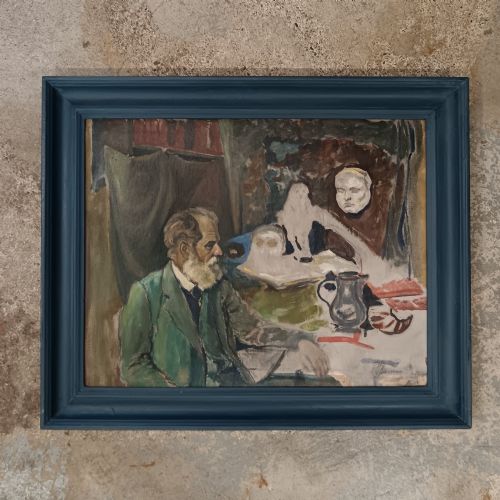
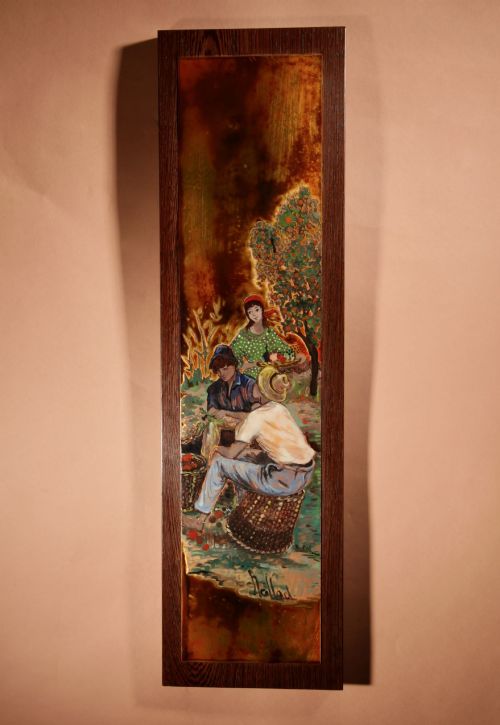
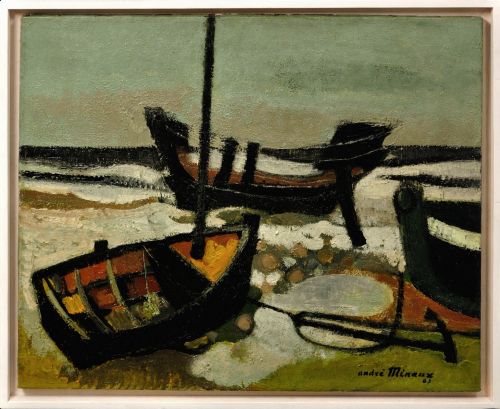
When searching for vintage painting artwork, collectors encounter a diverse selection spanning the nineteenth century through the mid twentieth century. These works capture domestic scenes, rural landscapes, maritime views, and intimate portraits executed across various traditional mediums.
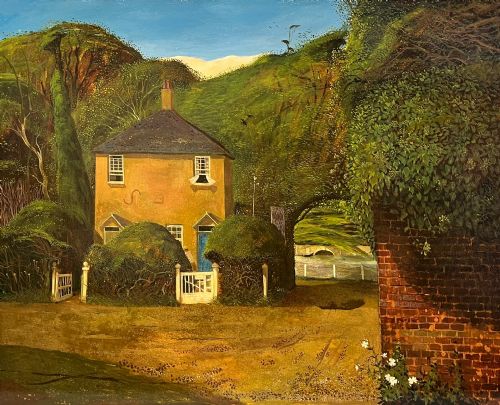
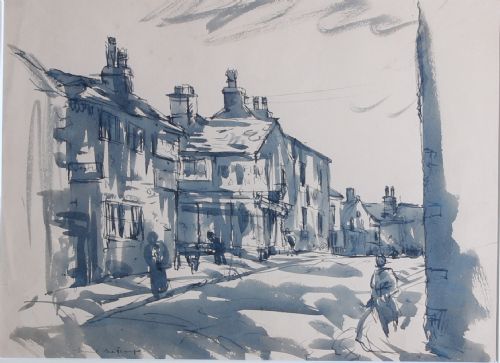
The most common examples on this page date from the nineteen-sixties, featuring mid-century British landscapes and continental winter scenes in oil or pastel. Alongside these, buyers find earlier Victorian sporting oils, Edwardian village gatherings, and delicate watercolours on paper.
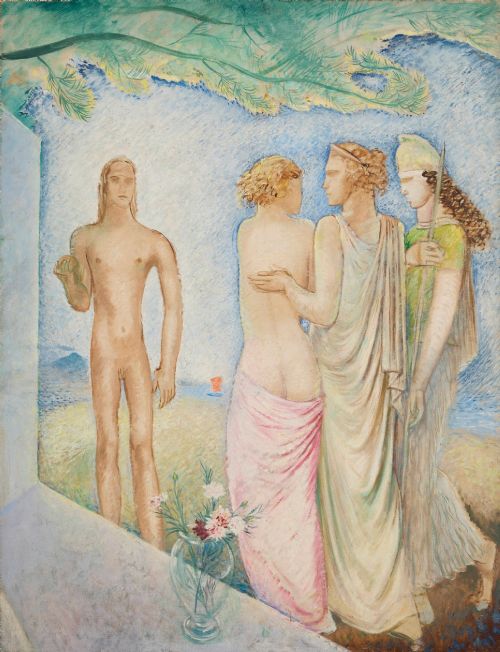
Works originate from British studios, Dutch schools, and French ateliers, presenting subjects from quiet pastoral valleys to lively coastal harbours. Each piece reflects the aesthetic concerns of its specific period, whether the academic precision of earlier epochs or the looser brushwork of the twentieth century.
How They Were Made
Artists relied primarily on oil paint applied to stretched canvas or wooden board, building rich textures and deep colour tones. Watercolours and pastels on paper offered a lighter, more immediate medium favoured for studies and coastal sketches.
Framing played an integral role in presentation, utilising deep giltwood and gesso frames carved with fluted hollows to complement the artwork. Glass protected delicate works on paper, while oil paintings remained exposed to allow the canvas to breathe.
Vintage Painting Artwork Retail Price Guide 2026
Typical asking prices for vintage painting artwork among the pieces listed under this phrase on Sellingantiques today, from the lower quarter to the upper quarter. They describe what is for sale here now, not the wider market.
Listings feature works executed in oil, watercolour, pastel, and gouache across wood, canvas, and paper supports.
What Varies in Quality
The distinction between average and exceptional pieces rests upon the surety of the hand and the handling of light and atmosphere. Stronger works demonstrate confident brushwork or precise pastel strokes that bring depth to a landscape or vitality to a portrait.
Condition and originality heavily influence the standing of a piece, particularly the preservation of the original paint surface and the historical integrity of the accompanying gilt frame. Works retained within their initial studio portfolios often exhibit superior preservation compared to those subjected to repeated reframing.
Angus Rands·Philip Naviasky·Herbert Royle·Fred Yates·Lionel Ellis
The Vintage Painting Artwork Glossary
- Gouache
- An opaque water-based paint that produces a heavier, more solid colour effect than traditional watercolour. It is frequently combined with pastel in works on paper.
- Gesso
- A plaster-like mixture applied to wooden frame mouldings to create a smooth surface for gilding. It allows for crisp carved details.
- Provenance
- The documented history of ownership surrounding an artwork. It establishes authenticity and traces the journey of a piece from the artist's studio.
- Pastel
- A medium composed of powdered pigment and a binder, shaped into dry sticks. It creates velvety textures rich in saturated colour.
- Impressionism
- A style characterised by relatively small, thin yet visible brush strokes and an emphasis on accurate depiction of light. British variations appear strongly in twentieth-century landscapes.
Vintage Painting Artwork: Frequently Asked Questions
Are these paintings supplied with frames?
Many pieces retain their original period giltwood or wood frames as noted in the individual descriptions.
Some works on paper are glazed and framed under glass for protection against environmental moisture.
How do I identify the date of a painting?
Dating relies on stylistic evidence, artist signatures, framing techniques, and the physical composition of the canvas or paper backing.
Period labels or studio stamps on the reverse often provide additional confirmation of the era.
Where should I hang a watercolour?
Watercolours and pastels require placement away from direct sunlight to prevent fading of the delicate pigments on paper.
Stable indoor humidity levels also protect the paper substrate and the integrity of the surrounding mount.