






Vintage Painted Vessels
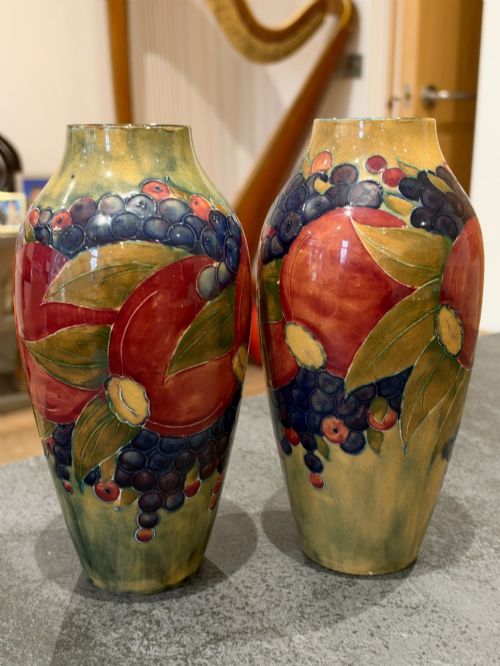
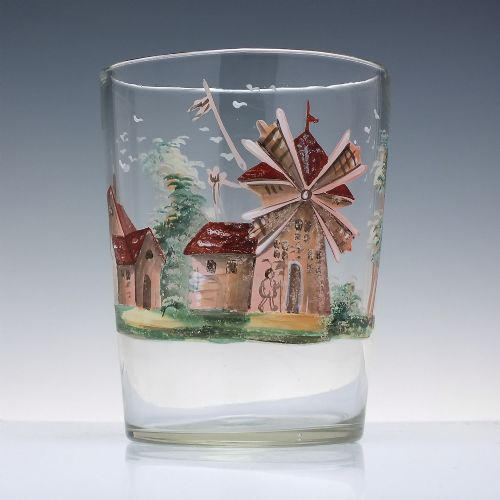
These vintage painted vessels encompass hand-decorated ceramics, glass, and wood pieces spanning several centuries.
Vintage Painted Vessels
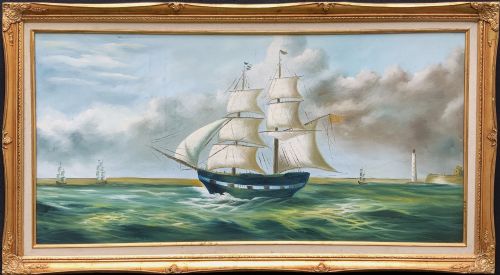
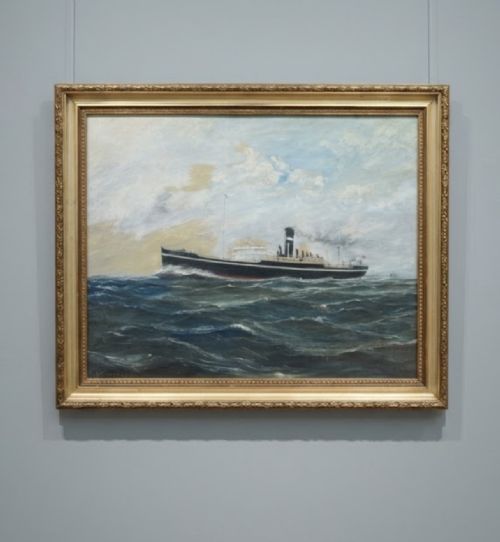
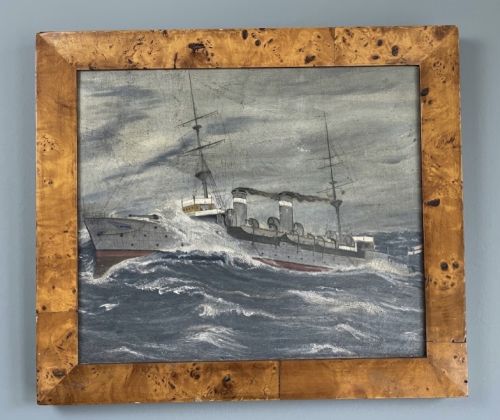
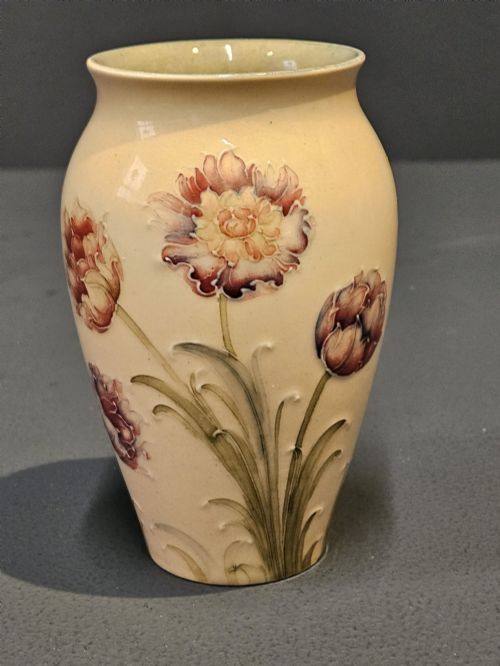
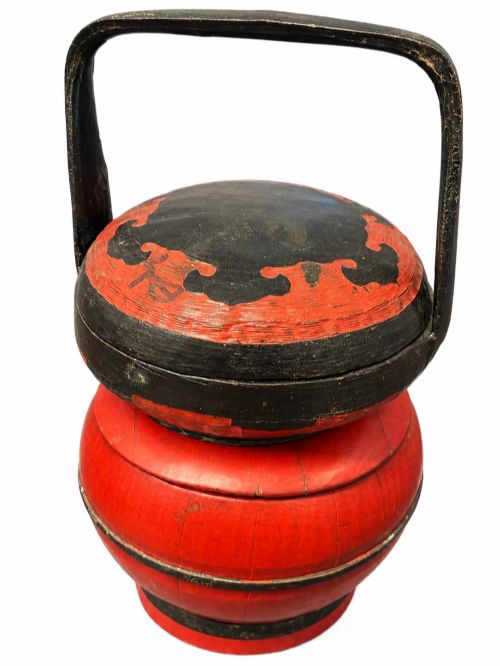
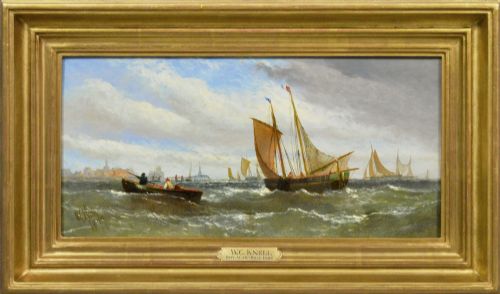
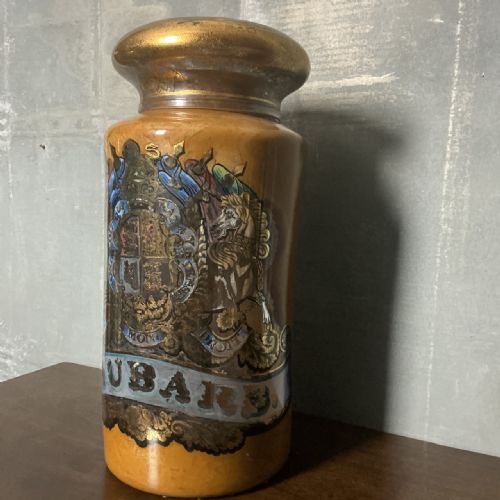
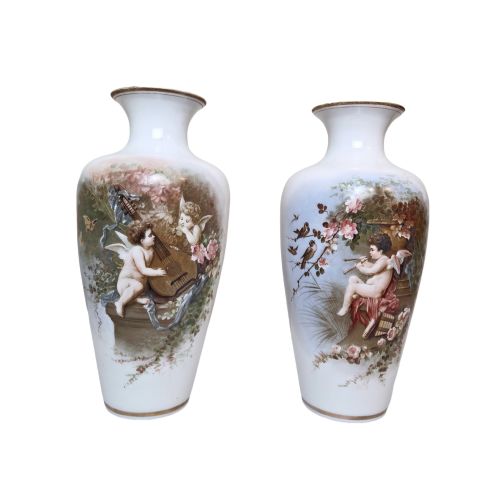
You also find specialised items like apothecary jars, pharmacy jugs, and lacquer rice baskets alongside framed watercolours and oil paintings depicting ships. Ceramic forms such as ginger jars, loving cups, and baluster vases dominate the inventory across various periods.
Origins stretch from English and European potteries to Japanese Imari and Satsuma workshops. Pieces date predominantly from the 19th and early 20th centuries, with select examples from the 17th, 18th, and mid-20th centuries.
How they were made
Maker utilise traditional ceramic bodies including porcelain, earthenware, and faience, shaping them on the wheel or in moulds before applying glazes. Decoration relies on oil paint, enamel, and polychrome pigments applied directly to the surface, sometimes enhanced with lacquer or hand-blown glass techniques.
For wooden forms and canvas works, artisans employ carved panels, oil paint, watercolour, and gouache. Surface finishes often involve detailed brushwork depicting figures, landscapes, and maritime scenes.
Vintage Painted Vessels Retail Price Guide 2026
Typical asking prices for vintage painted vessels among the pieces listed under this phrase on Sellingantiques today, from the lower quarter to the upper quarter. They describe what is for sale here now, not the wider market.
Materials span porcelain, earthenware, glass, enamel, wood, paper, and oil paint across 18th, 19th, and 20th century pieces.
What varies in quality
Quality rests in the precision and complexity of the hand-painted decoration, where controlled brushwork and rich polychrome palettes distinguish finer examples. The crispness of moulded details on ceramics and the fidelity of maritime scenes on board or canvas set superior works apart.
The reputation of the maker or studio, combined with the preservation of original enamel, glaze, and paint layers, determines the standing of each piece within its period.
William Calcott Knell·Hans Harlander·Reginald Arthur Borstel·Eric Tufnell·Frank Watson Wood·Bernard Gribble·Bernard Benedict Hemy·Lai Fong·Alice Euphemia Thatcher·Alexander Harwood·Moorcroft·Wemyss·H R Daniel
The Vintage Painted Vessels Glossary
- Tole peinte
- Painted sheet metal, often associated with decorative urns and vessels from French traditions.
- Baluster
- A vase or vessel form characterised by a bulbous lower portion tapering to a narrower neck.
- Imari
- A style of Japanese porcelain decorated in underglaze blue and overglaze red, gold, and other colours.
- Faience
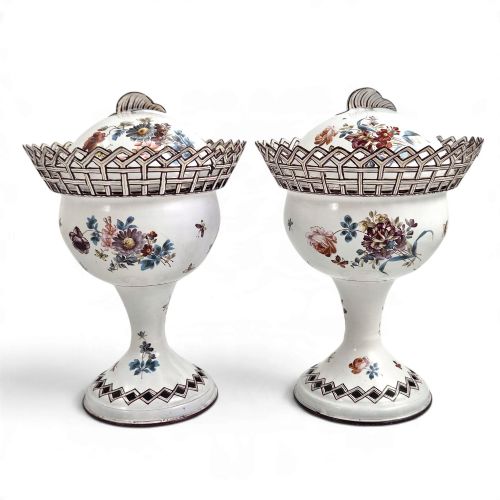
- Tin-glazed earthenware produced in Europe, mirroring the aesthetic of fine Chinese porcelain.
- Apothecary jar
- A large vessel historically utilised by chemists to store medicines, herbs, or ointments.
Vintage Painted Vessels: Frequently Asked Questions
What periods do these painted vessels cover?
The selections span from the 17th century through the Victorian, Edwardian, and Art Deco eras up to the mid-20th century. Most items originate from the 19th and early 20th centuries.
Specific pieces carry stylistic markers tied to periods like the Georgian era, Showa period, or Chinese Republican era.
How were these painted vessels used originally?
Ceramic vessels served as display items, storage containers for dry goods or medicines, and functional tableware like loving cups and sauceboats.
Flat art and painted wood models recorded maritime history, naval battles, and commercial shipping vessels of their day.
How do I identify Japanese Imari ware?
Japanese Imari pieces typically feature a distinctive palette of underglaze cobalt blue combined with iron red, accented by gilt highlights. The porcelain body supports intricate floral, panel, or geometric motifs characteristic of export wares.
Many examples date from the late 19th century or early 20th century traditions.
How should I display vintage painted vessels at home?
Ceramic ginger jars and vases suit tabletops, mantelpieces, or enclosed shelving where their hand-painted surfaces catch ambient light. Ensure wooden and paper-based items avoid direct sunlight to preserve the integrity of the oil paint and watercolours.
Paired objects, such as chestnut urns or rice baskets, look balanced when arranged symmetrically.