




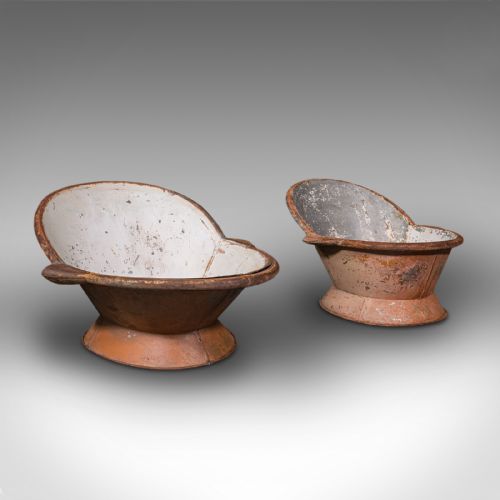


Vintage Painted Tin Vessel
A vintage painted tin vessel brings rustic colour and enduring utility into a room, offering tactile charm for the modern interior.

Vintage Painted Tin Vessel
When buyers search for a vintage painted tin vessel, they encounter utilitarian containers shaped by 19th-century and 1900s craftsmanship, often taking the form of hot water cans or hip baths. These items bridge practical domestic use and decorative display, reflecting the everyday domestic routines of past centuries.
The versions most frequently met on this page lean towards sturdy tôleware and tinplate, demonstrating how simple metalwork gained aesthetic appeal through applied surface decoration. Such pieces complement traditional country house aesthetics as well as eclectic modern spaces.
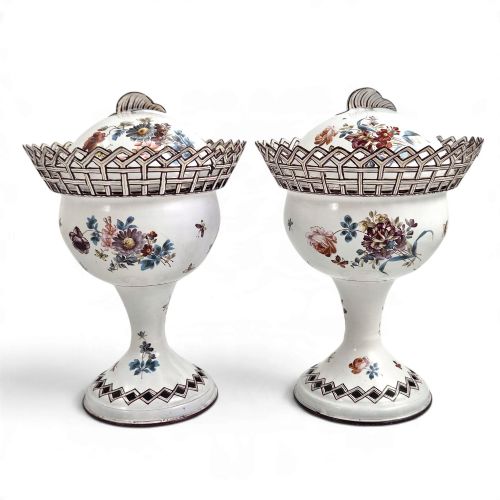
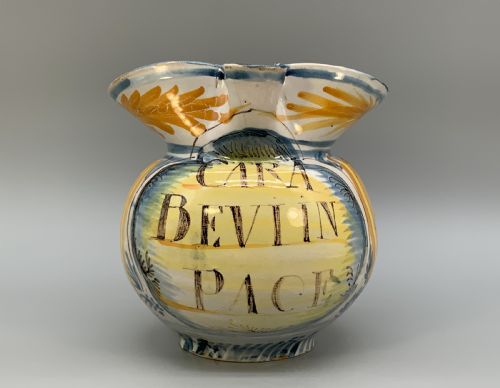
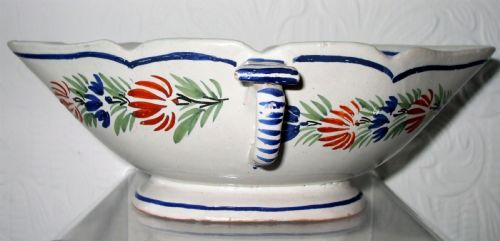
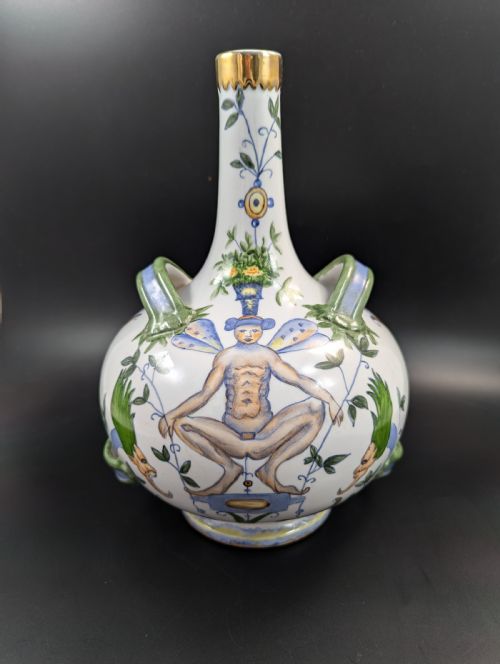
While the literal search brings up tin and tôleware, the broader material record shows a strong presence of tin-glazed earthenware and faience sharing similar decorative functions. Buyers appreciate this overlap because these ceramic and metal pieces served parallel roles in historic interiors.
How they were made
Makers formed these items from tinplate or sheet metal, shaping rigid materials into functional domestic vessels like cans and baths. Surface paint was then applied directly to the metal ground to provide both colour and a degree of protection.
The manufacturing process prioritised practical durability alongside visual charm, ensuring each container could withstand daily handling. Artisans relied on straightforward metalworking techniques before finishing the surfaces with hand-applied pigments.
Vintage Painted Tin Vessel Retail Price Guide 2026
Typical asking prices for vintage painted tin vessel among the pieces listed under this phrase on Sellingantiques today, from the lower quarter to the upper quarter. They describe what is for sale here now, not the wider market.
Listings on this site feature tinplate, tin-glazed earthenware, and ceramic across the 19th century and 1900.
What varies in quality
The distinction between standard examples and superior pieces rests largely on the preservation and execution of the surface paint. Crisp brushwork and well-maintained pigments elevate a piece above simpler, heavily worn alternatives.
Structural integrity also plays a defining role in overall quality, separating items that retain their original form from those showing heavy distortion. Well-preserved handles, spouts, and seams indicate superior initial construction and careful subsequent handling.
The Vintage Painted Tin Vessel Glossary
- Tôleware
- Lacquered and painted metalware, usually tinplate, developed to mimic more expensive Asian lacquer objects. It became popular in domestic settings for items like hot water cans and trays.
- Tinplate
- Thin sheet iron or steel coated with tin to prevent rusting. This material formed the structural base for many painted household vessels.
- Faience
- Tin-glazed earthenware produced in various European traditions, sharing stylistic traits with painted tin vessels. The opaque white glaze provided a smooth ground for colourful pigments.
- Albarello
- A type of majolica jar originally used by apothecaries to hold ointments and dry drugs. These vessels often feature distinctive waisted bodies for ease of handling.
Vintage Painted Tin Vessel: Frequently Asked Questions
What is a vintage painted tin vessel?
A vintage painted tin vessel is a utilitarian metal container decorated with applied pigments, dating primarily from the 19th century and 1900. These items include practical household objects like hot water cans and larger baths.
They combine robust metal construction with decorative painted surfaces, offering a distinct visual appeal for collectors and interior decorators alike.
How were these vessels used historically?
These items served practical domestic functions, from carrying hot water around large homes to functioning as portable bathing receptacles. Their durable metal construction made them ideal for demanding daily chores.
Over time, many of these utilitarian objects transitioned into decorative roles, prized for their rustic surfaces and historical character.
How do I care for painted tin?
Caring for painted metal requires keeping the pieces away from excessive moisture and direct humidity to protect the underlying metal and surface pigments. Gentle dusting with a dry cloth is usually sufficient for routine maintenance.
Avoid using harsh chemical cleaners or abrasive pads, as these can strip or scratch the historic paint layers.
Are these vessels waterproof?
While originally designed to hold liquids such as water, older metal vessels may develop microscopic fractures or corrosion over the decades. It is wise to test them carefully before using them to hold water again.
Many collectors prefer to utilise them dry as planters, umbrella stands, or purely decorative display pieces.