

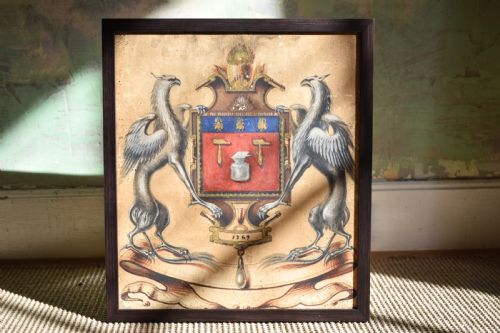
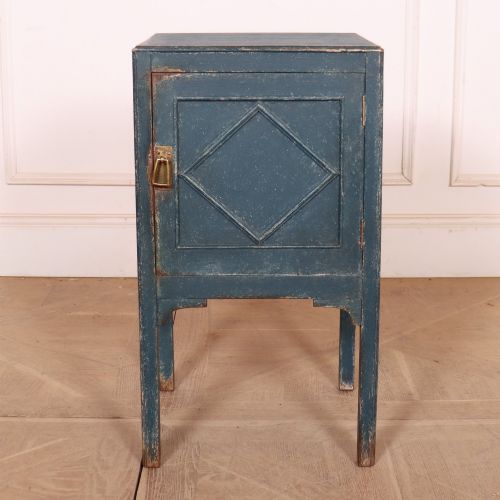
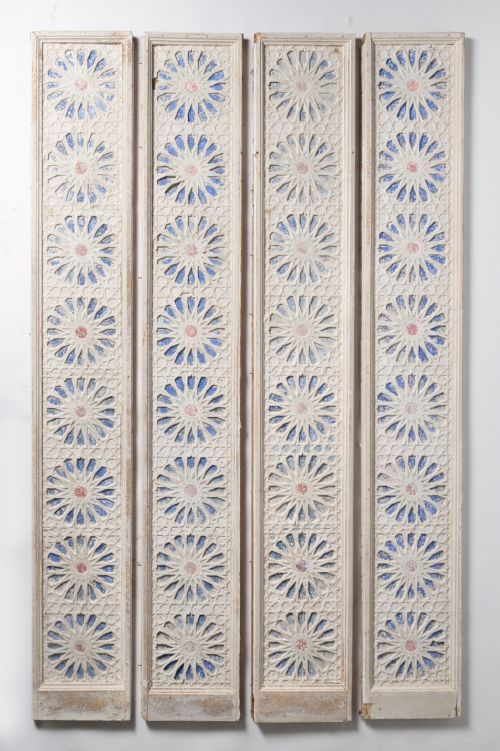

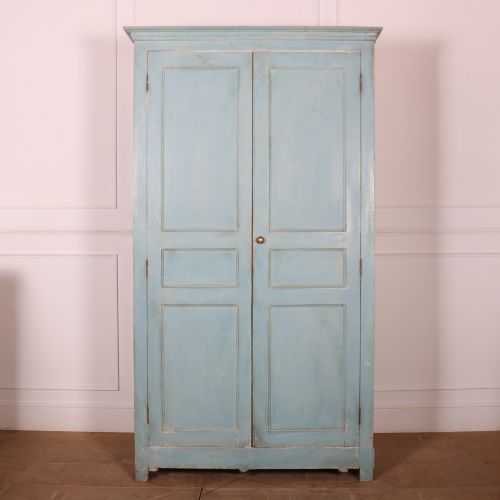
Vintage Painted Panel
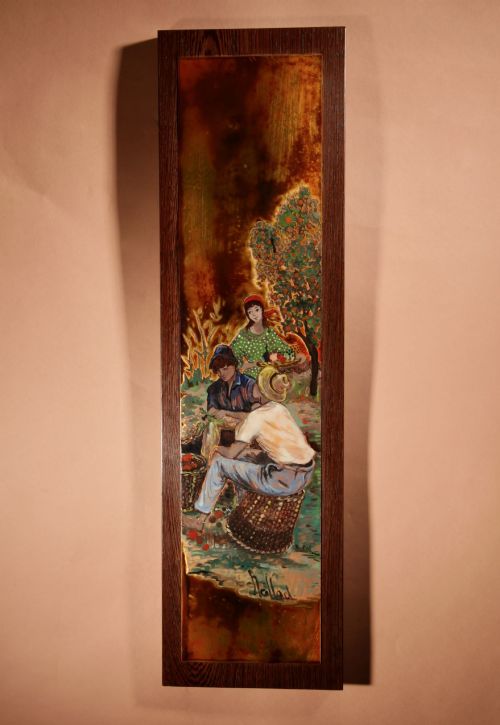
When you want a vintage painted panel, you are selecting a piece of art or furniture where colour meets wood.
Vintage Painted Panel
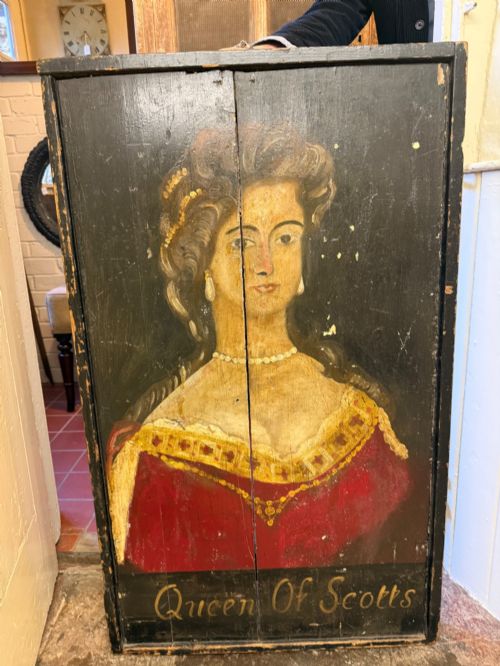
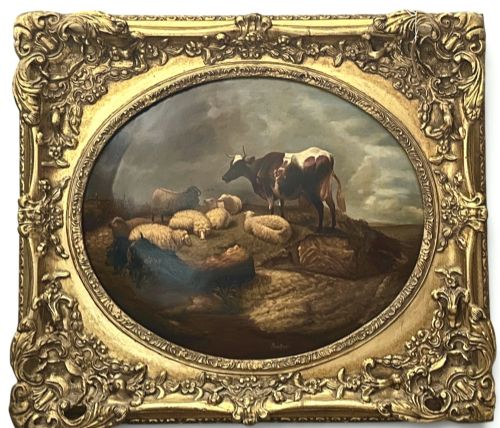
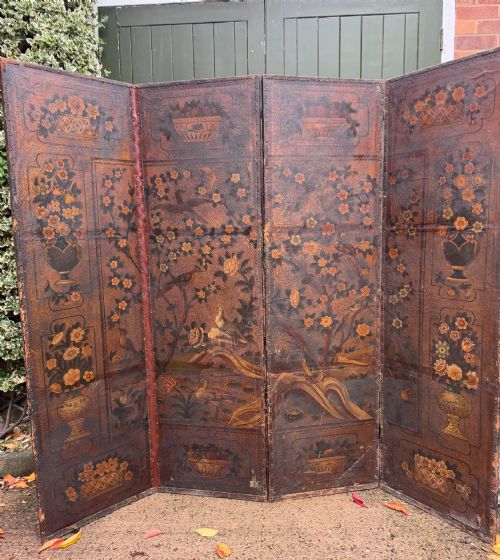
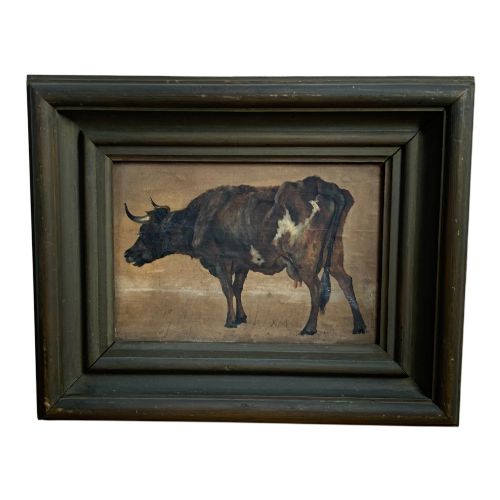
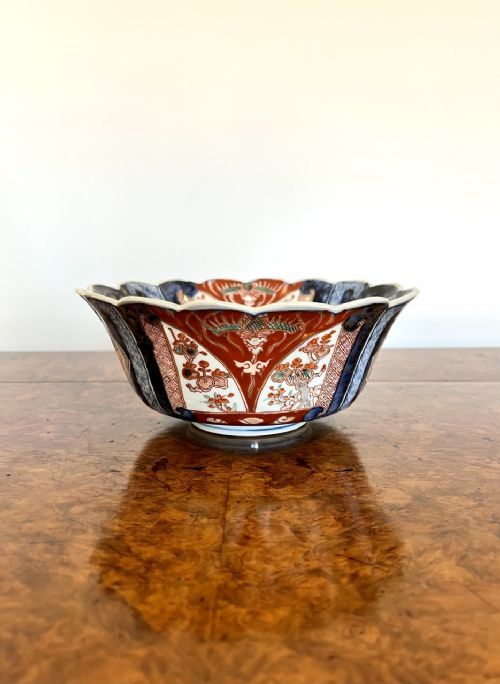
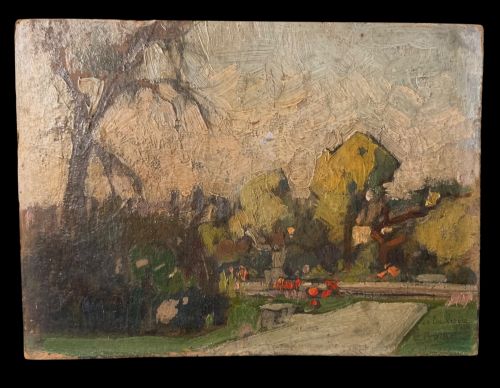
A vintage painted panel brings together flat wooden supports and decorative pigments across various centuries. Buyers looking for this search phrase frequently encounter folding room dividers, wall art, and oil paintings on board originating from diverse European traditions.
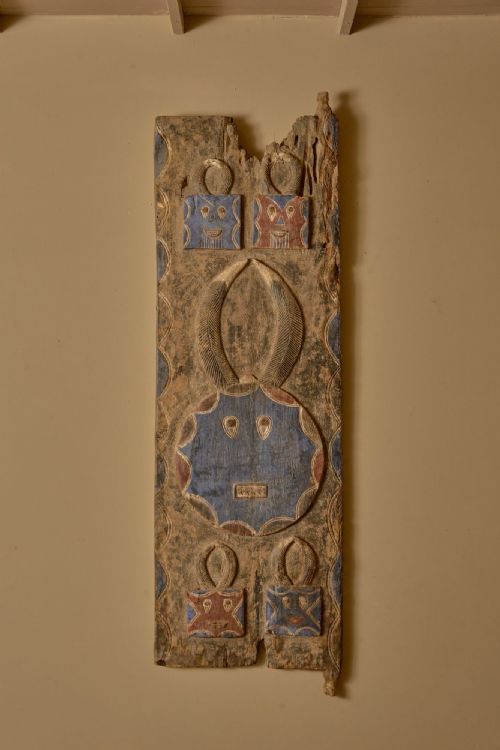
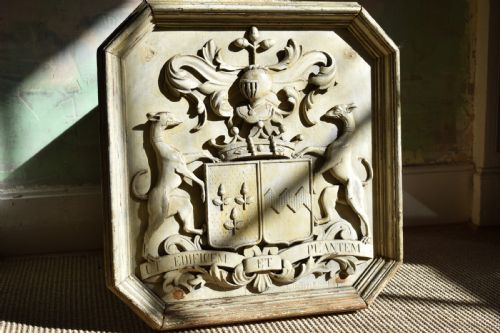
The selections span from eighteenth-century wooden carvings and Delft tiles to mid-century modern textile art and post-impressionist boards. Many items display traditional scenes, landscapes, or floral motifs rendered directly onto timber.
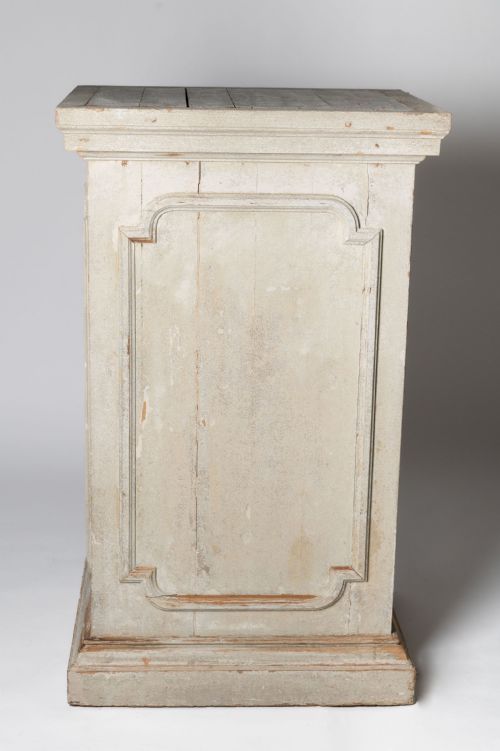
Furniture items such as wardrobes, shop counters, and dressing screens also feature prominently in this category. These practical pieces incorporate decorative paintwork, ranging from scumble faux oak finishes to elaborate French provincial scenes.
Materials and Techniques
Makers utilised solid wood panels, oak boards, and pine as the primary foundations for these artworks and furnishings. Artists and artisans applied oil paint, tempera, and gold leaf directly onto the prepared wooden surfaces.
Techniques varied from traditional oil painting on board and copper enamel to specialised decorative paint effects like scumble glazes. Carved wooden reliefs and fabric elements such as batik textiles also appear among the construction methods.
Vintage Painted Panel Retail Price Guide 2026
Typical asking prices for vintage painted panel among the pieces listed under this phrase on Sellingantiques today, from the lower quarter to the upper quarter. They describe what is for sale here now, not the wider market.
A charming Swedish bird box brings unexpected folk art character directly to the wooden panel category.
Assessing Quality
Quality rests upon the skill of the brushwork and the preservation of the original pigment. Finer pieces demonstrate confident composition and deliberate handling of oil paint or tempera upon the wood.
The integrity of the wooden support and the authenticity of the surface finish dictate the standing of an item. Original decorative schemes that survive without heavy restoration hold greater artistic weight.
Eugene Bullio·Nella Damsma·Irene Christobelle Pownoll Williams·Tom Campbell·James Stroudley·Francisco Sancha·Paul Ehrenberg
The Vintage Painted Panel Glossary
- Oil on board
- A painting created using oil-based pigments upon a rigid wooden or composition board support rather than stretched canvas.
- Scumble paint
- A translucent layer of glaze brushed thinly over a lighter base colour to simulate the grain of woods like oak.
- Trumeau mirror
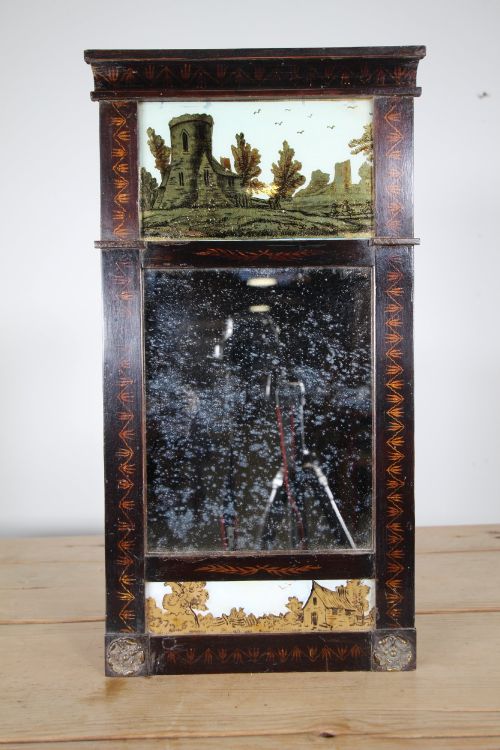
- An antique wall mirror paired with a decorative painted or carved panel positioned above the glass.
- Chinoiserie
- European artistic interpretations of Chinese and East Asian decorative styles, frequently applied to folding screens and furniture panels.
- Tempera
- A permanent, fast-drying painting medium consisting of coloured pigments mixed with a water-binder such as egg yolk.
Vintage Painted Panel: Frequently Asked Questions
What is a painted wooden panel?
A painted wooden panel is a rigid board of timber that serves as the base for an artwork or forms part of a decorated piece of furniture. These items range from standalone landscape paintings to sections of folding room dividers.
Craftsmen and artists utilised the flat wooden surface to apply oil paint, tempera, or decorative schemes. Such panels were produced across multiple centuries for both domestic display and architectural use.
How do I hang a heavy panel?
Hanging a heavy wooden panel requires locating secure wall studs or utilising appropriate masonry fixings matched to the weight of the timber. Professional picture wire or heavy-duty brackets attached to the back frame provide stability.
Consulting a professional framer ensures that the hanging hardware supports the specific dimensions without straining the original wood or painted surface.
Where were folding screens used?
Folding screens with painted panels served as versatile room dividers in nineteenth-century and early twentieth-century interiors. They created private zones within large reception rooms or blocked draughts near doorways.
Homeowners positioned these decorative dividers in parlours, bedrooms, and dressing areas where both utility and visual charm were desired.