



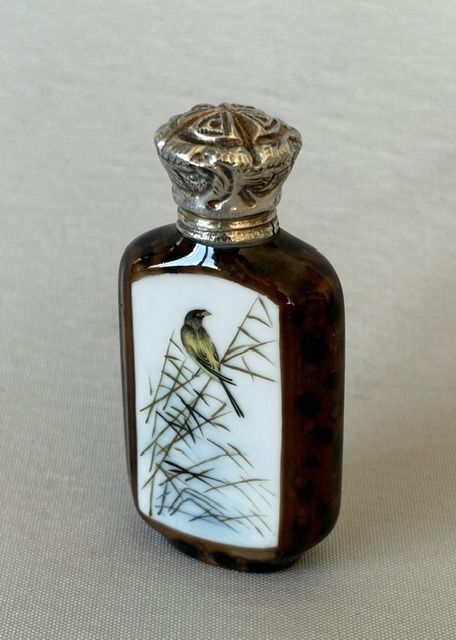
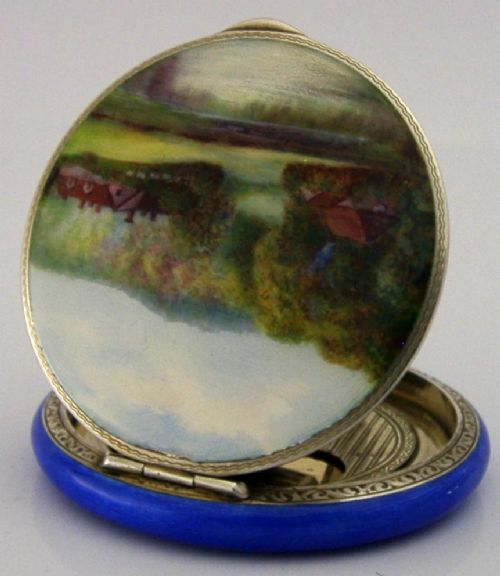
Vintage Painted Enamel
These vintage painted enamel pieces bring together delicate miniature work and metals, ranging from compacts to pocket watches.
Vintage Painted Enamel
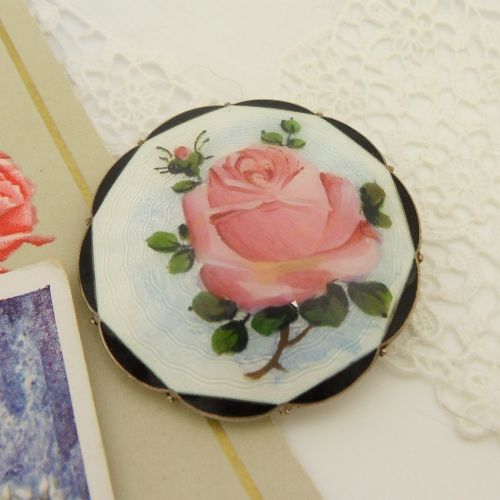
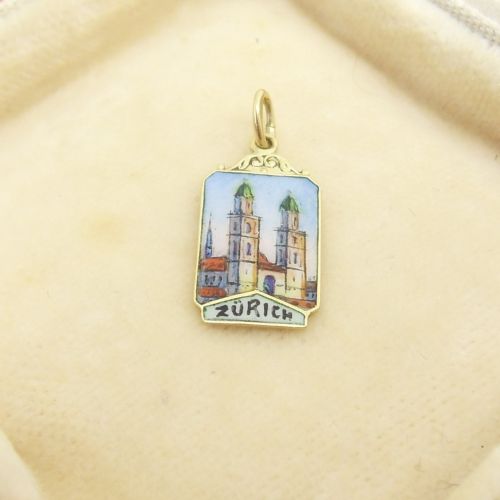
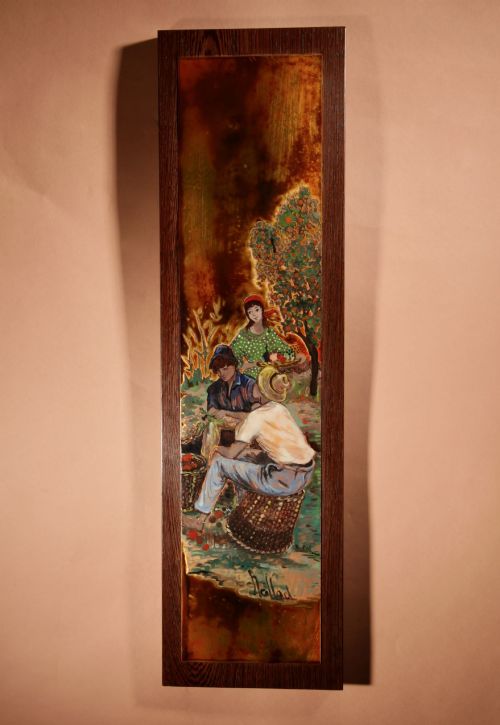
When you search for vintage painted enamel, you encounter a varied group of decorative items and accessories spanning multiple centuries and origins. The selection ranges from small personal items like pocket watches, compacts, and brooches to larger home decorative objects.
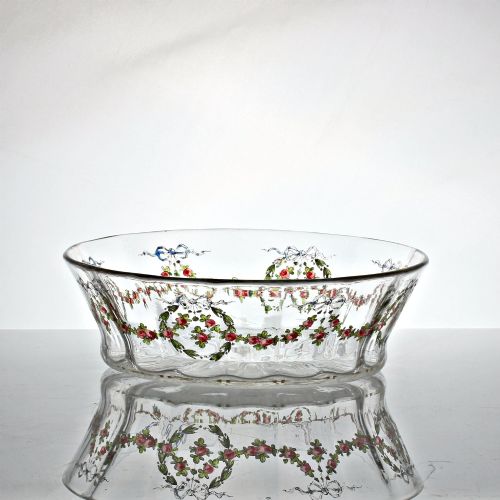
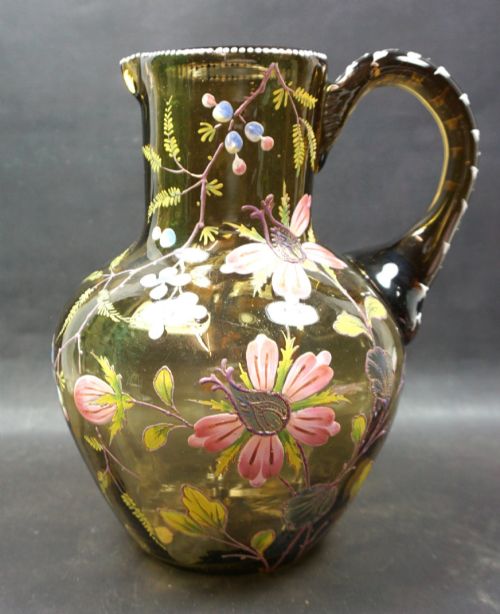
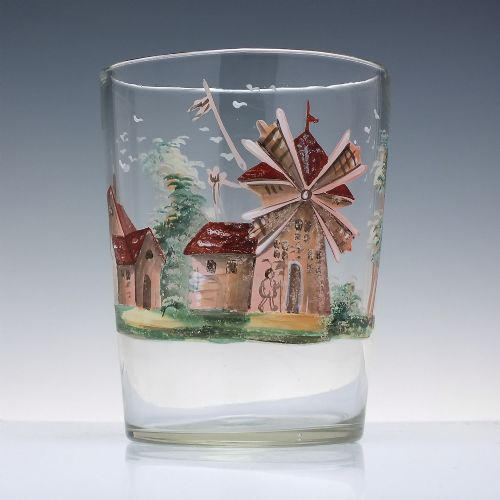
You are most likely to meet silver and glass pieces carrying floral or scenic painted enamel details from the Victorian, Edwardian, and Art Deco periods. These items reflect the domestic tastes of their respective eras, utilising enamelling on copper, sterling silver, and porcelain surfaces.
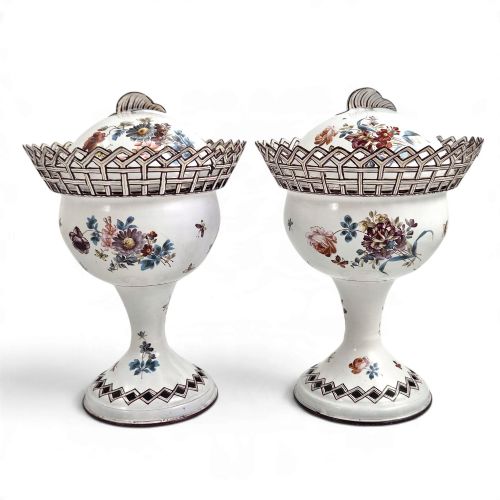
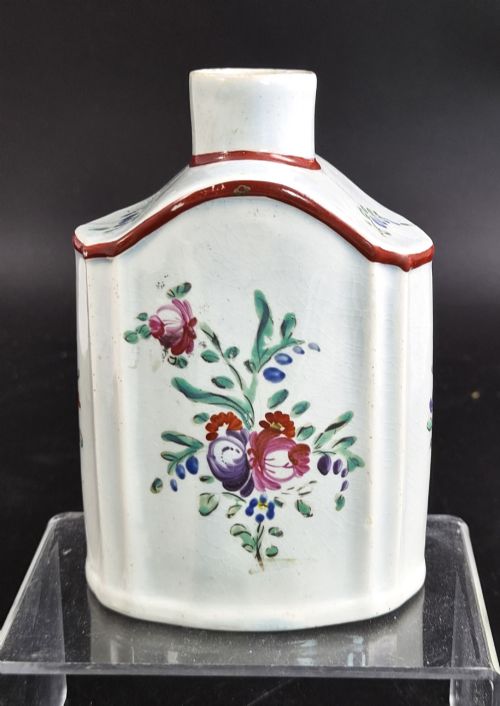
The assortment also encompasses Georgian and 18th-century boxes alongside later Scandinavian and Asian creations. Each form demonstrates how makers applied painted colour to hard surfaces for both utility and display.
Materials and construction methods
Makers fused powdered glass onto metal bases such as copper, brass, and sterling silver through kiln firing to create a durable, glossy surface. Artisans then hand-painted detailed floral, portrait, or scenic motifs directly onto this enamel layer.
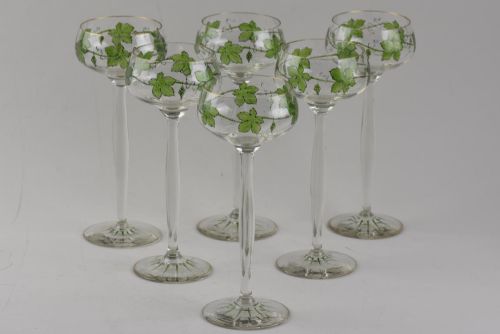
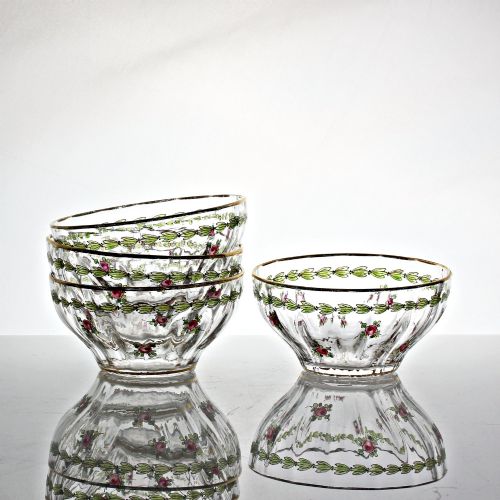
Alternatively, some pieces apply enamel decoration over glass vessels, ceramics, and porcelain panels. Metal mounts in silver and gold often frame these painted elements, securing them onto functional objects like scent bottles and vanity jars.
Vintage Painted Enamel Retail Price Guide 2026
Typical asking prices for vintage painted enamel among the pieces listed under this phrase on Sellingantiques today, from the lower quarter to the upper quarter. They describe what is for sale here now, not the wider market.
Listings incorporate items from the 18th century through to the mid-20th century, utilising silver, porcelain, glass, and copper.
Distinctions in quality and execution
The standard of a piece depends heavily on the precision of the miniature painting and the stability of the metalwork. Finer examples show meticulous brushwork in portraits and floral scenes without blurring or surface distortion.
The weight and purity of the housing metal, such as sterling silver or gold, combined with the uniformity of the enamel glaze, separate standard production items from masterwork creations.
Nella Damsma·Horace Hone·David Andersen·Minton
The Vintage Painted Enamel Glossary
- Enamel
- A glassy substance fused to metal, glass, or pottery by heat. It provides a smooth, coloured surface for hand-painted decoration.
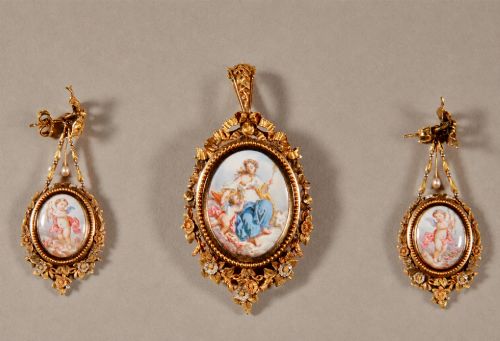
- Parure
- A set of matching jewellery worn together. These historical sets frequently incorporated painted porcelain or enamel miniatures.
- Tole peinte
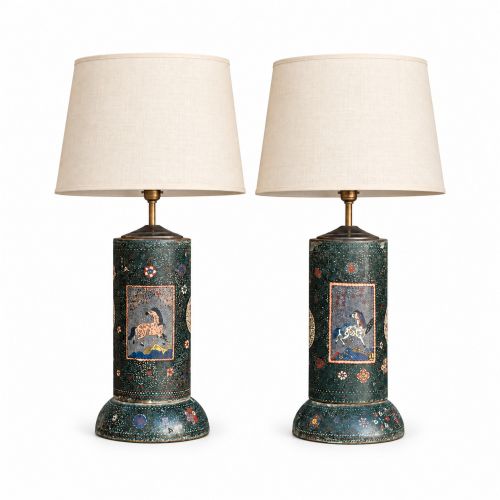
- Painted tinware or sheet metal decorated with designs. This technique appeared on decorative urns and household containers.
- Vesta case
- A small pocket box designed to hold matches. Many examples feature sterling silver construction paired with enamel painting.
- Lustre
- A type of ceramic or glass glaze that produces an iridescent metallic sheen. It reflects light across the surface of vases and bowls.
Vintage Painted Enamel: Frequently Asked Questions
What is vintage painted enamel?
Vintage painted enamel refers to objects featuring decorative glass fused to metal or pottery surfaces with hand-applied painted artwork. These items include vanity jars, compacts, and pocket watches.
Such objects highlight historical craft techniques across centuries, utilising materials like sterling silver, copper, and glass.
How were enamel compacts used?
Enamel compacts served as personal accessories for carrying pressed powder and checking appearance during the Edwardian and Art Deco periods. They were carried in handbags or displayed on dressing tables.
The hand-painted lids turned everyday items into miniature canvases for floral patterns and scenic views.
How do I date painted enamel items?
Dating relies on hallmarks stamped on metal mounts, the prevailing artistic style such as Art Nouveau or Georgian, and manufacturing techniques. Silver components often bear assay office marks and date letters.
Stylistic cues in the painted motifs, like specific floral arrangements or costume details in portraits, help narrow the era of origin.
How do I clean painted enamel?
Cleaning requires gentle care to protect the delicate hand-painted surface and any surrounding silver or gold mounts. Soft cloths remove dust without scratching the glass glaze.
Harsh chemical dips and abrasive cleaners must be avoided to prevent permanent damage to the enamel colours.