
Vintage Painted Drawers
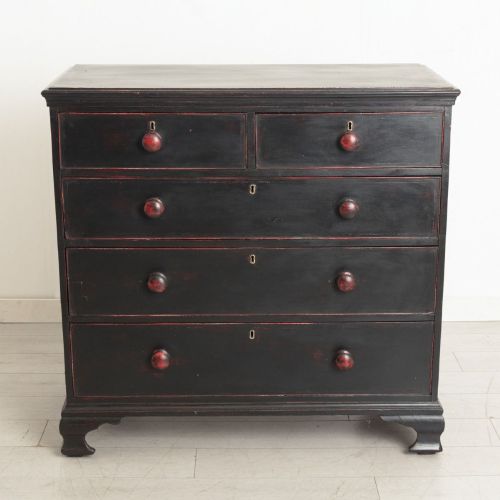
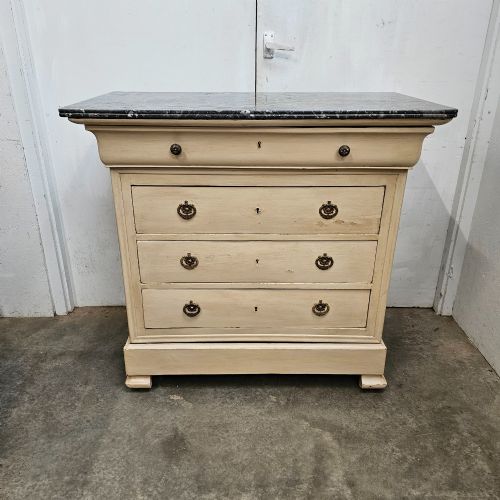
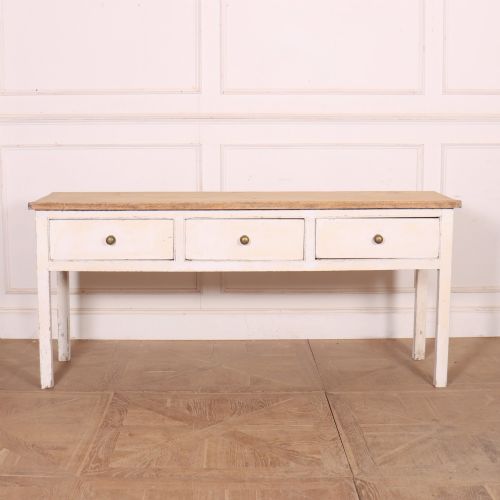
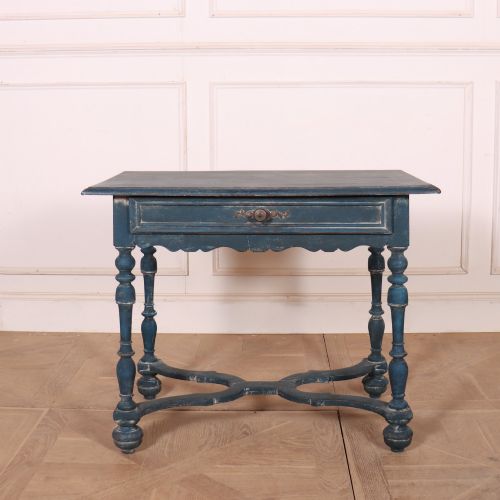
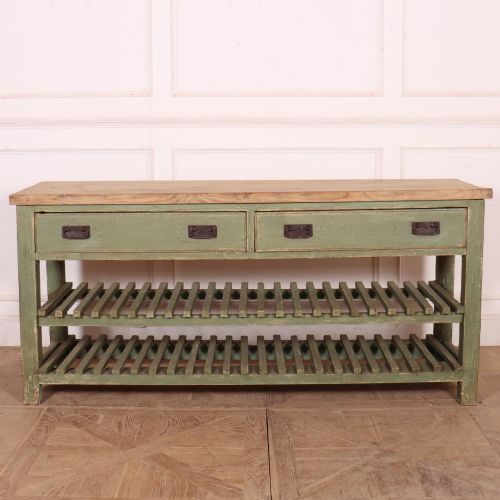
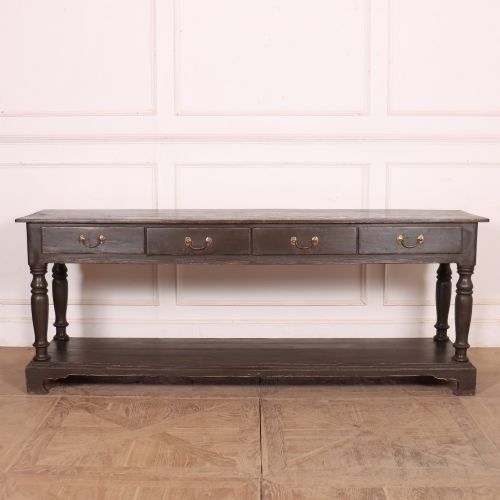
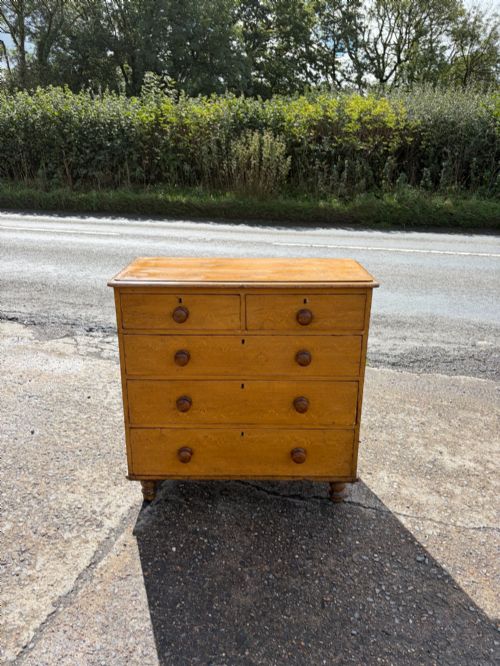
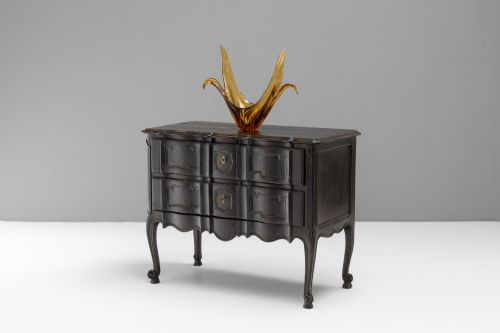
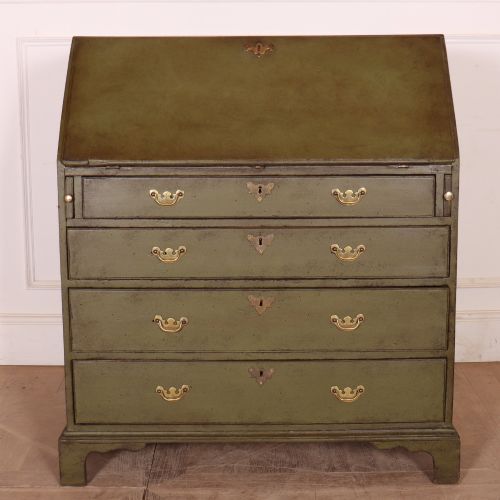
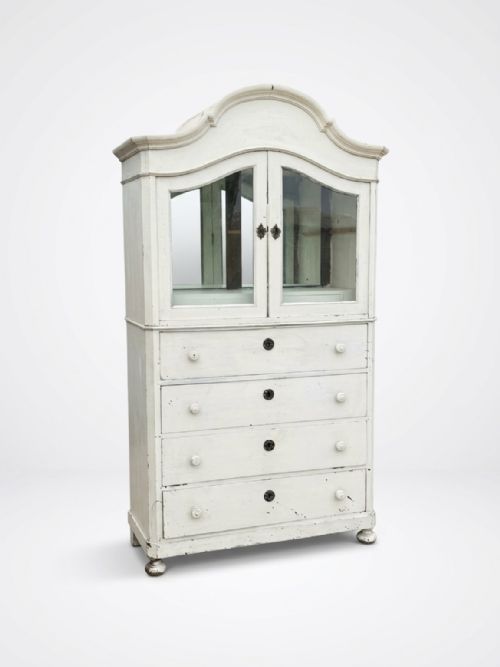
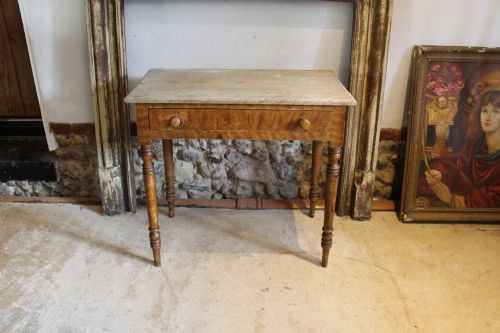
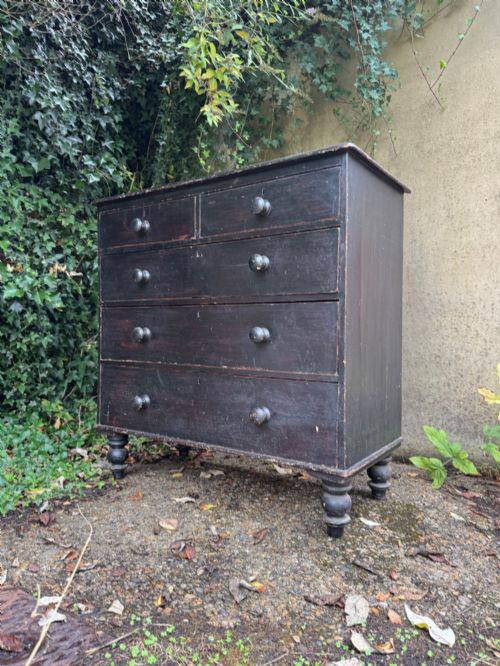
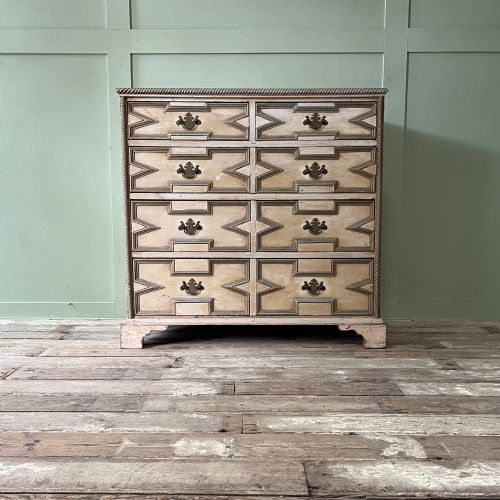
Vintage painted drawers bring practical storage and weathered charm to a room, ranging from robust pine chests to elegant French commodes.
Vintage Painted Drawers
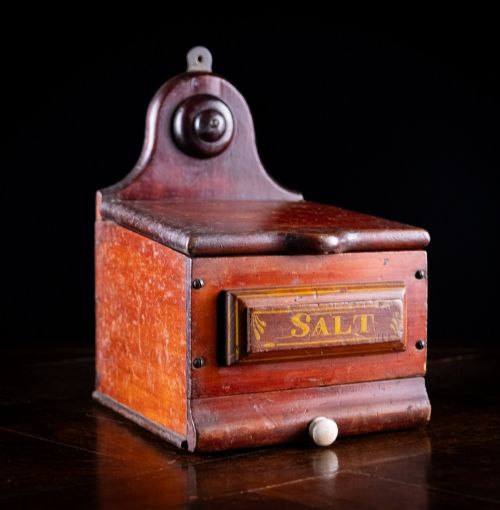
When you search for vintage painted drawers, you encounter a wide selection of storage pieces spanning the eighteenth, nineteenth and early twentieth centuries. These items include sturdy pine chests of drawers, banks of drawers, bedside cabinets and commodes originating from English, French, Swedish and German traditions.
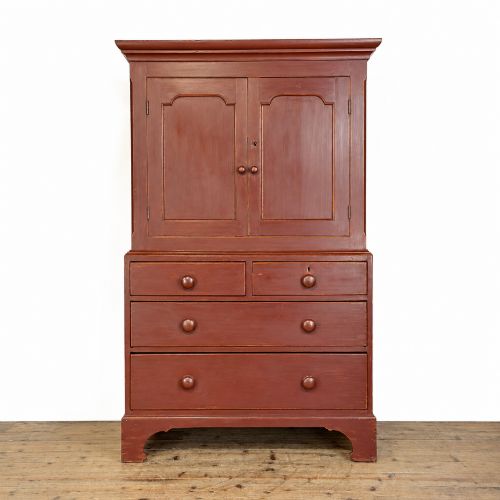
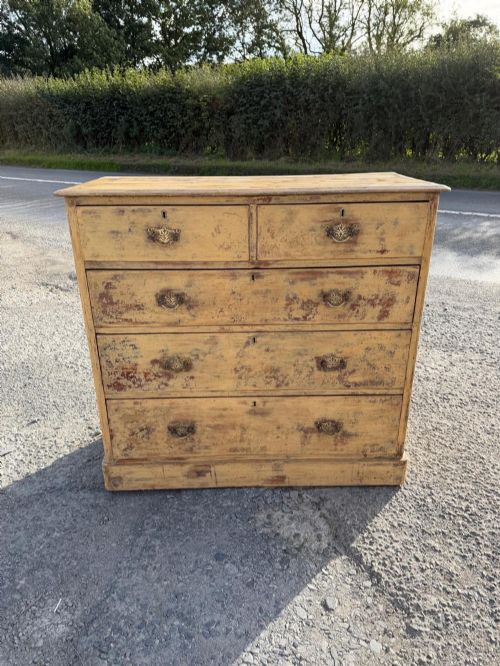
The most common forms on this page are nineteenth-century pine chests of drawers and bedside tables, often retaining original or later surface treatments. Alongside traditional chests, you find specialised pieces such as Wellington chests, linen presses, washstand chests and compact commodes suited for modern interiors.
Makers and regional styles vary considerably, moving from rustic English country furniture and Victorian utility pieces to refined Regency faux bamboo designs and French Louis XVI revival commodes. This variety allows you to select a piece that matches a specific decorative scheme, whether in a hallway, bedroom or living space.
How they were made
Makers constructed these storage pieces primarily from solid woods such as pine, oak, mahogany, birch and fruitwood, joined with traditional framing methods. Structural stability relied on sound timber selection, while iron, brass and glass hardware provided functional fittings for drawers and doors.
Surface finishes involved layers of paint, scumble, lacquer or wax applied over wood, sometimes incorporating decorative techniques like faux bamboo or Chinoiserie. Many pieces show the marks of original paint surfaces applied decades or centuries ago, preserving the texture and character of the wood underneath.
Several chests still whisper of old laundry rooms and country dairies through the faint, persistent scent of historic beeswax.
What varies in quality
The standard of a piece rests upon the integrity of its timber construction and the survival of its original surface decoration. Pieces retaining authentic period paint work display a depth and patina that later repainting cannot replicate, marking the distinction between standard utilitarian items and finer decorative examples.
Proportion and execution define the higher tier of these chests and commodes. Finely turned feet, well-fitted drawer runners, original brass or iron hardware and precise decorative mouldings separate exceptional regional and continental workshops from standard provincial production.
Sir Clough Williams-Ellis
The Vintage Painted Drawers Glossary
- Commode
- A low chest of drawers or cabinet, frequently associated with French or continental cabinetmaking of the eighteenth and nineteenth centuries.
- Scumble
- A decorative painting technique involving a translucent layer of colour dragged or brushed over a base coat to simulate wood grain or create textured depth.
- Linen Press
- A tall piece of furniture featuring upper doors enclosing sliding trays for folded textiles, positioned above a base of lower storage drawers.
- Faux Bamboo
- A style of woodwork where solid timber is carved and painted to imitate the segmented stalks of natural bamboo, popular during the Regency period.
- Chinoiserie
- European decorative style inspired by Chinese artistic traditions, featuring painted motifs of figures, landscapes and flora on lacquered furniture surfaces.
Vintage Painted Drawers: Frequently Asked Questions
How do I clean vintage painted drawers?
Dust surfaces gently with a dry or slightly damp soft cloth to protect the painted finish from moisture damage.
Avoid harsh modern chemical cleaners and abrasive pads, which can strip away historic paint layers and wax coatings.
Are these drawers suitable for daily use?
Solid construction and sturdy timber runners make most nineteenth-century chests practical for everyday clothing and household storage.
Drawer alignment can shift with humidity changes, so check that internal runners operate smoothly before daily loading.
How can I tell original paint from modern paint?
Original period finishes display natural crazing, wear patterns and micro-cracking accumulated through decades of handling and ageing.
Modern repaint applications usually present a uniform, flat texture without the underlying layers of oxidised pigment and wax.
Where should I place a painted chest?
Position these pieces away from direct sunlight and strong heat sources to prevent the wood from warping and the paint from fading.
A bedroom, hallway or living room makes an ideal setting where humidity remains relatively stable throughout the year.