


Vintage Painted Console Desk
These vintage painted console desk pieces combine functional writing surfaces with decorative finishes from periods spanning the eighteenth to the twentieth century.
Vintage Painted Console Desk
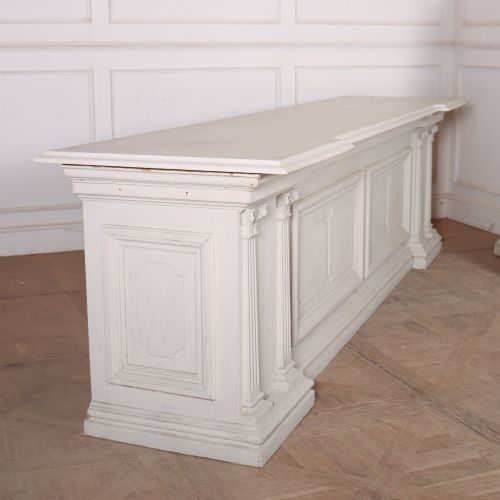
A vintage painted console desk represents a diverse category of surface furniture that bridges the gap between utilitarian writing tables and decorative side pieces. When searching for this phrase, buyers encounter various forms ranging from compact lamp tables and side tables to dedicated writing desks and larger servers.
The pieces available here draw on multiple historical periods, predominantly featuring nineteenth-century craftsmanship alongside examples from the Georgian era and the nineteen-twenties. Regional influences shape these items significantly, with French provincial styles, Swedish painted finishes, and English country pieces appearing frequently across the inventory.
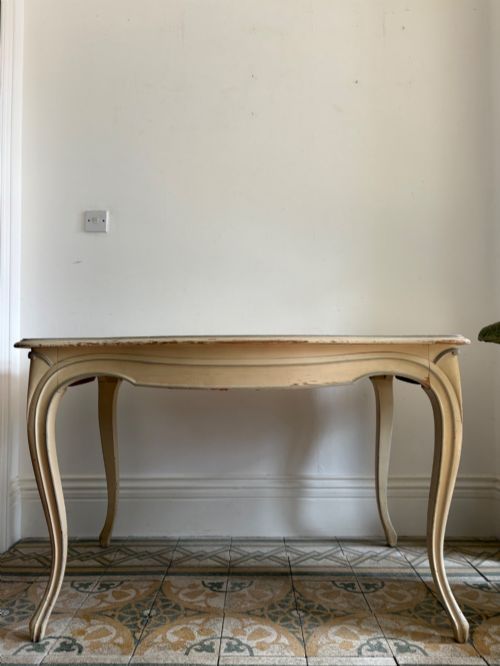
Forms adapt to numerous domestic uses, functioning as writing tables, console tables, or occasional lamp tables within a room. The structural framework often adopts traditional furniture formats such as serpentine fronts, cabriole legs, or trestle supports.
Materials and construction
Construction relies primarily on traditional timber substrates including pine, birch, walnut, teak, and general wood or painted timber. Metal elements such as brass fittings appear on specific items, while specialised finishes incorporate layers of paint, lacquer, or inset suede top surfaces.
Joinery and structural detailing reflect the period of origin, spanning handcrafted wooden frames to folding metalwork designs. Artisans applied protective and decorative paint layers directly to wood, creating durable surfaces that have acquired distinct patinas over time.
One unexpected table travelled from a Burmese village before finding its way onto the modern market.
Evaluating the standard
Quality in these pieces depends heavily on the integrity of the original construction and the preservation of the painted surface finish. Items featuring solid timber carcasses and balanced proportions demonstrate superior craftsmanship compared to simpler utility pieces.
The nuance of the paintwork and decorative detailing, such as carved elements or specialised top surfaces like inset suede, distinguishes higher-end examples. Original finishes that show honest historical wear carry more character than later, unsympathetic repainting.
The Vintage Painted Console Desk Glossary
- Console table
- A table designed to stand against a wall, often supported by brackets or legs. These pieces serve decorative and functional roles in hallways or living spaces.
- Cabriole leg
- A furniture leg that curves out and then in, resembling the shape of an animal's leg. This style is typical of French provincial and eighteenth-century design.
- Serpentine front
- A furniture front characterised by a wavy shape, curving outward in the centre and inward at the sides. It demands high skill from the maker.
- Scrub-top
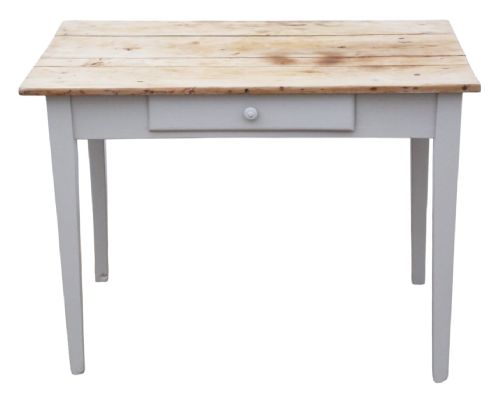
- A plain wooden tabletop designed to be scrubbed clean regularly. This feature is common on utilitarian kitchen and work tables from rural traditions.
- Lacquered
- A finish applied to wood using resin or varnish that hardens into a smooth, durable coating. Oriental pieces in this selection utilise red lacquer for vibrant effect.
Vintage Painted Console Desk: Frequently Asked Questions
How do I use a console desk?
These versatile pieces function well as compact writing spaces in small studies or as decorative display surfaces in entrance halls. Their modest footprints allow them to fit easily against walls without dominating a room.
Depending on the specific form, they also serve effectively as side tables, lamp tables, or occasional servers during gatherings.
What periods do these desks cover?
The selection spans multiple centuries, including eighteenth-century pieces, Georgian items, and nineteenth-century Victorian examples. Twentieth-century pieces from the nineteen-twenties also feature in the inventory.
Each period brings distinct stylistic traits, from Neoclassical elegance to rustic farmhouse simplicity.
Are the painted finishes original?
Paint history varies significantly across the collection, with some items retaining their early or original decorative surfaces and patinas. Other pieces show layers of historical wear that reflect decades of domestic use.
Examining the depth and texture of the paint helps buyers understand the age and treatment of the surface.
How do I distinguish regional styles?
Regional characteristics appear through specific construction methods, woods, and decorative motifs. For instance, Swedish pieces often feature lighter painted treatments, while French items might display cabriole legs or serpentine fronts.
English country pieces tend to prioritize sturdy pine or timber construction with simpler, functional lines.