

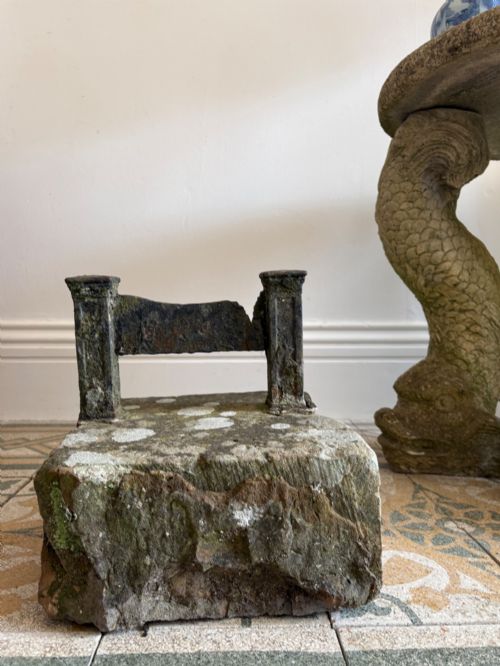


Vintage Outdoor Boot Scraper
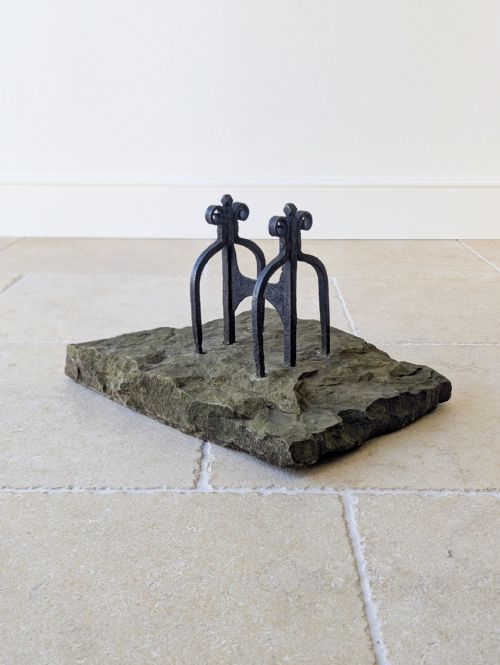
A vintage outdoor boot scraper clears mud from heavy footwear before it crosses the threshold, combining sturdy ironwork with solid stone.
Vintage Outdoor Boot Scraper
A vintage outdoor boot scraper sits by an entrance to scrape mud and dirt from footwear before guests step inside. These functional fixtures appear in various forms, from simple country house examples to decorative town house designs.
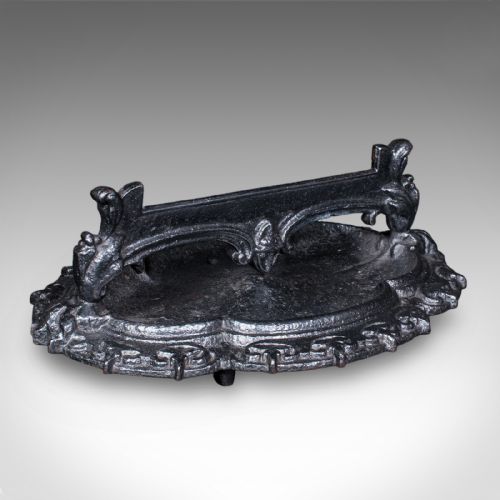
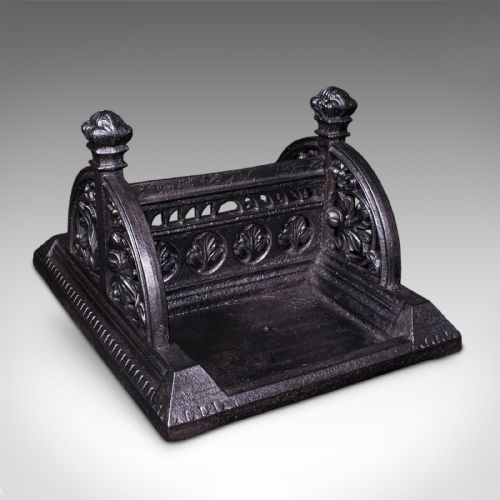
Most pieces on this page date from the Georgian and Victorian periods, reflecting the heavy footwear requirements of those eras. Buyers encounter items ranging from plain cast iron blades to elaborate Gothic Revival pieces.
The objects combine a metal scraping blade with a heavy base, often set into stone or Yorkstone blocks to keep them stable during use. Originating outside country houses and London townhouses, they remain practical tools for modern gardens and doorways.
How they were made
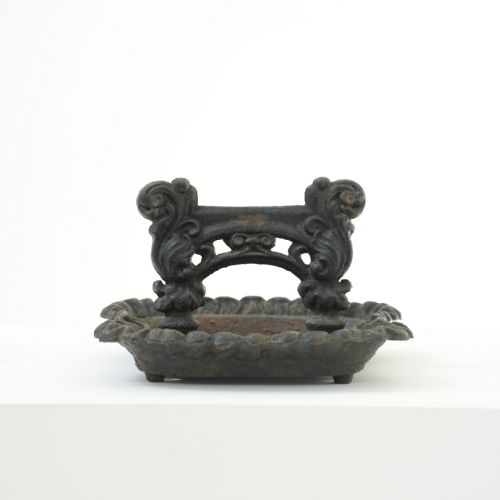
Makers utilised durable cast iron and wrought iron to form the scraping blades and structural frames. These metals withstood heavy daily use and exposure to damp weather without losing their rigidity.
The metal components are typically anchored directly into hewn stone or Yorkstone blocks. This combination provided the substantial weight required to prevent the scraper from moving while in active use.
Vintage Outdoor Boot Scraper Retail Price Guide 2026
Typical asking prices for vintage outdoor boot scraper among the pieces listed under this phrase on Sellingantiques today, from the lower quarter to the upper quarter. They describe what is for sale here now, not the wider market.
Some Victorian visitors scraped more than just mud, as centuries of forgotten town grit remain wedged firmly in the iron corners.
What varies in quality
The integration between the metalwork and the stone base determines the physical integrity of the piece. Superior examples feature securely seated iron blades within solid, well-hewn blocks rather than loose or poorly fitted modern replacements.
Design complexity separates basic utilitarian tools from distinguished examples such as Gothic Revival or Coalbrookdale pieces. Finer castings display crisp detailing and well-proportioned frames that reflect the architectural standards of their period.
Coalbrookdale
The Vintage Outdoor Boot Scraper Glossary
- Cast iron
- Iron poured into a mould to create rigid shapes. It provides the heavy, durable blades seen on most Victorian examples.
- Wrought iron
- Iron beaten and worked by hand into specific forms. This material appears on earlier Georgian country house pieces.
- Yorkstone
- A type of sandstone quarried in Yorkshire. It provides the heavy foundation blocks that anchor the metal scrapers.
- Gothic Revival
- An architectural and decorative style drawing on medieval forms. This style appears on mid-nineteenth-century scrapers with pointed arches and ornate motifs.
- Shoe pull
- An integrated feature designed to help draw off muddy boots. It works alongside the scraper blade to clean footwear.
Vintage Outdoor Boot Scraper: Frequently Asked Questions
Where were boot scrapers placed?
These pieces sat directly outside doorways, porches and gates of country houses and townhouses. Their position allowed visitors to clean mud from their shoes before entering the building.
Today, buyers place them in similar outdoor positions beside garden doors or porches. They serve both a decorative and a practical purpose in modern settings.
How do I clean a cast iron scraper?
Maintenance involves removing dirt and debris from the metal blade and stone base using a stiff brush. Keeping the iron dry helps prevent the buildup of rust over time.
Avoid harsh chemical cleaners that might damage the historic surface of the metal. Gentle brushing preserves the character of the iron and stone.
Are these scrapers heavy?
The pieces are remarkably heavy because they combine cast or wrought iron with solid stone blocks. This weight prevents the scraper from shifting when someone drags a muddy boot across the blade.
Buyers should ensure they have adequate help when placing them in a garden or courtyard. Their substantial mass is an essential part of their original design.
How do I date a boot scraper?
Dating relies on the materials, the style of the ironwork, and the form of the stone base. Georgian examples often feature wrought iron, while Victorian pieces typically use cast iron and sometimes display Gothic Revival motifs.
Comparing the manufacturing technique with documented periods helps establish an approximate age. Details like small oval designs or specific foundry marks provide further clues.