
Vintage Outdoor Bistro Table
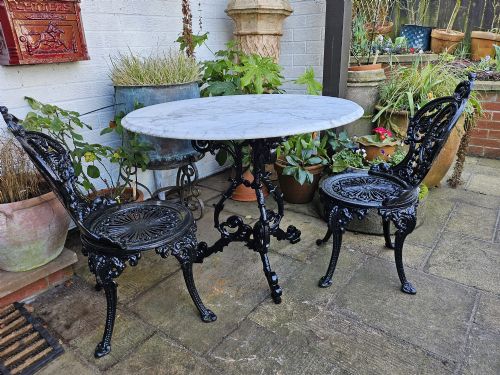
A vintage outdoor bistro table brings character to a terrace, offering a compact surface for dining that dates from the nineteenth and early twentieth centuries.
Vintage Outdoor Bistro Table
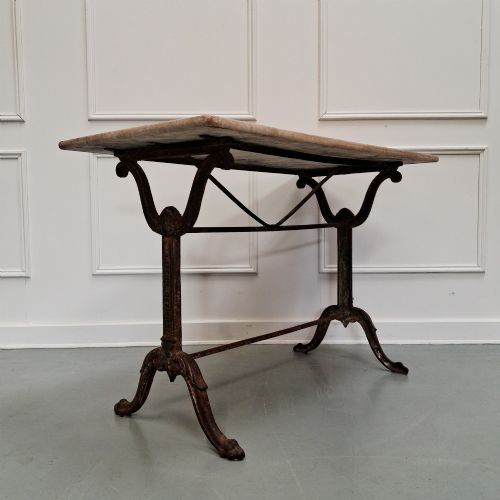
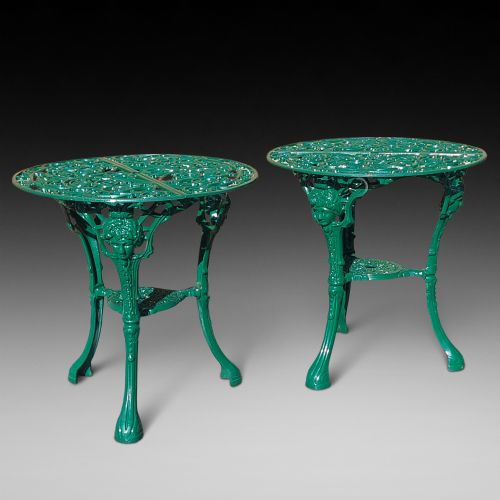
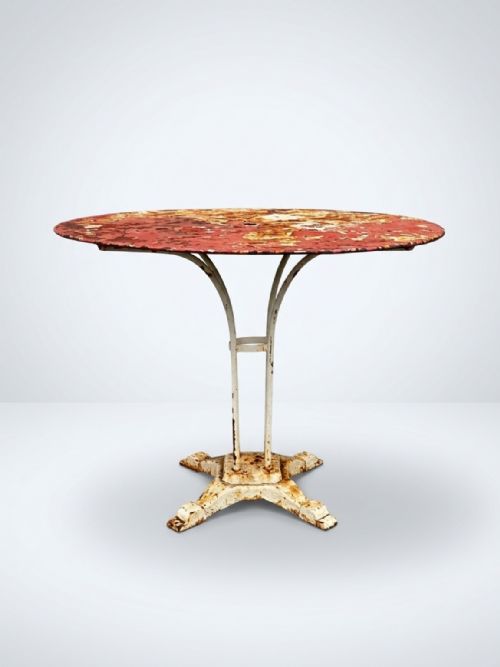
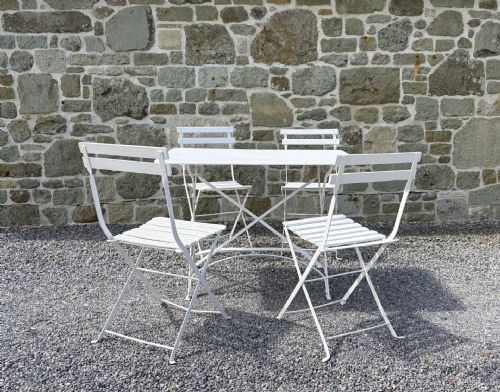
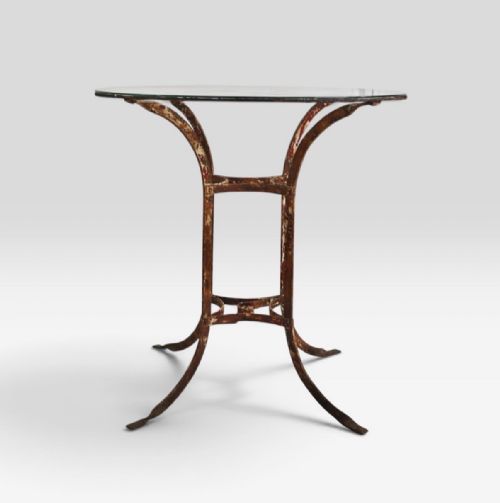
When you search for a vintage outdoor bistro table, you find a range of compact garden and café furniture spanning the nineteenth century through to the 1930s. These pieces include standalone tables, console tables, and complete dining sets designed for use outdoors or in enclosed patios.
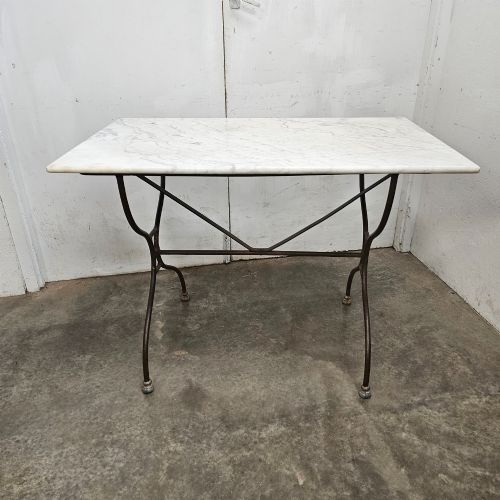
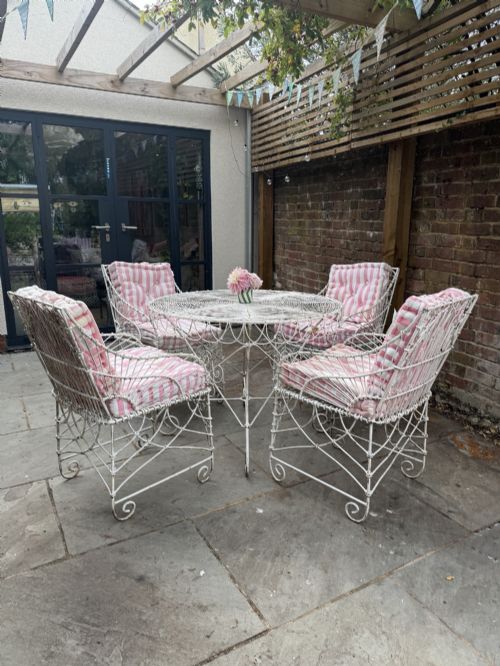
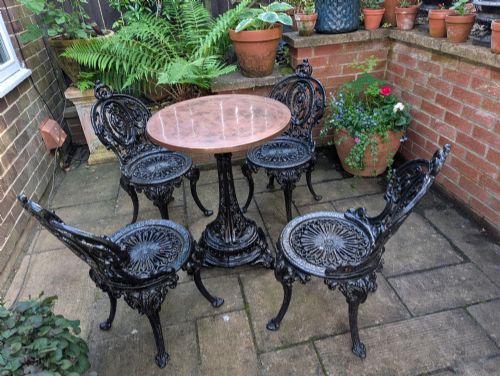
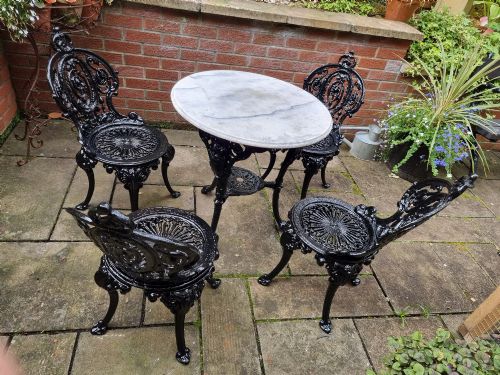
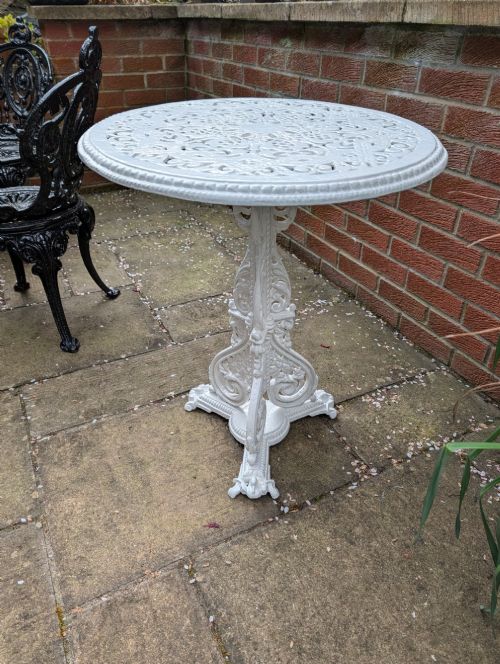
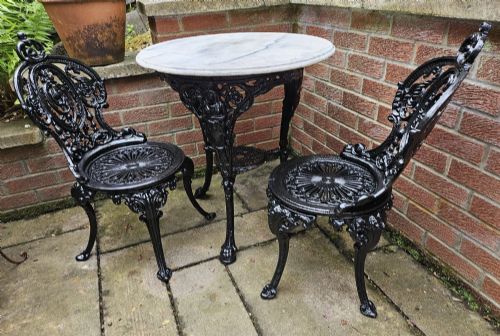
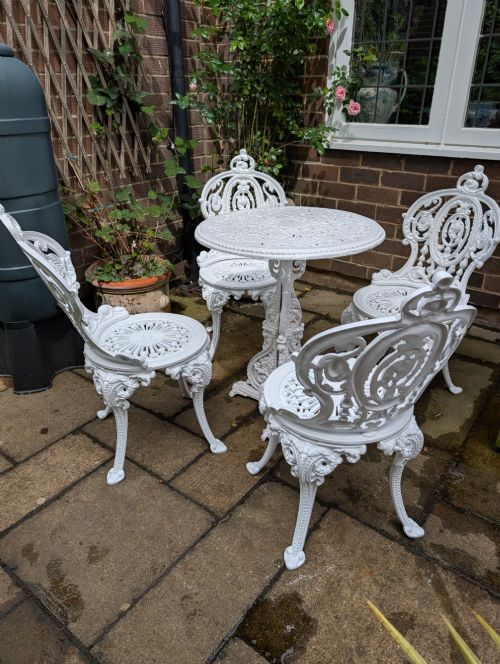
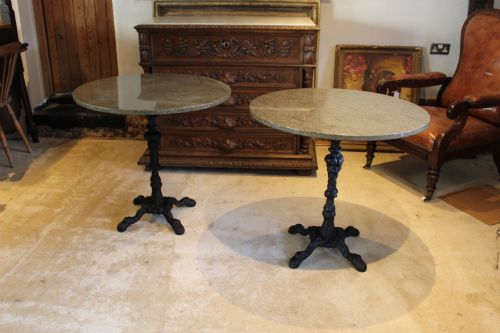
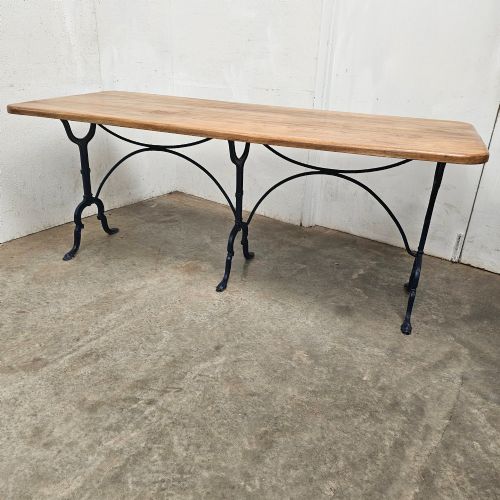
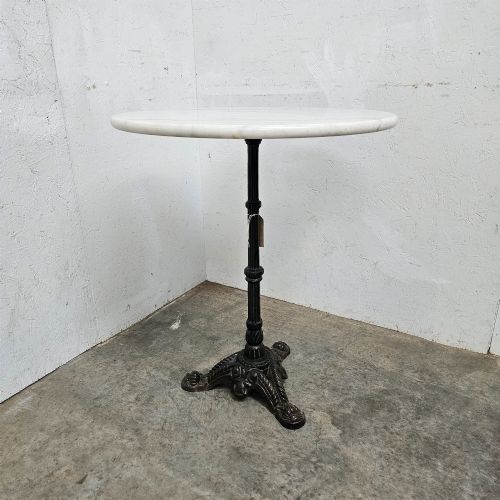
The selections on this page lean heavily towards French and Victorian designs. You will encounter circular and rectangular surfaces supported by ornate cast iron or wrought iron frames, often accompanied by matching chairs.
Many examples combine heavy metal bases with contrasting tops of marble, granite, wood, zinc, or stone. Originating from domestic gardens, public cafes, and pubs, these tables were built to withstand regular use.
How they were made
Foundries manufactured the structural elements using cast iron and wrought iron, employing moulds to produce intricate decorative patterns for the legs and skirts. Some pieces utilise steel or wirework to achieve lighter structural frameworks.
Table surfaces reflect a diverse mix of hardwearing materials suited to daily use. Masons and carpenters fitted polished marble, granite, stone, zinc, or timber tops such as elm, cedar, and assorted painted woods onto the metal bases.
Materials span cast iron, wrought iron, steel, marble, granite, zinc, stone, elm, cedar, and painted wood.
What varies in quality
The refinement of the cast iron ornamentation dictates much of the visual merit. Highly detailed mouldings and named designs stand apart from plain utilitarian foundry work.
Material combination also elevates a piece, particularly heavy marble or granite slabs fitted to robust iron bases rather than simpler wooden or painted surfaces.
Christopher Dresser
The Vintage Outdoor Bistro Table Glossary
- Cast iron
- A strong, heavy alloy poured into moulds to create rigid bases and ornate legs. It provides the substantial weight necessary to keep outdoor tables stable.
- Britannia table
- A nineteenth century pub or garden table featuring a heavy cast iron pedestal base, traditionally depicting Britannia. These often incorporate circular wooden tops.
- Wirework
- A style of garden furniture formed from interwoven metal wires popular during the Victorian era. It creates a lighter, semi-transparent structural aesthetic.
- Strapp work
- A decorative metalwork pattern resembling flat straps or ribbons crossing in geometric designs. This technique adds rigidity and visual interest to table skirts.
Vintage Outdoor Bistro Table: Frequently Asked Questions
How do I care for an iron and marble table?
Keep the metal sealed against moisture to prevent rust accumulation on the iron components. Clean the stone surface regularly with mild soap and water, avoiding acidic substances that can etch polished marble.
Store the table under cover during harsh winter months to protect both the iron framework and the stone top from frost damage.
Were these tables meant for gardens or cafes?
Historical examples served dual purposes in both domestic gardens and commercial spaces like French cafes and English pubs. Their compact proportions made them versatile for small patios and indoor rooms alike.
Heavy cast iron bases ensured the furniture remained stable outdoors, while marble or wooden tops provided practical surfaces for dining.
How do I identify a Victorian table?
Look for distinct design markers such as ornate cast iron pedestal bases, maker motifs, or specific attribution to designers like Christopher Dresser. The construction methods typically involve heavier metal casting than later twentieth century pieces.
Materials like wirework and traditional Britannia pedestals also point towards nineteenth century manufacture.
Can I leave these tables outside all year?
While cast iron and stone are robust, prolonged exposure to winter frost and damp conditions can degrade painted finishes and wooden elements. Moving them to a sheltered spot or using protective covers prolongs their condition.
Marble and granite tops are particularly vulnerable to cracking if water seeps into microscopic fissures and freezes.