



Vintage Ottoman Trunk
A vintage ottoman trunk brings centuries of practical storage and character into a room, offering tactile wood, leather, and fabric finishes.
Vintage Ottoman Trunk
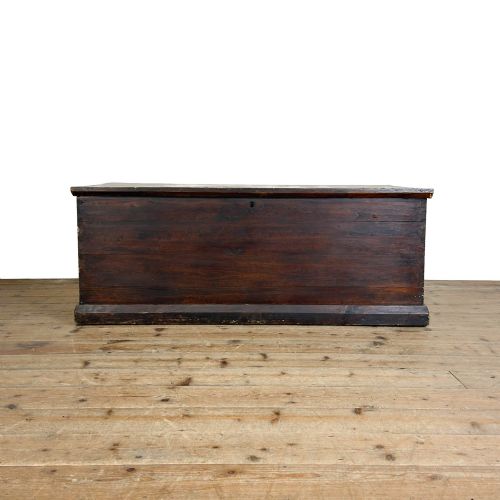
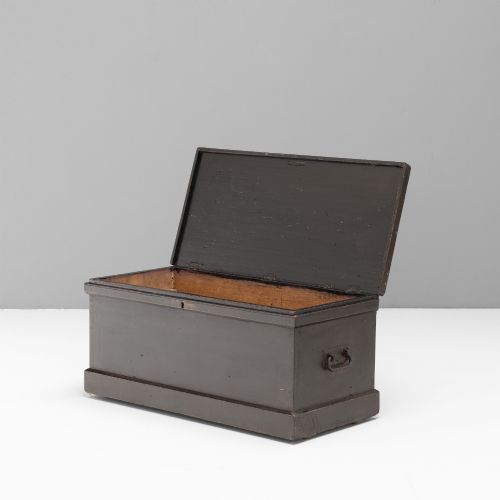
When you search for a vintage ottoman trunk, you are looking at sturdy wooden blanket boxes, storage chests, and upholstered ottomans spanning the nineteenth and early twentieth centuries. These pieces combine the utility of a traditional chest with the soft top of an ottoman, frequently utilised at the end of a bed or as a living room centrepiece.
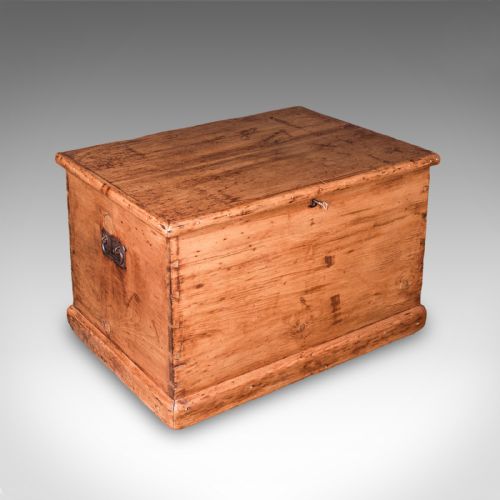
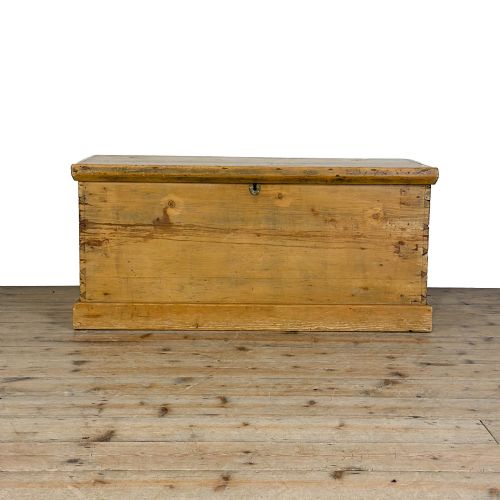
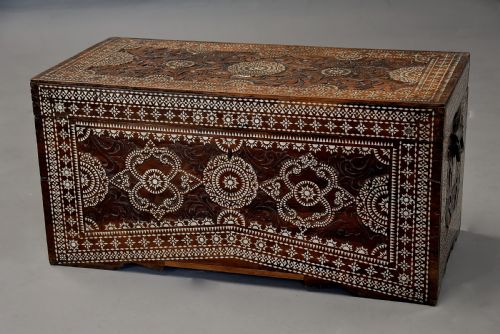
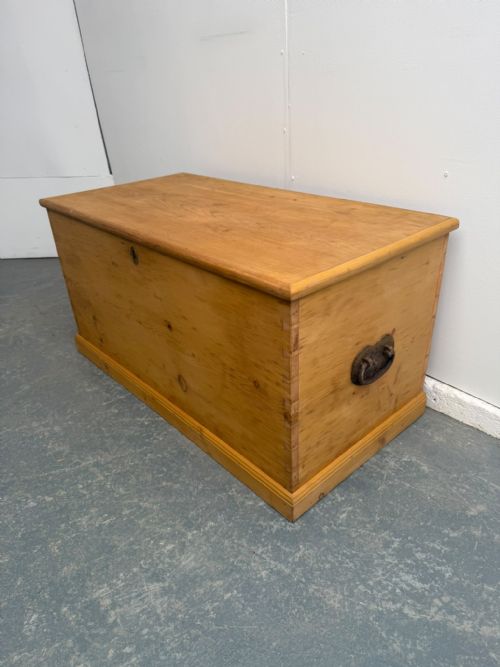
The versions most commonly met on this page are constructed from pine, often in a waxed or stripped finish, alongside grander iterations in mahogany, cherrywood, or birch. You will also encounter specialised examples featuring leather upholstery, fabric coverings, or intricate mother of pearl inlay.
Origins range widely across styles such as Victorian country, rustic farmhouse, Tudor revival, and French provincial, providing robust storage solutions with distinct historical presence.
Materials and construction
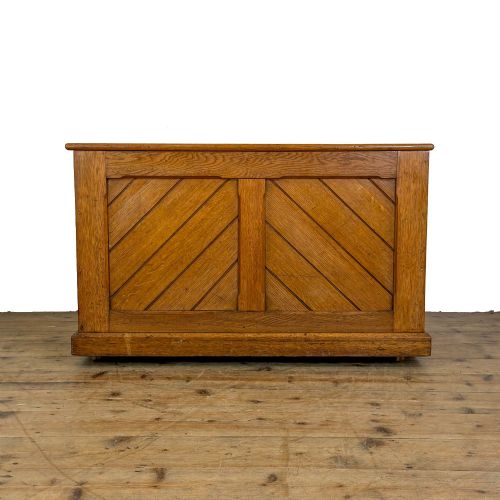
Solid softwoods and hardwoods form the structural carcass of these pieces, with pine and oak appearing alongside rich mahogany, birch, and cherrywood. Iron and brass hardware, including side lifting handles and working locks, provide functional durability.
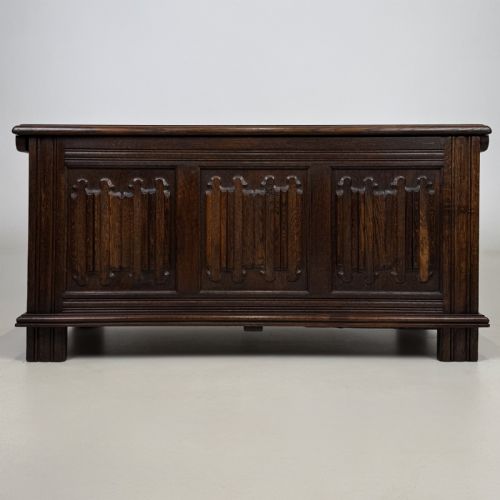
Surface treatments vary from simple waxed and polished finishes to painted exteriors, hand-dyed leather, and textile upholstery. Decorative details span linenfold wood panelling and Middle Eastern mother of pearl inlay.
Vintage Ottoman Trunk Retail Price Guide 2026
Typical asking prices for vintage ottoman trunk among the pieces listed under this phrase on Sellingantiques today, from the lower quarter to the upper quarter. They describe what is for sale here now, not the wider market.
Listings feature pieces from the Victorian era, Regency period, and early 20th century, utilising materials including pine, mahogany, oak, and leather.
Distinctions in quality
The distinction between standard storage and superior craftsmanship lies in the selection of timber and the complexity of the exterior detailing. Finer examples display thoughtful proportions, such as concave shapes, or incorporate labour-intensive surface work like hand-dyed leather and inlaid mother of pearl.
Structural integrity also separates the grades, with solid timber construction, original working locks, and robust side handles marking out pieces designed for heavy domestic use rather than simple display.
Hallett & Sons
The Vintage Ottoman Trunk Glossary
- Blanket box
- A large rectangular chest traditionally utilised for storing woolen blankets and textiles. These are frequently found in plain or waxed pine.
- Linenfold
- A style of carved wooden panelling resembling folded parchment or linen cloth. It is commonly seen on early twentieth century oak pieces.
- Ottoman
- A low upholstered seat or bench without arms or a back, often featuring a hinged lid that opens for interior storage. Examples listed here span leather and fabric upholstery.
- Carcase
- The main structural body or shell of a chest or trunk, excluding the drawers or lid. It provides the fundamental strength of the piece.
Vintage Ottoman Trunk: Frequently Asked Questions
How do I clean a pine trunk?
Dust the surface regularly with a dry cloth to prevent dirt build-up in the grain. Nourish waxed pine periodically using a traditional beeswax to maintain the finish.
Avoid using harsh chemical sprays or excess water, which can damage aged timber and strip the historic patina.
Can an ottoman be used as a coffee table?
Low and wide upholstered or wooden trunks make ideal coffee tables. They provide a stable surface for trays while hiding away clutter.
Ensure you choose a sturdy piece with a flat top if you intend to rest heavy items or use it regularly for serving.
How do I care for antique leather?
Condition the leather surface every few years with a specialised leather balm to prevent cracking. Keep the trunk away from direct sunlight and heat sources.
Gentle dusting is sufficient for weekly maintenance, preserving the natural texture and hand-dyed appearance.
What is the difference between a coffer and a trunk?
A coffer traditionally refers to a heavy, robust wooden chest used for storing valuables, often featuring simpler joinery. Trunks frequently incorporate metal handles and locks intended for transport.
Both serve similar storage functions in modern interiors, though trunks often lean towards lighter domestic utility.