


Vintage Ornithological Studies
Vintage ornithological studies capture avian life through detailed works on paper, offering both scientific observation and natural beauty for the wall.
Vintage Ornithological Studies
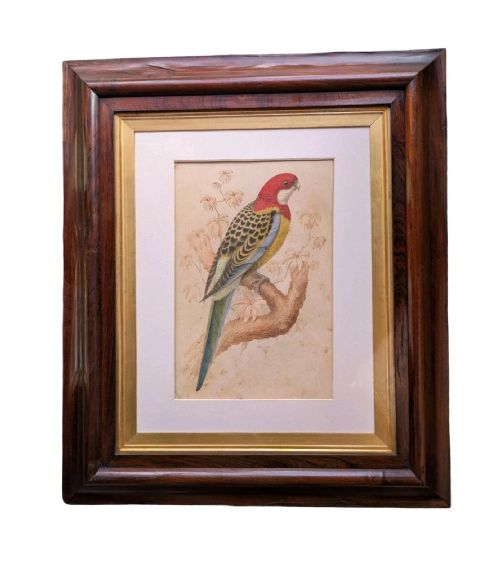
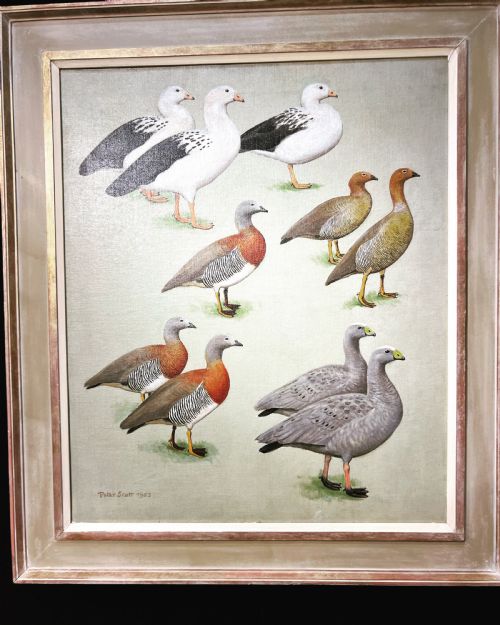
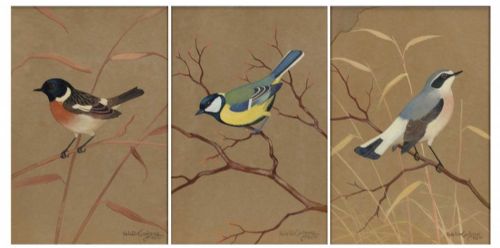
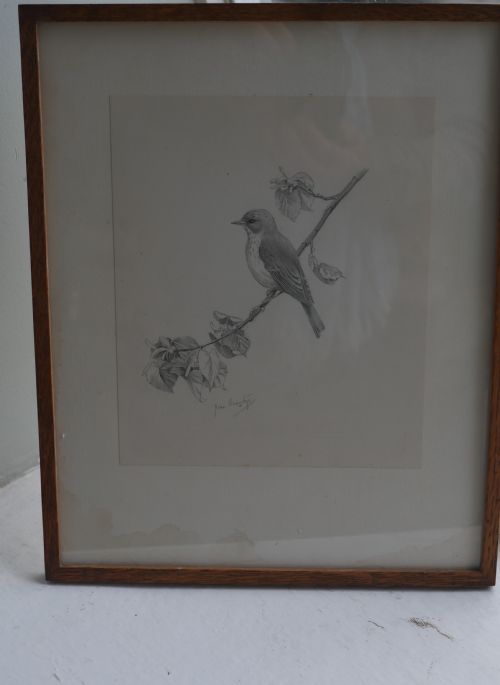
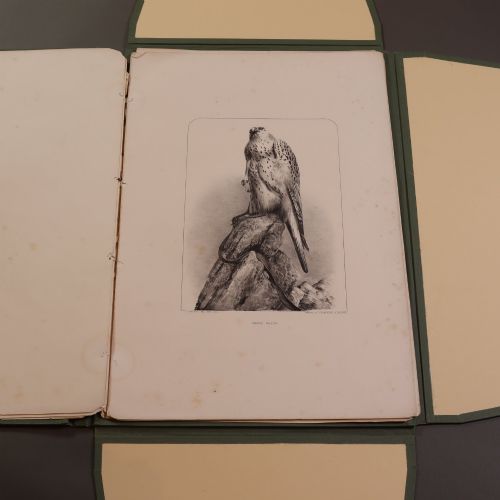
Vintage ornithological studies encompass framed watercolours, pencil drawings, and engravings depicting birds across various historical periods. These works capture specific avian subjects with careful attention to plumage, posture, and natural surroundings.
The selections available here range from nineteenth-century Victorian illustrations to mid-century British art. Buyers frequently encounter framed watercolours and prints originating from the nineteenth and twentieth centuries.
Artists and naturalists of these periods utilised paper supports to render detailed studies of parrots, garden birds, and game. These pieces serve as both historical records and decorative focal points for interiors.
Materials and techniques
Works in this category rely primarily on paper supports combined with watercolour paint, gouache, graphite, and ink. Artists applied these pigments to capture the delicate textures of feathers and the subtle tones of avian plumage.
Framing materials commonly include wood, glass, ebonised frames, and deep giltwood mounts which protect the delicate works on paper. Engravings provide another method of production seen across these historical examples.
Listings feature paper, wood, glass, watercolour, gouache, graphite, and ink across periods ranging from eighteen-hundred to the mid-twentieth century.
What varies in quality
Quality in these studies rests upon the precision of the draughtsmanship and the fidelity of the anatomical representation. Superior examples demonstrate a deep understanding of bird anatomy combined with confident brushwork or line execution.
The preservation of the paper and the vibrancy of the pigments also distinguish finer works from standard decorative pieces. Original framing, such as ebonised wood with period mounts, enhances the integrity of the object.
John Hancock·William Swainson·Ralston Gudgeon·Paul-Louis Barruel·Donald Watson·Sir Peter Markham Scott
The Vintage Ornithological Studies Glossary
- Watercolour paint
- A paint consisting of pigment suspended in a water-soluble binder. It is the predominant medium for these bird studies.
- Gouache
- An opaque water-based paint that provides solid areas of colour and highlights. It is frequently used alongside watercolour for added depth.
- Engraving
- A printmaking technique where an image is incised into a metal plate, holding ink to transfer fine lines onto paper. William Swainson utilised this method.
- Ebonised frame
- Wood treated to resemble ebony, providing a dark, polished border that contrasts with the artwork. These often appear with deep giltwood mounts.
Vintage Ornithological Studies: Frequently Asked Questions
How do I hang vintage bird watercolours safely?
Protect works on paper from direct sunlight to prevent the watercolour pigments and gouache from fading over time. Hang them in rooms with stable humidity levels to preserve both the paper and the wooden frames.
Ensure the glass does not press directly against the paper surface to avoid moisture damage. Use sturdy picture hooks appropriate for the weight of the framed art.
What periods do these ornithological studies cover?
The pieces span from the nineteenth century through the Edwardian era and into mid-century British art. Victorian examples often show detailed natural history illustration.
Later twentieth-century works reflect shifts in artistic interpretation while maintaining a focus on British and international bird species.
How do I tell an original painting from a print?
Examine the surface of the paper closely under magnification to look for brushstrokes, pencil texture, and the pooling of watercolour paint. Original works show hand-applied pigment rather than the uniform dot patterns of modern reproduction.
Plate marks or fine engraved lines indicate an antique print rather than a unique painting on paper.
What subjects are most common in these works?
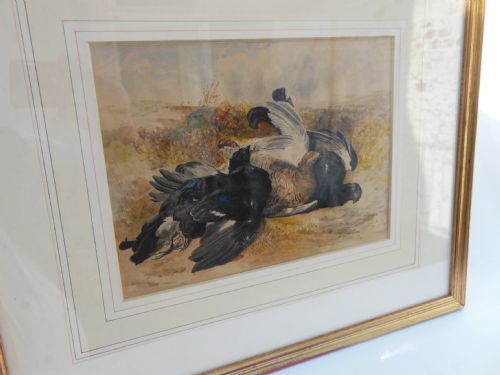
Artists frequently depicted garden birds, parrots, game birds such as black grouse, and lapwings. These subjects reflect both native British wildlife and exotic species recorded by naturalists.
Each study focuses on anatomical accuracy and naturalistic postures observed in the field or from specimens.