
Vintage Ormolu Sconces
Vintage ormolu sconces bring French design and metallic warmth to a room, offering functional illumination through cast metal wall lights.
Vintage Ormolu Sconces
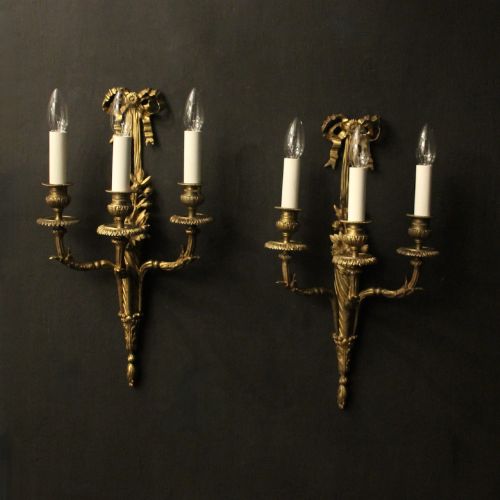
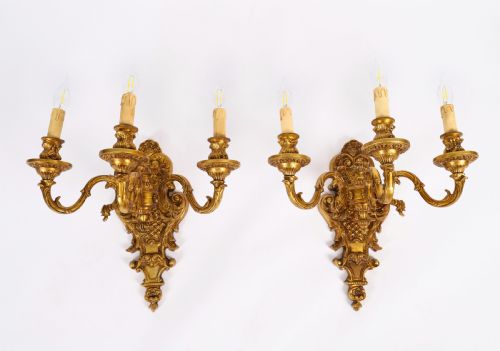
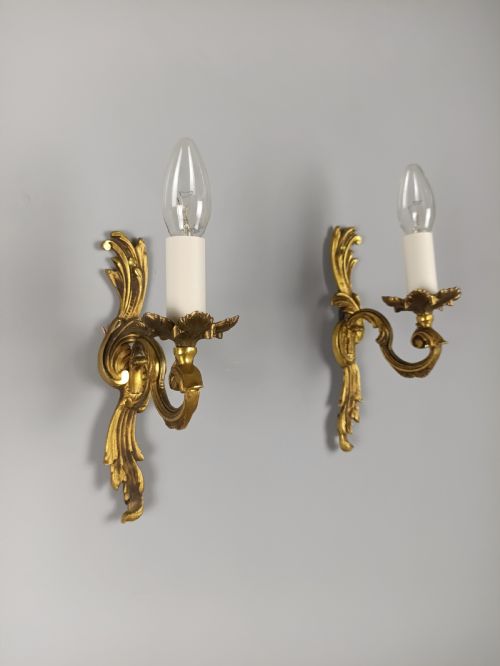
Vintage ormolu sconces comprise wall-mounted lighting fixtures originating predominantly from French workshops during periods spanning the nineteenth century through the early twentieth century. Buyers encounter pairs and larger sets configured with single, twin, or triple arms designed to hold candles or electric bulbs.
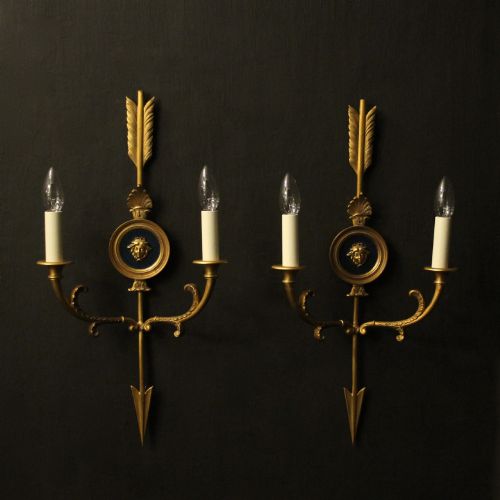
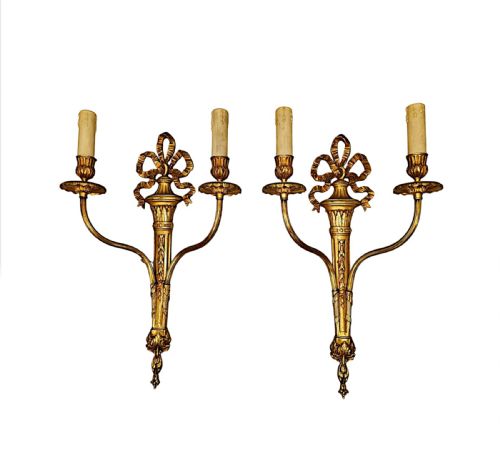
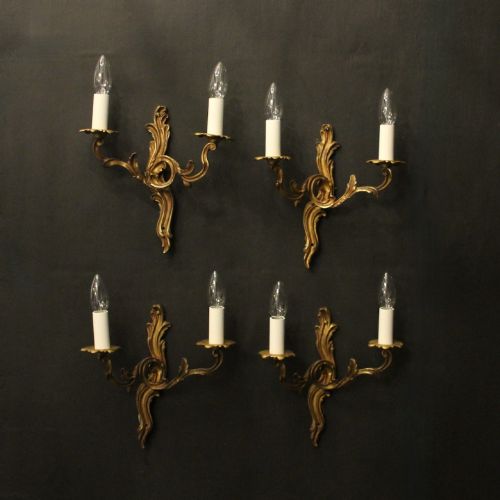
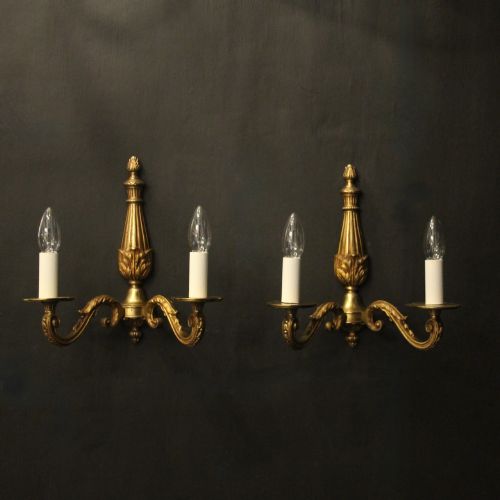
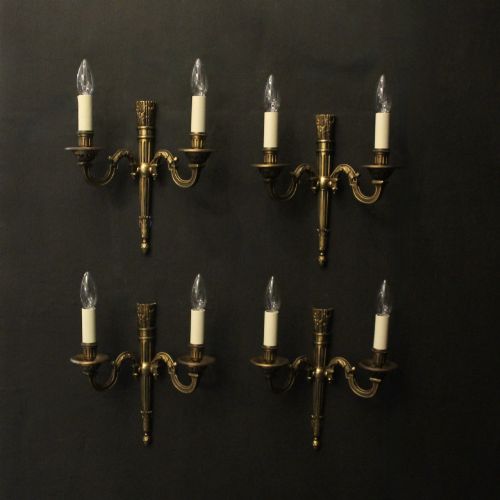
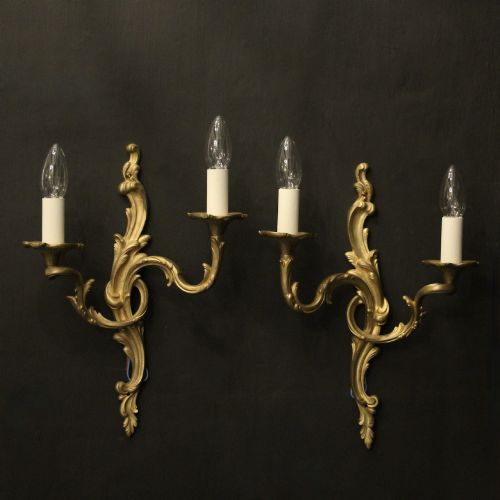
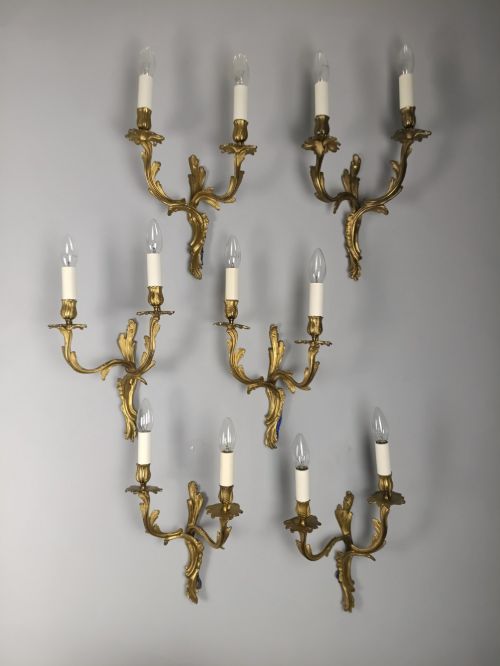
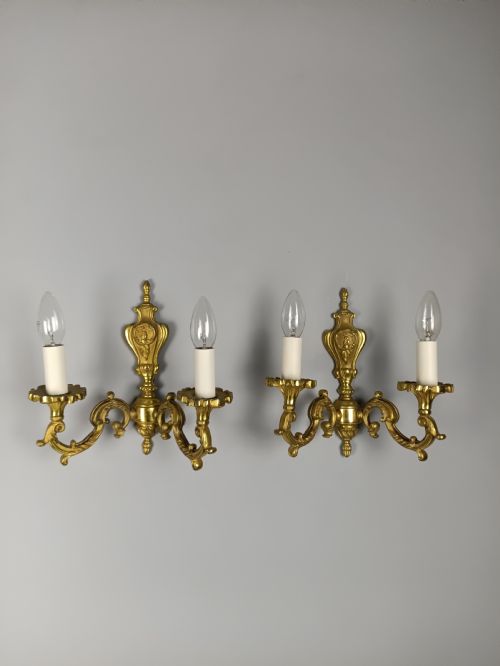
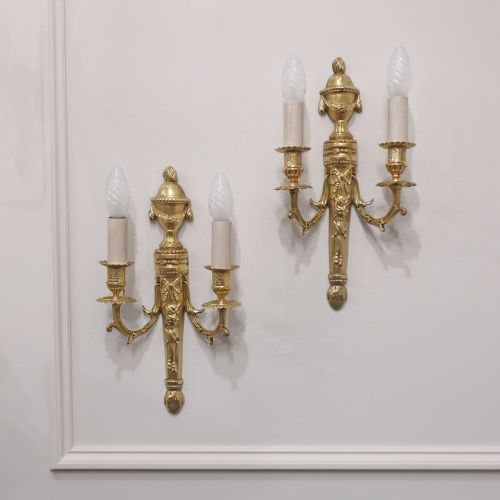
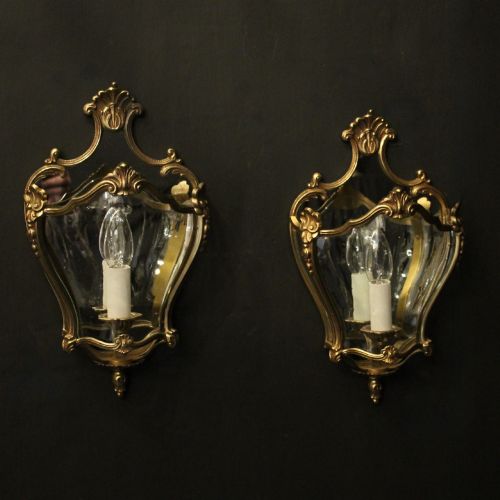
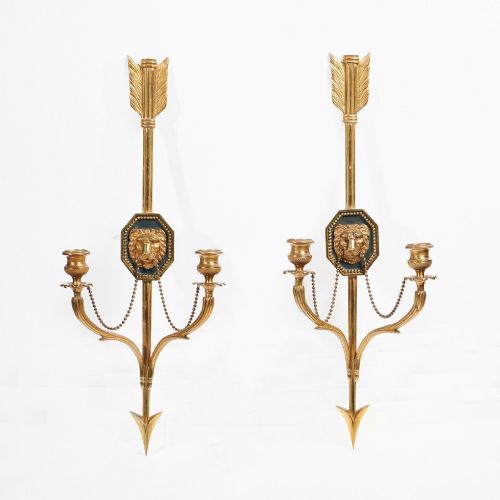
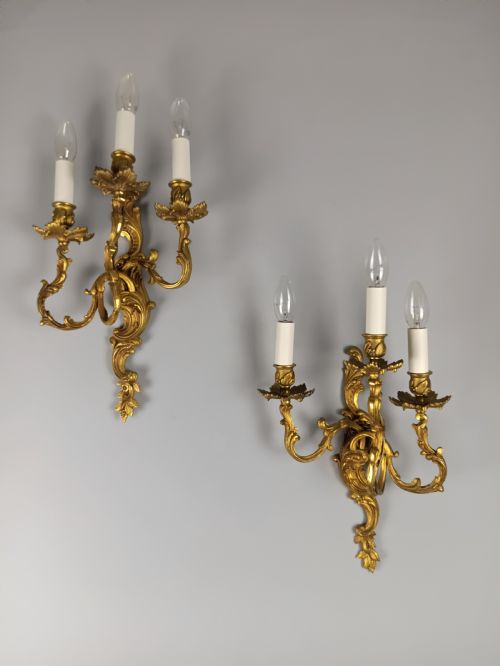
The prevailing forms on this page include French Rococo, Neo-Classical, and Louis XVI styles, frequently taking the shape of wall lights, appliques, and half lanterns. Materials range from genuine gilt bronze and ormolu to gilded brass and standard bronze.
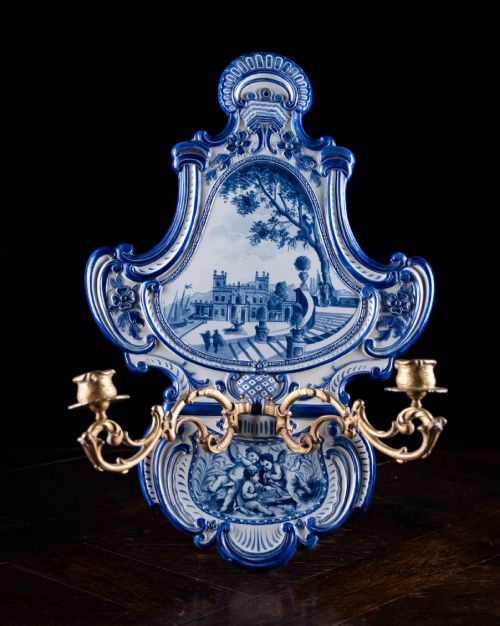
Makers such as Casier and Villeroy & Boch appear alongside numerous unmarked French examples shaped with cherubs, ram's head masks, and flaming torch designs. These fixtures serve to illuminate corridors and principal rooms while displaying historical decorative motifs.
Materials and Construction Techniques
Makers constructed these wall lights using bronze, brass, and metal substrates that underwent intricate casting and chasing processes. Artisans applied mercury gilding or modern electroplating to achieve the characteristic golden ormolu surface finish.
Certain pieces incorporate supplementary elements such as glass, onyx, champleve enamel, and porcelain flowers to enhance the decorative impact of the metalwork. Many surviving examples show evidence of later rewiring to accommodate contemporary electrical standards while retaining their historic frames.
Listings feature items dated from the Georgian era through the 1930s, constructed predominantly in gilt bronze, brass, and ormolu.
Distinctions in Quality
Quality in vintage ormolu sconces depends upon the crispness of the bronze casting and the depth of the hand-chased detail visible in the acanthus leaves, scrollwork, and figurative elements. Superior pieces exhibit sharper relief and heavier metal substance compared to lighter, more softly cast alternatives.
The refinement of the gilding process marks another division, with preserved fire-gilt surfaces displaying a warmer, more durable lustre than standard applied finishes. Complete sets of four or six matching fixtures represent a higher level of original commissioning than isolated pairs.
Casier·Villeroy & Boch
The Vintage Ormolu Sconces Glossary
- Ormolu
- A golden-coloured metallic finish applied to bronze or brass mounts, derived from the French term for ground gold.
- Applique
- A wall-mounted light fixture designed to hold candles or electrical lamps, synonymous with a wall sconce.
- Champleve
- An enamelling technique where troughs are sunk into a metal surface and filled with vitreous colour before firing.
- Rococo
- An ornate design style characterised by asymmetric scrollwork, shell motifs, and naturalistic curves popular in French decorative arts.
- Neo-Classical
- A decorative movement drawing inspiration from classical antiquity, featuring symmetrical lines, urns, and torch motifs.
Vintage Ormolu Sconces: Frequently Asked Questions
How do I wire antique wall sconces?
Professional electricians handle the internal wiring of vintage sconces to ensure safety compliance with current regulations. Many pieces arrive already adapted for modern electrical circuits.
Installers secure the metal backplate directly to wall junction boxes using standard mounting hardware supplied with the fixture.
Were these lights originally for candles?
Most nineteenth-century wall lights and appliques were manufactured to receive wax candles before widespread domestic electrification took place. Makers designed the drip pans and nozzles specifically to catch melting wax.
Subsequent generations converted these candleholders to electricity by running wires through the hollow cast arms during the twentieth century.
How do I distinguish French styles?
Rococo sconces feature asymmetrical scrolls, shell shapes, and exuberant floral details typical of eighteenth-century revivals. Neo-Classical examples rely on geometric symmetry, flaming torches, ram's head masks, and architectural urns.
Examining the casting motifs helps determine whether a piece follows Louis XVI conventions or later revival periods.
Can I clean ormolu surfaces safely?
Dusting with a soft, dry cloth removes surface particles without disturbing the underlying metallic finish. Avoid abrasive metal polishes that strip away historic gilding from the bronze base.
Professional conservators handle deep cleaning when oxidation obscures the original golden tone of the metal.