


Gilded Branch Wall Light
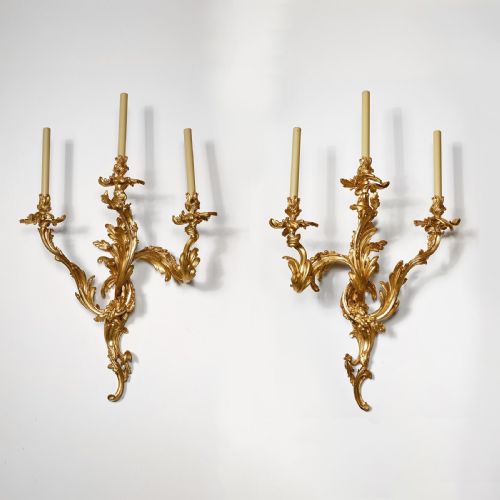
A gilded branch wall light brings organic form and warm metallic reflection to an interior, channelling centuries of decorative art.
Gilded Branch Wall Light
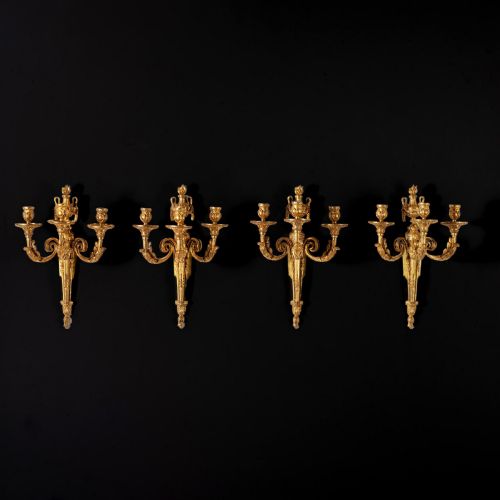
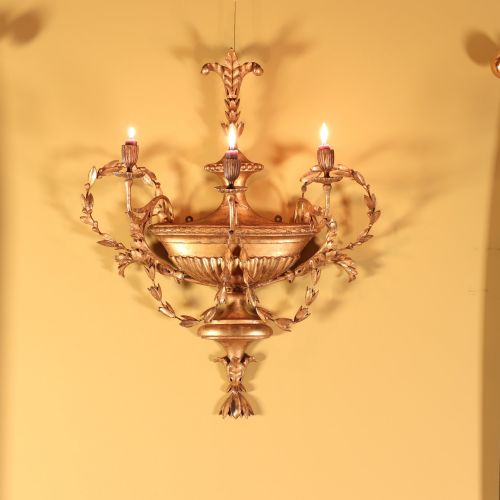
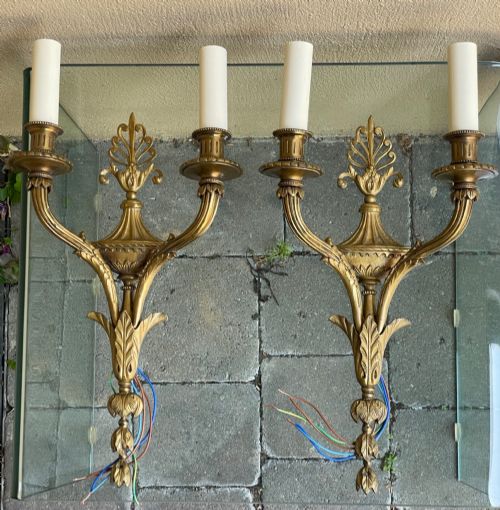
A gilded branch wall light takes the form of natural boughs and leaves, rendered in metal or carved wood to hold candles or electric lamps. When buyers search for a gilded branch wall light, they encounter objects spanning from the eighteenth century through to the twentieth, with French examples particularly common.
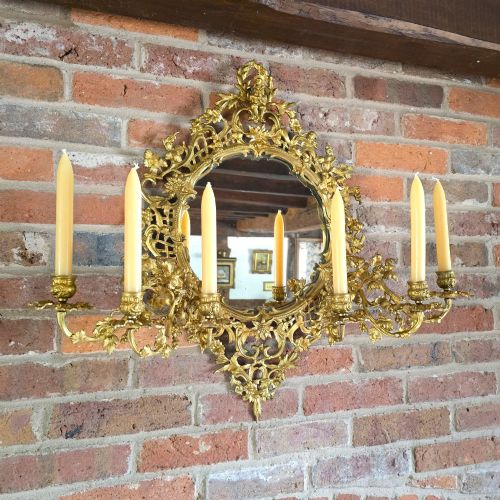
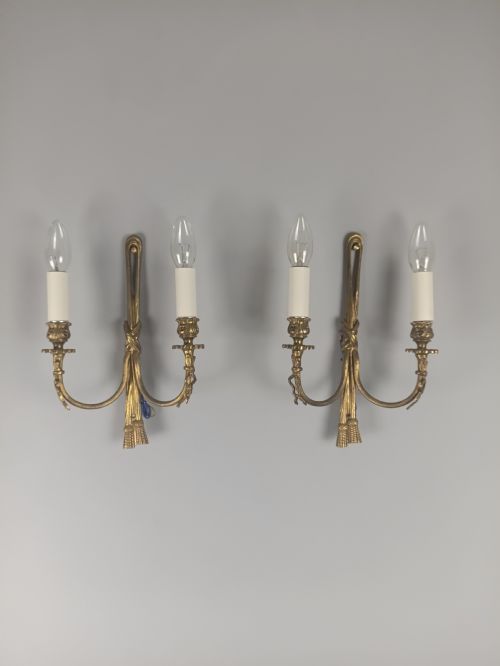
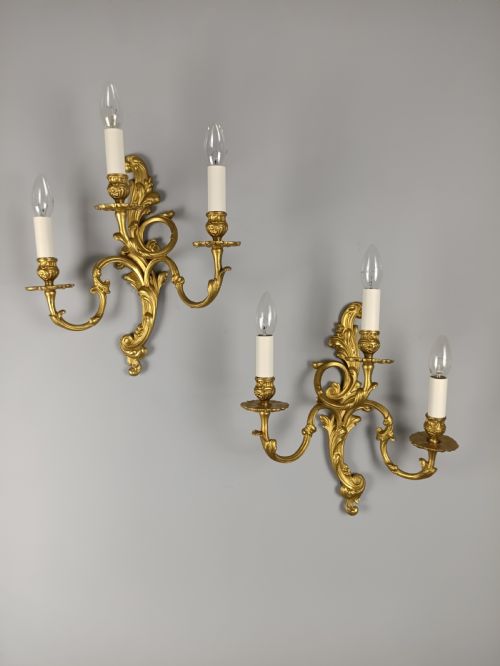
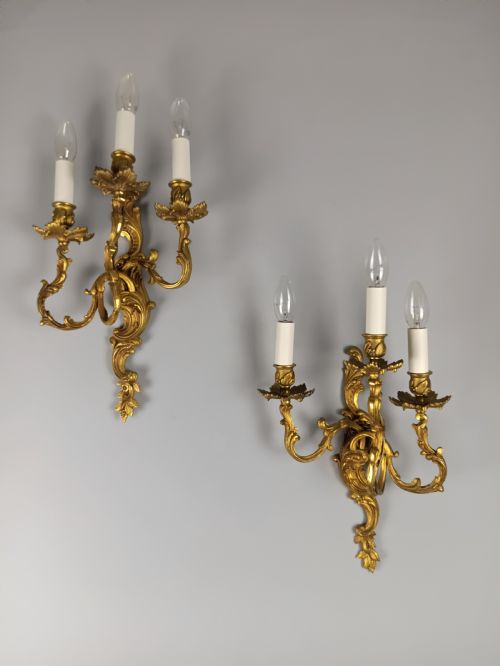
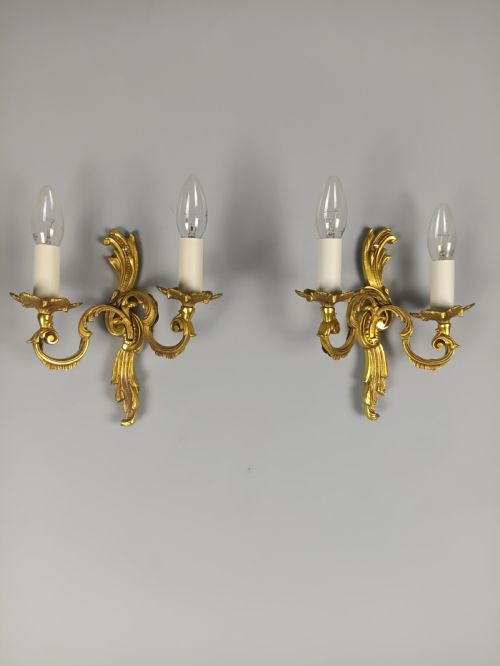
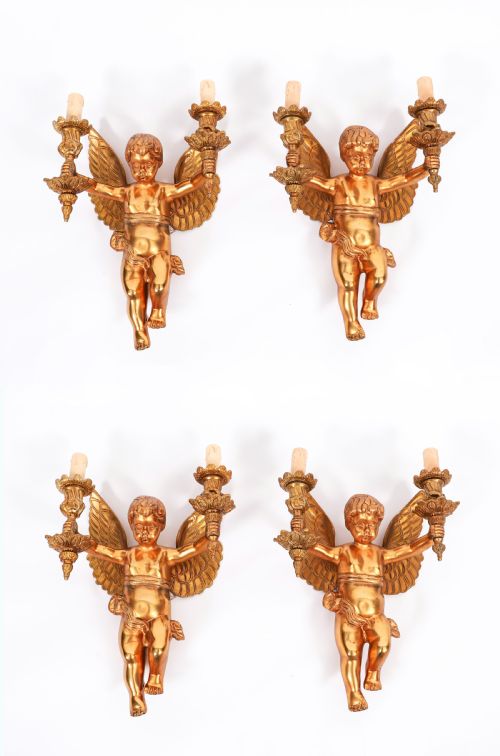
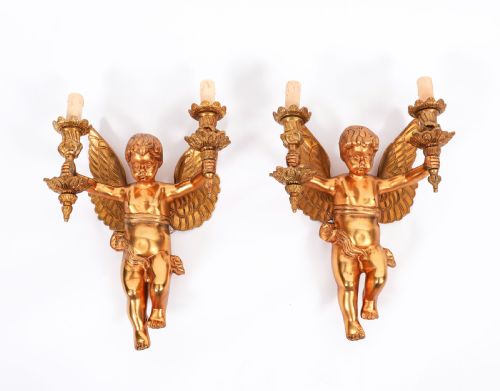
The selections on this page range from two-branch sconces to large multi-armed appliques and girandole mirrors. Eighteenth-century and nineteenth-century pieces display high levels of sculptural detail, while twentieth-century examples frequently utilise cast brass and gilt finishes to evoke earlier rococo and neoclassical motifs.
How they were made
Artisans built these fixtures using carved wood such as giltwood, or cast metals including ormolu, bronze, and brass. Gesso provided a smooth preparation layer for gold leaf application on wooden frames, creating a luminous surface.
Metal components were cast, chased by hand to sharpen foliage and branch details, and then gilded using gold leaf or ormolu techniques. Toleware variations introduced painted metal elements alongside gilded sections for botanical realism.
Materials span brass, ormolu, gilt bronze, giltwood, gesso, and gold leaf across periods from the eighteenth to the twentieth century.
What varies in quality
The depth and precision of the chasing on bronze and ormolu define the upper tier of production. Sharp leaf veins, naturalistic bark textures, and crisply articulated casting separate finer workshops from mass-produced commercial items.
The integrity of the gilding surface dictates the visual impact of the piece. Hand-applied gold leaf and well-preserved ormolu retain a soft, multifaceted glow that lesser painted or chemical finishes fail to replicate over time.
The Gilded Branch Wall Light Glossary
- Ormolu
- Finely chased gilt bronze, created by applying a mercury and gold amalgam to bronze and firing it. This technique produced a rich, durable golden finish popular in French decorative arts.
- Giltwood
- Timber, usually lime or pine, carved and coated with gesso before the application of gold leaf. It provided a lighter, structurally versatile alternative to solid metal for wall appliques.
- Girandole
- A branched wall light incorporating a mirror backplate. The reflective glass amplified the candlelight within the room.
- Applique
- A wall-mounted decorative light fitting or sconce. The term frequently appears in French lighting terminology.
- Gesso
- A plaster-like mixture applied to wood surfaces as a base for gilding. It allowed carvers to achieve smooth contours before laying gold leaf.
Gilded Branch Wall Light: Frequently Asked Questions
How do I clean a gilded branch wall light?
Dust gently with a soft, dry brush to protect delicate leaf details and the underlying gold leaf or ormolu surface.
Avoid liquid cleaners, abrasives, and chemical polishes, as these can strip the gilding or damage vulnerable gesso layers.
Are these lights suitable for modern electrical wiring?
Many surviving fixtures have been professionally rewired for modern electrical standards while preserving their original structural components.
Buyers should consult listings for specific rewiring notes and verify compatibility with a qualified electrician before installation.
What is the difference between ormolu and gilded brass?
Ormolu involves a mercury-gilt bronze process associated with high-end historical manufacturing, yielding a deep, distinct lustre.
Gilded brass is typically a later or more commercial application of gold leaf or electroplating onto a brass base.