



Vintage Oriental Ceramic Vessel
A vintage oriental ceramic vessel brings centuries of kiln tradition into a room, offering striking form, colour and hand-painted detail.
Vintage Oriental Ceramic Vessel
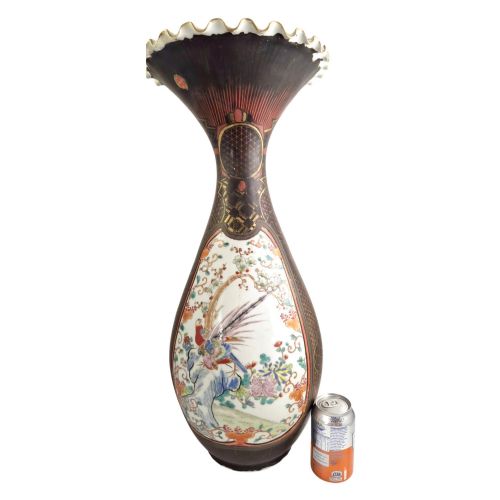
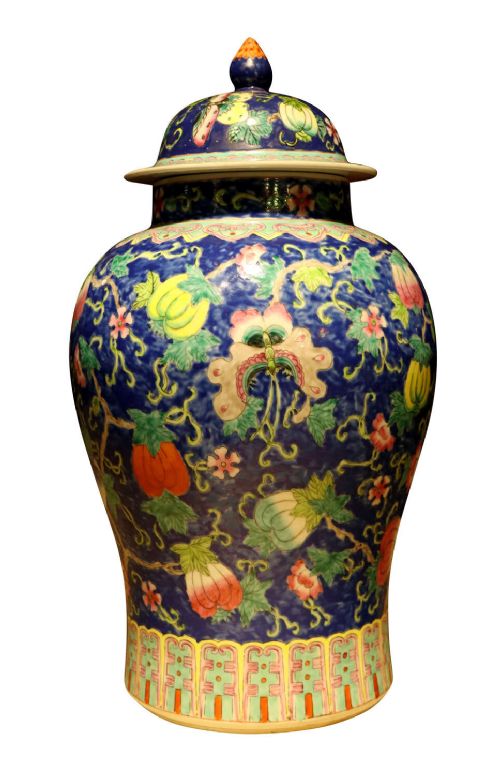
A vintage oriental ceramic vessel encompasses a broad spectrum of Far Eastern and European-inspired forms, ranging from ginger jars and tea caddies to monumental baluster vases and decorative bowls. Buyers seeking these items encounter works spanning the eighteenth, nineteenth and twentieth centuries, originating from Chinese dynasties, Japanese periods such as Meiji and Taisho, and selected European manufactories.
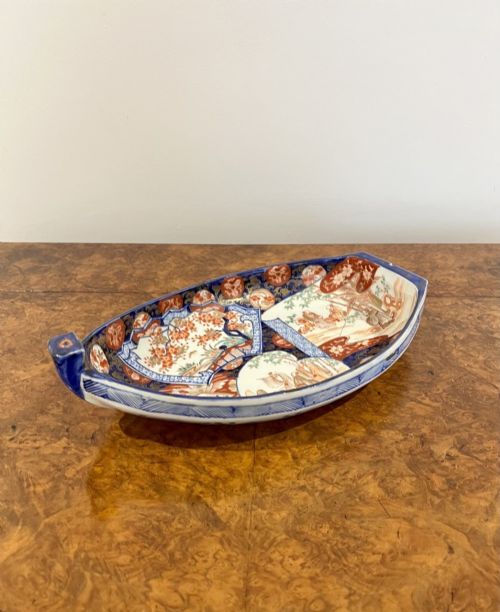
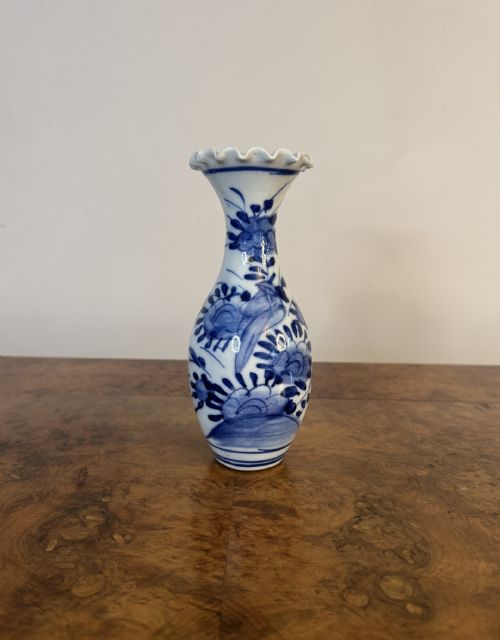
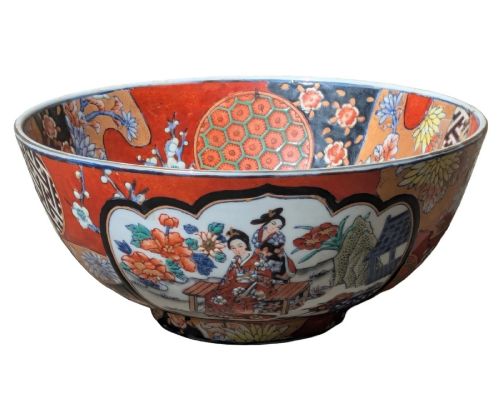
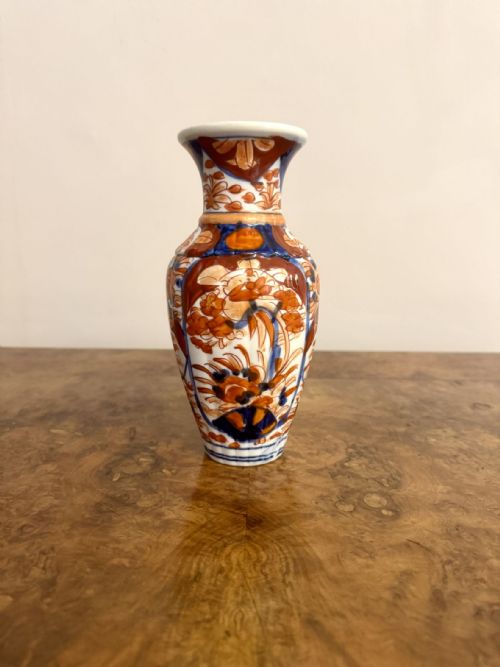
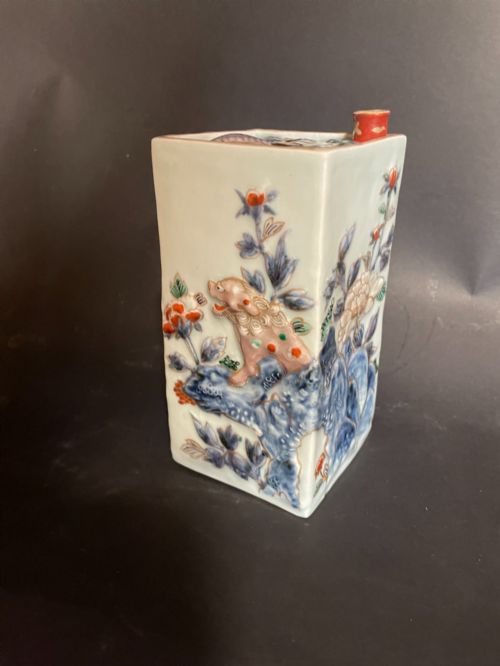
The most common examples on this page are Japanese Imari porcelain vases and bowls, alongside Chinese blue and white ginger jars and intricately decorated Satsuma earthenware pieces. These functional and decorative objects reflect diverse domestic and export traditions, utilising forms designed for display, storage or ritual use.
How they were made
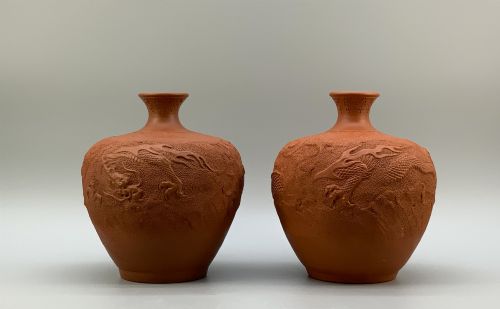
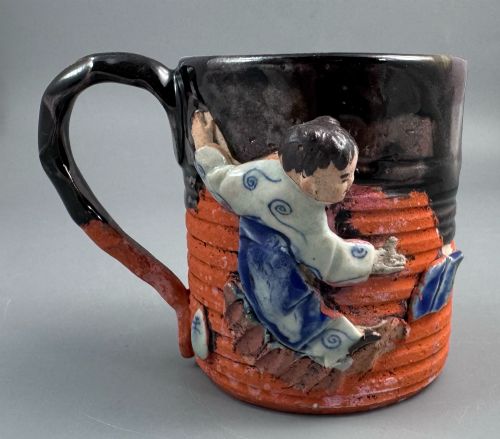
Potters shaped these vessels from porcelain, earthenware and red clay, employing techniques handed down through generations of guild artisans and factory workers. Cobalt glaze, polychrome enamels and gold leaf were applied by hand to the clay bodies before or after high-temperature kiln firing, sometimes complemented by applied figures or lacquer over-paint.
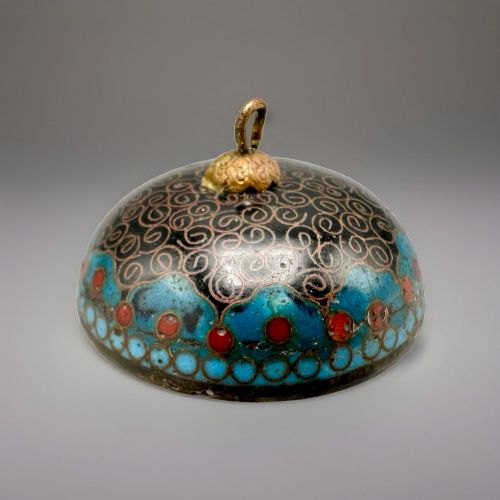
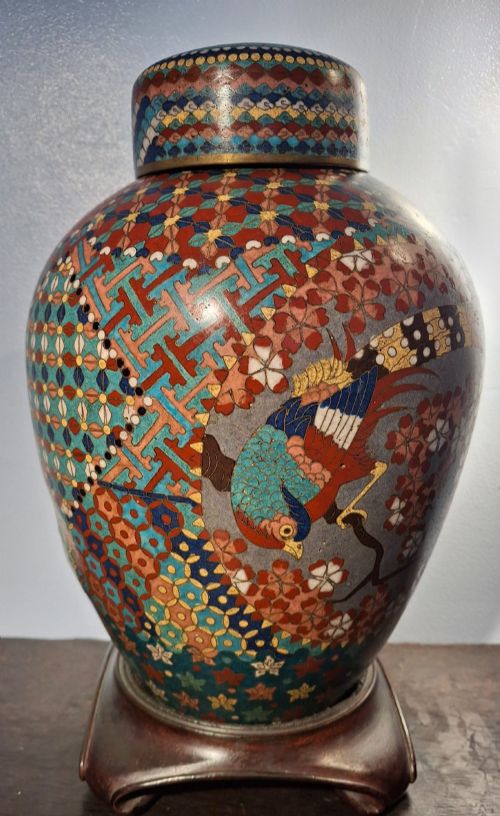
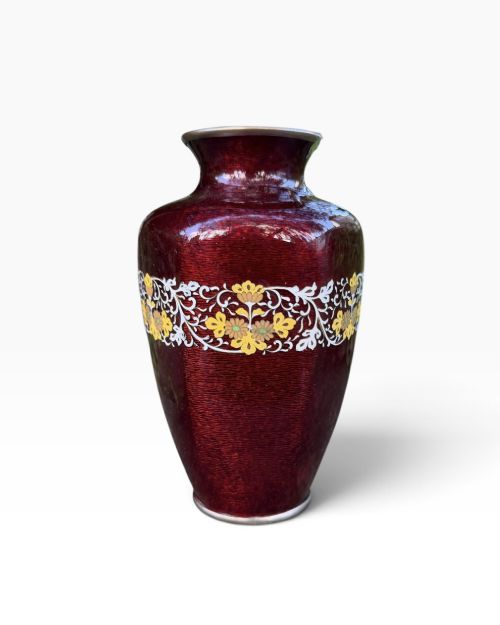
Specialised workshops also utilised cloisonné enamel on metallic bases, or sculpted detailed motifs such as dragons, phoenixes and figural processions directly onto the ceramic surface. The integration of glaze effects, such as cobalt blue underglaze and copper accents, dictated the final visual depth of each vessel.
Vintage Oriental Ceramic Vessel Retail Price Guide 2026
Typical asking prices for vintage oriental ceramic vessel among the pieces listed under this phrase on Sellingantiques today, from the lower quarter to the upper quarter. They describe what is for sale here now, not the wider market.
Listings feature both Chinese and Japanese ceramic vessels, spanning porcelain, earthenware and cloisonné enamel across multiple nineteenth and twentieth-century periods.
What varies in quality
The standard of a vessel rests upon the precision of its hand-painting, the control demonstrated during kiln firing, and the crispness of moulded or applied details. Superior examples display balanced composition, rich and stable enamel colours, and refined execution in details such as gold leaf work and figural expressions.
Lesser pieces exhibit hasty brushwork, muddy glaze pooling or uneven colour saturation, pointing to mass production rather than individual workshop care. The distinction lies in the harmony between the ceramic form and its surface ornamentation.
Carlton Ware·Royal Doulton·Herend
The Vintage Oriental Ceramic Vessel Glossary
- Imari
- A style of Japanese porcelain featuring a distinctive palette of underglaze blue, iron red and gold, produced primarily for export. These pieces often display intricate floral and geometric panels.
- Satsuma
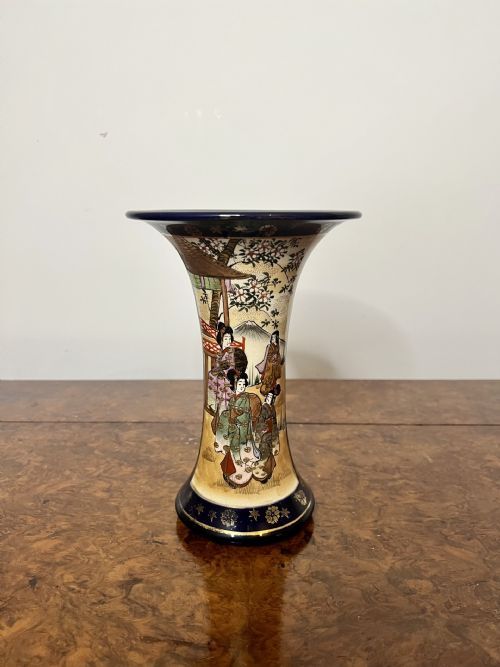
- A type of Japanese earthenware characterised by a crackled ivory glaze and dense polychrome enamel decoration heightened with gold. It frequently depicts historical figures, deities and natural scenes.
- Ginger jar
- A ceramic vessel with a broad shoulders and a domed cover, originally designed for storing spices and salt. Later periods produced them purely for decorative interior display.
- Cloisonné
- A technique where enamel paste is applied within compartments created by soldered metal wires on a vessel body. The piece is subsequently fired and polished to a smooth finish.
- Famille rose
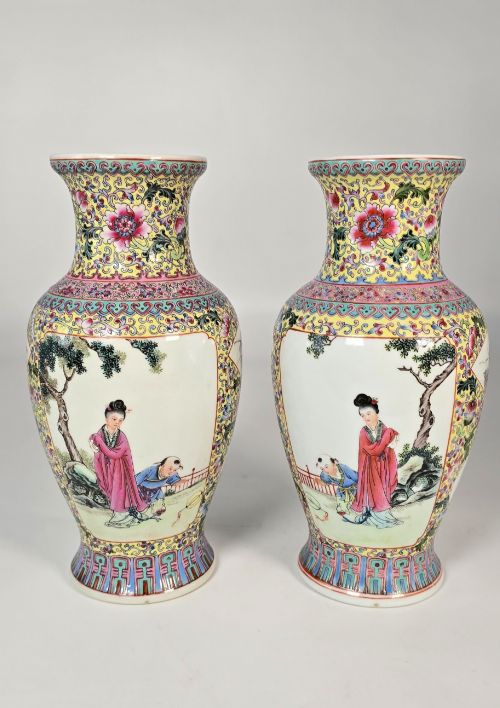
- A major palette of Chinese ceramic overglaze enamel decoration distinguished by an opaque pink or purple colour derived from colloidal gold. Introduced in the Qing dynasty, it allowed for subtle tonal gradations in floral and figural motifs.
- Baluster
- A vase shape characterised by a rounded body that tapers toward the base and swells near the lower portion, resembling an architectural column support.
Vintage Oriental Ceramic Vessel: Frequently Asked Questions
How were ginger jars used originally?
These lidded vessels served primarily for the storage and transport of valuable commodities such as spices, salt and oil in traditional households.
Over time, their pleasing proportions made them desirable ornaments for domestic interiors, shifting their function from utilitarian containers to decorative centerpieces.
How do I tell Satsuma ware apart from Imari?
Satsuma ware is an earthenware ceramic featuring an ivory-coloured crackle glaze and dense enamel paintings enhanced with gold leaf. It usually depicts figures or detailed nature scenes.
Imari is a harder porcelain characterised by a distinct palette dominated by cobalt blue, rust red and gold, typically showing geometric and floral patterns rather than crackled glazes.
Can these vessels be used for fresh flowers?
Many of these vessels, particularly glazed porcelain vases and jars, hold water safely and serve effectively for floral arrangements.
However, delicate earthenware pieces, such as antique Satsuma or unglazed red clay items, benefit from dry display or a concealed liner to protect the porous historic body.
How do I identify the Meiji period?
The Meiji period corresponds to the reign of the Japanese Emperor Meiji, spanning the late nineteenth and early twentieth centuries. Pieces from this era often bear workshop signatures or marks reflecting the opening of Japanese trade to Western markets.
Stylistically, these objects combine traditional motifs like dragons and religious figures with high technical precision in enamelling and gilding.