



Vintage Open Storage Shelf
A vintage open storage shelf brings practical display and honest period character to any room, drawing on centuries of craftsmanship in oak, mahogany, and walnut.
Vintage Open Storage Shelf
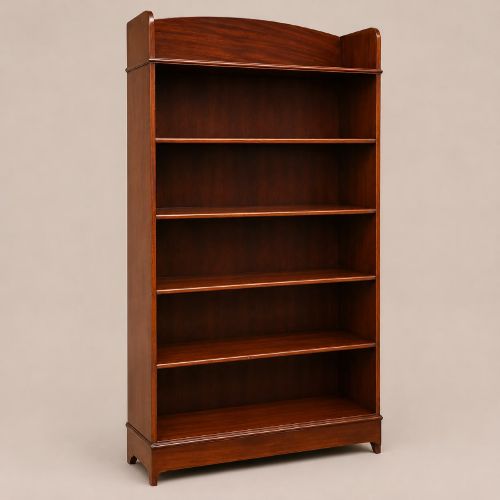
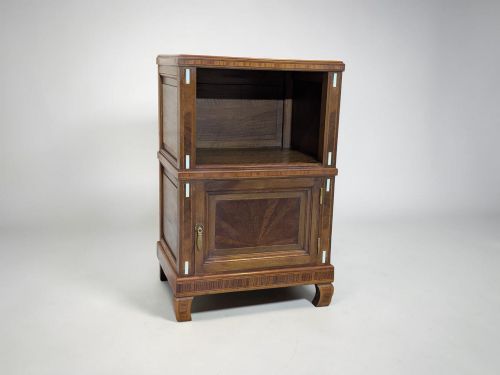
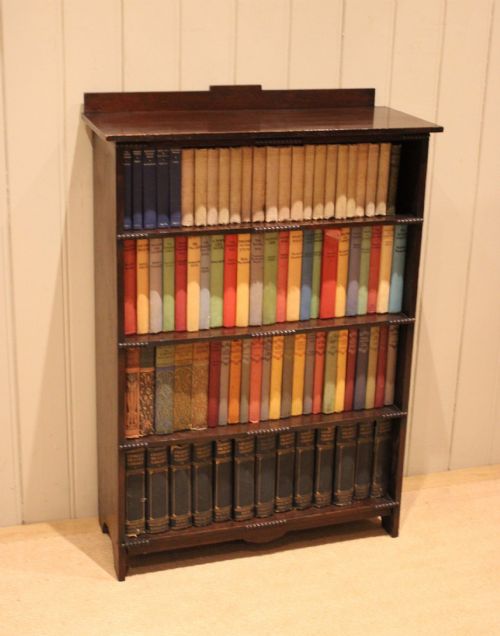
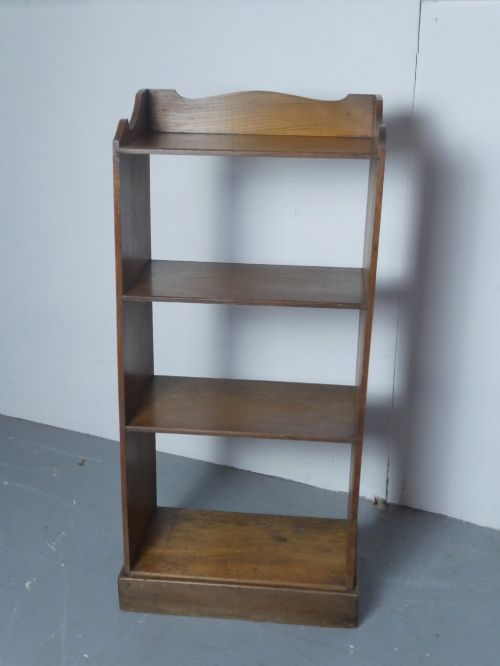
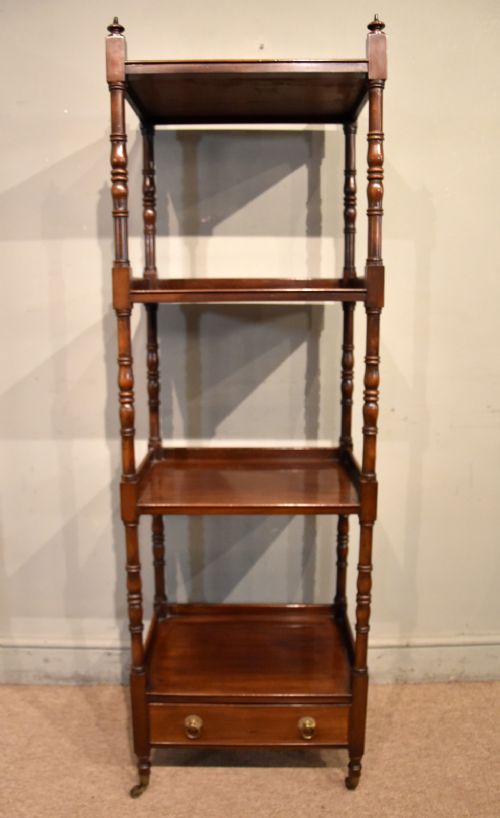
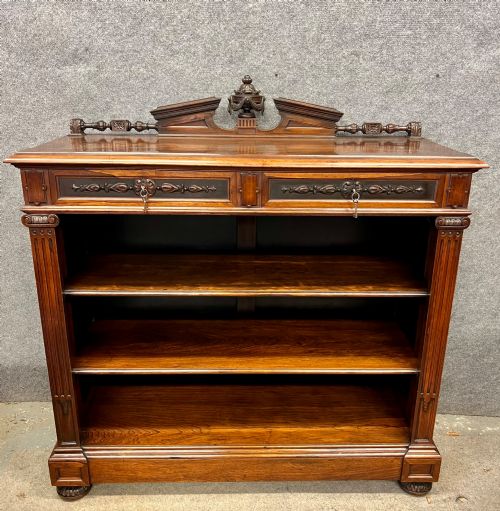
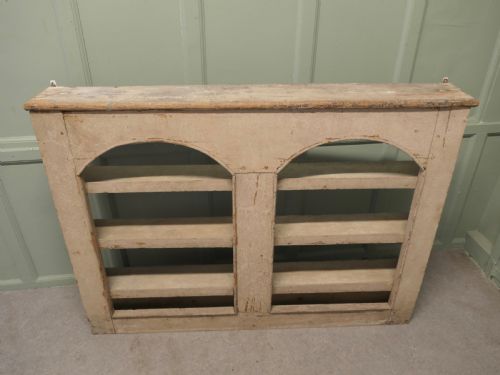
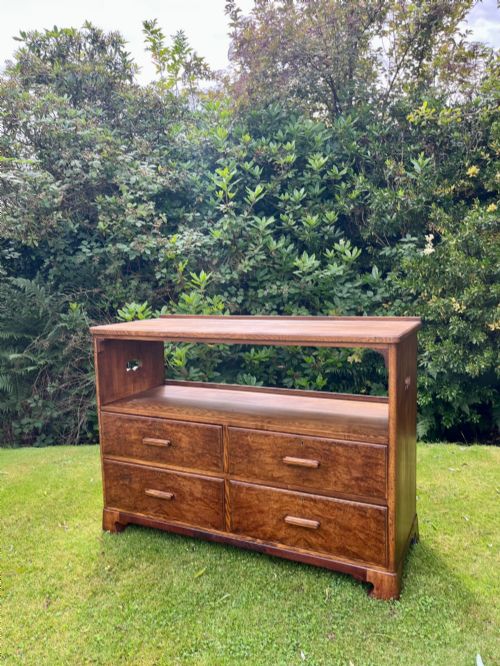
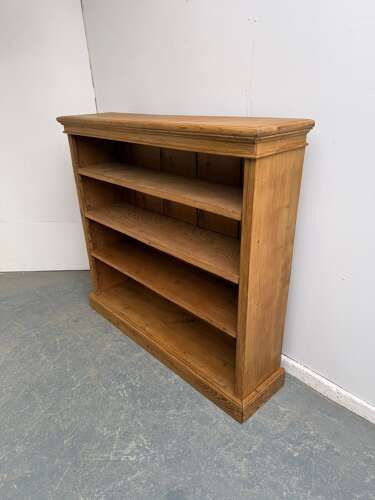
A vintage open storage shelf encompasses various domestic storage forms designed to display books, ceramics, and personal objects without concealing them behind solid doors. The selection ranges from compact wall-mounted shelving and tiered whatnots to substantial bookcases and bakers racks originating from the nineteenth and early twentieth centuries.
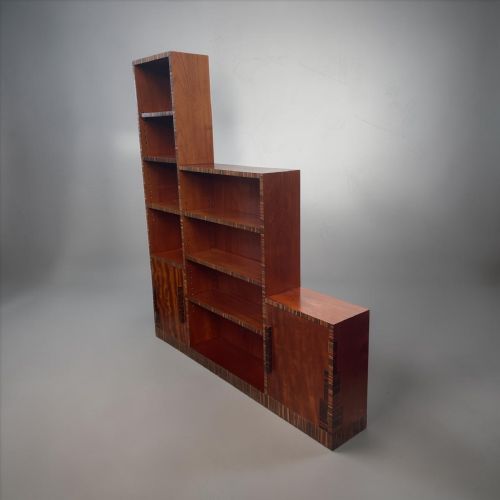
Oak and mahogany versions dominate the selection, appearing across distinct historical periods such as the Victorian and Edwardian eras alongside later twentieth-century Art Deco interpretations. Buyers encounter freestanding pieces with adjustable shelves, low bookcase configurations, and specialised display cabinets that reflect the architectural and domestic priorities of their original makers.
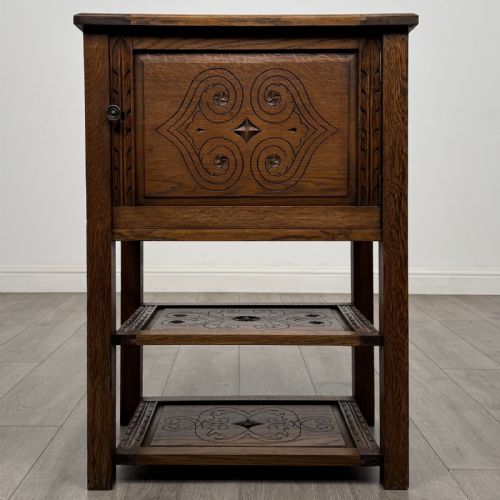
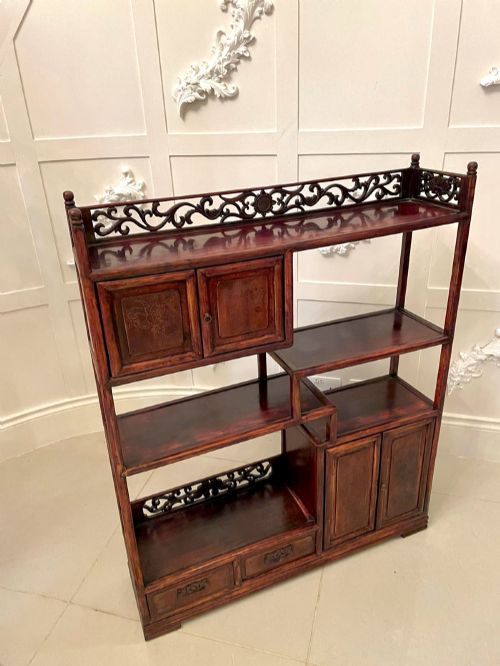
The regional and stylistic diversity spans simple pine country furniture, refined Regency waterfall designs, and elaborate Jacobean Revival or Chinese Qing style pieces. These storage solutions served different functions within historic interiors, from kitchen pantries to formal libraries and drawing rooms.
Materials and construction methods
Cabinet makers utilised a combination of hardwoods and softwoods, relying heavily on oak, mahogany, walnut, and pine depending on the intended formality and origin of the piece. Decorative touches such as brass hardware, glass panels, and intricate scroll-work iron occasionally complement the timber structures.
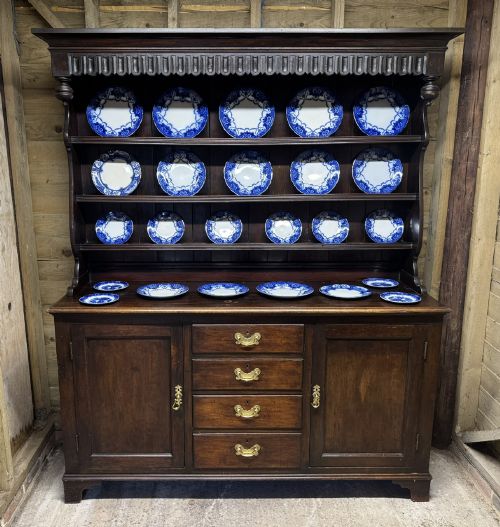
Construction techniques visible across the pieces include traditional joinery adapted for freestanding bookcases, wall shelves, and dressers. Many examples incorporate clever functional details like adjustable wooden shelving or integrated lower cupboards that provide concealed storage beneath the open tiers.
Vintage Open Storage Shelf Retail Price Guide 2026
Typical asking prices for vintage open storage shelf among the pieces listed under this phrase on Sellingantiques today, from the lower quarter to the upper quarter. They describe what is for sale here now, not the wider market.
The inventory spans multiple design movements, encompassing Arts and Crafts, Art Deco, French Country, and Chinese Qing style influences.
Distinctions in quality and execution
Quality in these storage pieces rests upon the selection of timber, the crispness of any inlaid decoration, and the integrity of the structural joinery. Finer examples display carefully matched wood grains, harmonious proportions, and thoughtful architectural details such as beaded edges or stepped profiles.
Simpler vernacular pieces rely on honest utility, where the charm derives from the patination of aged pine or oak rather than elaborate decorative embellishment. The distinction between standard domestic furniture and high workshop production lies in the precision of the construction and the refinement of the period style.
Whytock and Reid·Betty Joel·Maple and Co·Heals
The Vintage Open Storage Shelf Glossary
- Waterfall bookcase
- A graduated freestanding bookcase where each successive tier steps back from the one below it, creating a descending profile. This form gained popularity during the Regency period and remained favoured through the Edwardian era.
- Whatnot
- A multi-tiered open piece of furniture designed for displaying ornaments, books, or small collectables. These typically feature three or four open shelves supported by slender uprights.
- Breakfront
- A large cabinet or bookcase where the central section projects forward from the flanking outer sections. This architectural arrangement adds visual depth and presence to substantial walnut or mahogany pieces.
- Bakery rack
- A utilitarian metal or iron storage structure, often featuring open wire or slatted shelves, originally utilised in commercial settings before finding a place in domestic interiors.
- Jacobean Revival
- A style popular in late nineteenth and early twentieth-century furniture production that reinterprets seventeenth-century English motifs, frequently characterised by dark oak, bold mouldings, and robust proportions.
Vintage Open Storage Shelf: Frequently Asked Questions
How do I date a vintage open bookcase?
Dating relies on identifying period characteristics in the timber, hardware, and stylistic execution. Victorian and Edwardian pieces often display distinct revival motifs, while 1930s examples introduce stepped profiles and simpler geometric lines.
Examining the construction methods and the specific wood types used, such as mahogany in earlier pieces or oak in Arts and Crafts iterations, helps narrow down the decade of production.
Are the shelves usually adjustable?
Many period bookcases and display shelves feature adjustable wooden shelving supported by traditional wooden bearers or metal tracks. This adaptability allows modern users to accommodate books and objects of varying heights.
Not all antique open storage pieces include this feature, as simpler vernacular pieces and certain wall shelves were constructed with fixed tiers.
What is the difference between a dresser and a bookcase?
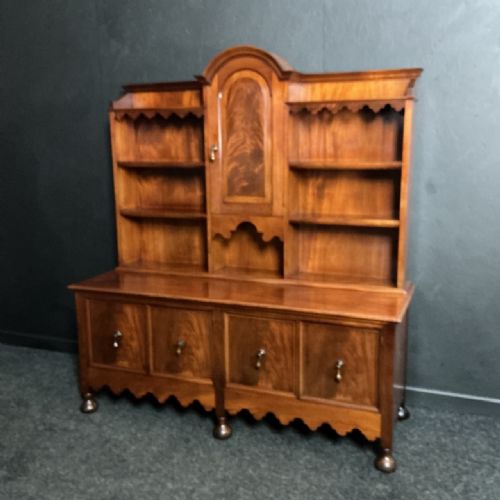
A dresser traditionally combines open or closed upper shelving with a lower section comprising cupboards or drawers, originating primarily from kitchen and dining environments. Bookcases focus strictly on shelf storage for books, though some hybrid forms include a small lower cupboard.
Both forms utilise materials like oak, pine, and mahogany, but their historical placement within the home dictated their structural arrangement.
How should I care for antique wood furniture?
Maintaining vintage timber involves keeping pieces away from direct heat sources and fluctuating humidity to prevent the wood from warping or splitting. Regular dusting with a soft, dry cloth preserves the natural finish and accumulated patination.
Occasional treatment with appropriate wax helps nourish older woods like oak, walnut, and mahogany without building up heavy chemical residues.