


Vintage Open Salt Cellars
These vintage open salt cellars bring table settings from past centuries back to life, offering small vessels that combine everyday function with exquisite craftsmanship.
Vintage Open Salt Cellars
When you search for vintage open salt cellars, you encounter small decorative dishes designed to hold loose salt on the dining table before the invention of the free-flowing shaker. The examples found here span diverse periods including Victorian, Edwardian, and the twentieth century, reflecting shifting tastes in tableware.
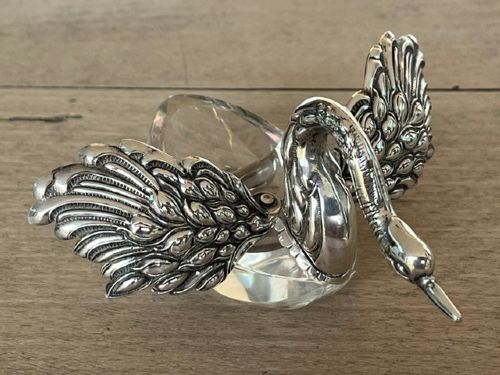
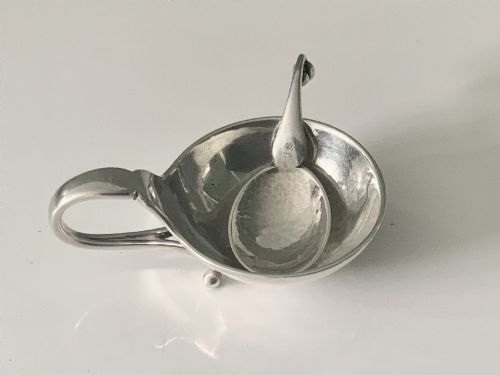
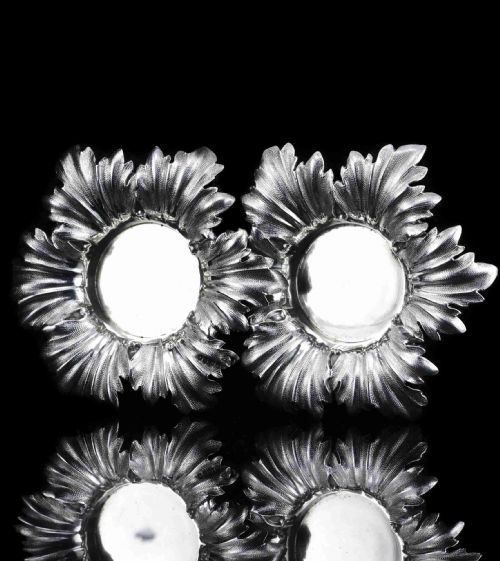
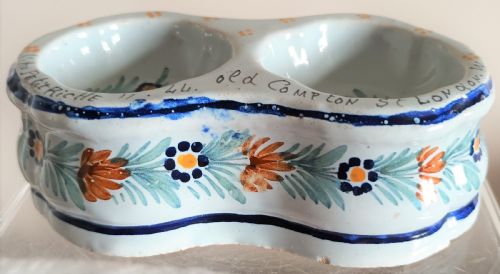
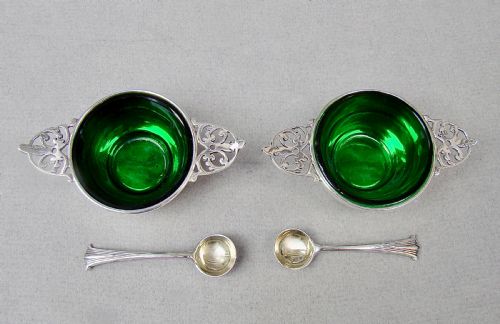
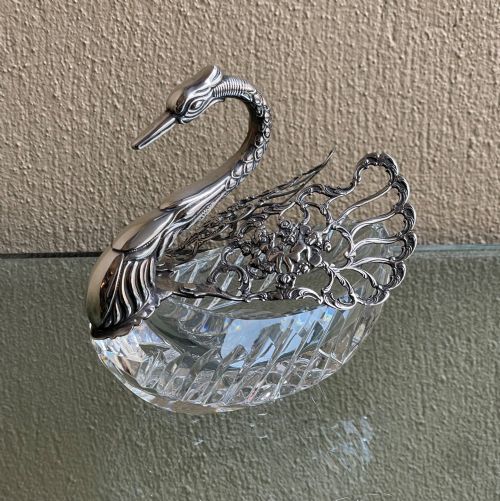
You meet various forms ranging from simple glass bowls and ceramic double salts to novelty pieces shaped like swans and quaichs. Many appear as matched pairs or complete sets accompanied by their original spoons, ready for modern use.
The origins stretch across English workshops, French faience potteries, and continental silversmiths, capturing centuries of dining customs in miniature form. These vessels served wealthy households and modest homes alike, evolving from utilitarian objects into decorative table accessories.
What varies in quality
The clarity of the cut glass, the crispness of chased foliate details on silver, and the precision of hand-painted ceramic glazes distinguish finer specimens from standard wares. Maker marks and hallmarks provide tangible evidence of origin and workshop standards.
The survival of original components, such as cobalt glass liners or matching spoons, significantly influences the integrity of a set. Substantial metal weight and robust construction separate master silver work from lighter plated alternatives.
Silver swans with movable wings double as miniature tableware, ready to glide across the dining table.
Georg Jensen·Barnards·Josiah Williams & Co·Mason
The Vintage Open Salt Cellars Glossary
- Salt cellar
- A small open dish designed to hold salt on the dining table before table salt was dispensed from shakers. These vessels often rested near each place setting or at intervals along the board.
- Faience
- Tin-glazed earthenware originating in France and other European regions. This ceramic technique allows for colourful hand-painted decoration across a smooth white surface.
- Quaich
- A traditional Scottish two-handled drinking vessel adapted in some instances as a novelty silver salt. The shallow bowl and flat lugs provide a distinct silhouette.
- Ironstone china
- A type of durable earthenware patented in the nineteenth century. It offered a robust alternative to porcelain for heavy-use tableware.
- Chasing
- A metalworking technique where the smith pushes the metal from the front using hammers and punches to raise decorative surface patterns without removing material.
Vintage Open Salt Cellars: Frequently Asked Questions
How were open salt cellars used at the table?
Diners used a small salt spoon or pinched salt directly from the open dish to season their food individually.
Servants placed these vessels at intervals along the dining table or beside each guest during formal meals.
Why do many silver salts have glass liners?
Salt is highly corrosive and can pit or damage silver over prolonged periods of contact.
Removable glass and cobalt liners protected the precious metal bowls while allowing easy cleaning.
Can I still use vintage salt cellars today?
These pieces function well on modern dining tables for serving flaky sea salt, condiments, or small appetisers.
Careful hand washing preserves the delicate silver surfaces, enamel work, and glass liners.
How do I identify the period of a salt cellar?
Hallmarks on silver items provide specific date letters and maker marks linked to assay offices.
Stylistic cues such as Victorian foliate chasing or Art Deco geometric lines also indicate the era of manufacture.