


Vintage Open Display Cabinet
A vintage open display cabinet gives books and objects breathing room, and on this page you will find pieces ranging from Edwardian oak to Art Deco ash.
Vintage Open Display Cabinet
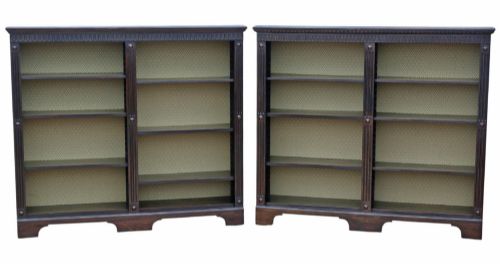
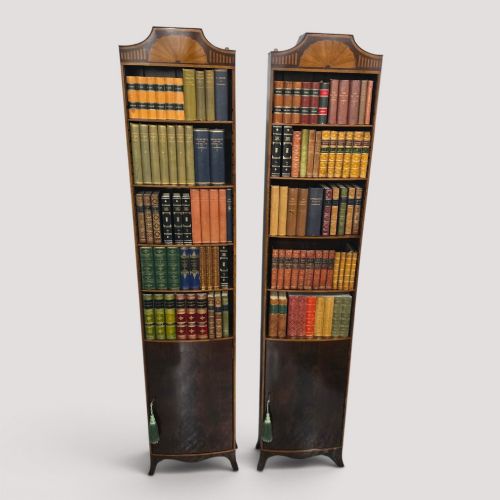
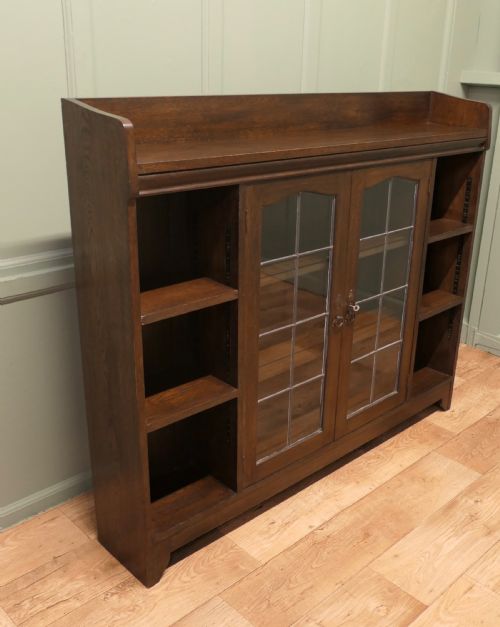
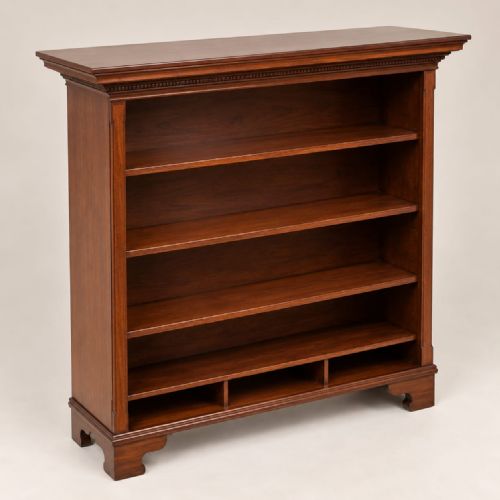
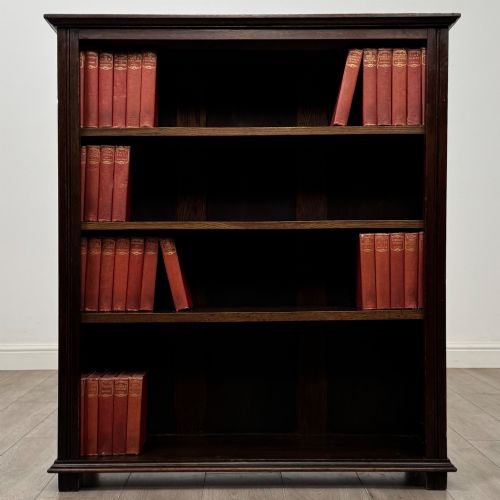
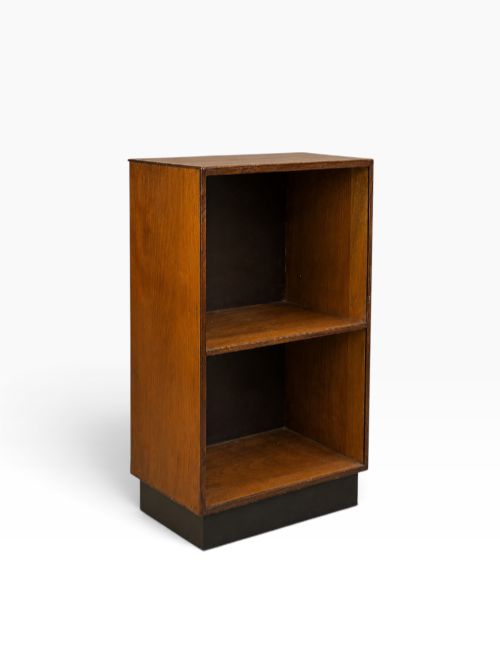
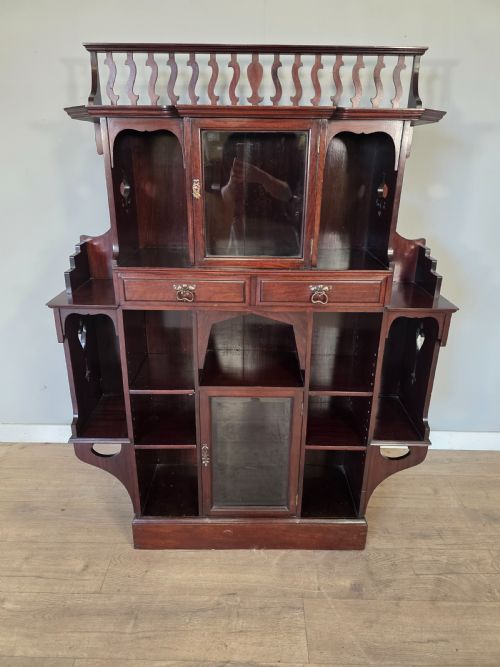
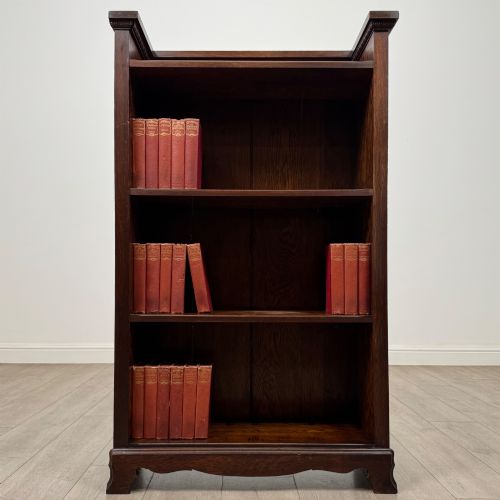
A vintage open display cabinet brings together bookcases, open shelving units, and dressers designed to show off collections without glass doors blocking the view. When you search for a vintage open display cabinet, you meet everything from Edwardian oak bookcases to nineteenth-century walnut library pieces.
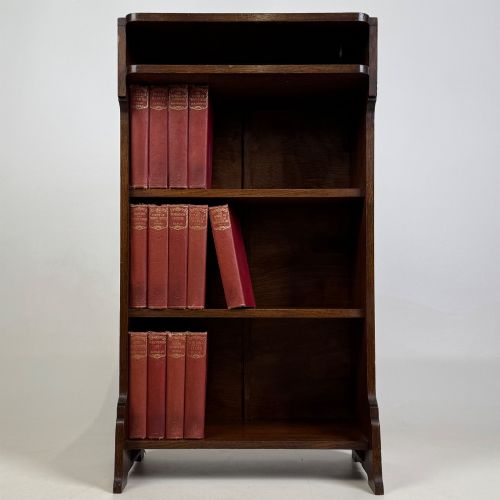
The material palette spans oak, mahogany, walnut, pine, and ash, taking forms from corner shelves and waterfall bookcases to large continental library pieces. Edwardian oak examples and nineteenth-century designs dominate the selection, offering accessible shelving for everyday rooms.
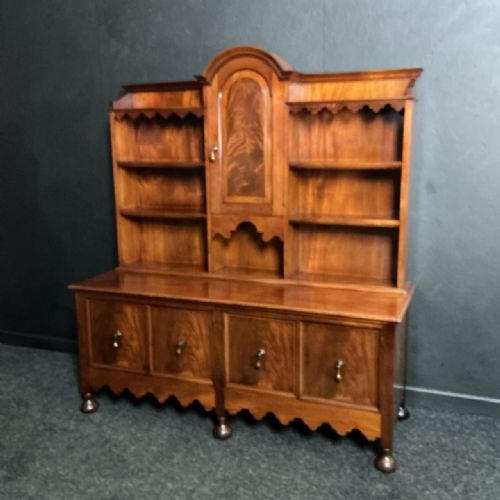
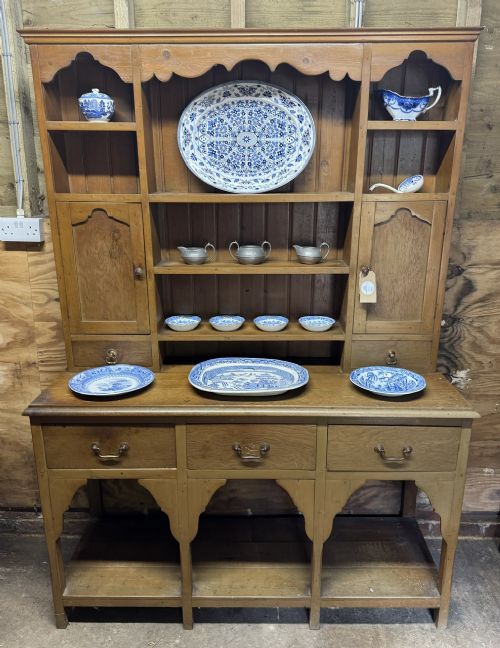
Regional variations appear across the periods, from French painted and walnut étagères to Welsh dressers in pine and golden oak. These items served different domestic needs, from storing kitchen pottery to organising scholarly libraries.
How they were made
Makers utilised solid hardwoods like oak, mahogany, and walnut alongside walnut veneer, satin birch, and pine, building carcases designed to support heavy volumes. Joinery methods relied on traditional cabinet-making techniques suited to the weight of books and display objects.
Surface treatments range from natural waxed finishes highlighting the grain of oak and pine to painted French surfaces and lacquer over bamboo. Details such as turned legs, carved solid wood, and brass fittings provide structural accent and period character.
Listings feature oak, mahogany, walnut, and pine across styles ranging from Regency and Victorian to Arts and Crafts and Art Deco.
What varies in quality
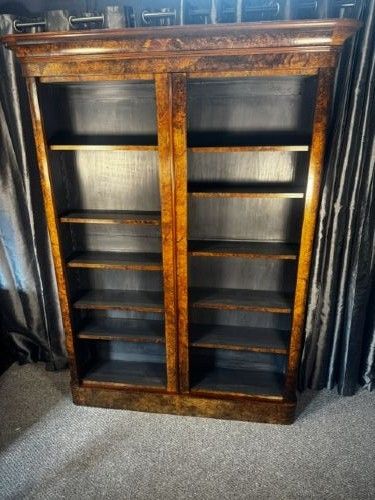
The standard of timber selection and veneer matching defines the upper tier of these cabinets, where figured burr walnut or rich mahogany shows careful grain planning. Lesser pieces employ plain or secondary timbers with simpler construction.
Proportion and architectural detailing separate standard production items from finer workshop pieces. Subtle elements like adjustable shelving mechanisms and crisp carving elevate a piece far above utilitarian storage.
Heals
The Vintage Open Display Cabinet Glossary
- Waterfall bookcase
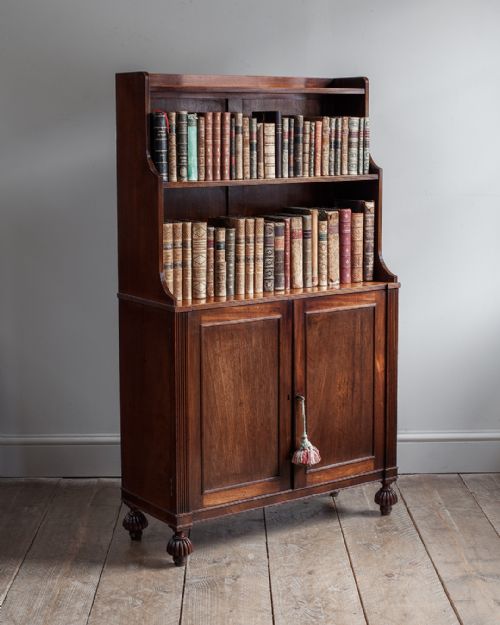
- A set of open shelves stepped back in tiers, where each shelf is narrower than the one below it. This style gained popularity during the Regency and Edwardian periods.
- Étagère
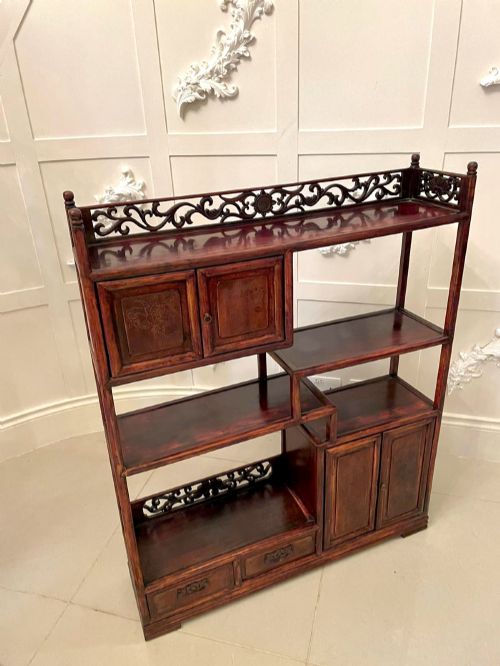
- A piece of furniture consisting of a set of open shelves for displaying small objects or ornaments. These freestanding display stands often feature turned legs and delicate framing.
- Welsh dresser
- A traditional dual-purpose item featuring base cupboards or drawers surmounted by open display shelving. They were traditionally built from pine or oak in rural workshops.
- Chiffonier
- A low cabinet or sideboard, sometimes fitted with upper shelves for display. Victorian and Georgian examples often combine enclosed lower storage with open upper display space.
- Veneer
- A thin layer of figured wood applied to a stable secondary timber carcase to create decorative surfaces. Burr walnut and mahogany veneers were widely utilised by cabinet makers.
Vintage Open Display Cabinet: Frequently Asked Questions
How do I style an open display cabinet?
Balance books standing vertically with volumes stacked horizontally to create varied heights on the shelves. Introduce ceramics or small sculptures to break up rows of spines and add visual depth.
Keep heavier volumes on the lower shelves to maintain visual weight and physical stability. Leave some empty space around objects so the cabinet retains an uncluttered appearance.
Are these cabinets suitable for heavy books?
Many period bookcases feature adjustable wooden shelves designed to bear substantial loads of volumes. Solid oak and mahogany carcases provide the necessary structural strength for heavy libraries.
Check the thickness of the shelves and the support system before loading them entirely with books. Pine and older veneer shelves may require careful distribution of weight.
How do I distinguish Edwardian oak from Victorian oak?
Victorian oak pieces often display heavier proportions, darker finishes, and more elaborate carved ornamentation. They reflect nineteenth-century tastes for dense, formal room schemes.
Edwardian oak items tend to show lighter golden tones, simpler linear forms, and less congested decoration. This reflects the turn-of-the-century shift toward brighter domestic interiors.
Where should I place an open display cabinet?
Position your cabinet out of direct sunlight to protect vulnerable wood finishes and book bindings from fading. Interior walls away from radiators prevent timber from drying out and warping.
Ensure the room has sufficient floor space so the open shelves do not impede movement. Alcoves and studies provide traditional settings that complement the architectural lines of these pieces.