





Vintage Open Book Display
Vintage open book display pieces bring timeless organisation to rooms, offering accessible shelving in oak, mahogany, and walnut across Edwardian, Victorian, and later periods.
Vintage Open Book Display
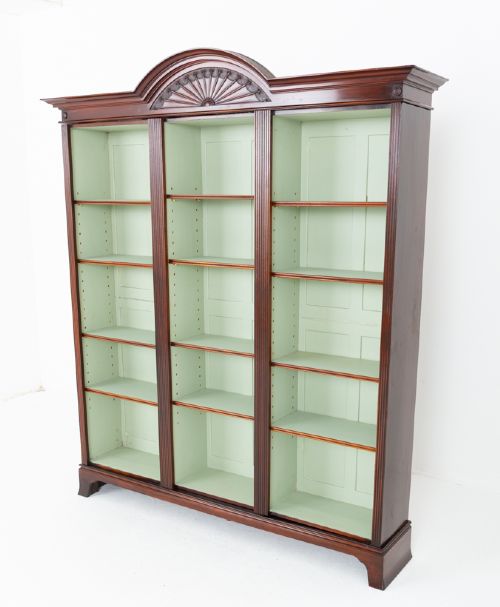
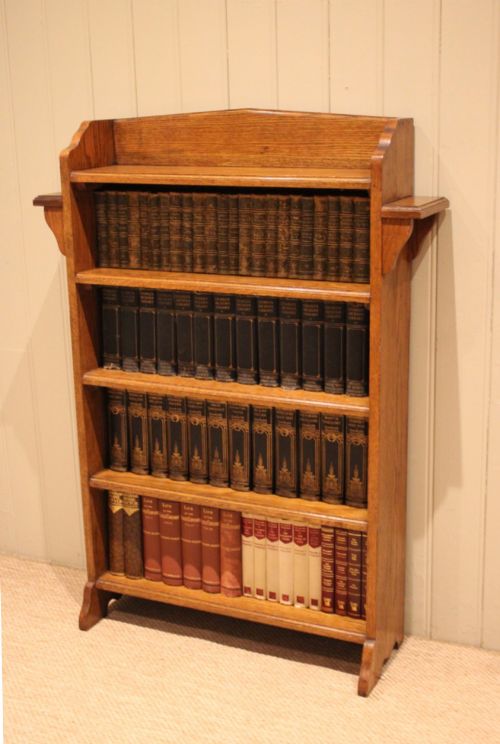
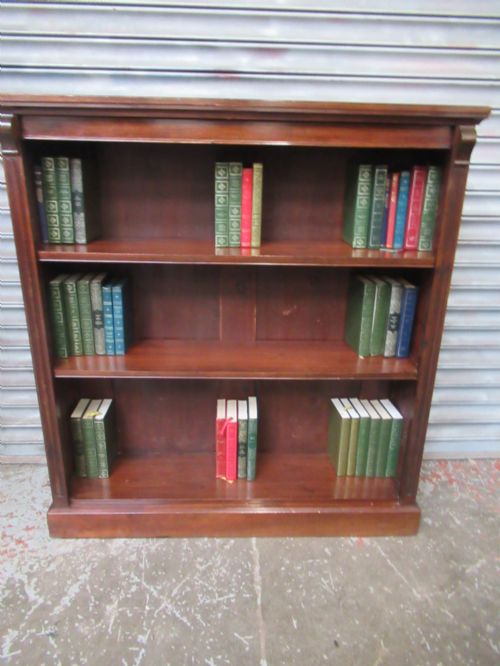
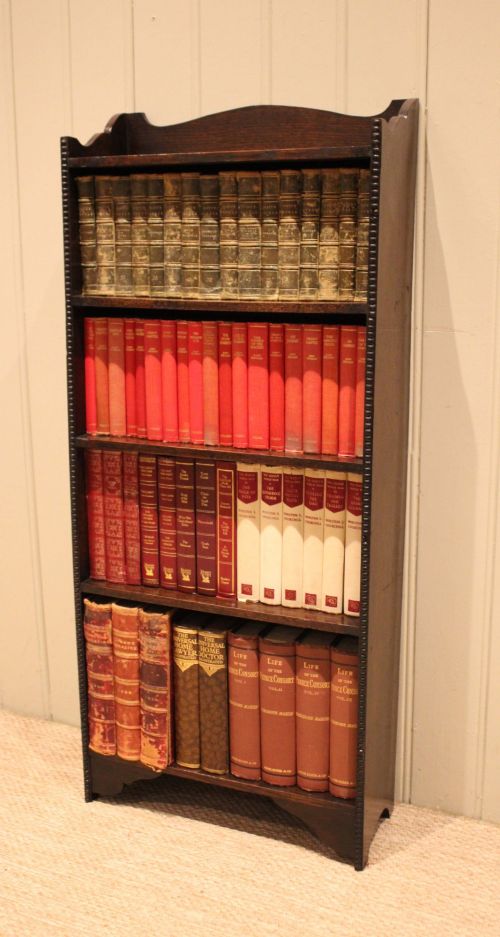
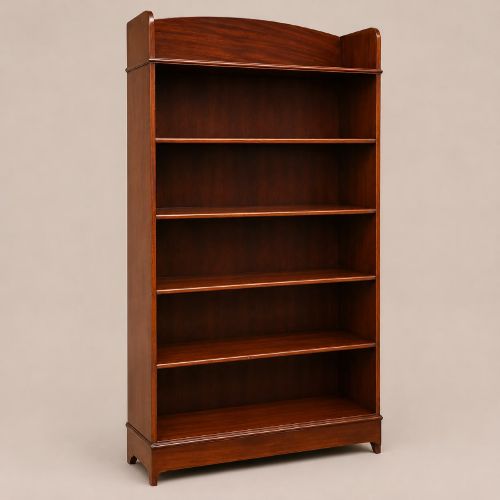
A vintage open book display provides accessible, front-facing storage for volumes and decorative objects without the barrier of cabinet doors. These items appear primarily in oak and mahogany, spanning styles from Edwardian and Victorian eras through to Art Deco and the early twentieth century.
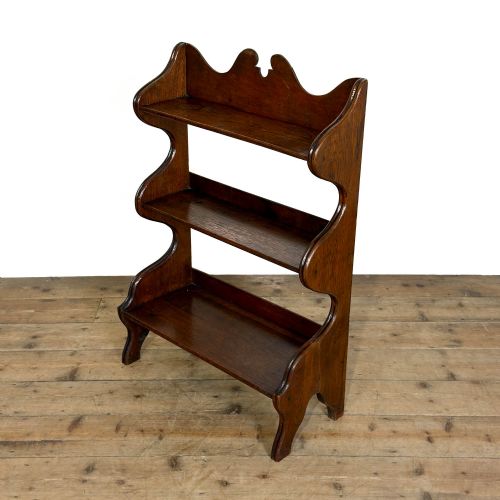
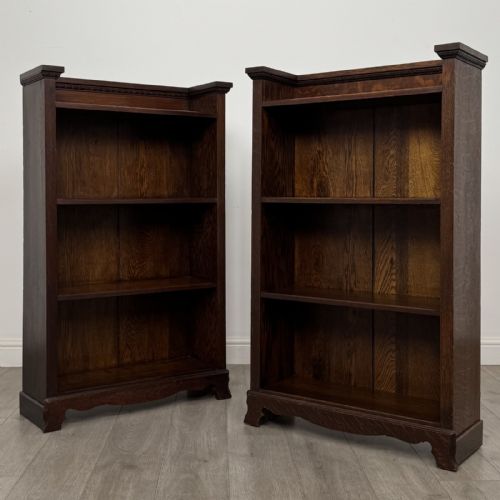
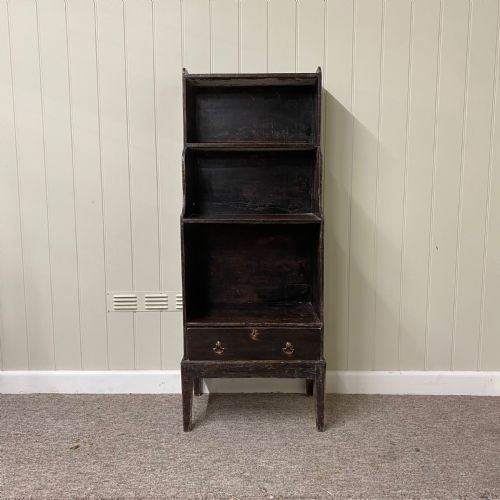
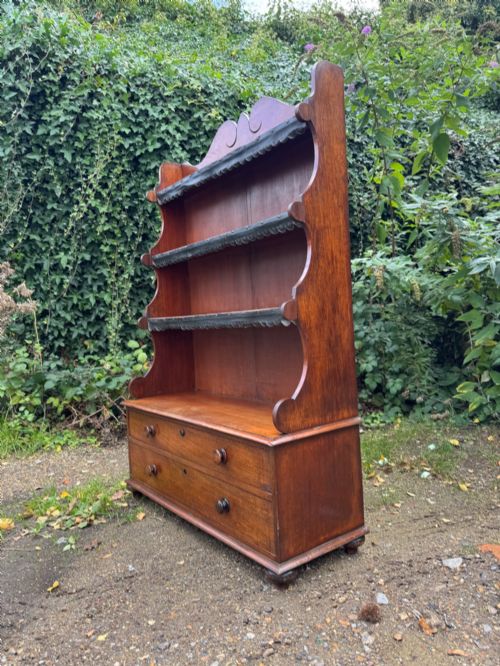
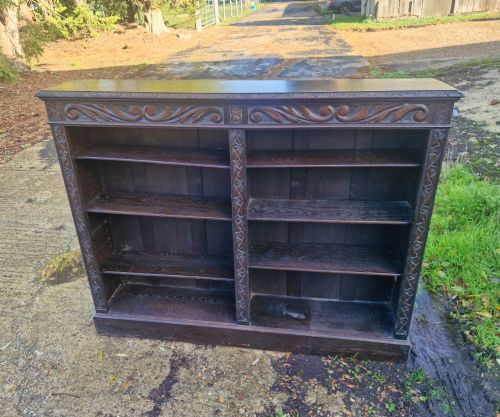
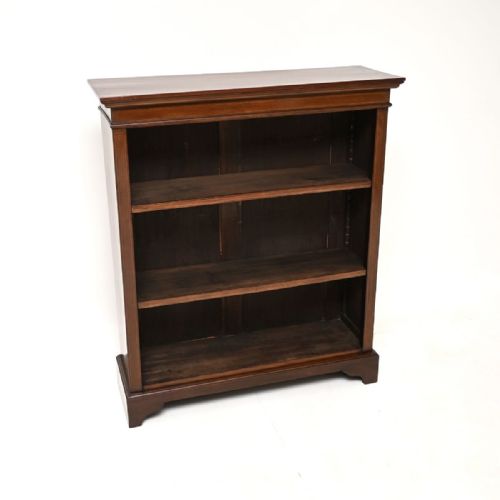
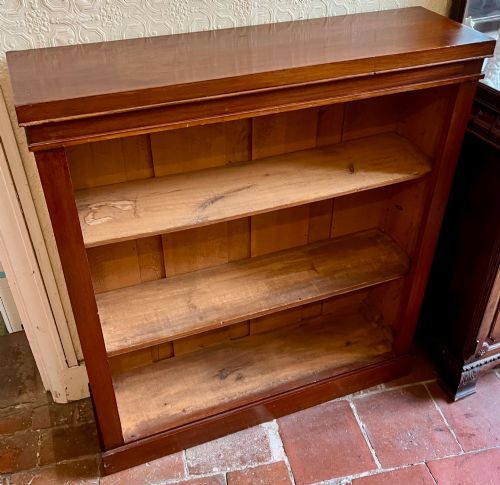
The most common forms on this page are oak open bookcases and wall shelves, frequently featuring adjustable shelves, raised galleries, or carved cornices. Pieces range from narrow single bays and low credenza heights to tall four-tier whatnots and cascading waterfall designs.
Origins trace across nineteenth-century craftsmanship into twentieth-century traditional production, incorporating specialist formats like breakfront arrangements and slim pairs. Buyers select these units to integrate functional book storage with period character in domestic libraries and living spaces.
How they were made
Construction relies heavily on solid timber framing, predominantly utilising oak, mahogany, and walnut selected for grain strength and visual warmth. Makers joined panels using traditional housing joints and dovetails, ensuring structural rigidity for heavy book loads over decades of use.
Surface finishes include hand-polished wax and oil applications that highlight natural timber figures, alongside occasional painted treatments on display shelves. Detail work incorporates applied brass hardware, inlaid veneers, dentil cornices, and slender turned pillars.
Vintage Open Book Display Retail Price Guide 2026
Typical asking prices for vintage open book display among the pieces listed under this phrase on Sellingantiques today, from the lower quarter to the upper quarter. They describe what is for sale here now, not the wider market.
Materials appearing across current inventory include oak, mahogany, walnut, pine, brass, and leather.
What varies in quality
Quality diverges between utilitarian production and finer cabinetmaking through the crispness of architectural mouldings, such as carved cornices and dentil detailing. Superior examples demonstrate thoughtful proportion in narrow and breakfront formats, alongside integrated mechanical adjustments for shelving heights.
Ercol·Liberty
The Vintage Open Book Display Glossary
- Open bookcase
- A piece of freestanding furniture fitted with horizontal shelves and lacking doors. This format allows immediate visibility and access to book collections.
- Waterfall bookcase
- A cascading shelving unit where each successive tier steps back from the one below. This design creates a stepped profile reminiscent of falling water.
- Whatnot
- A multi-tiered open piece of furniture designed for displaying ornaments and books. These units typically feature three or four open shelves supported by slender vertical columns.
- Raised gallery
- A low decorative railing or pierced upstand running along the top edge of a shelf or cabinet. This feature prevents items from sliding off the rear or sides.
- Dentil cornice
- An architectural moulding incorporating a series of small, evenly spaced rectangular blocks. This detail crowns the upper edge of formal bookcases.
Vintage Open Book Display: Frequently Asked Questions
How do I style a vintage open book display?
Balance vertical book groupings with horizontal stacks and small decorative objects to maintain visual breathing room across the shelves. Mix heights and textures thoughtfully while leaving some negative space visible.
Anchor heavier volumes on the lower tiers to keep the unit stable and visually grounded. Lighter paperbacks and ornaments sit comfortably on upper shelves.
Are the shelves adjustable on these bookcases?
Many period examples feature adjustable shelving supported by traditional wooden tooth racks or brass ratchets. This adaptability accommodates varying book heights.
Some simpler utility models retain fixed shelves secured permanently into the side panels. Check individual specifications to confirm adjustment capabilities.
How do I tell Victorian from Edwardian bookcases?
Victorian pieces tend to utilise rich mahogany with heavier proportions, deeper tones, and dense carving. They reflect formal nineteenth-century interior aesthetics.
Edwardian designs frequently favour lighter golden oak, inlaid details, and airier silhouettes influenced by Arts and Crafts movements. The woodwork often feels brighter and more restrained.
Can these bookcases support heavy art books?
Solid hardwood construction in oak and mahogany provides strong foundational support for substantial volumes. Thick timber shelves resist sagging under normal library loads.
Verify that shelf supports are securely seated in their housings before loading heavy folios. Distribute large volumes evenly across the available bays.