




Vintage Oil Lamp Globe
These vintage oil lamp globe designs combine decorative coloured glass with period bases to cast a warm, ambient light across a room.
Vintage Oil Lamp Globe
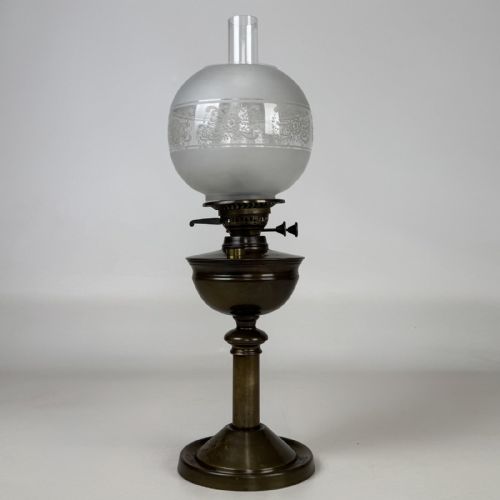
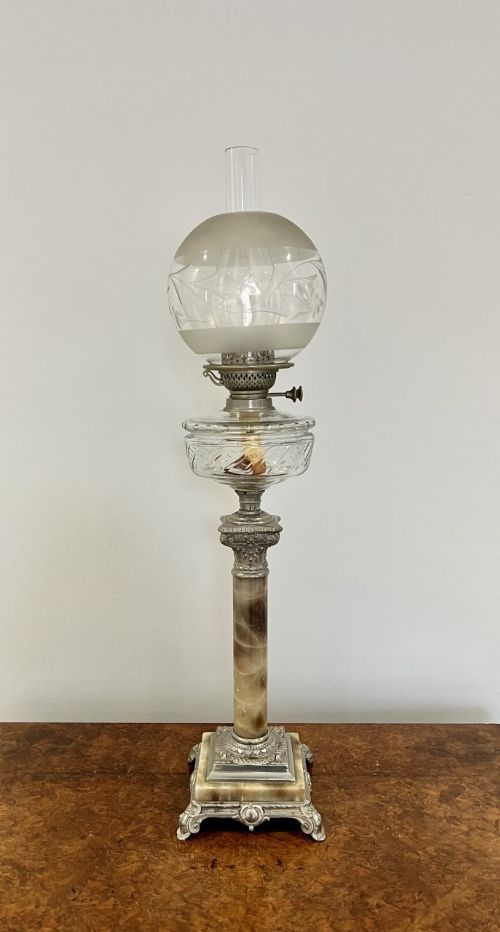
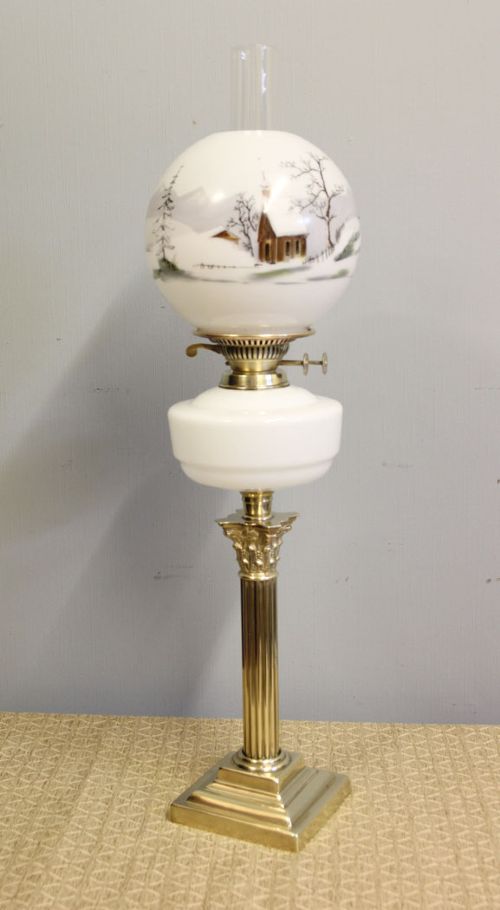
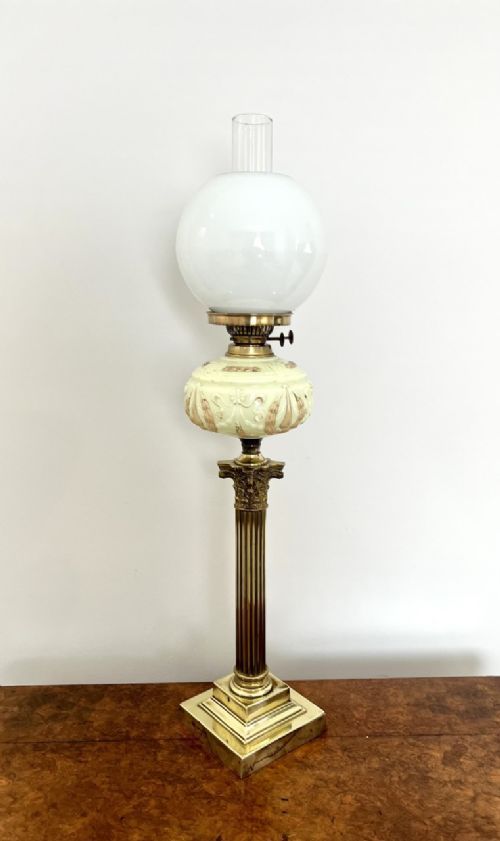
A vintage oil lamp globe brings together period lighting components, predominantly featuring glass shades paired with brass, ceramic, or bronze bodies. When searching for a vintage oil lamp globe, buyers typically encounter complete lamps fitted with matching glass shades or individual replacement globes in various opacities and colours.
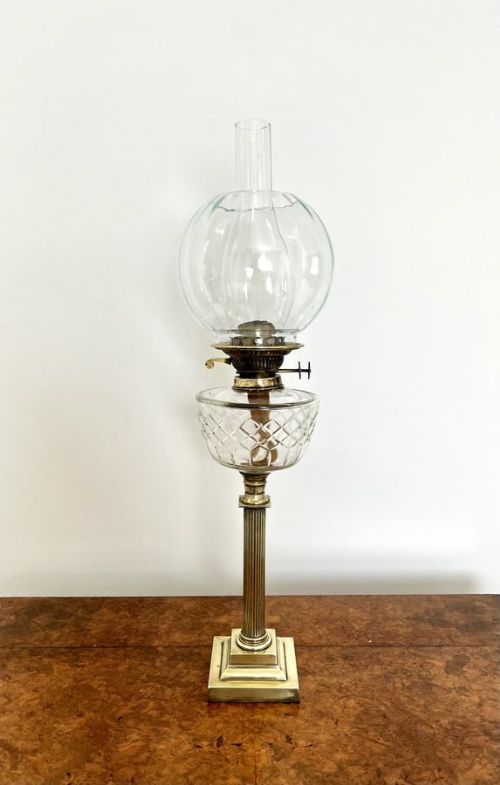
The selections span the Victorian, Edwardian, and Art Nouveau periods, alongside pieces dating from the nineteenth century up to the early twentieth century. Common configurations include brass columns with opaline or etched glass, ceramic and brass combinations, and distinct decorative glass vessels.
Most examples originate from British and French workshops, showing stylistic shifts from ornate Victorian brassware to flowing Art Nouveau forms and functional early twentieth century designs. Buyers find both complete table lamps and dedicated shades designed to fit existing brass stands.
Materials and construction methods
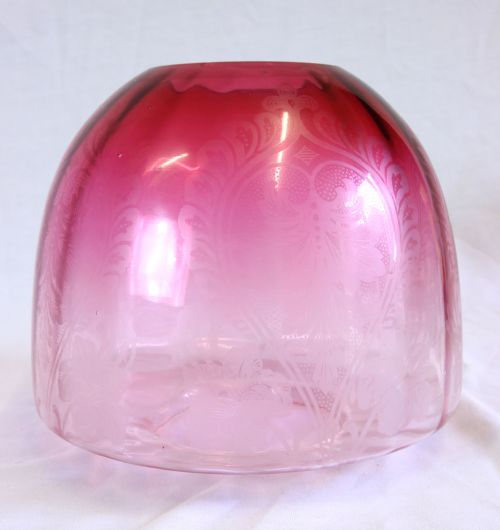
Glass production forms the core of these pieces, utilising cranberry glass, opaline glass, frosted glass, and milk glass shaped into globes and tulip shades. Artisans employed etching techniques to cut decorative patterns directly into the glass surface, or layered different colours during blowing to achieve rich green, pink, and blue hues.
Metal components rely heavily on cast and spun brass, alongside bronze and faience ceramic bodies. Many stands incorporate adjustable brass mechanisms and heavy bases to support the weight of the glass vessels and shades securely.
Listings feature glass, brass, ceramic, and bronze, spanning Victorian, Edwardian, and Art Nouveau styles from the nineteenth and early twentieth centuries.
Factors that define superior quality
Quality rests in the weight and clarity of the glass, where deeply etched motifs, saturated cranberry or opaline tones, and smooth rims distinguish finer shades. Superior lamp bodies demonstrate crisp casting detail in the brass or bronze, solid structural proportions, and integrated components rather than mismatched parts.
The integration between the font, burner mechanism, and shade also dictates overall standard, with premier examples retaining original matching glass globes and robust, heavy metal stands designed to balance the fixture.
Hinks of Birmingham·Messengers·Harrods
The Vintage Oil Lamp Globe Glossary
- Cranberry glass
- A rich red-pink glass created by adding gold chloride to the molten batch. It is frequently seen in Victorian lamp shades and vessels.
- Opaline glass
- An opaque or semi-translucent glass that diffuses light evenly. It was widely utilised for Edwardian and Victorian lamp globes.
- Art Nouveau
- A decorative style characterised by organic, flowing lines and natural motifs. Pieces from this era often feature enamel work and bronze or faience bodies.
- Etched glass
- Glass decorated by applying acid to carve away exposed areas, leaving intricate patterns. This technique creates frosted designs against clear or coloured backgrounds.
Vintage Oil Lamp Globe: Frequently Asked Questions
How do I clean a glass globe?
Wash the glass gently in lukewarm soapy water using a soft cloth to avoid scratching the surface. Dry thoroughly with a lint-free towel before handling.
Avoid submerging decorated metal mounts or painted areas in water, as moisture can damage aged finishes and cements.
Can these lamps be wired for electricity?
Many period lamps are safely converted to electricity for modern household use while retaining their original burners and shades. Professional rewiring ensures the internal components meet current safety standards without altering the exterior appearance.
Some collectors prefer unconverted pieces preserved in their original oil-burning state for display purposes.
How do I identify a Victorian shade?
Victorian shades frequently feature vibrant colours like cranberry and pale green, alongside heavy brass mountings and etched floral or geometric patterns. The glass often shows subtle irregularities indicative of nineteenth-century hand-blowing techniques.
Consulting period catalogues and examining the fitter rim helps confirm the correct era and manufacturing origin.
Where should I place a table lamp?
Position these lamps on sturdy sideboards, desks, or occasional tables where their height and heavy brass bases remain secure. Ensure the surface supports the combined weight of the metal stand and glass shade.
Keep them away from busy household traffic to protect delicate opaline or cranberry glass globes from accidental knocks.