

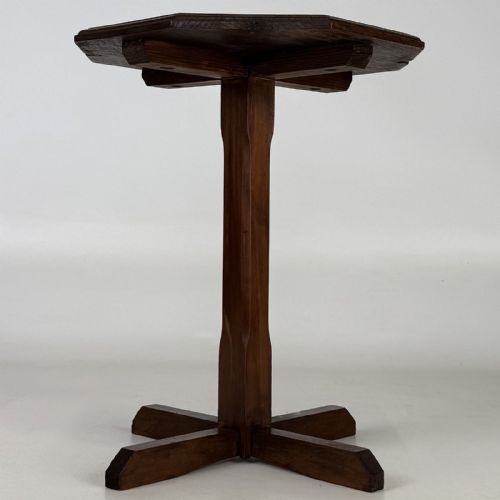
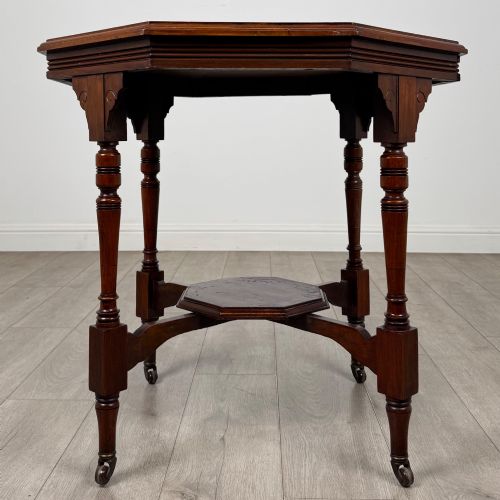
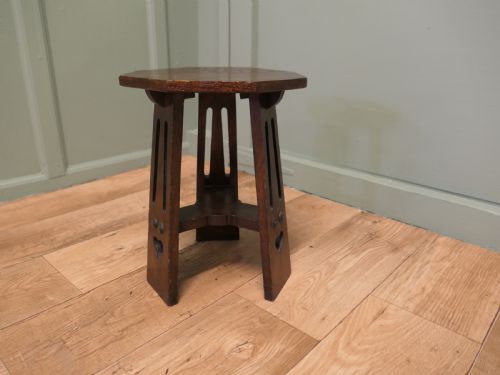
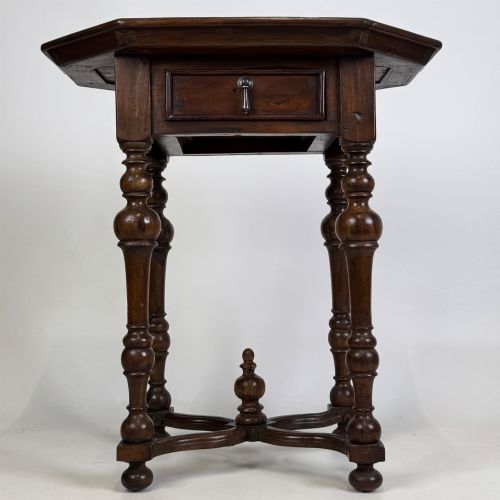

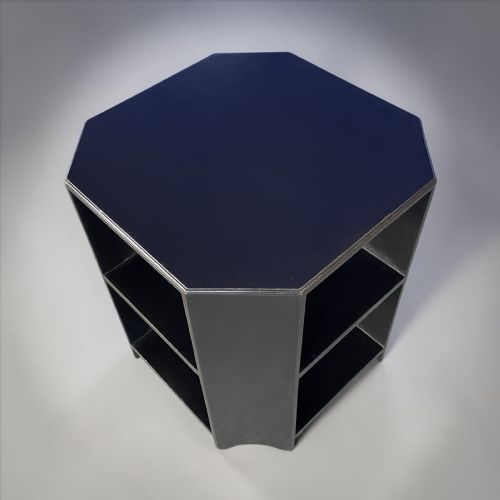


Vintage Octagonal Lamp Table
A vintage octagonal lamp table brings practical eight-sided geometry and period charm to a room, functioning as a sturdy surface for lighting and display.
How they were made
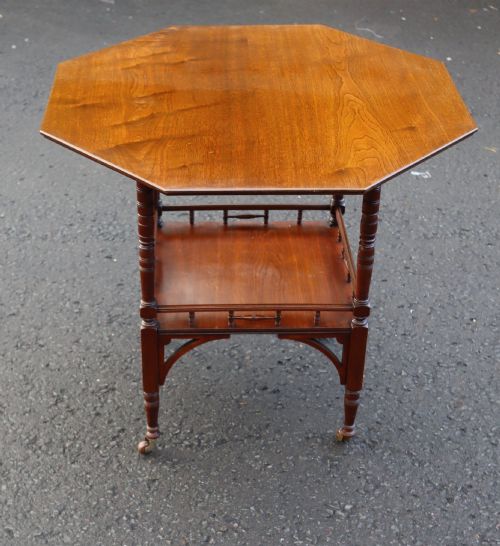
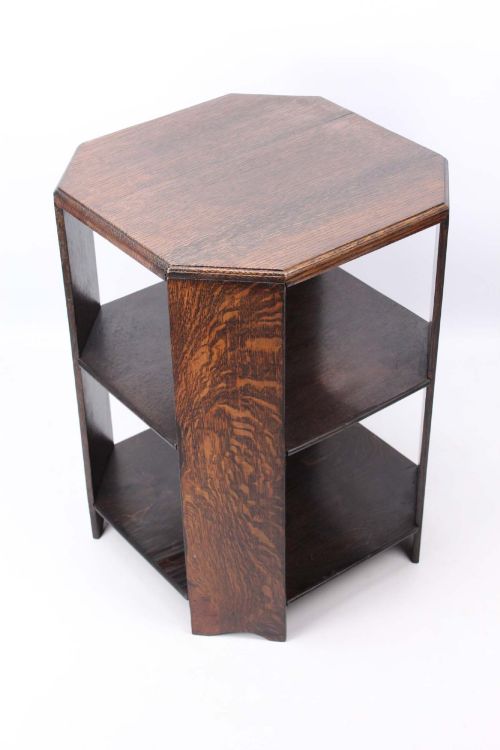
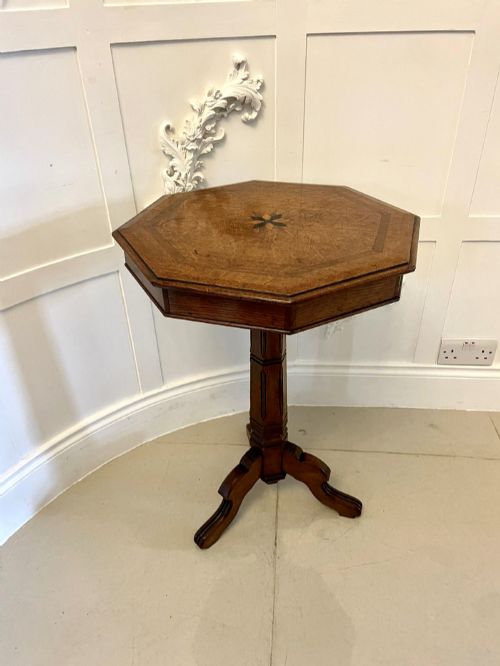
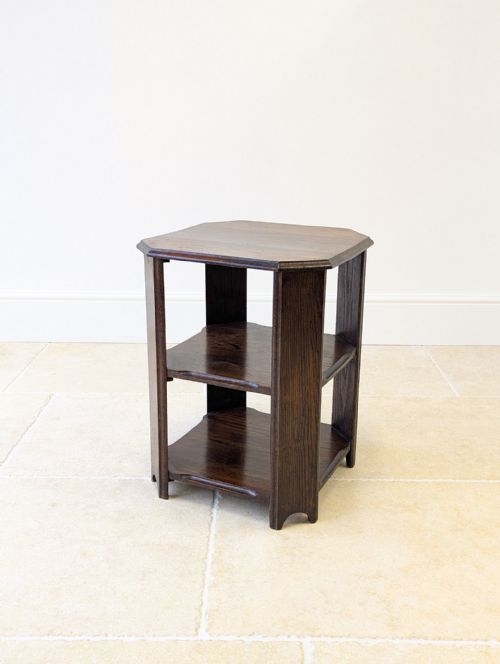
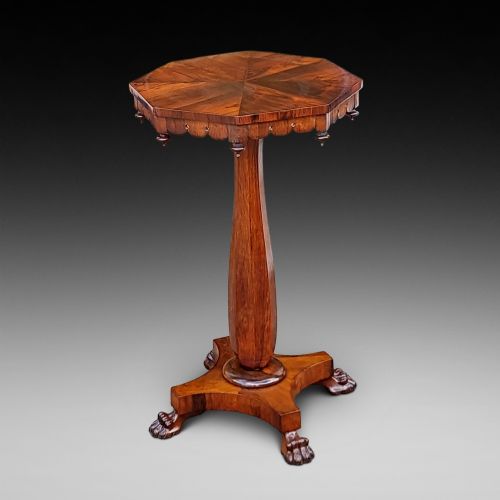
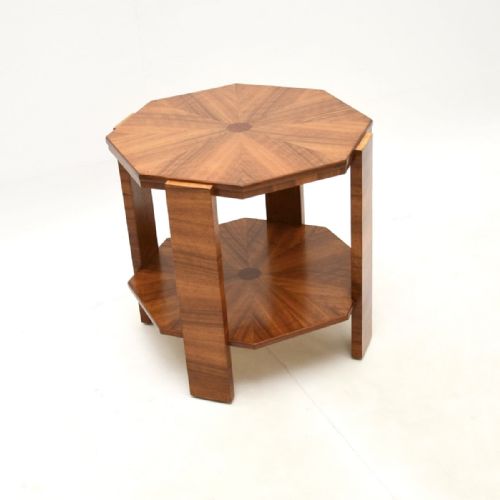
Cabinet makers utilised solid timbers and selected veneers such as walnut, oak, and mahogany to construct the multi-sided tops and supporting structures. Selected items incorporate decorative brass elements, inlaid satinwood, or carved details.
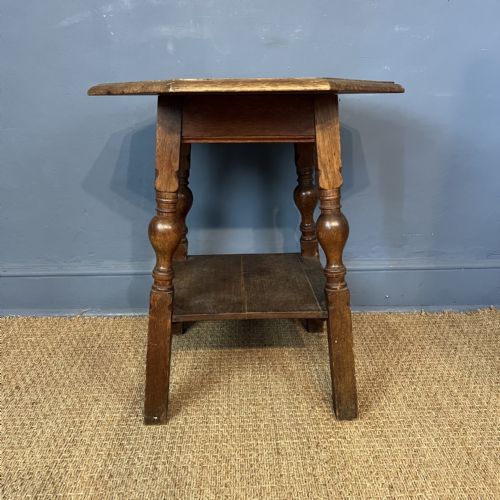
Construction methods vary from straightforward joined oak frames to sophisticated turned supports like barley twist legs. Individual examples include integrated lower shelves, silk baskets, or folding teak mechanisms.
What varies in quality
The standard of timber selection and complexity of surface decoration define the distinction between standard production and exceptional examples. Finer pieces display carefully figured walnut, precise marquetry inlay, or distinctive period styles such as the Aesthetic Movement and Arts and Crafts.
Vintage Octagonal Lamp Table Retail Price Guide 2026
Typical asking prices for vintage octagonal lamp table among the pieces listed under this phrase on Sellingantiques today, from the lower quarter to the upper quarter. They describe what is for sale here now, not the wider market.
One remarkably honest teak table arrives with folding capabilities, ready to pack flat after tea.
Liberty and Co·Heals·Anton Seuffer
The Vintage Octagonal Lamp Table Glossary
- Octagonal
- Having eight sides and eight angles. This geometric form defines the primary surface shape of the table top.
- Occasional table
- A small, movable table designed for intermittent use in sitting rooms. These pieces function easily beside chairs or sofas.
- Ebonised wood
- Timber treated with a dark finish to imitate ebony. This dark surface appears frequently on Victorian and Art Deco pieces.
- Inlay
- Material embedded into the surface of a base timber to form decorative patterns. Satinwood and lighter woods often create contrast against mahogany.
- Barley twist
- A spiral turning carved into furniture legs or supports. This decorative woodworking technique appears on 1930s oak examples.
Vintage Octagonal Lamp Table: Frequently Asked Questions
Where should I place a vintage octagonal lamp table?
These tables fit comfortably beside seating or in corners where a round or rectangular table might block movement. The eight-sided top provides generous surface area while maintaining compact overall dimensions.
Position one next to an armchair to hold a reading light, or use a smaller plant stand version in an unused alcove to display decorative objects.
How do I identify the period of an octagonal table?
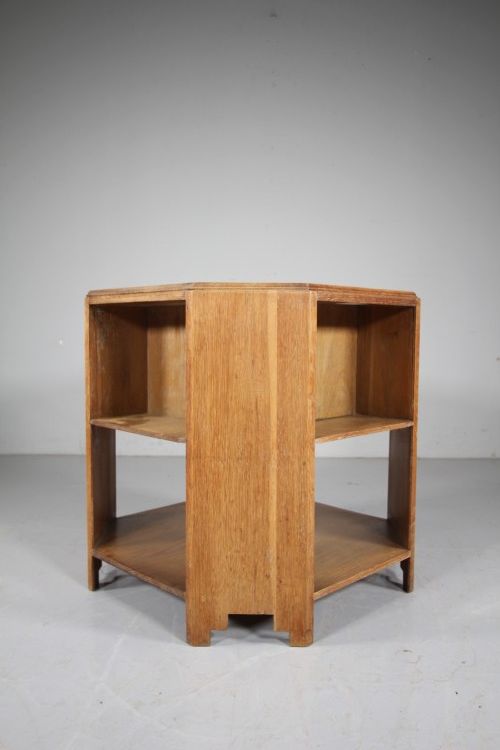
Dating relies on observing the combination of timber, hardware, and stylistic details present in the construction. Pieces from the Victorian era often feature ebonised finishes or burr walnut, while 1930s examples display clean Art Deco lines or limed oak.
Reviewing the stretcher placement, leg turning, and any inlaid decoration helps align the piece with Edwardian, Arts and Crafts, or earlier nineteenth-century conventions.
Can these tables support heavy table lamps?
Solid hardwood construction in oak, walnut, or mahogany provides natural strength for everyday lighting fixtures. Most occasional and centre table formats remain stable under standard domestic weights.
Heavier bronze or metal lamps sit securely on sturdy four-legged or column bases, provided the central joints remain tight and well-aligned.
What is the difference between a lamp table and a centre table?
Lamp tables function primarily as side supports for illumination next to seating areas, whereas centre tables are designed to stand independently in the middle of a room. Centre tables often feature finished detailing on all sides to allow complete 360-degree viewing.
Proportions also differ, with centre tables frequently offering larger surface diameters suitable for displaying books or flower arrangements.