





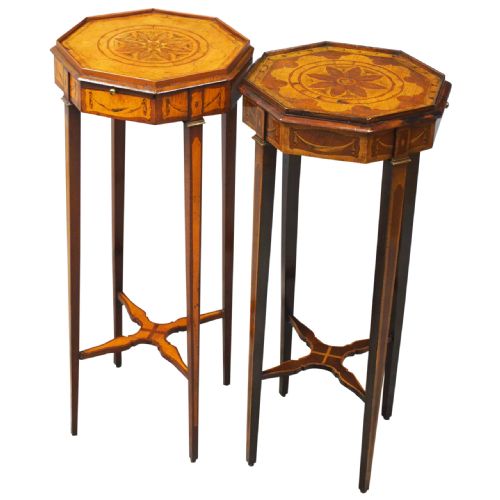


Antique Octagonal Display Table
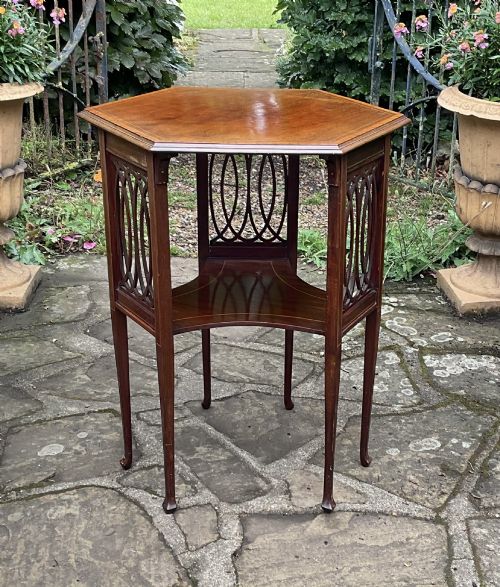
An antique octagonal display table offers eight-sided symmetry to exhibit small collections, and you will find them surfacing frequently in Edwardian mahogany and Victorian walnut.
Antique Octagonal Display Table
When you search for an antique octagonal display table, you examine eight-sided furniture designed primarily to show objects under glass or on tiered surfaces. The pieces meeting this description span the Victorian, Edwardian, and Art Deco periods, alongside Georgian influences.
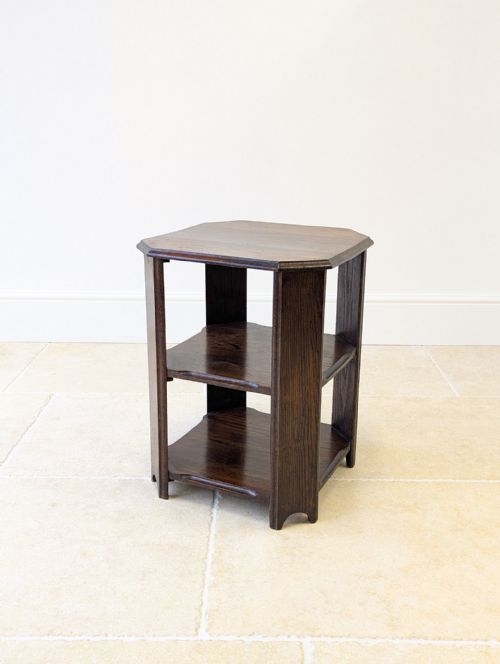
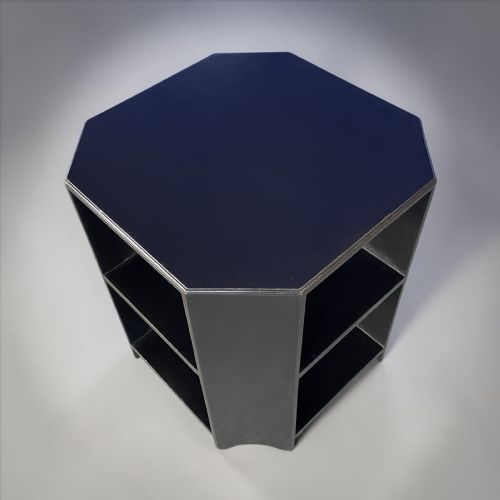
Makers such as Shoolbred contribute to the late nineteenth century selection, while simpler oak and ebonised wood versions represent the early twentieth century. These tables function equally well as lamp stands, wine tables, or central display pieces in a room.
Materials and construction methods
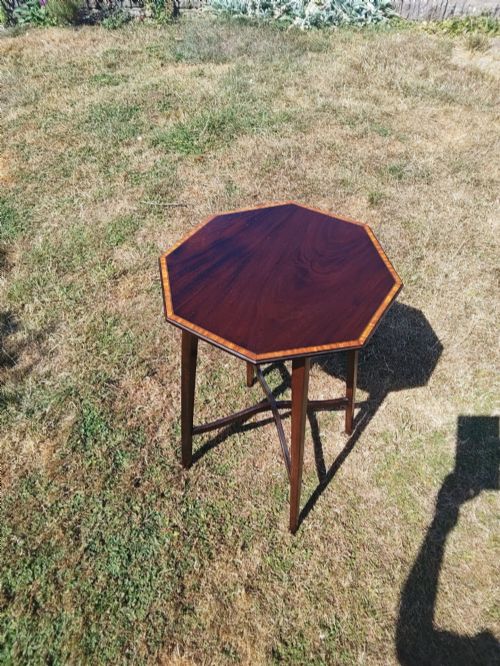
Cabinetmakers constructed these tables using dense timbers including mahogany, walnut, rosewood, and oak. Many examples incorporate boxwood inlay and ebonised wood to accentuate the eight-sided geometric form.
Glass top panels and hinged glazed lids define the bijouterie and display variants, allowing objects to be viewed from above while protected. Carpenters joined legs and tops using traditional framing and turning techniques appropriate to the Georgian, Victorian, and Edwardian eras.
Antique Octagonal Display Table Retail Price Guide 2026
Typical asking prices for octagonal display table among the pieces listed under this phrase on Sellingantiques today, from the lower quarter to the upper quarter. They describe what is for sale here now, not the wider market.
One walnut stand carries the name Shoolbred, proving that even tables need good stationery.
Evaluating quality and craftsmanship
The distinction between standard production and superior craftsmanship rests on the selection of timber veneers and the precision of the boxwood inlay. Finer examples display crisp geometric lines across the eight-sided top and well-balanced proportions in the supporting legs.
The integrity of the glass framing and the smoothness of any hinged lids indicate the standard of original manufacture. Finer pieces maintain solid structural joints in woods like rosewood and figured walnut without relying on excessive secondary repairs.
Shoolbred
The Antique Octagonal Display Table Glossary
- Bijouterie
- A small cabinet or table with a glass top designed for displaying jewellery and small ornaments. These pieces became particularly popular during the Victorian and Edwardian periods.
- Boxwood inlay
- A decorative technique where thin strips of pale boxwood are inserted into recesses in a darker wood, such as mahogany or walnut, to create contrasting patterns.
- Ebonised wood
- Timber treated with a dark stain or finish to imitate ebony. This treatment appears frequently on Art Deco and late nineteenth century tables.
- Occasional table
- A small, versatile table intended to be moved around a room as needed. They serve as lamp stands, side tables, or display surfaces.
- Tripod table
- A small table supported by a pillar above three feet. This form occurs in Georgian designs.
Antique Octagonal Display Table: Frequently Asked Questions
What is a bijouterie table?
A bijouterie table is a specialised display piece featuring a glazed top and sometimes glazed sides. It was used in drawing rooms to exhibit small collections of curiosities, medals, and jewellery.
The glass protected delicate items from dust while allowing guests to inspect them from all angles without handling.
How do I use one in a modern room?
These tables adapt easily as central display surfaces, lamp tables, or bedside stands. The eight-sided top fits well beside sofas or in corners where standard square tables might look bulky.
Glass-topped versions allow you to display photographs, small collections, or textiles safely beneath the surface while keeping the room uncluttered.
How do I date an Edwardian table?
Edwardian tables often feature lighter timbers such as mahogany and maple, sometimes paired with delicate boxwood stringing. They frequently reflect a lighter aesthetic than their heavy Victorian predecessors.
Construction details, timber patination, and secondary woods like pine or oak underneath help confirm the manufacturing period.
What woods were commonly used?
Makers relied heavily on mahogany, walnut, and oak for structural stability and rich grain patterns. Rosewood, satinwood, and ebonised wood appear on specific decorative or period pieces.
Inlays commonly utilised boxwood to create contrasting geometric borders around the octagonal tops.