



Vintage Ocean Artwork
Vintage ocean artwork brings together maritime oils, watercolours and prints that capture the enduring power and movement of the sea.
Vintage Ocean Artwork
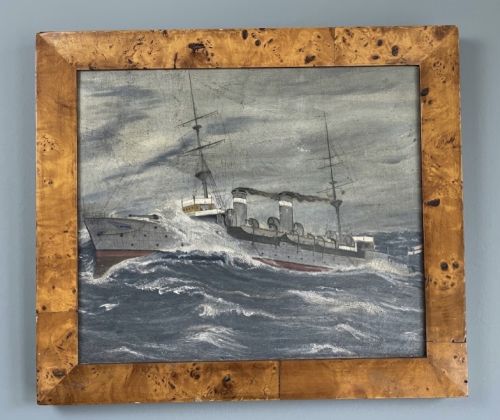
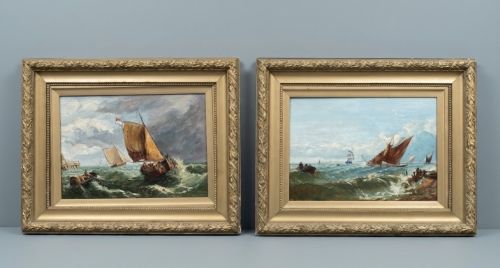
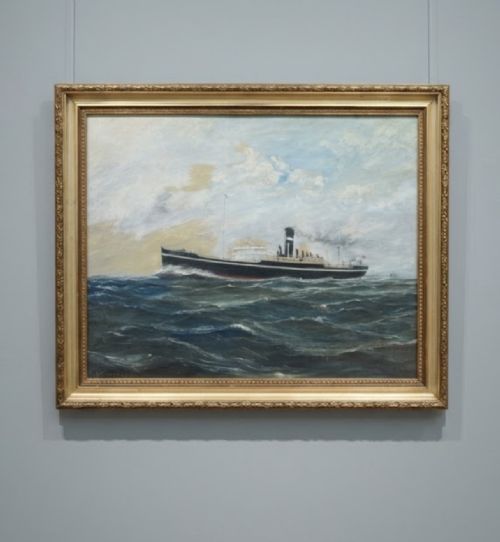
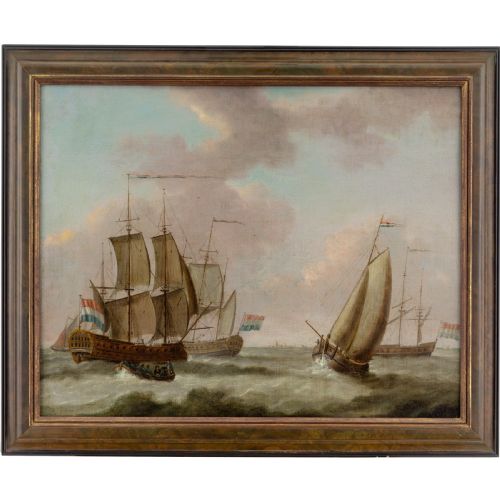
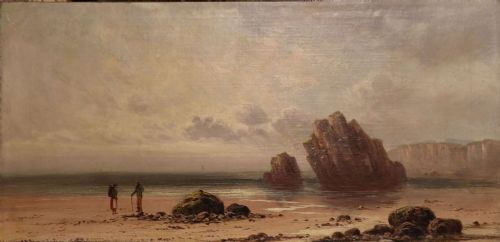
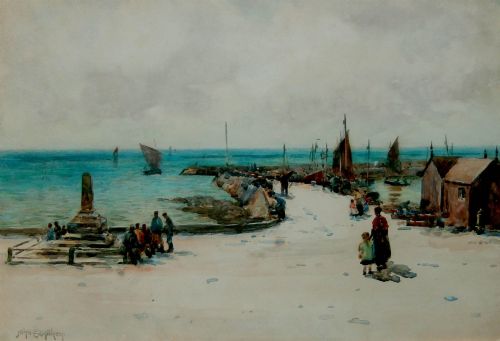
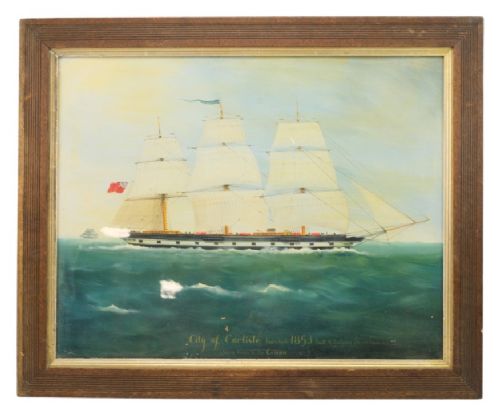
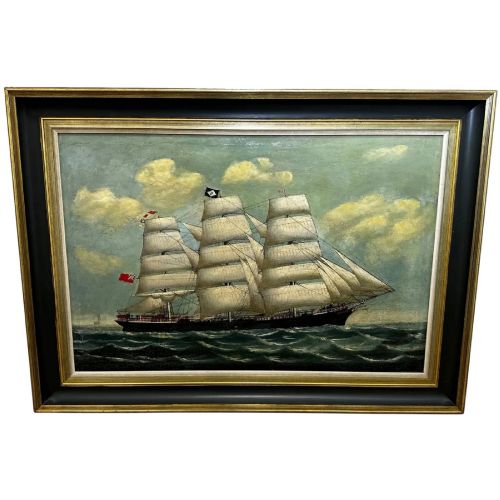
Vintage ocean artwork spans nineteenth-century maritime paintings, early twentieth-century watercolours, and mid-century coastal scenes. Buyers encounter depictions of sailing ships, steamships in heavy seas, rocky Cornish coasts, and quiet harbours.
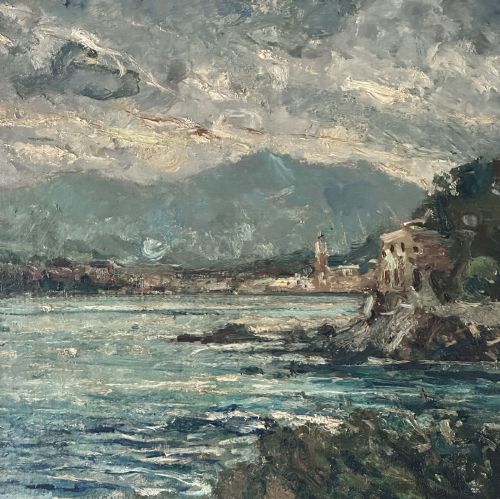
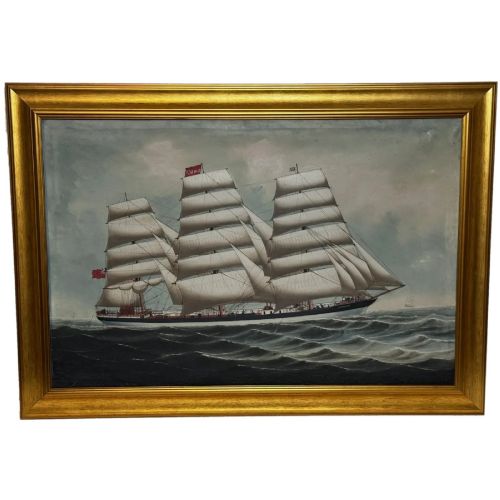
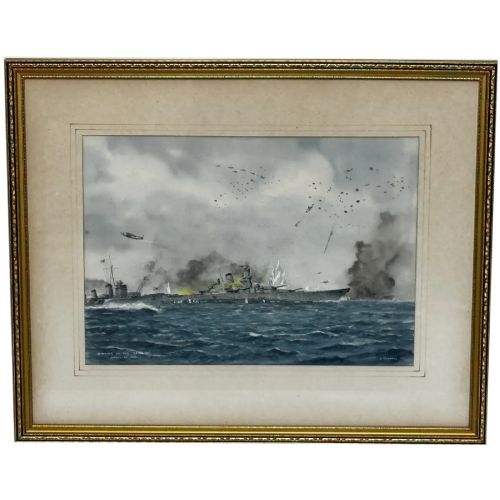
The selection ranges from Victorian maritime oils in gilt frames to post-impressionist marine views and gouache port portraits. These works record naval history, working fishing boats, and open waters across Britain and Europe.
Materials and techniques
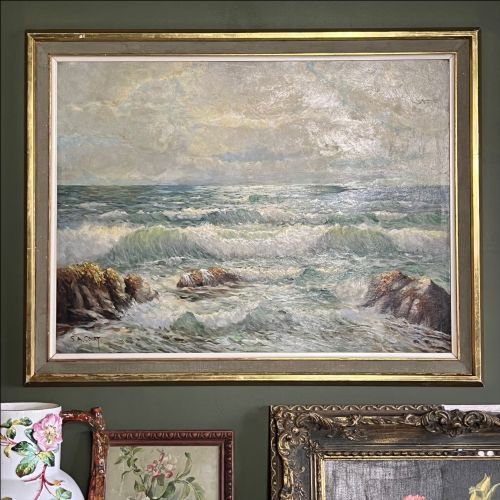
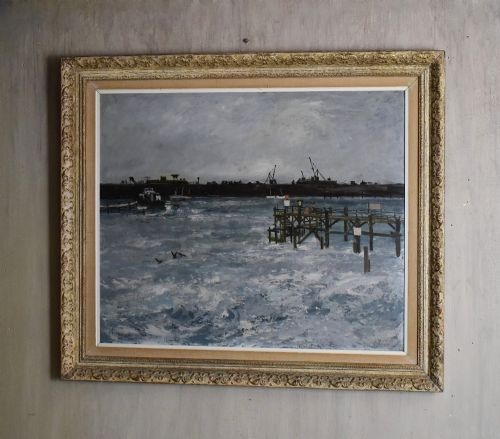
Artists painted these marine scenes using oil on canvas or board, watercolour, and gouache, frequently applying thick impasto to render crashing waves and turbulent skies. Many pieces retain their period wooden and gilt frames.
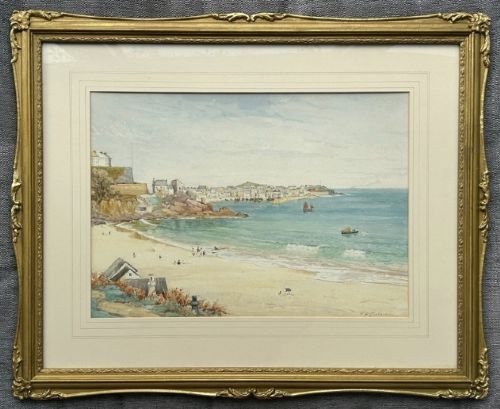
Works on paper utilised delicate watercolour washes or opaque gouache to depict atmospheric light on coastal waters. Canvas and board paintings employed layered oil pigments, sometimes executed en plein air along the shore.
Vintage Ocean Artwork Retail Price Guide 2026
Typical asking prices for vintage ocean artwork among the pieces listed under this phrase on Sellingantiques today, from the lower quarter to the upper quarter. They describe what is for sale here now, not the wider market.
Represented locations include St Ives, Cornwall, the Pearl River, Filey Brigg, and the Dutch coast.
Factors determining quality
Quality rests upon the artist's handling of light, atmosphere, and maritime architecture, where skilled brushwork captures the weight of water and rigging with precision. Superior examples convey motion and depth convincingly rather than relying on stiff formulae.
Condition also governs the piece, separating works with clean, stable paint surfaces and original paper integrity from those with heavy losses, cracking, or moisture staining.
Clifford Hanney·Reginald Arthur Borstel·Sidney A Court·Charles Edward Dixon·John E Aitken·Eric Tufnell·William Banks Fortescue·F Corpuz·Peter Brannan·Nicholas Condy·William Henry Williamson·George Stanfield Walters·Warwick Goble·Elisabeth Bardon·Charles Napier Hemy·Norman Lloyd·Abraham Hulk Snr·Stephen J Renard·Hendrik Willebrord Jansen
The Vintage Ocean Artwork Glossary
- Impasto
- Paint applied thickly to a canvas or board, leaving prominent brush or knife marks that add tactile texture to waves and clouds.
- Pierhead painting
- A specialised genre of ship portraiture depicting named vessels entering or leaving a specific port, often commissioned by captains or owners.
- En plein air
- Painting outdoors in the open air to capture natural light and atmospheric conditions directly from the subject.
- Gouache
- An opaque water-based medium that dries to a matte finish, allowing for vibrant highlights in maritime scenes.
- Sea stack
- An isolated and often vertical column of rock in the sea near a coast, frequently featured in nineteenth-century coastal views.
Vintage Ocean Artwork: Frequently Asked Questions
What subjects appear in vintage ocean artwork?
These works feature sailing vessels, steamships in heavy seas, lighthouses, and rugged coastal cliffs. Artists recorded naval engagements, commercial shipping, and daily harbour life.
Scenes range from calm Dutch coastal waters to stormy North Sea havens and tropical river mouths. Each subject reflects the maritime trade and exploration of its respective era.
How do I care for antique watercolours?
Watercolours require protection from direct sunlight to prevent fading of the pigments and discoloration of the paper support. Framing under conservation-grade glass helps shield the delicate washes from airborne pollutants.
Keep these pieces in stable indoor environments away from damp walls and excessive heat sources. Proper framing prevents the paper from touching the glass directly.
How do I distinguish nineteenth-century pieces from mid-century ones?
Nineteenth-century works typically employ traditional academic techniques, detailed rigging, and heavier gilt frames suited to Victorian interiors. Maritime Realism and Victorian Maritime styles dominate this earlier era.
Mid-century pieces embrace broader brushwork, post-impressionist colour palettes, and simplified forms reflecting modern British and French artistic shifts. The framing also tends toward simpler wood profiles without ornate plaster moulding.
Were these paintings made by professional marine artists?
The creators include both professional Royal Academy exhibitors and skilled regional painters who specialised in local coastal topography. Many artists documented specific vessels and ports from direct observation.
Amateur works and military personnel also contributed detailed records of naval ships and historical voyages. Signatures and attribution notes on the reverse often identify the hand behind the work.