


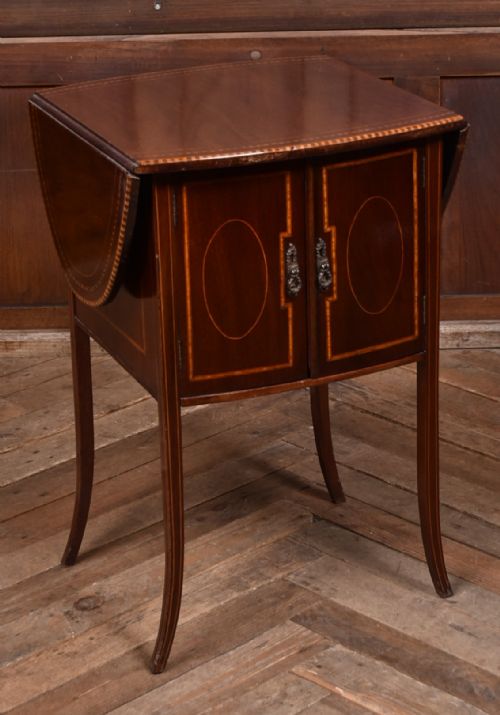


Vintage Occasional Cabinet
These vintage occasional cabinet pieces span periods from the nineteenth century to the Art Deco era, offering compact utility and surface space.
Vintage Occasional Cabinet
A vintage occasional cabinet covers a broad span of small tables, bedside cupboards, work tables, and compact display units designed to serve specific functions around a room. The items grouped under this search phrase range from simple Edwardian lamp tables and satinwood bedside cupboards to elaborate French marquetry pieces and Art Deco walnut designs.
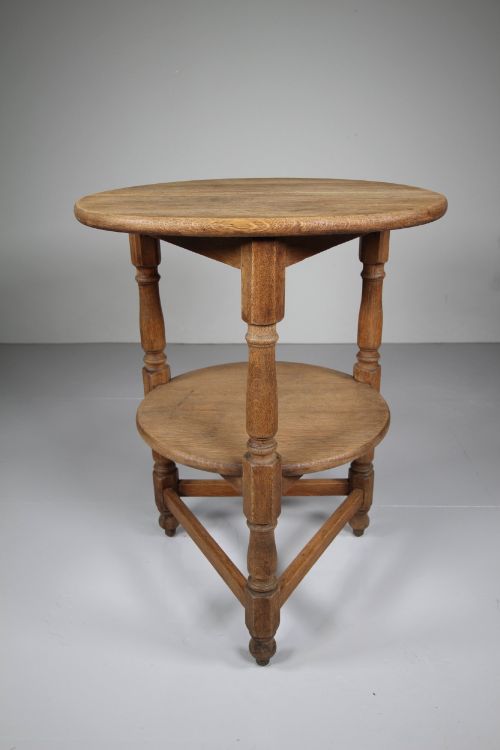
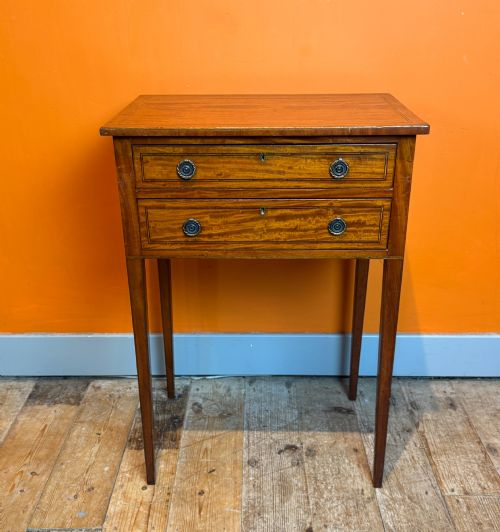
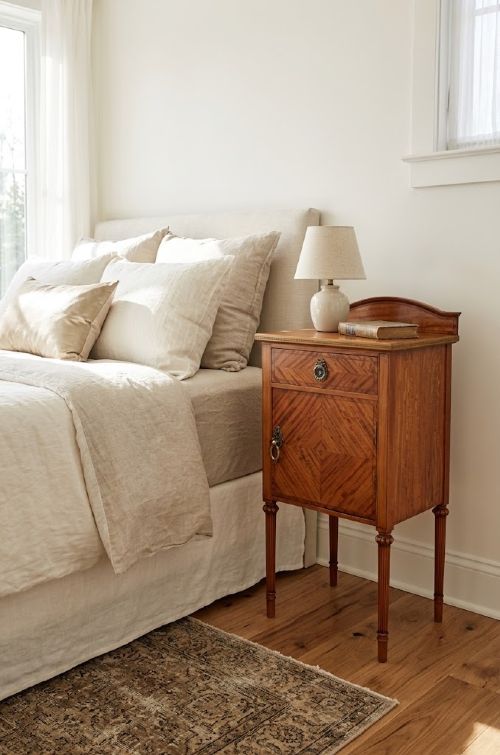
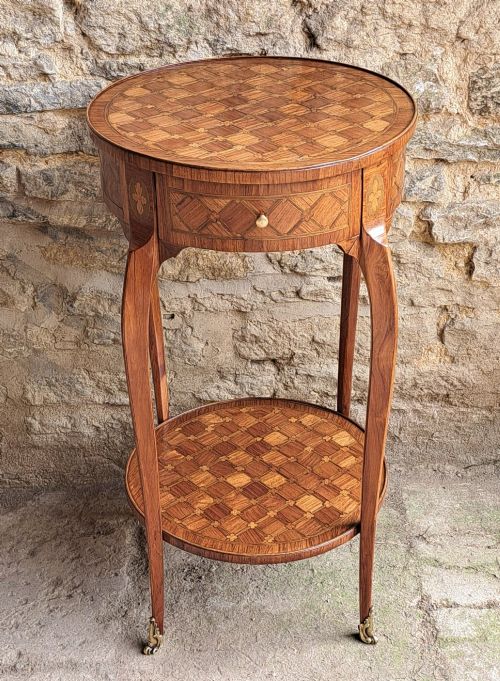
The pieces most frequently met on this page are Edwardian and Art Deco examples executed in mahogany, oak, or figured walnut. Alongside traditional English side tables and work tables, one encounters continental forms such as French etageres, cherry bedside units, and Chinese occasional tables with mother of pearl inlay.
Makers and workshops of different scales produced these items across the nineteenth and early twentieth centuries, resulting in varied forms including two-tier tables, bijouterie cabinets, and telephone stands. Buyers select them to add surface area and period character to sitting rooms, hallways, and bedrooms without overwhelming the floor plan.
Materials and construction
Makers relied heavily on hardwoods such as mahogany, oak, walnut, and satinwood, frequently applying burr walnut or figured veneers to key surfaces. Structural integrity often depended on traditional joinery, turned legs, and occasional brass fittings or ormolu mounts on continental examples.
Decorative detailing utilised techniques like marquetry, parquetry, mother of pearl inlay, and fretwork, particularly on Edwardian and French pieces. Mirrors, glass panels, and tambour fronts also appear on specialised storage forms from the Victorian period through the nineteen-thirties.
Vintage Occasional Cabinet Retail Price Guide 2026
Typical asking prices for vintage occasional cabinet among the pieces listed under this phrase on Sellingantiques today, from the lower quarter to the upper quarter. They describe what is for sale here now, not the wider market.
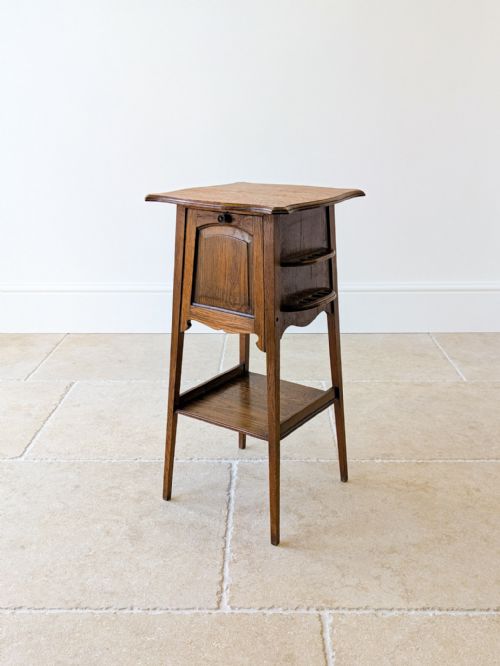
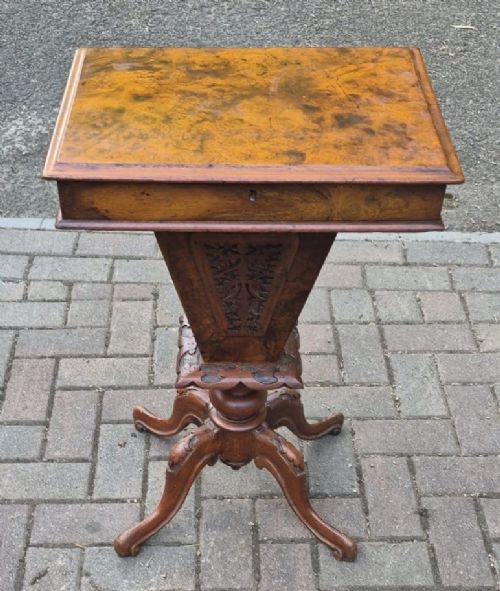
A late Victorian combination piece cleverly merges a standard occasional table with a built-in smokers' cabinet for discreet storage.
Variations in quality
Quality rests upon the selection of timber, such as highly figured burr walnut or dense mahogany, and the precision of the underlying cabinetwork. Finer examples display meticulous grain matching across veneers and crisp execution in details like marquetry and turned legs.
The distinction between standard production and superior execution is visible in the stability of joints, the quality of secondary timbers used in drawers, and the subtlety of applied brass or ormolu hardware.
Waring & Gillow·Hille England
The Vintage Occasional Cabinet Glossary
- Occasional table
- A small, movable table designed for a specific, intermittent use rather than a central dining purpose. These pieces include lamp tables, side tables, and occasional stands.
- Bijouterie cabinet
- A glazed display case or table intended for showing small valuable items, curiosities, or jewellery. They frequently appear in Edwardian satinwood or French designs.
- Marquetry
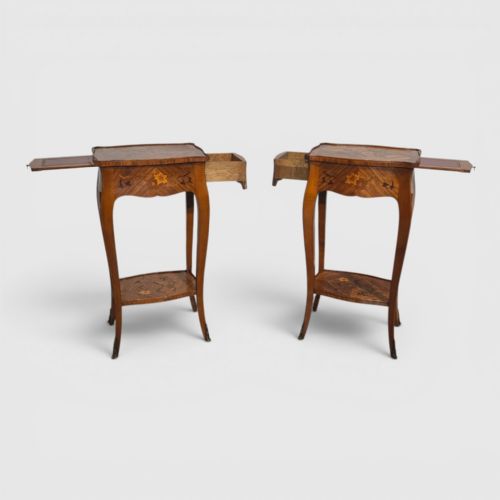
- The art of applying pieces of veneer to a structure to form decorative patterns and pictures. It is commonly found on French lamp tables and cabinets.
- Tambour
- A surface constructed of narrow strips of wood glued to a canvas backing, allowing it to slide smoothly around a curve. This method appears on panelled stands.
- Etagere
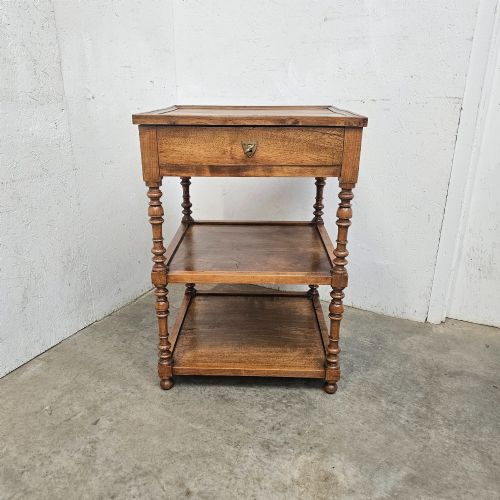
- A piece of furniture consisting of a set of open shelves for displaying small objects. These freestanding stands often incorporate turned wooden supports.
Vintage Occasional Cabinet: Frequently Asked Questions
What is a vintage occasional cabinet?
A vintage occasional cabinet is a small, versatile piece of furniture designed for supplementary storage or display in living spaces. These items include bedside cupboards, lamp tables, and small stands made in various historical styles.
Buyers select them to fit tight corners or provide convenient surfaces beside seating areas while introducing period character through materials like walnut and mahogany.
How do I distinguish Edwardian from Art Deco pieces?
Edwardian pieces generally lean towards traditional revival styles, frequently featuring satinwood or mahogany, inlaid stringing, and tapered or turned legs. They often reflect late nineteenth-century sensibilities.
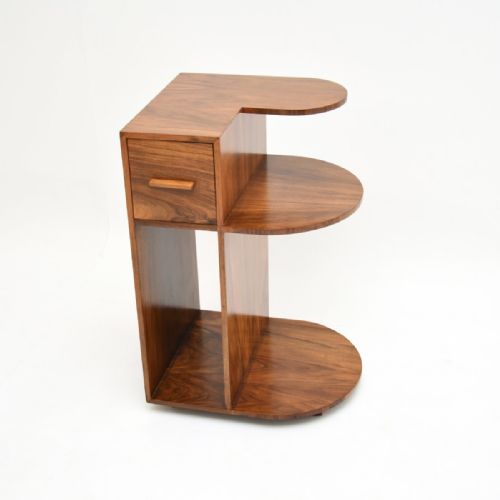
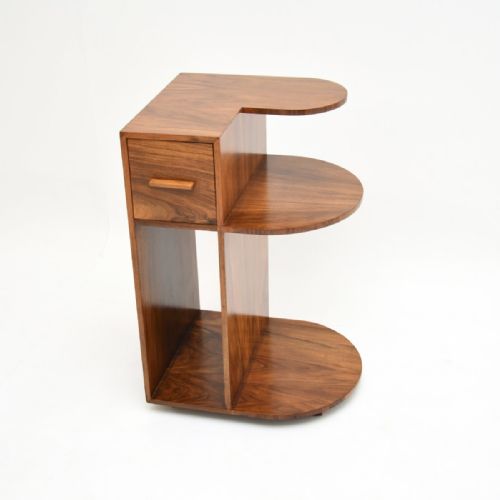
Art Deco items, dating around nineteen-thirty, prioritize streamlined modernism, geometric forms, and figured walnut veneers, sometimes incorporating mirror tops or casters.
Where were these cabinets used?
Original placement depended entirely on the specific form, ranging from bedside nightstands and sewing tables to hallway telephone stands and drawing room lamp tables. Their compact proportions allowed them to serve multiple domestic functions.
In modern interiors, owners continue to use them beside beds, next to sofas, or as designated surfaces for lamps and decorative objects.
Are French and English styles constructed differently?
French pieces of the nineteenth and early twentieth centuries frequently incorporate decorative elements such as marquetry, parquetry, ormolu mounts, and cherry or kingwood timbers. English versions more commonly rely on mahogany, oak, and satinwood with simpler inlaid details or Arts and Crafts fretwork.
Both traditions utilised solid hardwoods and fine veneers, but continental examples often favored more ornate surface decoration and serpentine or cabriole shaping.