


Vintage Oak Step Stool
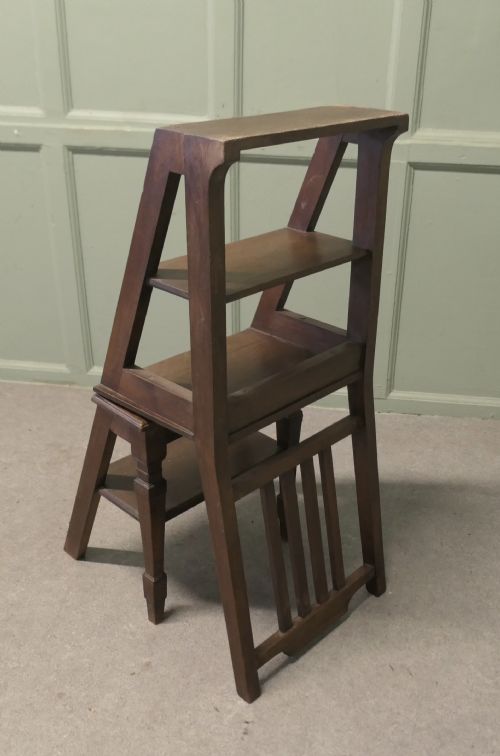
A vintage oak step stool is a sturdy piece of functional furniture, most often seen as a convertible library chair or flight of folding steps.
Vintage Oak Step Stool
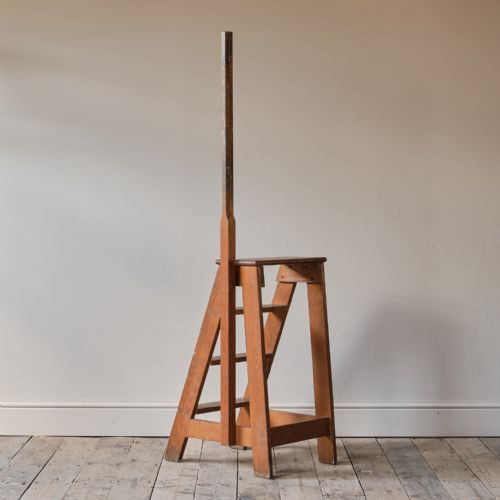
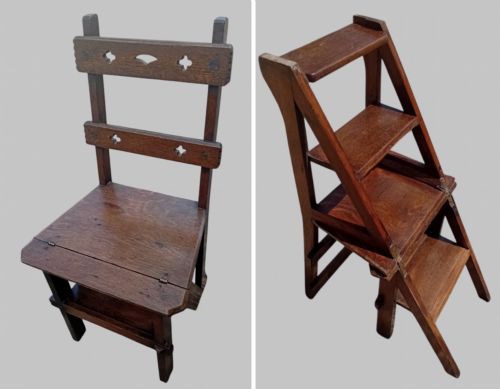
A vintage oak step stool combines utility and seating, frequently appearing as library steps or metamorphic chairs from the nineteenth and early twentieth centuries. These practical items were designed to help reach high shelves in homes and libraries before folding neatly away.
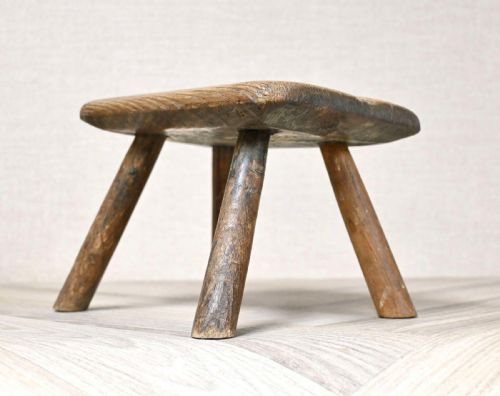
The versions most common on this page span the Victorian and Edwardian eras, alongside rustic country and Arts and Crafts examples. They range from simple elm-topped stools to clever mechanical ladders that transform into seats with a simple hinge movement.
Makers utilised solid oak, timber and hardwood to construct these pieces, often incorporating brass fittings and leather details. Their forms vary from modest footstools and slipper boxes to substantial flights of library steps.
What varies in quality
The sophistication of the mechanism sets the top pieces apart from simpler domestic stools, particularly in how smoothly a metamorphic chair converts. Clever engineering in the hinges and pivots dictates whether a piece operates with ease.
Timber selection and grain figure also define quality, with golden oak and substantial proportions commanding attention over plain utilitarian timber. The integrity of the original joints and the weight of the solid oak structure remain central to the piece's standing.
Object forms span library ladders and metamorphic chair steps, alongside simpler country footstools and slipper boxes.
The Vintage Oak Step Stool Glossary
- Metamorphic
- Furniture designed to transform from one form into another, such as a chair that unfolds into library steps. This clever dual-purpose engineering was particularly popular in the nineteenth century.
- Arts and Crafts
- A design movement focusing on traditional craftsmanship, simple forms and visible construction methods. Pieces from this style often feature honest joinery without excessive ornamentation.
- Gothic Revival
- An architectural and decorative style drawing on medieval forms, featuring pointed arches and heavy timber construction. This aesthetic occasionally influences the framing of heavier library steps.
- Slipper box
- A low domestic storage seat, often hinged at the top, used for sitting while changing footwear. These timber boxes frequently match the oak construction of contemporary hallway furniture.
- Hardwood
- Dense timber from broad-leaved trees, including oak, beech and elm, chosen for durability in furniture making. These woods provide the necessary strength for items subjected to regular weight and movement.
Vintage Oak Step Stool: Frequently Asked Questions
How do metamorphic library chairs work?
These clever items use hidden hinges and pivots to unfold from an armchair into a sturdy flight of steps. The backrest or seat pivots outward to create a safe ladder for reaching high shelves.
Once the task is finished, the structure folds back down into a compact seat that takes up minimal floor space in a study or library.
What is the difference between library steps and a stool?
Library steps provide multiple tiered treads designed specifically for climbing to high bookshelves safely. A standard stool serves primarily as a seat or low footrest without the elevated multi-step configuration.
Some metamorphic designs blur this distinction by combining both functions into a single convertible piece of furniture.
How do I care for vintage oak furniture?
Keep wooden pieces away from direct heat sources and dramatic humidity changes to prevent the oak from splitting or warping. Regular dusting with a dry cloth and occasional application of appropriate wax will maintain the finish.
Avoid using harsh chemical cleaners that can strip the natural patina accumulated on the timber over decades.
Are these pieces suitable for daily use?
Solid oak construction and sturdy hardwood frames make these items robust enough for regular practical tasks around the home. Checking the joints and hinge mechanisms ensures they remain safe for climbing and sitting.
Their compact footprints also allow them to function easily as decorative side tables or occasional seats when not needed as steps.