


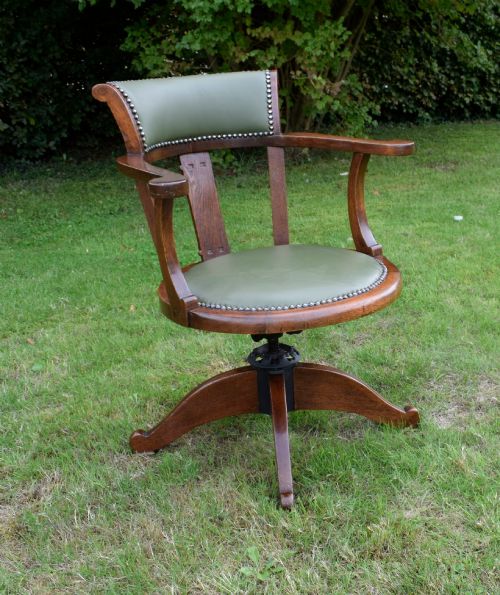
Vintage Oak Seats
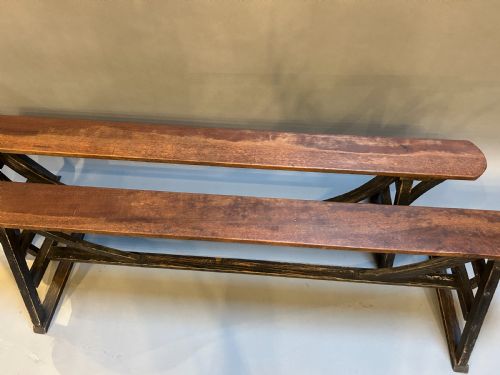
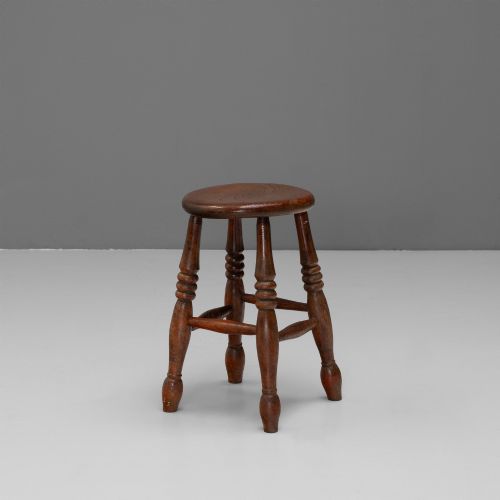
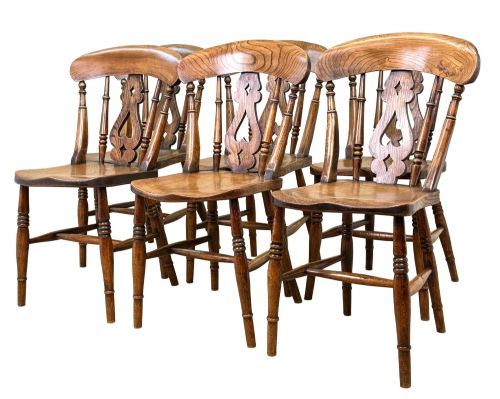
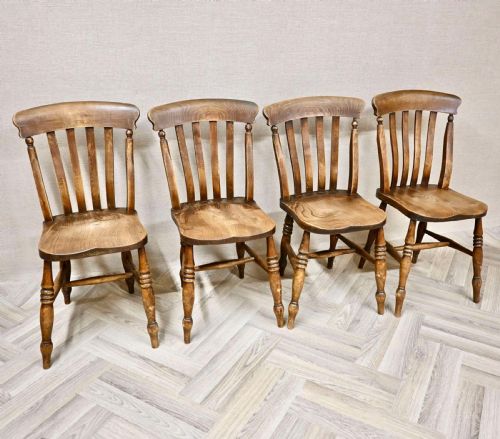
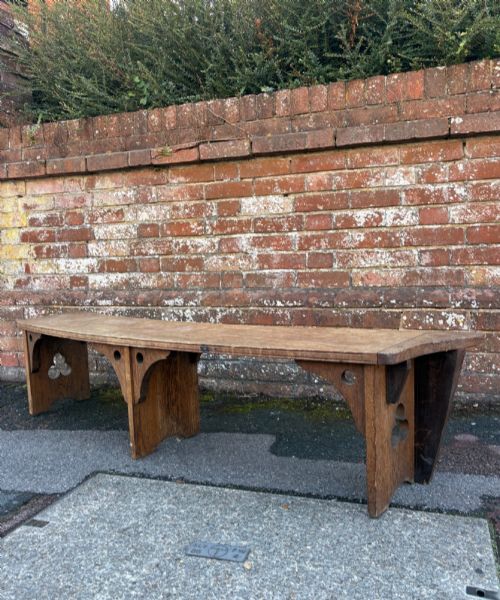
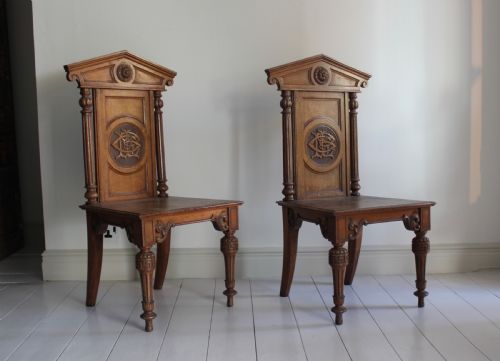
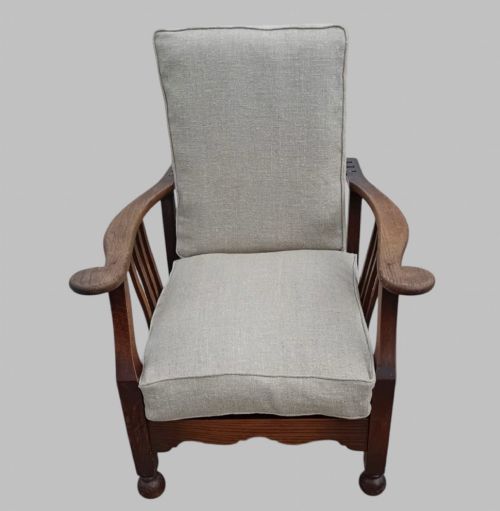
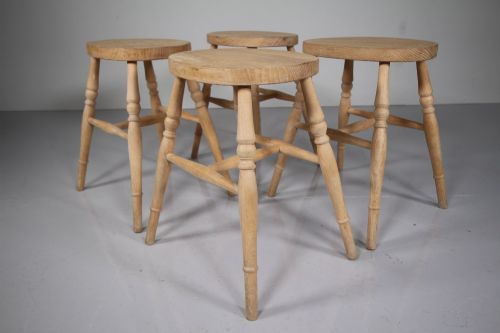
Vintage oak seats bring sturdy character to domestic spaces, offering solid timber construction and enduring practical utility across diverse period forms.
Vintage Oak Seats
The selection ranges across distinct periods including the Victorian, Edwardian, and early twentieth-century eras, reflecting shifts in domestic design. Common forms span dining chairs, armchairs, office swivel chairs, and settles, often drawing on rustic country traditions or revival styles.
Makers utilised resilient timber to build furniture intended for heavy daily use in kitchens, hallways, and offices. Surviving examples demonstrate how robust materials endured decades of domestic service while maintaining their structural integrity.
What varies in quality
Quality differences emerge through the selection of timber and the precision of the underlying joinery. Superior examples display carefully matched grain patterns and tight, hand-cut joints that resist movement over time.
Design ambition also separates standard workshop output from finer pieces. Pieces featuring thoughtful carved decoration, integrated storage compartments, or ergonomic curved backs demonstrate higher craftsmanship than plain utilitarian equivalents.
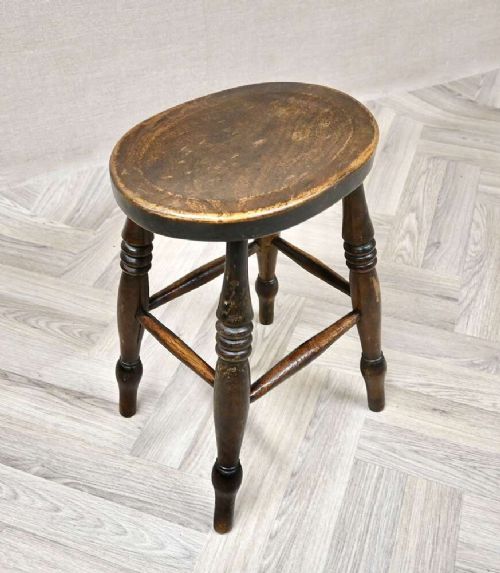
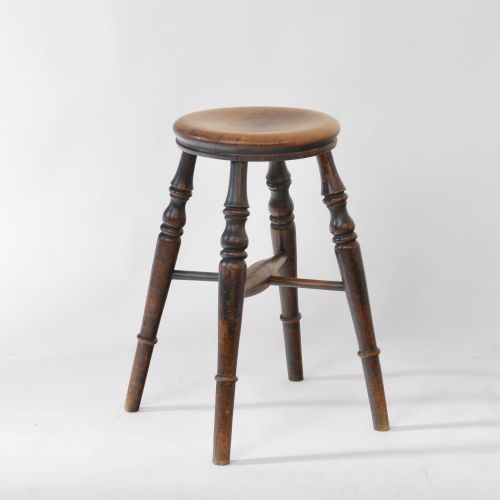
Silversmiths and artisans once perched on specialised revolving stools, pivoting through frantic working hours without ever leaving their seats.
Liberty Morris And Co
The Vintage Oak Seats Glossary
- Windsor chair
- A chair built with a solid wooden seat into which the legs and back spindles are wedged directly. This vernacular form developed significant regional variations across the British countryside.
- Hall seat
- A piece of furniture designed for entranceways, frequently incorporating a lift-up lid or panelled back. These items provided both a place to sit and storage for outdoor garments.
- Rush seat
- A seating surface woven from dried marsh rushes around a wooden frame. This traditional technique produces a flexible, textured pad common in country and Arts and Crafts furniture.
- Joint stool
- A low wooden stool constructed with mortise and tenon joints pegged together. These sturdy items served multiple household purposes before chairs became ubiquitous.
- Settle
- A high-backed wooden bench with solid arms and an enclosed base to block draughts. They typically stood near fireplaces in period interiors.
Vintage Oak Seats: Frequently Asked Questions
How do I date an oak chair?
Dating relies on examining construction methods, tool marks, and stylistic clues left by the maker. Hand-sawn timber and pegged joinery usually point towards nineteenth-century production.
Later pieces from the Edwardian period often incorporate machine-sawn components and factory-produced hardware. Comparing the overall design to documented revival styles helps narrow the decade of origin.
Are oak seats heavy to move?
Solid oak furniture is naturally dense and heavy, making larger benches and armchairs difficult to reposition frequently. Smaller stools and side chairs remain manageable for daily use.
Their substantial weight contributes to their stability and durability over generations. Selecting pieces with appropriate proportions helps balance presence with practical mobility in smaller rooms.
How do I care for leather upholstery?
Leather seat pads and desk chair inserts require regular conditioning to prevent the natural hide from drying and cracking. Gentle cleaning removes dust accumulated in the grain.
Keeping antique leather away from direct sunlight and heat sources preserves its supple texture. Minor scuffs often blend into the patina built up over decades of use.
Can I use kitchen chairs daily?
Period kitchen chairs and Windsor seats were engineered specifically for robust daily service in domestic environments. Their solid timber frames handle regular sitting without structural compromise.
Checking that joints remain tight ensures safety during everyday use. Adding subtle felt pads protects both the chair legs and modern flooring.