





Vintage Oak Paper Storage
Vintage oak paper storage pieces are sturdy office and home organizers that bring practical utility and handsome grain to your study.
Vintage Oak Paper Storage
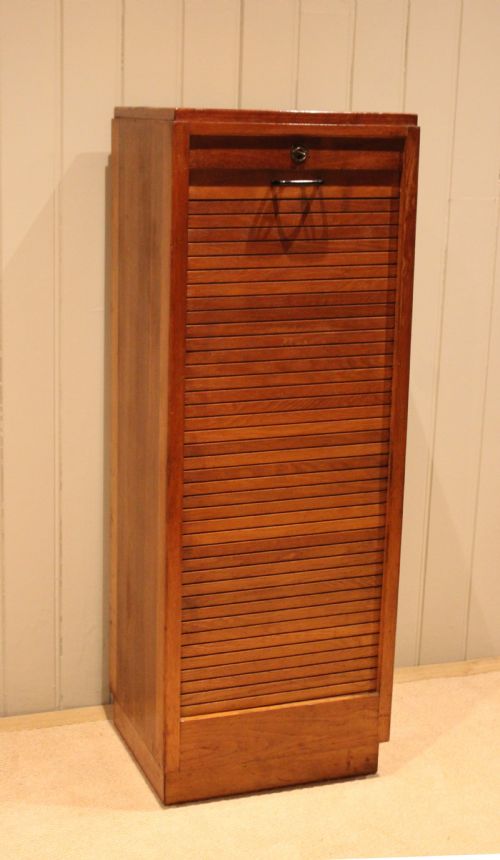
The most common version you will meet on this page is the tambour front filing cabinet in dark or light oak. These pieces rely on flexible slatted wooden doors that slide smoothly around a track to conceal the interior drawers or compartments.
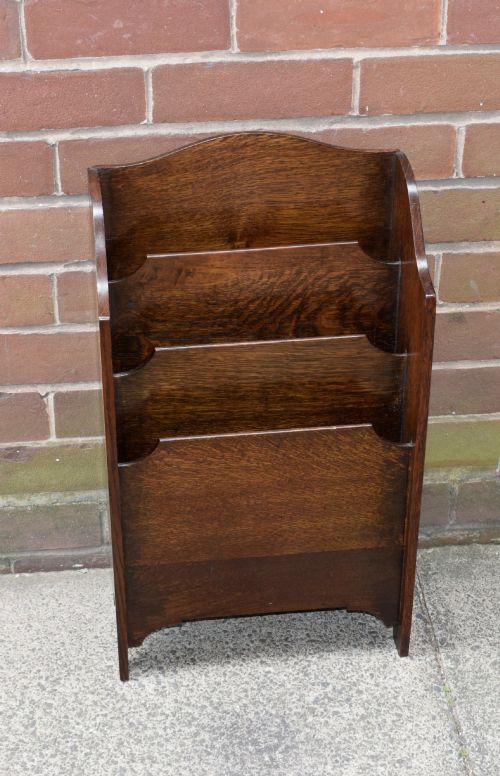
Other forms include Arts and Crafts magazine racks and dedicated music filing cabinets from the 1920s. These items range from compact newspaper holders to tall office units designed for serious paperwork.
How they were made
Makers built these storage pieces using solid oak and oak veneers, often pairing the timber with brass handles, hinges, and label holders. Canvas and metal components also appear internally or structurally to support the sliding mechanisms and drawer runners.
Tambour construction required precise woodworking, joining small horizontal strips of oak to a fabric or leather backing so the door could bend around tight corners. Satinwood detailing occasionally surfaces as a contrasting trim on specific Edwardian pieces.
Vintage Oak Paper Storage Retail Price Guide 2026
Typical asking prices for vintage oak paper storage among the pieces listed under this phrase on Sellingantiques today, from the lower quarter to the upper quarter. They describe what is for sale here now, not the wider market.
Some tambour doors slide so smoothly you might suspect they are powered by tiny, invisible office gnomes.
What varies in quality
The choice of materials also dictates the grade of the piece, with finely figured oak grain and heavy cast brass hardware separating standard office furniture from finer domestic examples.
The Vintage Oak Paper Storage Glossary
- Tambour
- A flexible door made of narrow wooden slats attached to a backing fabric, allowing it to slide around a curved track. This clever design saves space in tight office environments.
- Arts and Crafts
- A design movement focusing on traditional craftsmanship, simple forms, and visible construction methods. Pieces from this style emphasise the natural qualities of the oak timber.
- Edwardian
- The period spanning from 1901 to 1910, known for furniture that often reinterpreted earlier historical styles with lighter proportions. Items from this era show refined proportions.
- Music Cabinet
- A specialised piece of furniture fitted with shallow drawers or shelves intended for sheet music. These often feature distinctive labeling or compartmentalized interiors.
Vintage Oak Paper Storage: Frequently Asked Questions
How do tambour doors work?
Tambour doors are constructed from narrow slats of wood glued to a flexible canvas backing. This allows the entire panel to curve smoothly along a recessed track inside the cabinet frame.
When opened, the door slides away completely out of sight into the sides or back of the cabinet. This mechanism requires careful alignment to prevent sticking over decades of use.
How do I date an oak cabinet?
Dating relies on stylistic clues, hardware materials, and construction techniques visible on the piece. Edwardian items often feature lighter decoration, while 1930s and 1940s examples lean towards utilitarian simplicity.
Makers occasionally incorporated brass label holders or specific lock types typical of a decade. Comparing the overall aesthetic to documented periods provides a reliable guide to its age.
How should I care for oak storage?
Keep wooden furniture away from direct heat sources and strong sunlight to prevent the oak from splitting or warping. Regular dusting with a dry cloth maintains the natural finish without buildup.
Occasional application of a traditional wax helps nourish the timber and protect the grain. Avoid excessive moisture on both the wood and any brass fittings.