

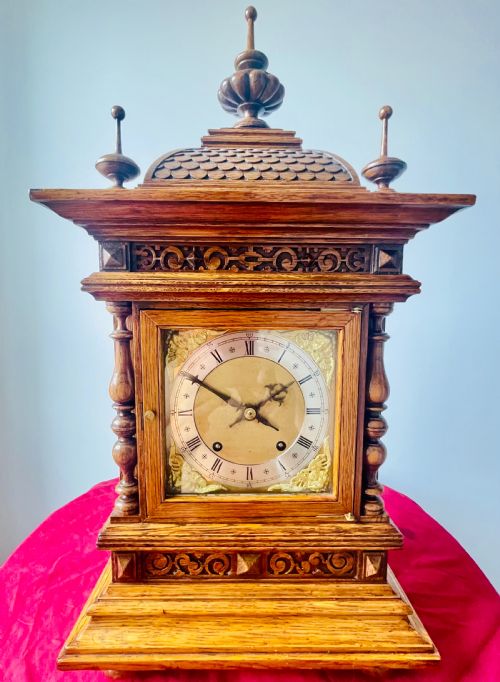
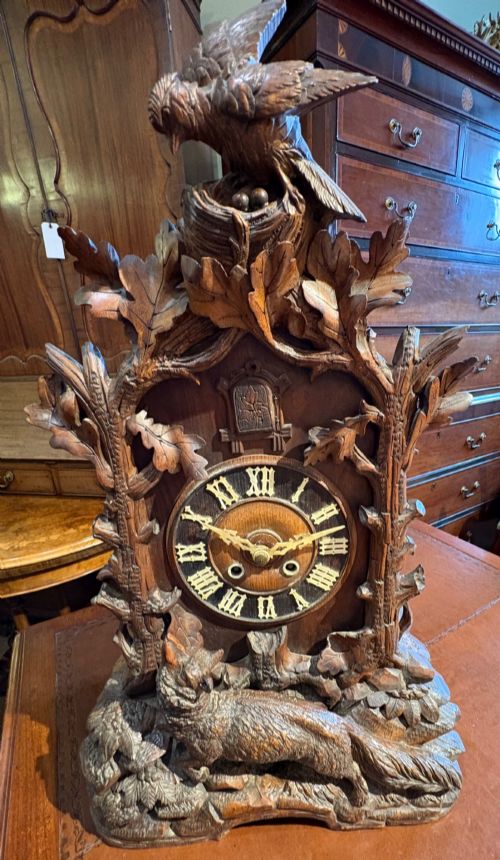
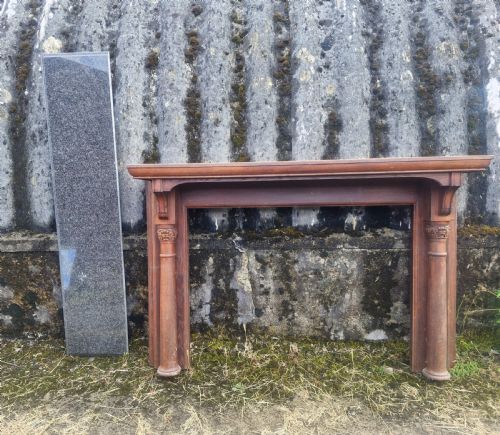
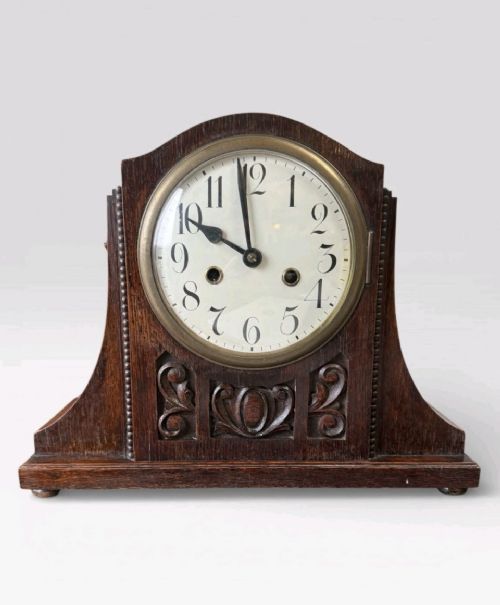
Vintage Oak Mantel
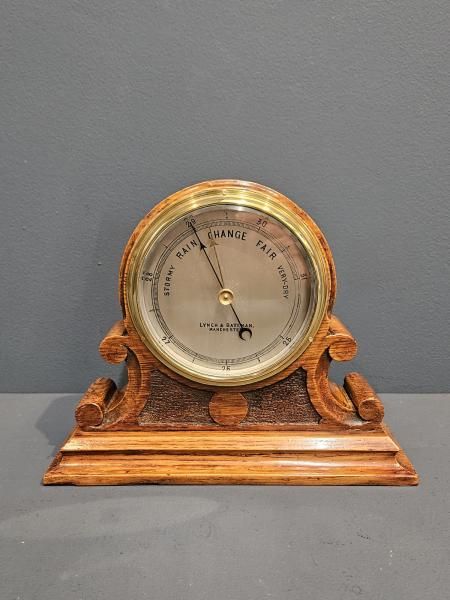
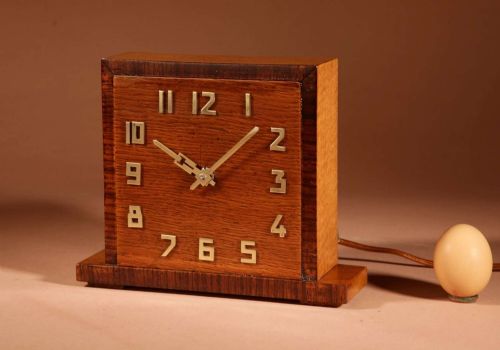
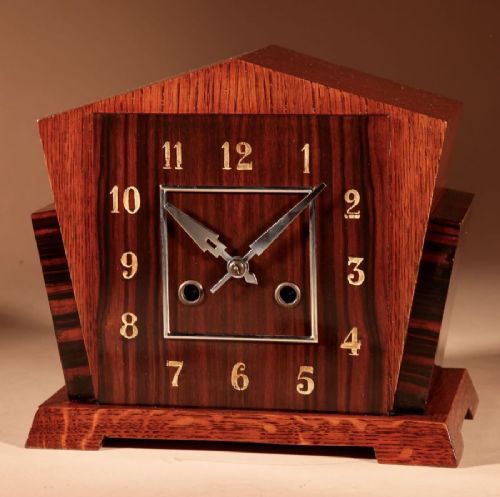
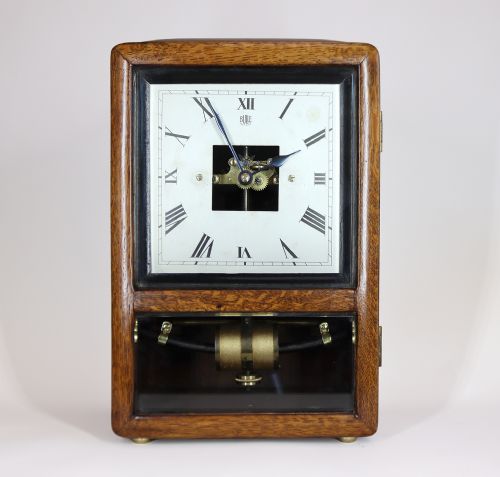
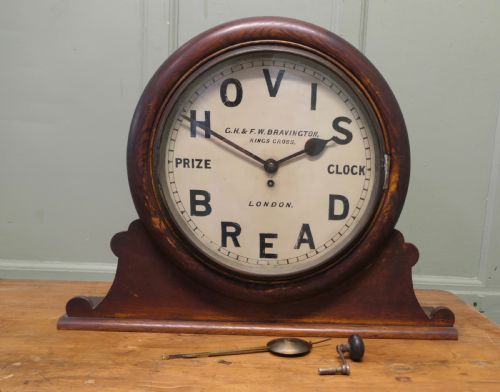
These vintage oak mantel pieces combine solid timber joinery with period horology and architectural salvage, offering practical character for a hearth or shelf.
Vintage Oak Mantel
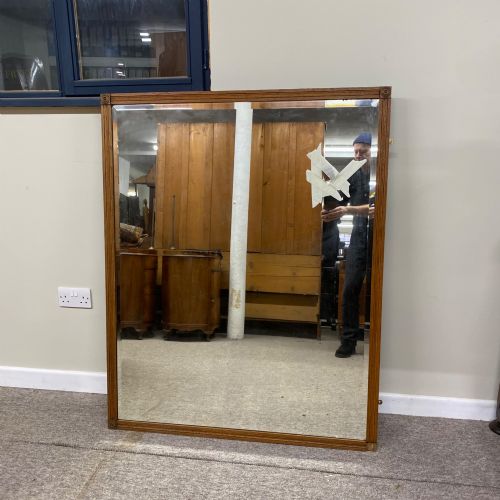
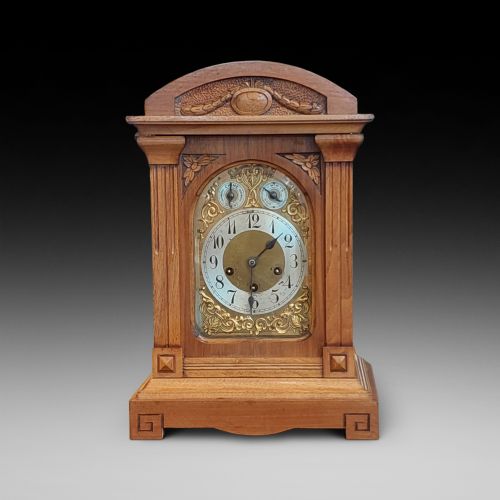
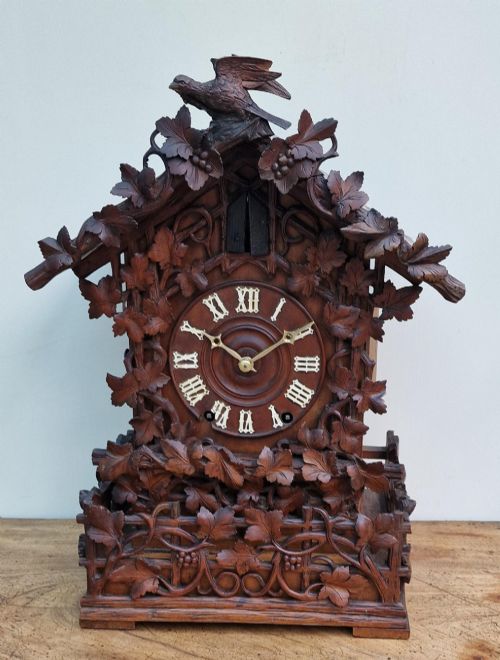
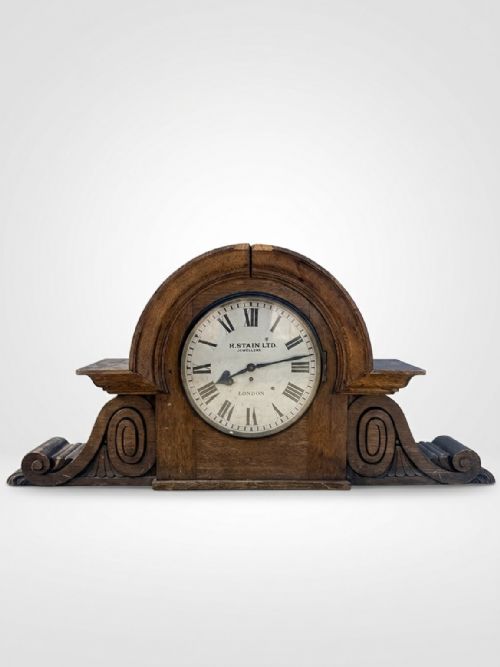
Alongside timepieces, the category includes carved wooden mirrors, desk clocks, and structural timber fragments. Pieces span various stylistic influences including Art Deco, Art Nouveau, and Black Forest traditions, reflecting the changing interior tastes across the nineteenth and twentieth centuries.
How they were made
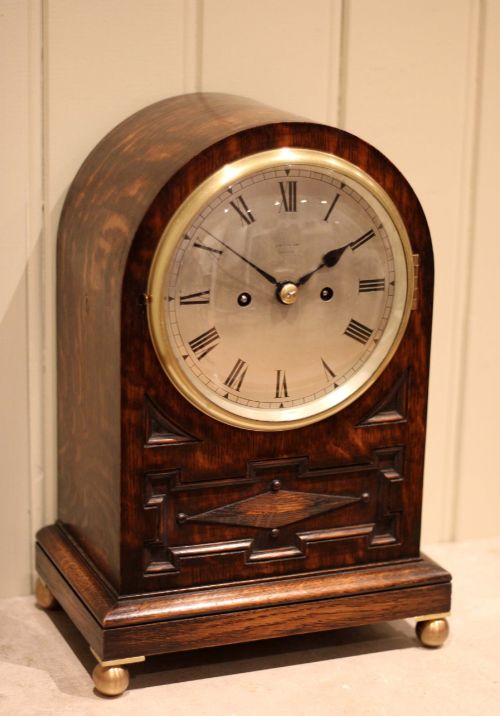
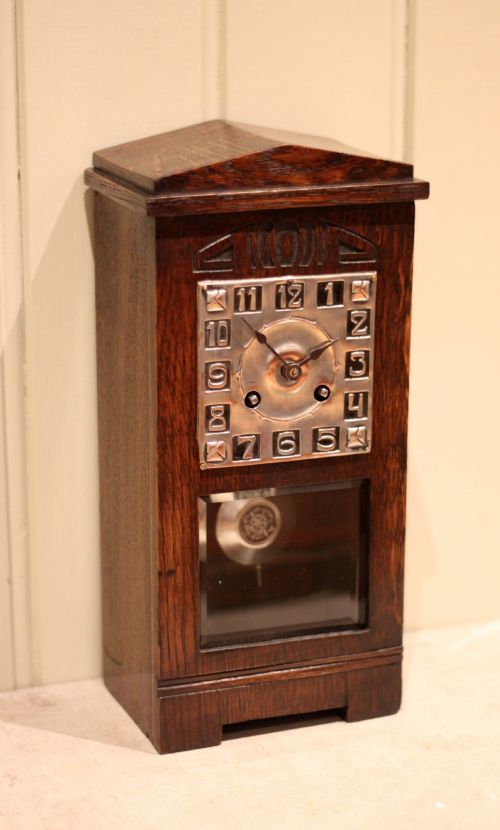
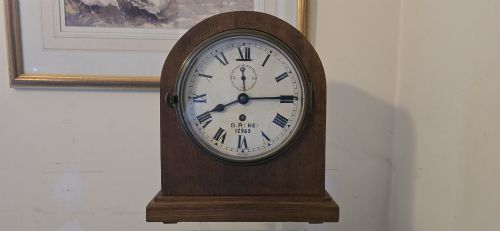
Makers utilised solid oak alongside contrasting timbers such as macassar ebony, rosewood, and coromandel, often incorporating brass faces, glass panels, and chrome details. Clock cases were constructed using mechanical movements like fusee, twin fusee, and eight-day striking mechanisms, housed within hand-carved, arch-topped, or geometric wooden frames.
Architectural elements and mirrors demonstrate traditional carpentry techniques, including mortise and tenon joinery, hand carving, and applied mouldings. Metal components such as hinges, bezels, and dials integrate with the wooden chassis to form cohesive decorative and functional objects.
Vintage Oak Mantel Retail Price Guide 2026
Typical asking prices for vintage oak mantel among the pieces listed under this phrase on Sellingantiques today, from the lower quarter to the upper quarter. They describe what is for sale here now, not the wider market.
One salvaged seventeenth-century beam end carries an ancient taper burn intended to ward off medieval household spirits.
What varies in quality
Quality separates through the crispness of hand carving, the selection of figured oak timbers, and the sophistication of the internal movement. Clocks featuring complex twin fusee or quarterly striking movements sit above simpler timepieces, just as architectural salvage with defined carving surpasses plain timber cuts.
The integration of secondary materials, such as contrasting ebony inlay or cast brass dials, distinguishes finer examples from standard production pieces. Preservation of original mechanical parts and clean joinery further define the upper tier of the range.
G.H & F.W Bravington London·Jas Whitelaw of Edinburgh·Pennington of Camberwell London·Payne & Co of London·DeLa Salle And Christie
The Vintage Oak Mantel Glossary
- Fusee
- A conical pulley used in clock movements to maintain even tension on the mainspring as it unwinds. This mechanism helps improve the timekeeping accuracy of bracket and mantel clocks.
- Bracket clock
- A portable clock designed to sit on a bracket, shelf, or mantelpiece. They often feature complex striking or chiming movements housed in elaborate wooden cases.
- Inglenook beam end
- A heavy structural timber salvaged from a large fireplace opening. These pieces frequently display signs of age, smoke exposure, or apotropaic markings.
- Apotropaic taper burn
- A ritualistic burn mark applied to historic timber to ward off evil spirits. Found on early architectural salvage pieces.
- Twin fusee
- A clock movement utilising two separate fusee cones to power the timekeeping train and the striking train independently. This setup ensures neither function disrupts the other's accuracy.
Vintage Oak Mantel: Frequently Asked Questions
What is a fusee movement?
A fusee movement uses a conical drum and a cord or chain to regulate the pull of the mainspring. This evens out the power delivery as the spring runs down.
It is a hallmark of better quality mechanical clocks from the eighteenth and nineteenth centuries.
How do I date an oak clock?
Dating relies on stylistic clues like Art Deco geometric lines, Arts and Crafts hand carving, or Victorian case proportions. Movement types and maker signatures also help establish the decade of production.
Construction methods within the wooden case provide additional confirmation of the period.
Where should I place a mantel clock?
These clocks suit fireplace mantels, sturdy bookshelves, or console tables where their weight and depth are supported. Avoid locations exposed to direct sunlight or damp conditions.
Level surfaces are essential for mechanical pendulums and balances to operate correctly.