




Vintage Oak Fireside Chair
A vintage oak fireside chair brings solid timber warmth and honest construction to a room, offering deep comfort by the hearth.
Vintage Oak Fireside Chair
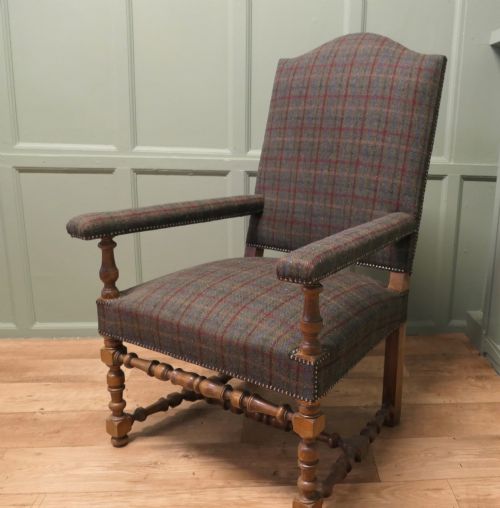
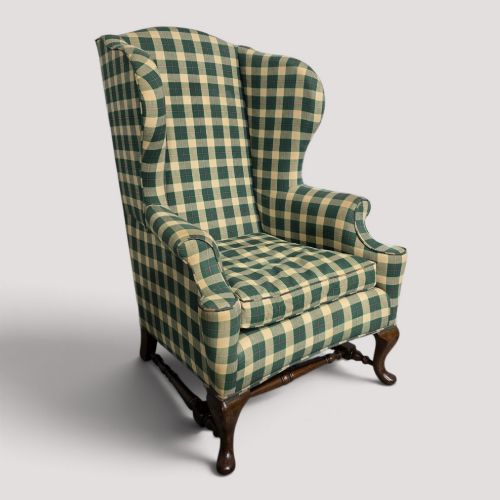
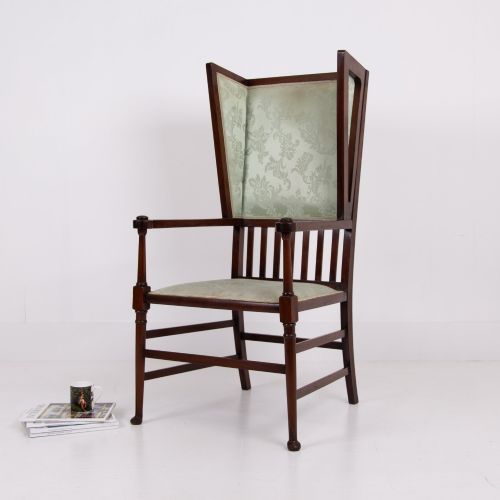
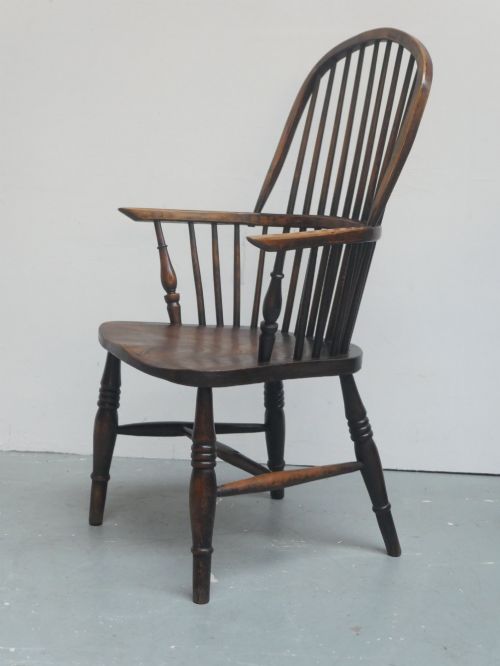
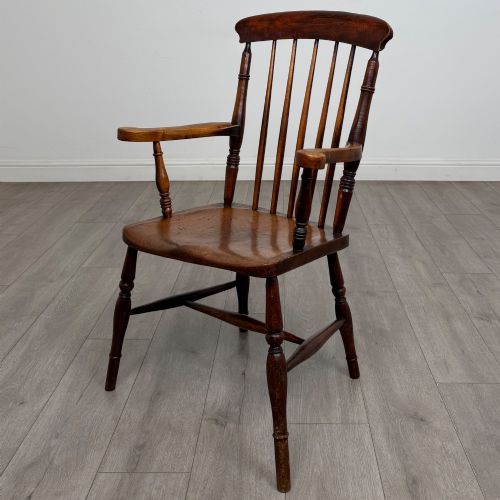
When you search for a vintage oak fireside chair, you enter a diverse field of sturdy seating spanning several centuries of British and continental craftsmanship. The pieces available range from robust country ladder backs and Windsor forms to formal upholstered armchairs with exposed timber frames.
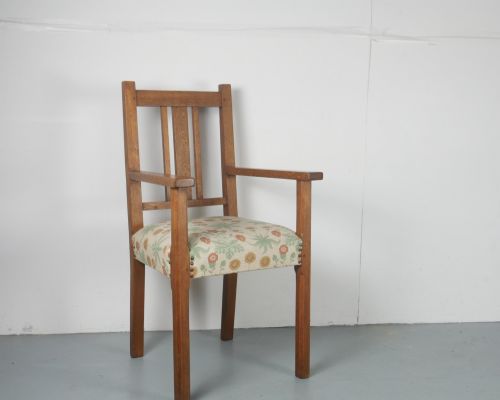
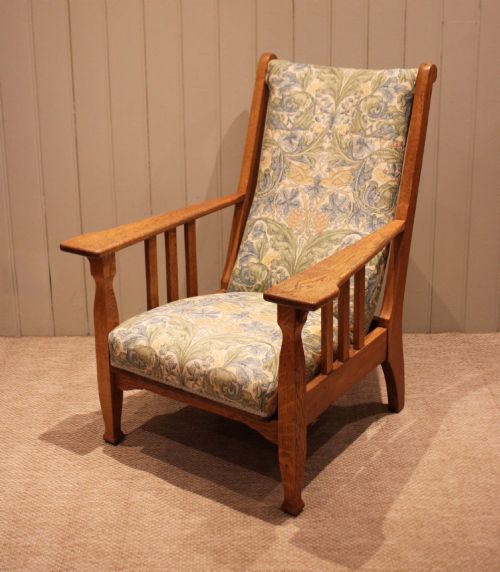
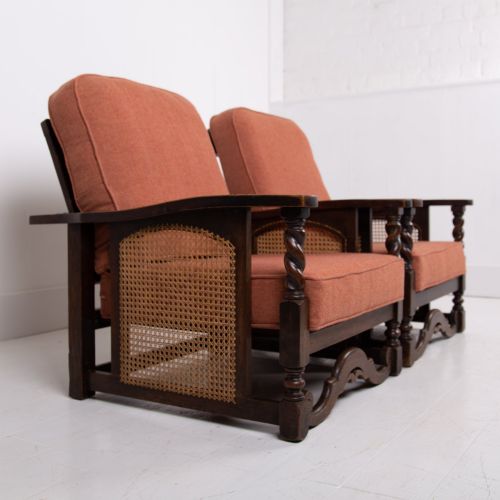
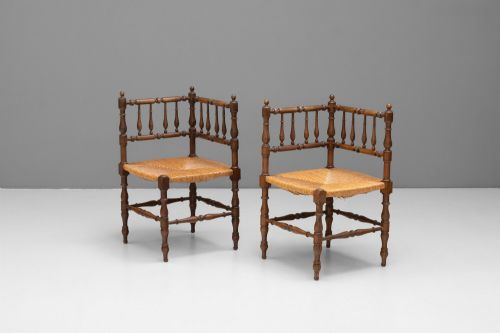
You are most likely to meet sturdy oak armchairs originating from the Victorian and Edwardian eras, alongside early twentieth century Arts and Crafts examples. These seating options often feature leather pads or rush seats designed for practical daily use near a fireplace.
Materials and construction methods
Makers utilised solid oak for the primary frames, frequently combining it with secondary timbers such as elm, beech or ash for spindles and bentwood elements. Traditional joinery techniques like mortise and tenon ensure the structural integrity of these heavy chairs.
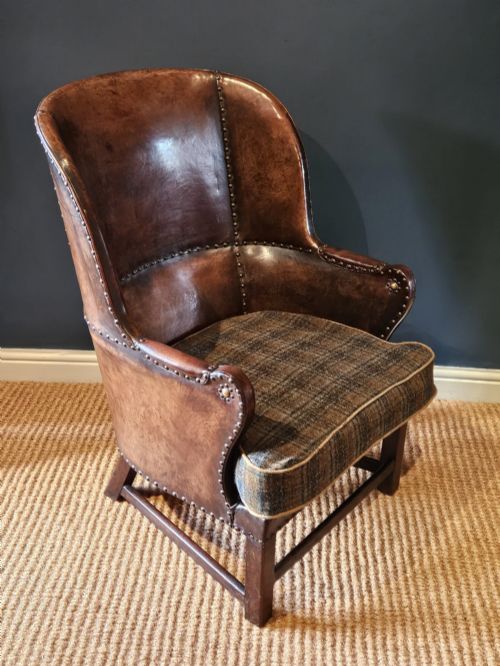
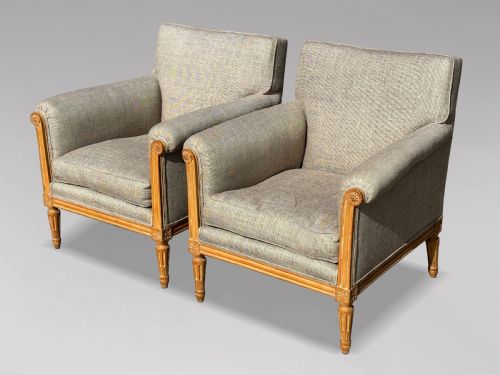
Upholstered versions incorporate leather, fabric, and metal studs, whilst others rely on woven rush or plain wooden slats for support. Brass fittings and castors occasionally appear on larger library and wingback variants from the nineteenth century onwards.
Vintage Oak Fireside Chair Retail Price Guide 2026
Typical asking prices for vintage oak fireside chair among the pieces listed under this phrase on Sellingantiques today, from the lower quarter to the upper quarter. They describe what is for sale here now, not the wider market.
Listings feature oak chairs spanning from the seventeenth century through to the mid-twentieth century, incorporating elm, beech, rush, and leather.
The markers of finer execution
Quality rests in the selection of the timber and the honesty of the construction, where figured oak grain and tight joinery elevate a simple vernacular form. Heavier frames with substantial proportions and well-balanced spindle turning show superior workshop competence.
The integration of original leather or supportive sprung upholstery distinguishes finer seating from basic functional forms. Retaining genuine period surfaces and patination rather than over-restored timber defines the more desirable examples.
Robert Mouseman Thompson
The Vintage Oak Fireside Chair Glossary
- Windsor
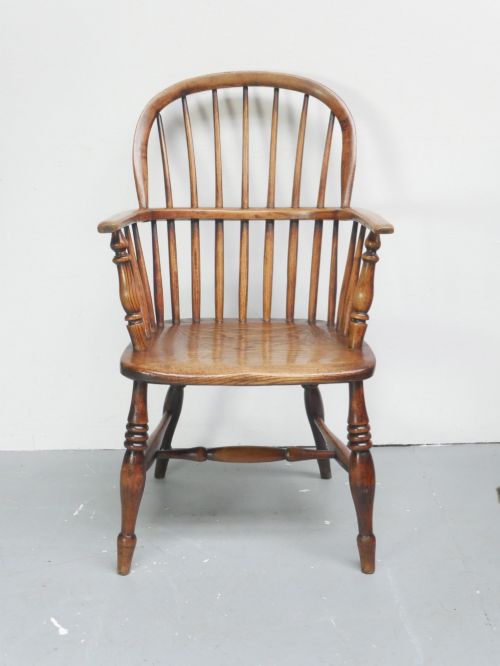
- A chair built with a solid wooden seat into which the legs and back spindles are separately bored and wedged. This traditional method provides exceptional stability.
- Ladder back
- A chair featuring horizontal wooden slats between the upright rear posts of the backrest. It represents a staple of country vernacular furniture.
- Bergere
- An upholstered armchair with an enclosed cane or wicker panelled back and sides. The wooden frame is typically exposed and shaped.
- Rush seat
- A seating surface woven from dried marsh grasses twisted into cords. This technique appears frequently on traditional country chairs.
- Stick back
- A simplified vernacular chair design utilising plain turned wooden rods to form the backrest. These pieces prioritise utilitarian strength.
Vintage Oak Fireside Chair: Frequently Asked Questions
How do I identify a true vintage oak fireside chair?
Examine the timber framing for traditional joint construction, hand-turned spindles, and appropriate surface patination that matches the attributed period. Real vintage examples show honest wear consistent with age and genuine vernacular or revival styling.
Check the base and underside for construction clues such as wedged tenons or older fixing methods. Reliable pieces display consistent timber ageing across all structural components.
Were these chairs originally used only by the fireside?
Many sturdy oak chairs served multiple purposes in domestic settings including libraries, kitchens, and parlours. Their robust construction made them suitable for any room requiring reliable seating.
Over time, low armchairs and wingbacks naturally gravitated toward the hearth for warmth and comfort. Their enclosed designs helped block draughts in older homes.
How should I care for leather upholstery on an oak chair?
Maintain historical leather seats by keeping them away from direct heat sources and sunlight to prevent drying. Apply appropriate conservation leather dressings sparingly to preserve the suppleness of the hide.
Avoid modern chemical cleaners that might strip original patination or discolour the surrounding oak frame. Gentle dusting with a dry cloth is sufficient for routine upkeep.
What is the difference between Arts and Crafts and Victorian styles?
Victorian oak chairs often feature heavier carving, buttoned upholstery, and formal revival details reflecting industrial production capabilities. They tend toward ornate decoration and substantial proportions.
Arts and Crafts pieces emphasise visible hand construction, simpler lines, and honest materials. They celebrate the skill of the maker rather than applied ornamentation.