
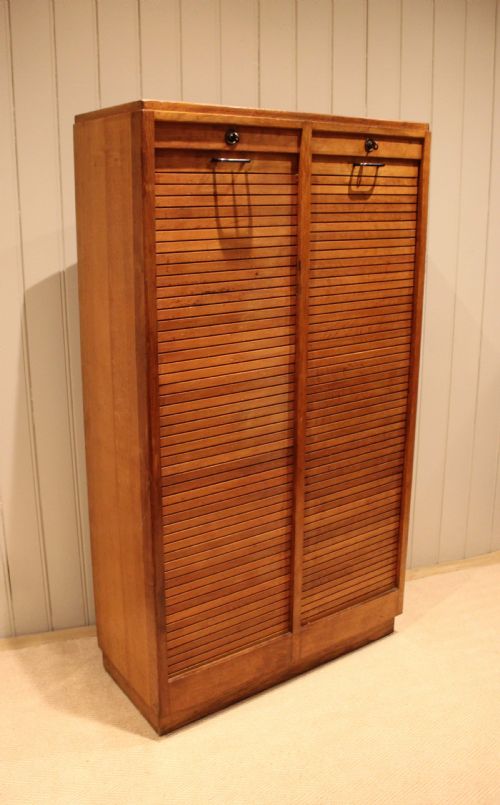


Vintage Oak Cupboard Fronts
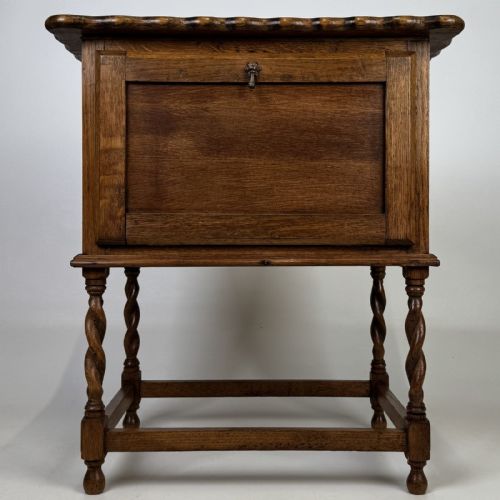
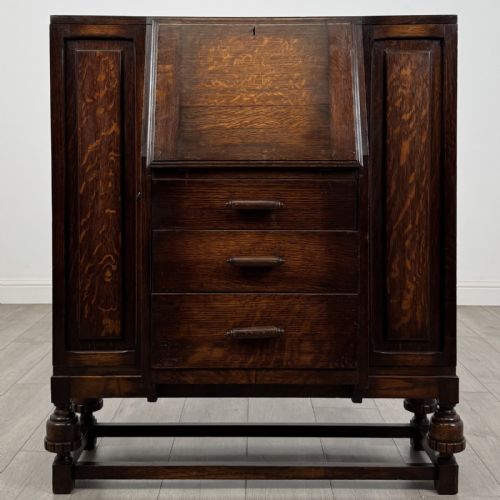
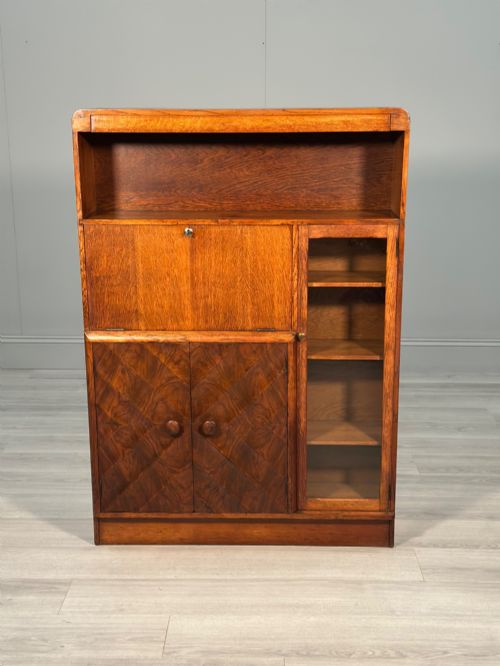
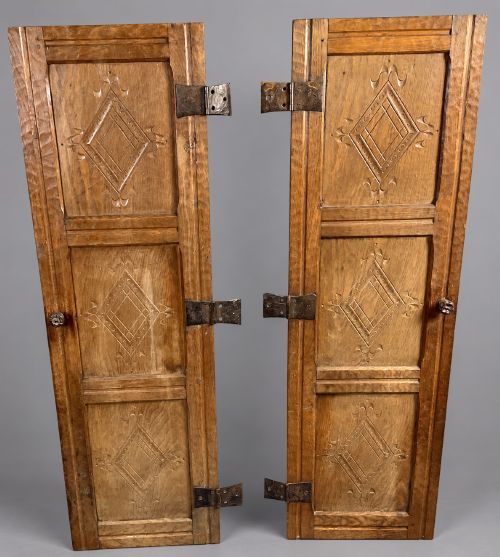
Vintage oak cupboard fronts bring substance to interiors through reclaimed architectural elements, carved panel doors, and solid timber.
Vintage Oak Cupboard Fronts
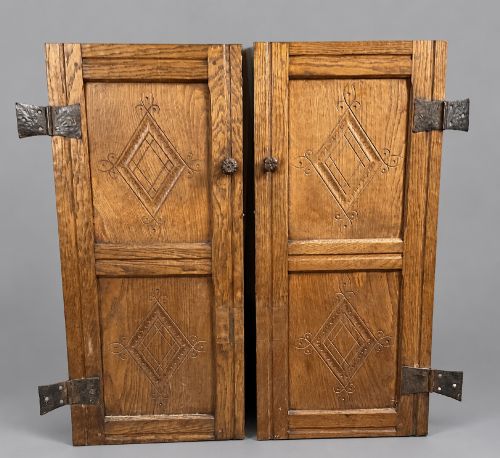
Vintage oak cupboard fronts represent architectural salvage and repurposed cabinetry elements, including individual doors, pairs of doors, and fitted cupboard faces. When searching for vintage oak cupboard fronts, buyers typically encounter pieces originating from the Edwardian period, the 1920s, and the 1930s, alongside earlier Georgian examples and mid-century French utility pieces.
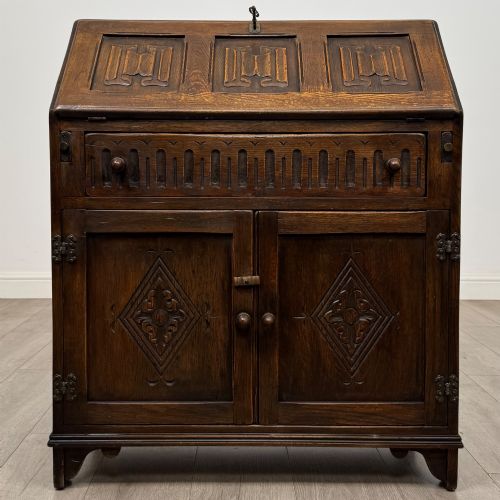
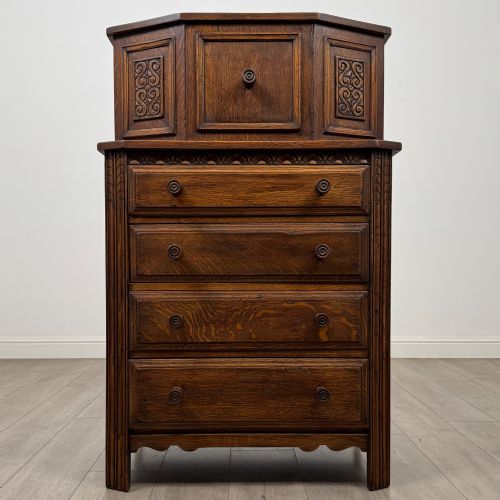
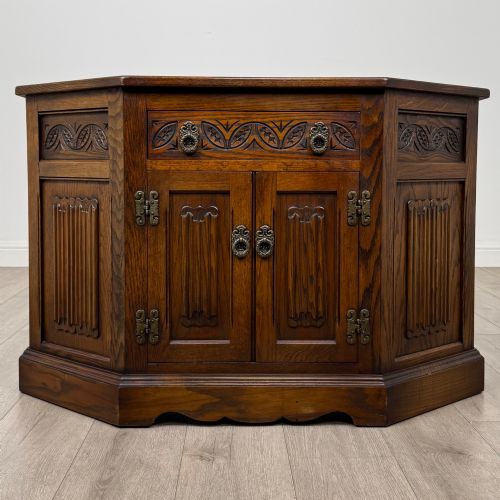
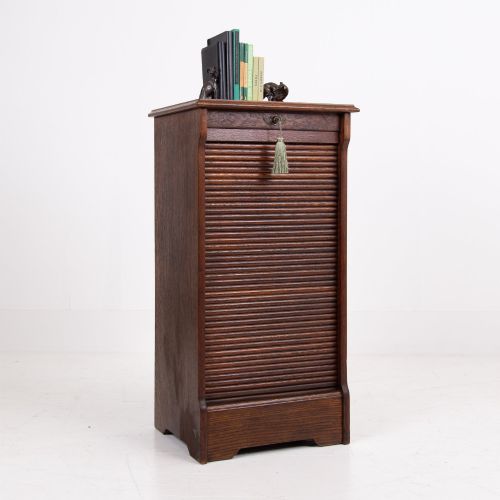
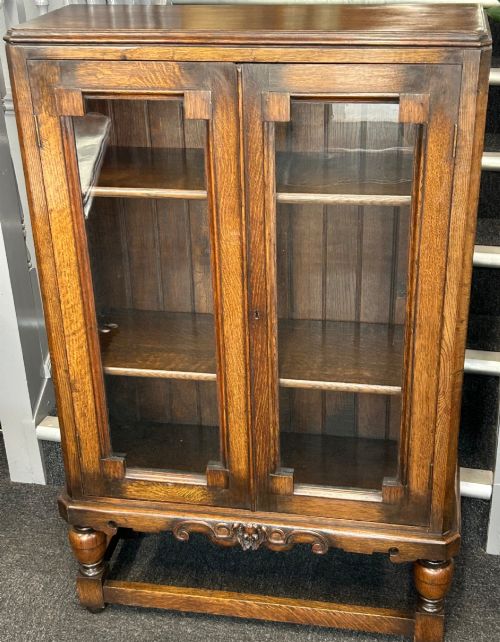
The selection ranges from linenfold carved panels and raised panel designs to tambour fronts and glazed cabinet doors. Many items show revivalist influences, particularly Jacobean Revival and Arts and Crafts styles, reflecting a long-standing British and European tradition of heavy timber joinery.
These architectural components serve primarily as decorative wall panels, replacement doors for interior renovation projects, or conversion materials for bespoke cabinetmaking. Their versatility allows them to function in modern interiors as tactile wall hangings or functional cupboard closures.
Quality factors in timber and joinery
Quality in these architectural fragments rests upon the density of the oak timber and the crispness of any hand-carved detailing. Superior pieces display tight growth rings and deep, deliberate chisel work rather than shallow mechanical stamping.
The integrity of the original joinery, including intact tongue-and-groove joints and original brass or iron hardware, elevates a piece significantly. Better examples retain their structural stability without excessive splitting or moisture damage to the base timber.
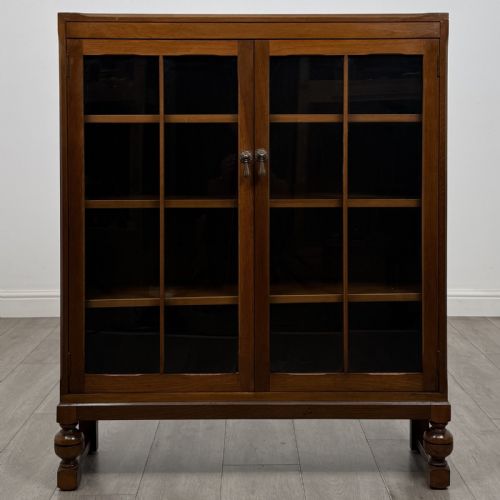
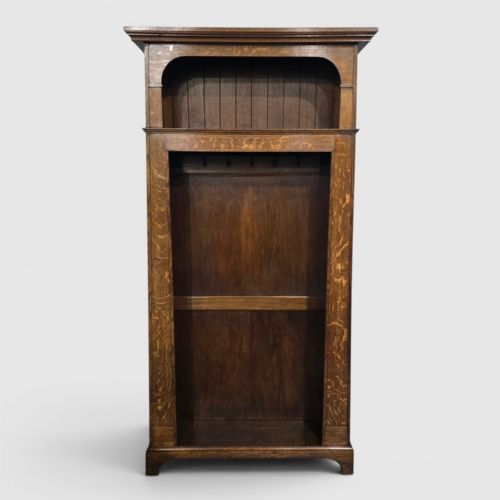
Design styles include Jacobean Revival, Arts and Crafts, and French Utility applied to corner cabinets, doors, and bookcases.
The Vintage Oak Cupboard Fronts Glossary
- Linenfold
- A style of wood carving that imitates folded linen, commonly found on Tudor Revival and Edwardian cupboard panels. This decorative technique creates a textured surface that catches light across the grain.
- Tambour
- A series of narrow wooden strips glued to a canvas backing, allowing a cabinet door to slide around a curved track. It appears frequently on early twentieth-century filing cabinets and desks.
- Raised panel
- A central wooden panel within a door frame whose edges are bevelled or fielded to fit into a grooved perimeter. This traditional method accommodates wood movement in heavy oak structures.
- Cotswold School
- An Arts and Crafts design movement focusing on honest construction and simple, sturdy forms executed in solid local timbers like oak. Pieces from this tradition emphasise visible craftsmanship.
- Secretaire
- A cabinet or desk featuring a pull-down writing drawer that conceals smaller compartments and pigeonholes. These often form the upper section of larger press cupboards.
Vintage Oak Cupboard Fronts: Frequently Asked Questions
How are vintage cupboard fronts installed?
Most front panels and doors require custom mounting frames or specialised hinges to fit modern wall openings. Carpenters frequently repurpose them as operational cabinet doors by matching historical hardware.
Alternatively, many buyers mount single doors directly to walls as decorative architectural panels. This approach highlights the surface carving and timber grain without requiring mechanical hinges.
What periods do these pieces span?
The available selection spans from eighteenth-century Georgian joinery through Edwardian and interwar revivals up to mid-century French production. Earlier pieces often feature hand-carved raised panels and heavier timber sections.
Later twentieth-century examples tend toward simpler surfaces or mechanical tambour tracks. Each era utilises distinct hinge types and joinery methods that help determine the date of manufacture.
Can I use these outdoors?
Solid oak possesses natural weather-resistant qualities, but untreated antique timber will degrade rapidly under direct exposure to rain and fluctuating temperatures. Most items are designed for indoor architectural use and interior humidity levels.
Applying a protective exterior oil or varnish can extend their lifespan if used outside, though this alters the historic surface patina. Indoor placement remains the safest method for preserving vintage finishes.
How do I care for oak surfaces?
Regular dusting with a soft, dry cloth prevents particulate accumulation in deep carvings and linenfold recesses. Avoiding direct sunlight and intense heat sources protects the timber from drying and splitting.
Periodic application of beeswax feeds the dry oak and maintains a natural matte sheen. Avoid modern silicone-based polishes, as they build up residue over time.