


Vintage Oak China Cupboard
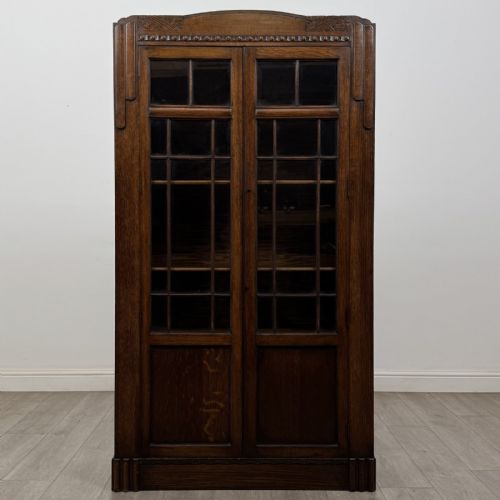
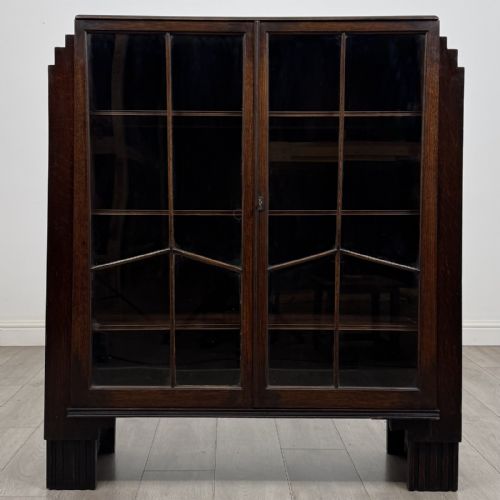
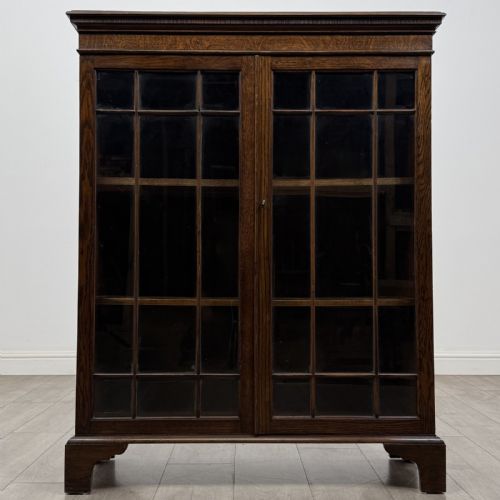
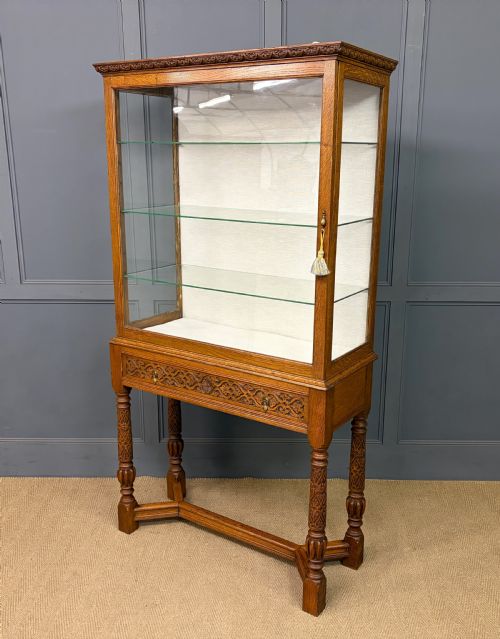
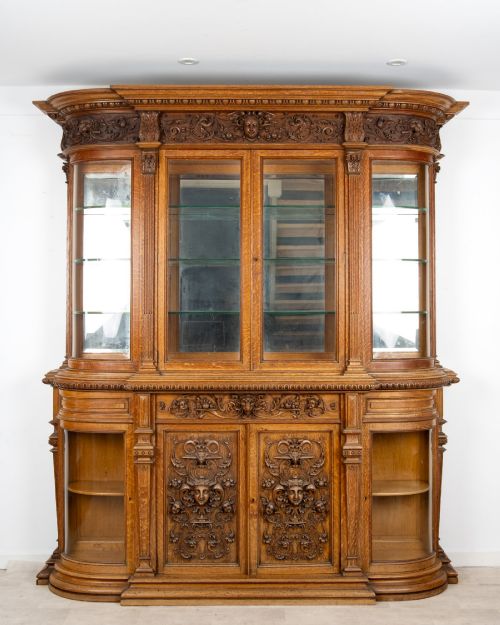
A vintage oak china cupboard brings heavy timber and clear glass together to display china while grounding a room.
Vintage Oak China Cupboard
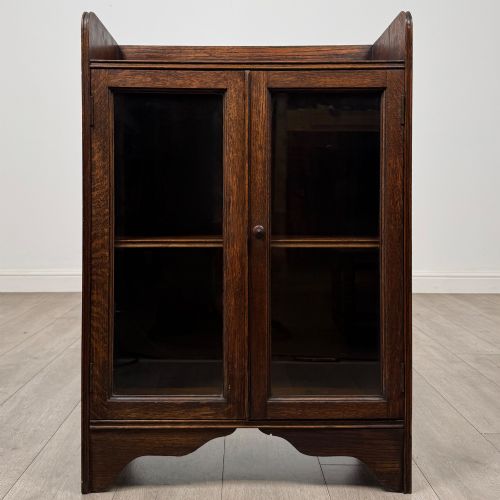
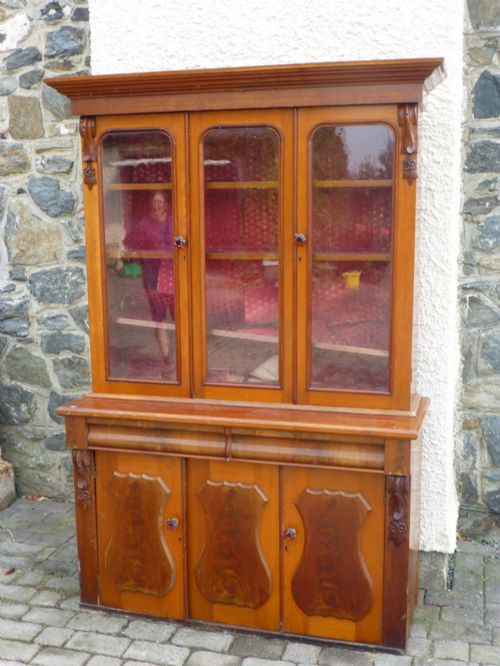
A vintage oak china cupboard combines functional storage with a glazed display area for ceramics and glassware. When you search for a vintage oak china cupboard, you encounter a range of forms spanning several centuries and revival movements.
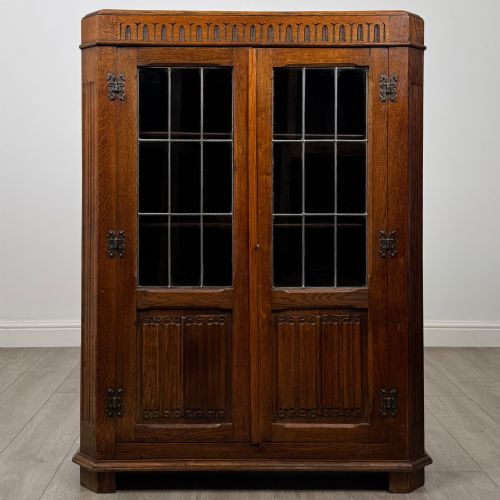
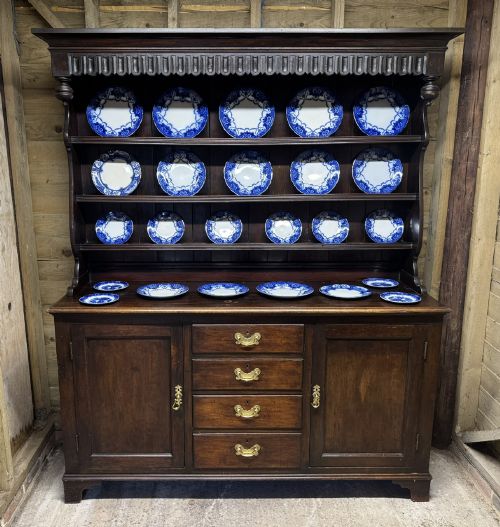
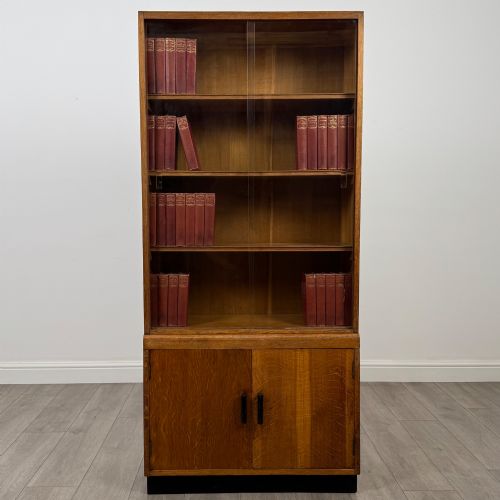
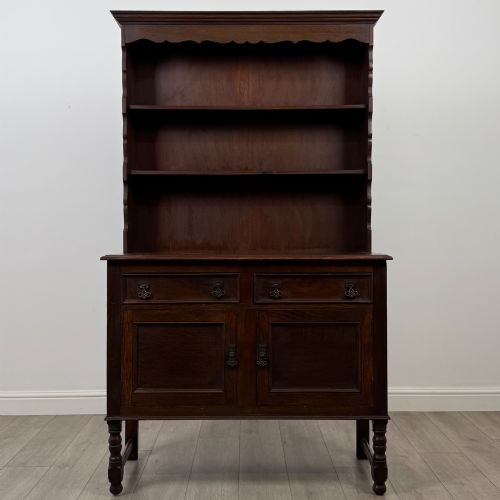
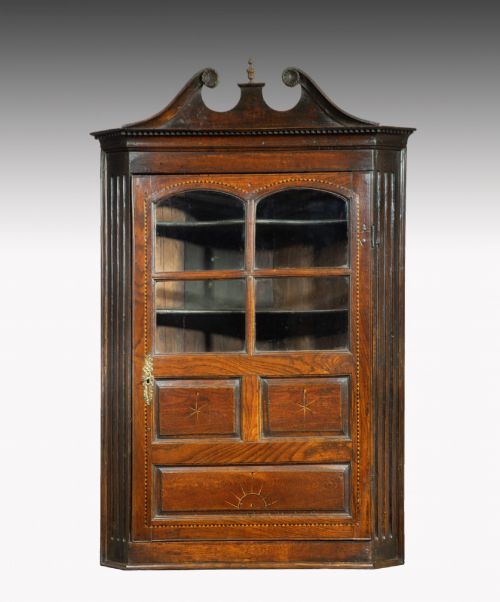
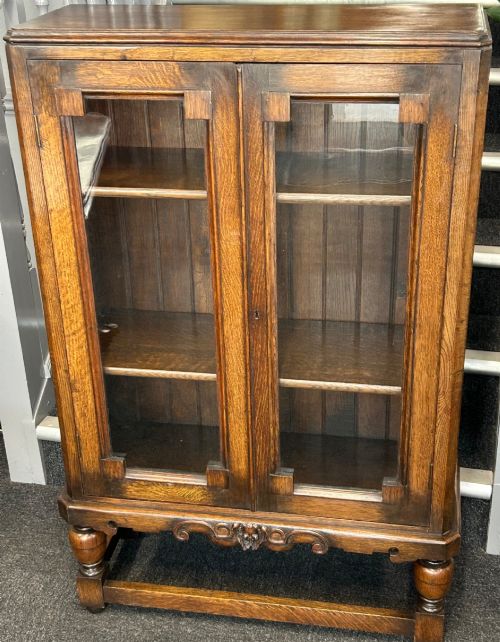
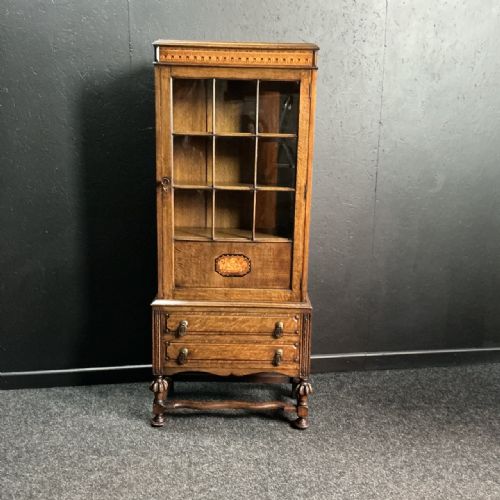
The selections on this page draw predominantly from Edwardian, 1920s, and 1930s production, alongside earlier 18th-century and 19th-century iterations. Common formats include upright display cabinets, corner cupboards, bookcases with glazed doors, and substantial Welsh dressers.
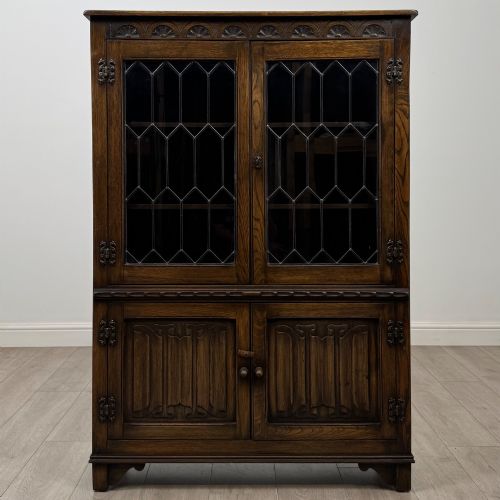
Edwardian examples frequently feature linenfold panels and leaded glass, while 1930s pieces lean towards Art Deco lines. Period influences span Jacobean Revival, Tudor Revival, and Georgian style, showing how cabinetmakers reinterpreted older aesthetics for domestic interiors.
Materials and construction methods
Solid oak forms the primary structural timber across these pieces, sometimes paired with mahogany or secondary woods in regional dressers. Timber selection dictates the weight and grain pattern, ranging from plain boards to heavily figured golden oak.
Glazing takes multiple forms, from simple fitted glass panes to leaded lights held together with metal cames. Iron, brass, and specialised hardware such as Hobbs and Co locks secure the doors, while carved details and turned legs provide decorative relief.
Vintage Oak China Cupboard Retail Price Guide 2026
Typical asking prices for vintage oak china cupboard among the pieces listed under this phrase on Sellingantiques today, from the lower quarter to the upper quarter. They describe what is for sale here now, not the wider market.
Listings feature oak cabinetry spanning the 18th century, Victorian era, Edwardian period, and the 1920s to 1930s.
Distinguishing quality in oak cabinetry
Quality rests on the integrity of the timber selection and the precision of the joinery rather than ornamentation alone. Superior pieces utilise well-seasoned oak that resists warping, with tight joints in the frame and panel construction.
Hardware integration separates standard production from finer work. Fitted locks, solid brass hinges, and cleanly soldered leaded glass indicate greater attention to detail during manufacture.
Hobbs and Co
The Vintage Oak China Cupboard Glossary
- Linenfold
- A carved wooden panel motif that mimics folded fabric, commonly seen on Edwardian oak furniture.
- Lead glass
- Small panes of glass held together by lead cames to form decorative geometric or patterned windows in cabinet doors.
- Breakfront
- A piece of furniture where the central section projects forward from the flanking sections.
- Welsh dresser
- A traditional kitchen or dining room storage unit featuring base cupboards surmounted by open shelves or a glazed cabinet.
- Corner cupboard
- A triangular cabinet designed to fit neatly into the corner of a room, saving floor space.
Vintage Oak China Cupboard: Frequently Asked Questions
How do I date an oak display cabinet?
Dating relies on examining the construction methods, hardware, and stylistic revival cues present in the timber frame. Edwardian and 1920s pieces often display machine-sawn elements alongside hand-finished details.
Earlier 18th-century and 19th-century examples reveal hand-cut joinery marks and distinct patination acquired through decades of domestic use.
Where should I place a corner cupboard?
A corner cupboard makes efficient use of underutilised room angles while providing secure display space for glassware and ceramics. These pieces anchor empty corners in dining rooms or hallways.
Ensure the wall angles match the cabinet back tightly to guarantee stability once loaded with heavy tableware.
How do I care for vintage oak furniture?
Maintain oak surfaces by dusting with a dry, soft cloth and avoiding silicone-based polishes that build up over time. Keep timber away from direct heat sources and strong sunlight to prevent splitting.
Feed the wood periodically with a suitable wax to preserve the natural grain and protect the finish.