
Vintage Oak Carving
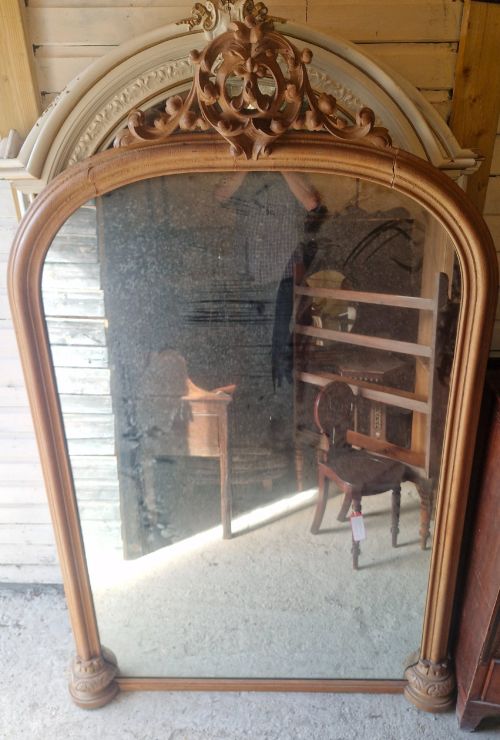
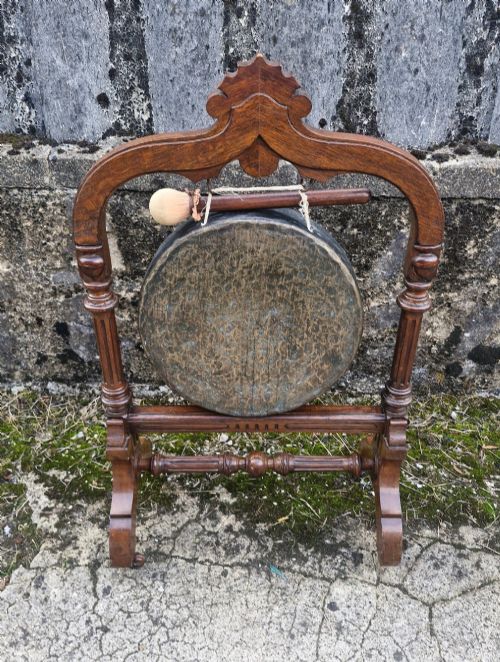
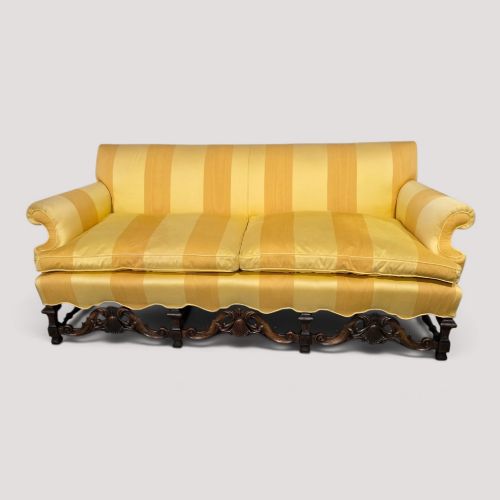
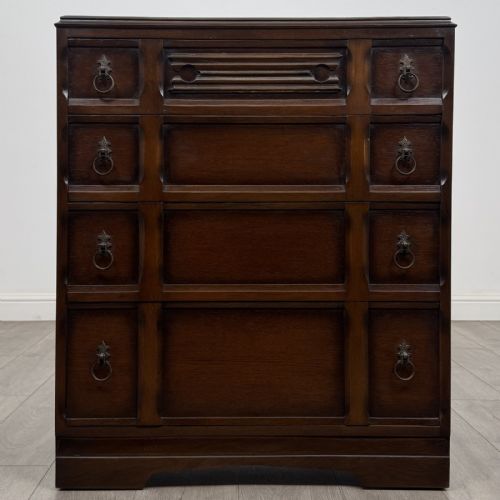
Vintage oak carving brings robust character and tactile enrichment to rooms through panels, furniture and architectural fragments.
Vintage Oak Carving
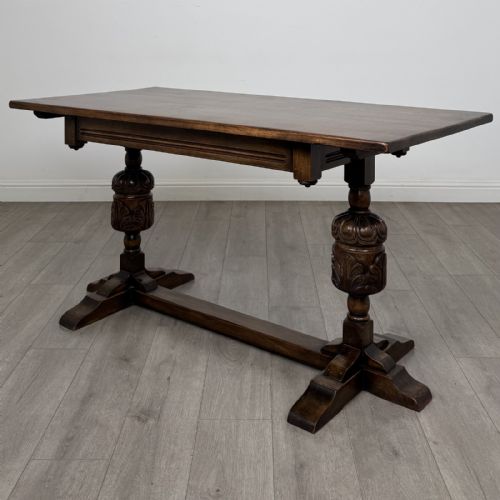
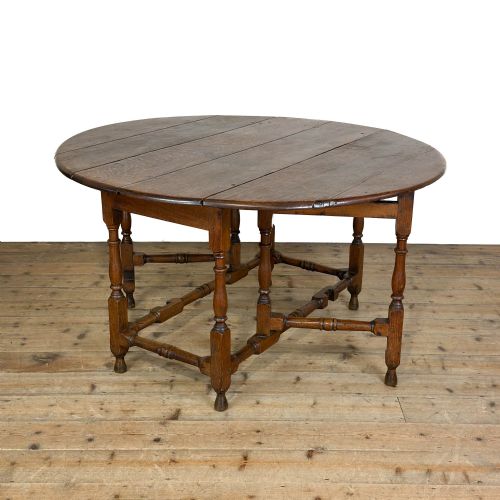
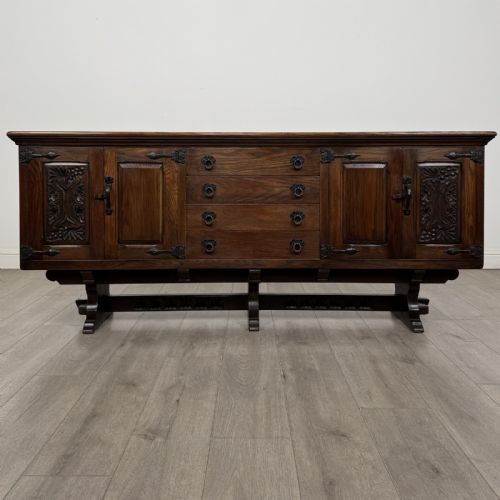
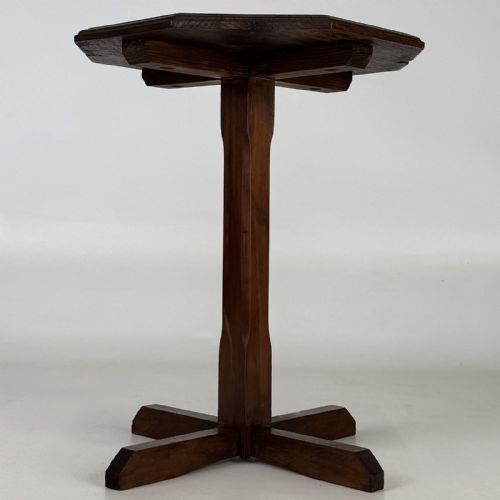
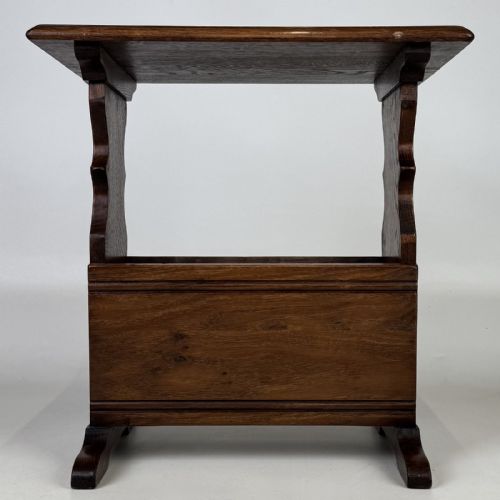
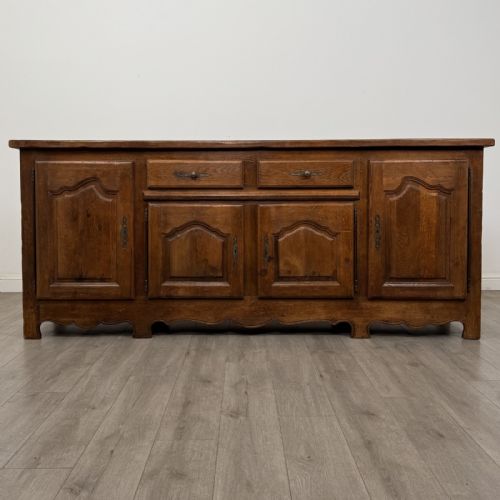
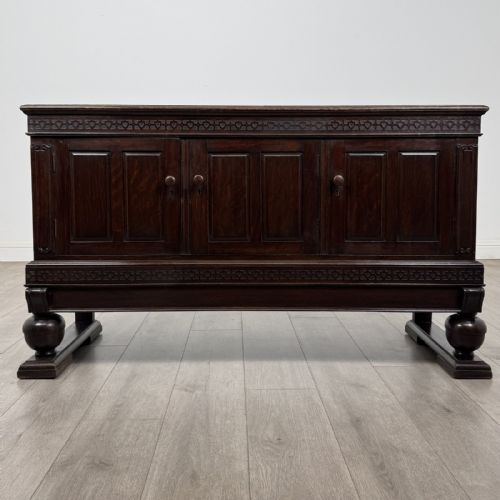
Vintage oak carving encompasses substantial furniture and architectural elements spanning from the seventeenth century through to the interwar decades of the twentieth century. Sideboards, cupboards, side tables and dining chairs form the core of what collectors encounter in this selection.
Revivalist movements strongly shape these pieces, drawing heavily upon Jacobean, Tudor, Gothic and Arts and Crafts design idioms. Pieces range from early architectural fragments like newel posts and finials to fully realised domestic furniture featuring relief panels and turned supports.
Edwardian and nineteen-twenties productions appear frequently alongside nineteenth-century examples and earlier coffer work. This variety allows a buyer to integrate either an authentic period accent or a robust revival piece into a modern interior.
Materials and construction
Solid oak provides the primary structural and visual medium, complemented by secondary touches of brass handles, iron hardware and occasionally leather or rush. Artisans utilised traditional joinery techniques such as mortise and tenon framing to build durable sideboards, desks and tables.
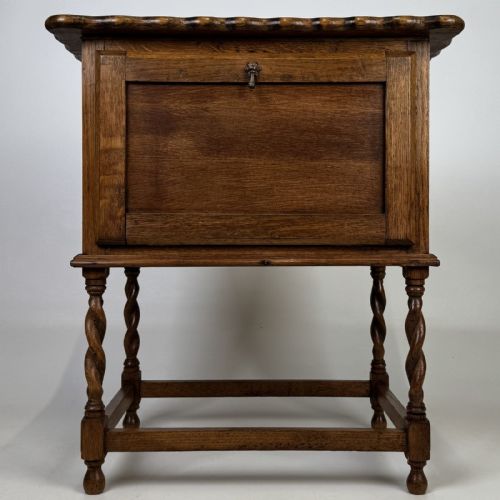
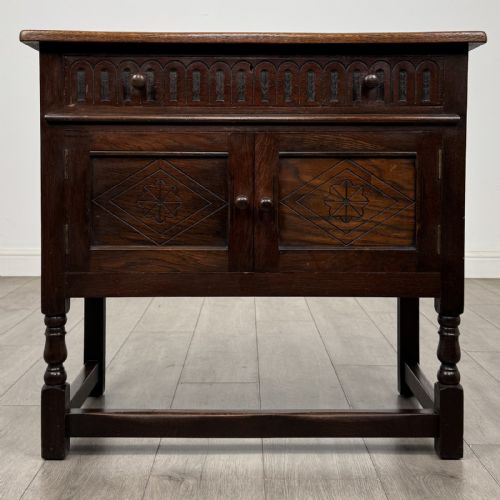
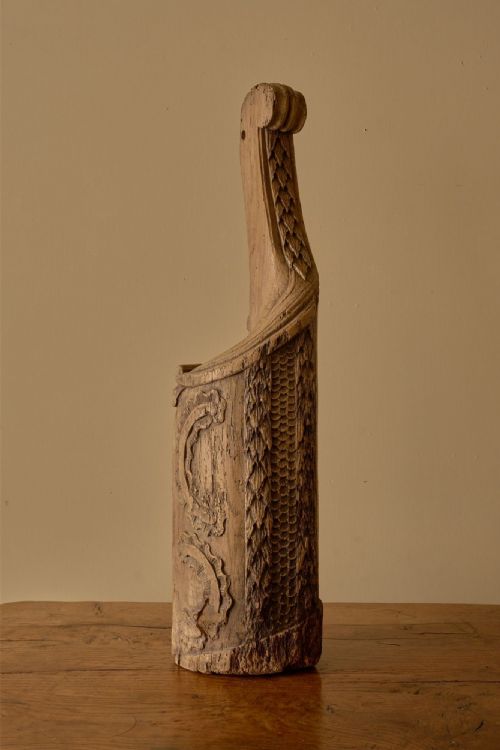
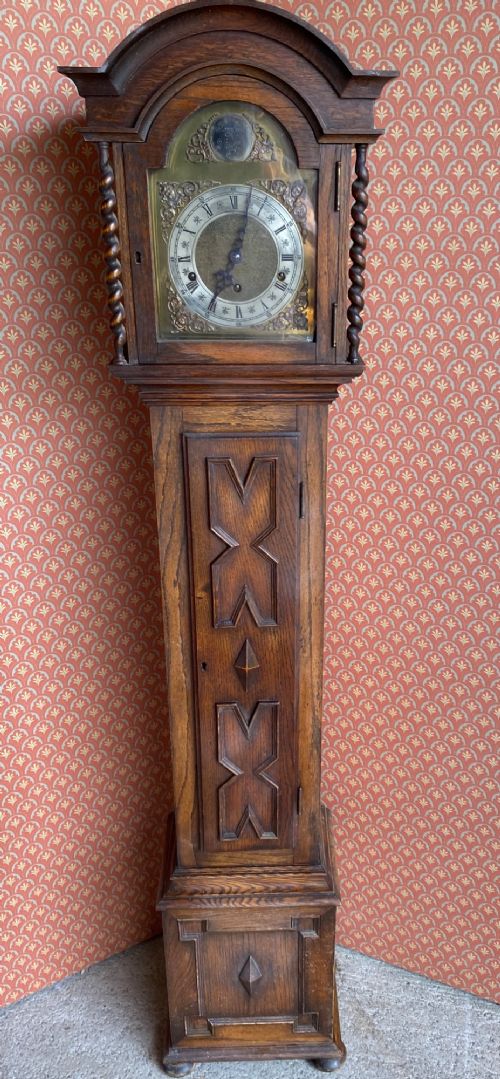
Carving was executed by hand directly into the timber, yielding deep relief motifs, linenfold panels and figural details like green man masks. Turned legs, barley twist supports and stretcher bases further demonstrate the woodwork techniques employed across the eras.
Listings feature periods spanning from the seventeenth century through to the nineteen-thirties, incorporating oak alongside brass, iron and leather.
Assessing craftsmanship
Depth and crispness of the chisel work distinguish superior carved details from simpler, mass-produced mouldings. The definition within foliage, figures and geometric panels reveals the carver's direct skill and the amount of time invested in the piece.
Selection of the timber itself, including quarter-sawn oak displaying prominent medullary rays, indicates higher grade material choice. Structural integrity, originality of hardware such as brass handles, and harmony of proportions further separate standard items from exceptional examples.
Gillows·Bruce James Talbert
The Vintage Oak Carving Glossary
- Linenfold
- A style of relief carving used to decorate wooden panels, imitating folded linen fabric. It appears commonly on cupboards and coffer fronts from various periods.
- Barley twist
- A type of turned furniture leg or support resembling a twisted rope. This decorative turning method gained immense popularity during revivalist furniture production.
- Newel post
- The principal post at the foot of a staircase or at the turns of a landing. These architectural elements were frequently carved with figural or floral motifs.
- Purdonium
- A specialised coal box or scuttle designed for domestic hearth use, often constructed from oak with decorative metal fittings. They were popular in late nineteenth and early twentieth-century households.
- Green man
- An architectural or furniture carving depicting a human face disgorging or intertwined with foliage. It symbolises rebirth and appears prominently in Gothic and Arts and Crafts ornamentation.
Vintage Oak Carving: Frequently Asked Questions
How do I care for oak furniture?
Maintain vintage oak by applying occasional beeswax to nourish the timber and preserve the natural grain. Avoid placing pieces near direct heat sources to prevent the wood from splitting.
Keep surfaces free from excessive moisture by using coasters and dry dusting with a soft cloth. Proper humidity control in the room ensures the joints remain stable over decades.
How do I identify a revival piece?
Revival pieces often combine older stylistic motifs, such as Jacobean paneling or linenfold carving, with twentieth-century construction methods. Examine the interior woodwork, drawer linings and backboards for clues regarding machine sawing or newer fixings.
Hardware styles and secondary timbers can also clarify whether a piece originates from the seventeenth century or a nineteenth-century revival workshop.
Where should I place a carved sideboard?
A substantial oak sideboard serves as a strong focal point in a dining room or spacious hallway. Position it against a neutral wall where adequate lighting can highlight the depth of the relief carving.
Ensure there is enough clearance around the piece to appreciate the turned legs, stretcher bases and door panels without crowding the surrounding space.
What is architectural salvage?
Architectural salvage consists of rescued building components such as newel posts, finials, panels and fragments removed from older structures. These items allow collectors to appreciate historic craftsmanship independently of large furniture.
Displaying a finial or carved post on a mantel or shelf introduces authentic historical texture directly into a domestic interior.