


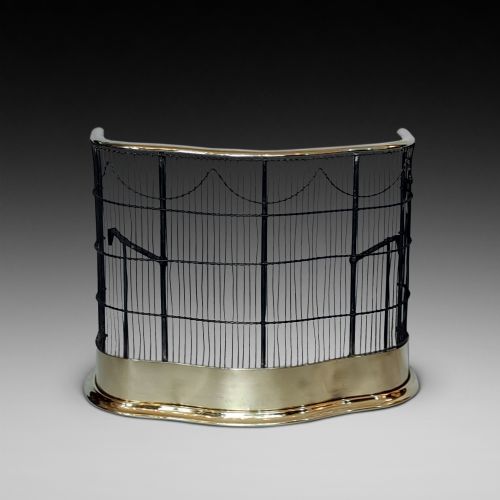


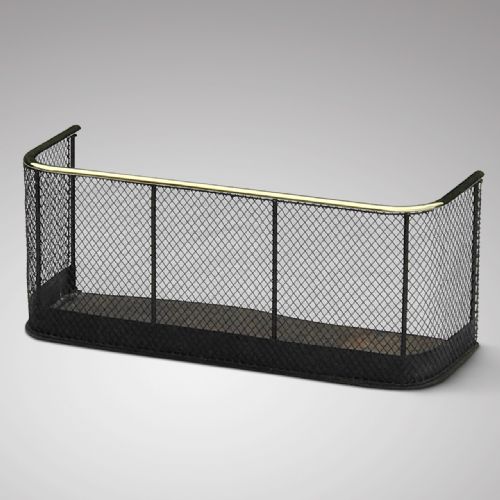
Vintage Nursery Spark Screen
These vintage nursery spark screen pieces are protective barriers placed before hearths, keeping children safely away from open flames.
Vintage Nursery Spark Screen
A vintage nursery spark screen forms a protective barrier around a domestic hearth, shielding small children from glowing embers and open flames. The listings here consist entirely of fire guards, fire screens, and fireplace fenders originating from various periods.
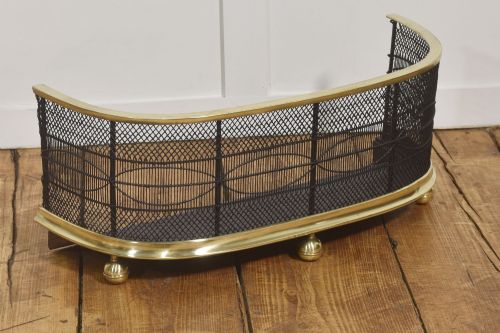
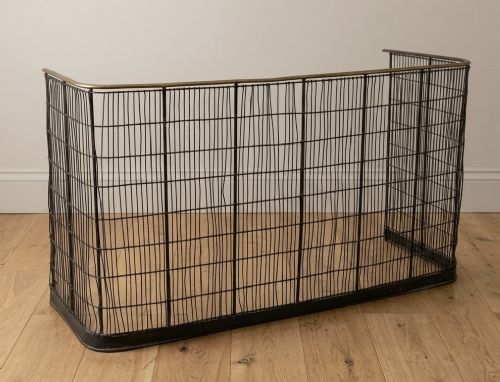
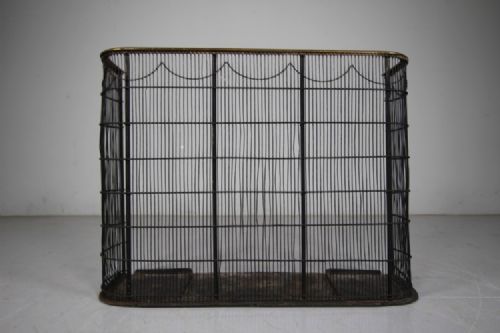
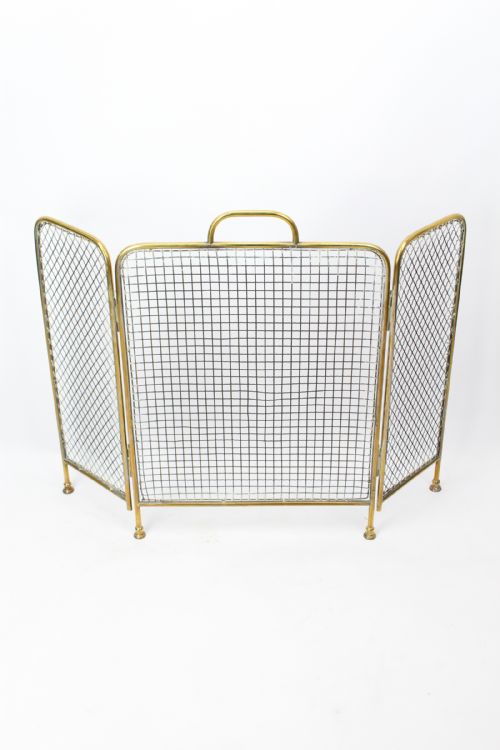
Most examples you encounter on this page date from the nineteenth century and the Victorian era, alongside pieces from the Regency and Edwardian periods. These domestic safety items take the form of folding guards, bowed screens, and low fenders, sometimes incorporating a clothes rail.
The primary function remains practical, yet these objects display distinct period aesthetics through their metalwork frames. They range from simple iron barriers to more finished designs featuring polished brass top rails.
How They Were Made
Construction relies upon combinations of brass, iron, and steel, shaped into sturdy frames that support fine mesh panels. Workshops utilised wrought iron and woven iron wire to create secure barriers that allowed heat to circulate while blocking flying sparks.
Frames incorporate brass top rails, brass rims, and supportive feet, joined through traditional metalworking techniques of the period. Wire mesh and steel wire are secured tightly within structural metal surrounds to withstand daily domestic use.
Some Victorian examples thoughtfully included a built-in rail above the fire, turning safety apparatus into a convenient clothes-drying rack.
What Varies in Quality
The standard of construction depends on the weight of the metal frame and the tightness of the wire mesh weave. Finer examples display heavier gauge brass framing and neatly soldered or riveted wirework that maintains its rigidity over time.
Design sophistication also distinguishes pieces, with serpentine and bowed shapes requiring more complex blacksmithing or brass-founding skills than flat rectangular guards. The inclusion of finished brass rims and integrated rails elevates the decorative presence of the hearth guard.
The Vintage Nursery Spark Screen Glossary
- Spark screen
- A protective barrier of wire mesh placed before a fireplace to catch flying embers. These screens prevent stray sparks from reaching carpets and nursery floors.
- Fender
- A low metal frame placed on the hearth around the base of a fireplace. They often incorporate rails or mesh guards for added safety.
- Wirework
- Metal components formed from interwoven wire or mesh. This technique allows maximum heat dispersion while maintaining a physical barrier.
- Serpentine
- A curved, undulating outline shaped in a gentle 'S' wave. This contour adds stability and decorative refinement to the base of a guard.
- Clothes rail
- An integrated upper bar fitted to certain fire guards. This addition allowed garments to be warmed safely before the fire.
Vintage Nursery Spark Screen: Frequently Asked Questions
What is a nursery spark screen?
A nursery spark screen is a protective metal barrier placed around a fireplace hearth. Its primary purpose is to prevent children and pets from coming into contact with open flames and hot coals.
These pieces combine functional wire mesh with structural frames of brass and iron. They allow warmth to enter the room while containing dangerous sparks.
How do I date a spark screen?
Dating relies upon observing the materials, construction methods, and stylistic details present in the metalwork. Pieces from the nineteenth century often feature hand-shaped iron wire and heavy brass components.
Victorian and Edwardian examples show distinct manufacturing traits, such as machine-woven wire mesh and specific brass rail profiles. Comparing these elements against known period pieces helps establish an approximate age.
Were these screens only used in nurseries?
Despite the traditional name, these protective guards were used in any domestic room where open fires presented a hazard to young children. The robust wire mesh and fender designs made them suitable for general household reception rooms.
Some variations included integrated rails specifically intended for airing and warming clothing. This added domestic utility made them central fixtures in period homes during the colder months.
How do I care for brass and iron spark screens?
Maintenance involves gentle cleaning to remove accumulated soot and dust from the wire mesh and metal frame. A soft brush or dry cloth usually suffices without damaging the historical surface.
Brass elements can be polished cautiously if a brighter finish is desired, though many collectors prefer to leave the aged patina undisturbed. Keeping the metal dry prevents corrosion on the iron and steel components.