




Antique Wire Fireguard
These antique wire fireguard pieces bring essential period safety and structure to a hearth, combining practical mesh screens with polished brass frames.
Antique Wire Fireguard
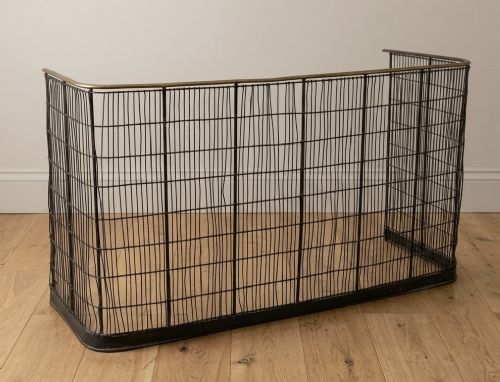
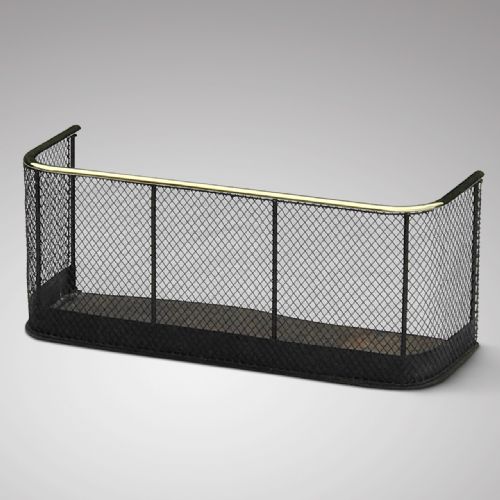
An antique wire fireguard forms a protective barrier before an active hearth, keeping stray sparks contained while allowing warmth to circulate properly through the room. You will most frequently encounter nineteenth century nursery fenders constructed with robust wire mesh and distinctive brass top rails.
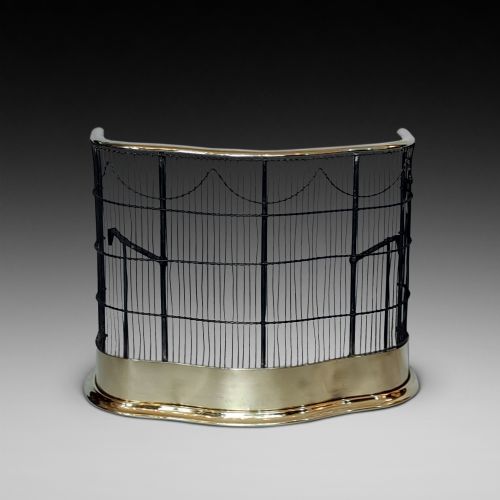
The selection ranges from simple bowed and serpentine wire guards to expansive nursery fenders equipped with integrated clothes rails or folding sections. These pieces originate across the Victorian, Edwardian, and nineteen-twenties periods, reflecting domestic safety priorities of their respective eras.
Many examples combine heavy iron or steel wire frameworks with bright brass rims and finials, balancing utilitarian strength with decorative country house appeal. They serve primarily as functional fireplace accessories that double as striking architectural fixtures within period interiors.
Materials and construction
The construction relies heavily on durable iron, steel wire, and woven wire mesh fastened securely into substantial brass or iron frames. Makers utilised rolled brass strips to rim the edges, creating a polished contrast against the dark mesh and wrought iron structures.
Fine wire mesh was painstakingly tensioned across rigid metal skeletons to withstand intense hearth heat while maintaining transparency. Structural integrity was achieved through riveted joints and heavy top rails, occasionally incorporating folding hinges or integrated drying rails.
Current listings span the nineteenth century through to the nineteen-twenties, incorporating brass, iron, and steel wire mesh materials.
Judging quality in wire fireguards
Superior examples display tighter, more uniform wire mesh weaving paired with heavier gauge brass framing that resists bending under pressure. Finer pieces often feature decorative brass embossing or elegant bowed and serpentine profiles rather than simple flat fronts.
The weight of the metal components and the quality of the brass finishing distinguish utilitarian items from finer country house specimens. Original fixings, sturdy folding mechanisms, and substantial brass top rails elevate the overall integrity of the piece.
The Antique Wire Fireguard Glossary
- Nursery fender
- A tall protective enclosure designed to keep young children and pets at a safe distance from an open fire. These substantial guards typically feature a raised wire mesh barrier and a sturdy top rail.
- Fire screen
- A movable decorative panel placed before a fireplace to hide the unlit grate during warmer months. Many incorporate brass frames and mesh or embossed metal panels.
- Serpentine
- A gently curved outline resembling a snake, featuring a convex centre flanked by concave curves. This contour appears frequently on better quality nineteenth century brass rims.
- Wrought iron
- Tough, malleable iron beaten into shape by hand, frequently utilised for the structural frames of early fire guards. It provides exceptional strength and durability.
- Wire mesh
- A grid of interwoven metal wires forming the transparent barrier of the guard. It allows heat to pass freely while intercepting flying sparks.
Antique Wire Fireguard: Frequently Asked Questions
What is an antique wire fireguard used for?
These guards protect rooms from flying sparks and embers while allowing maximum heat to enter the living space. They were traditionally employed in family homes to secure the hearth area.
Larger nursery variants provided a complete perimeter around the fireplace to keep children safely away from hot metal and open flames.
How do I date an antique fire guard?
Dating relies on observing the materials, construction methods, and stylistic cues present in the brass and ironwork. Nineteenth century examples often feature heavier cast brass components and hand-woven wire mesh.
Edwardian and later pieces from the nineteen-twenties frequently display lighter frames, specific brass finishes, and refined serpentine or bowed shapes.
What is a nursery fender?
A nursery fender is an enclosed wire mesh barrier designed specifically for domestic child safety around open hearths. They usually stand taller than standard spark guards and sometimes include top rails.
Some period versions incorporated clever additions such as integrated clothes rails for drying garments near the fire.
How do I clean brass and wire mesh?
Cleaning requires gentle dusting of the wire mesh using a soft brush to remove accumulated soot and debris. The brass framework can be maintained with appropriate metal polish applied sparingly.
Harsh abrasives should be avoided entirely to preserve the original metal patination and the delicate tension of the wire mesh.
Are these fire guards collapsible?
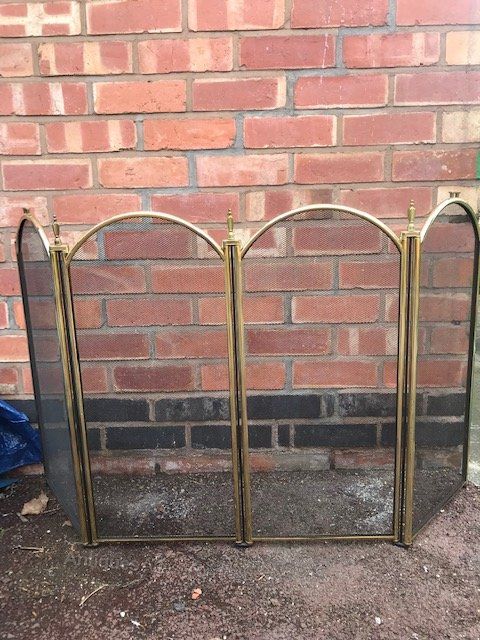
Certain variations feature hinged folding sections that allow the guard to adjust around different hearth configurations or fold flat for storage. Most traditional nursery fenders, however, remain rigid structures built for permanent hearth placement.
Examining the joints and frame reveals whether a piece was designed with folding capability.