




Vintage Nude Artwork
When you search for vintage nude artwork, you are exploring a diverse tradition of figurative studies spanning canvas, paper and bronze.
Vintage Nude Artwork
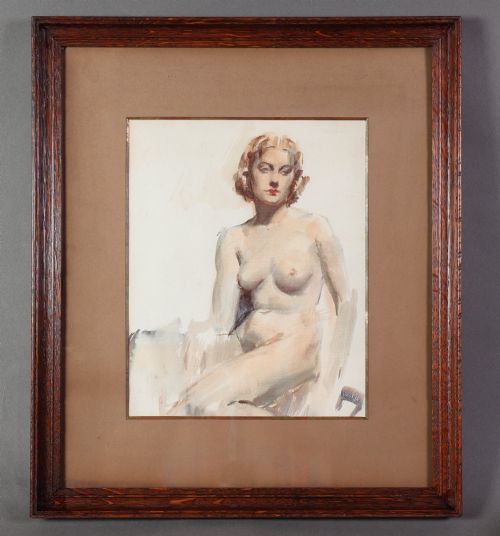
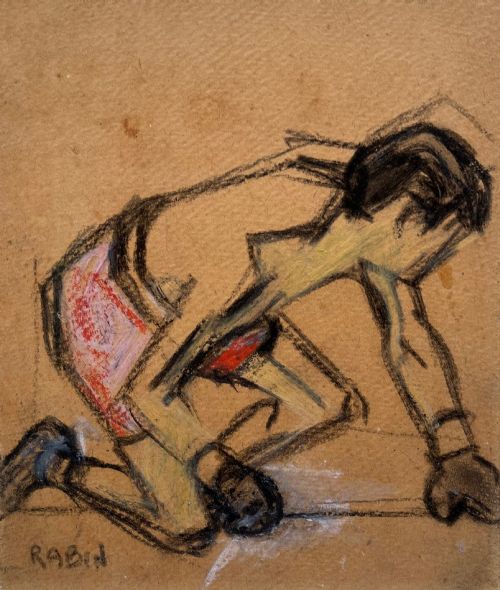
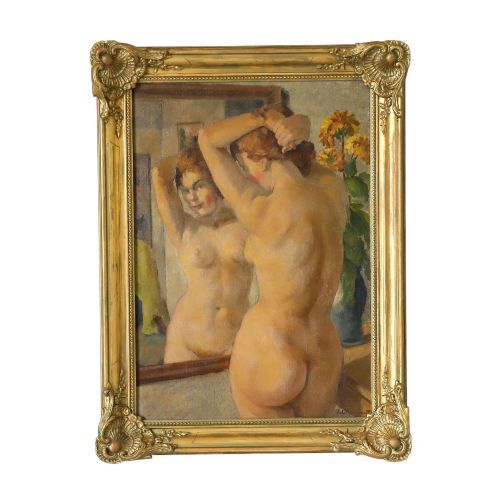
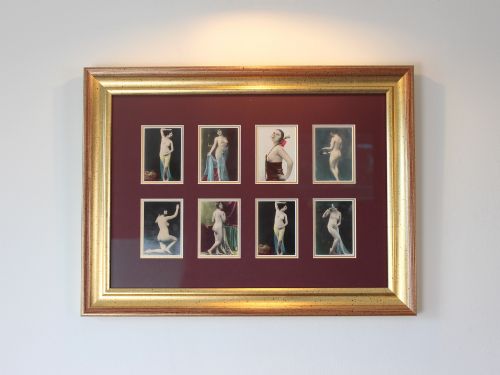
Vintage nude artwork encompasses a broad spectrum of figurative representations, ranging from classical life studies and academic drawings to modernist paintings and photography. These works capture the human form through various lenses, including Art Deco, Post-Impressionism, and Cubism, reflecting shifting aesthetic ideals across the nineteenth and twentieth centuries.
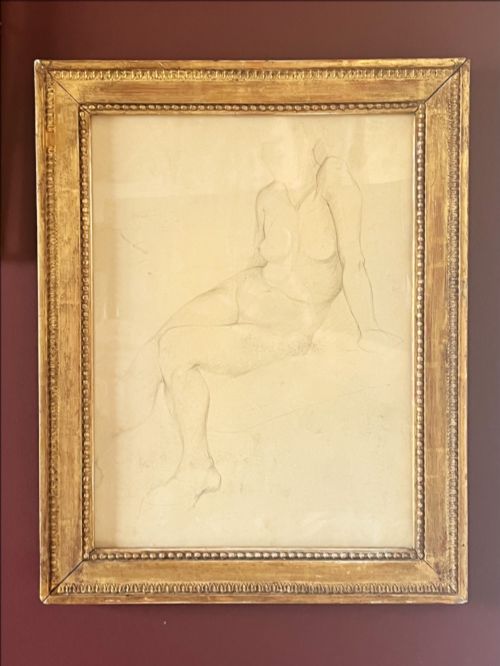
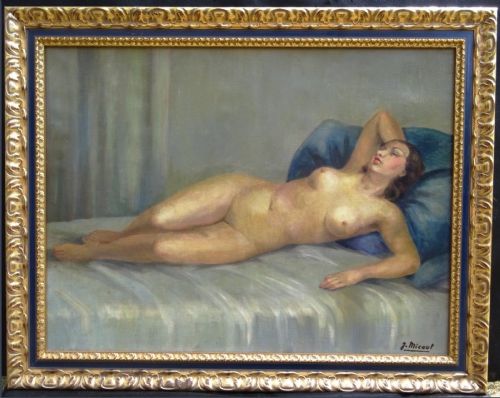
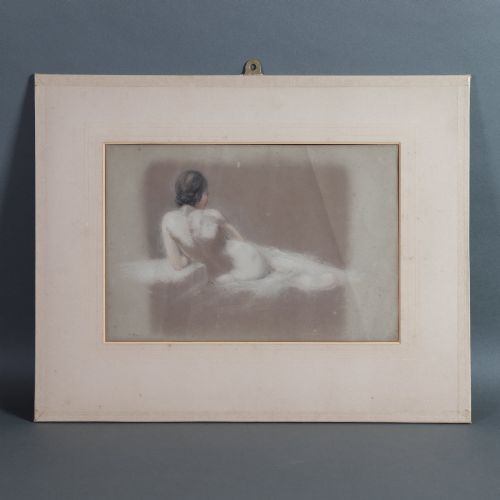
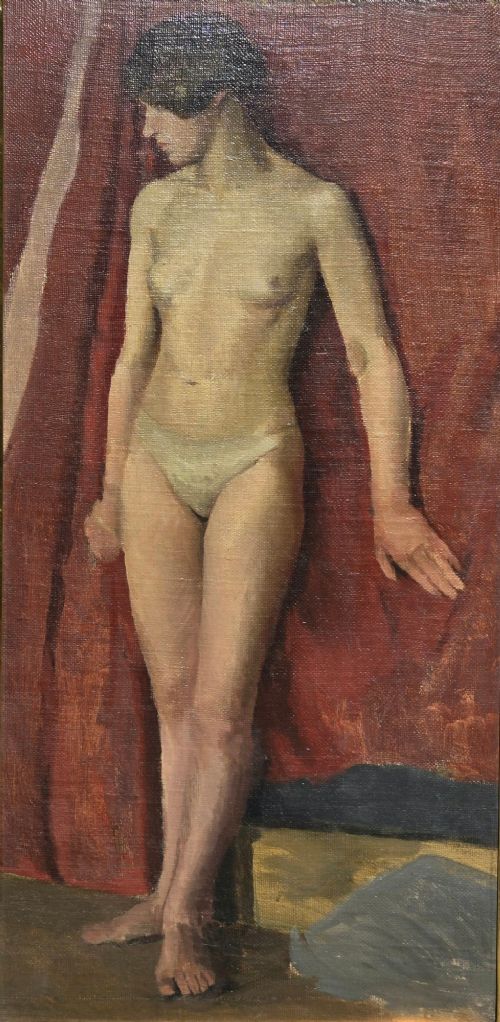
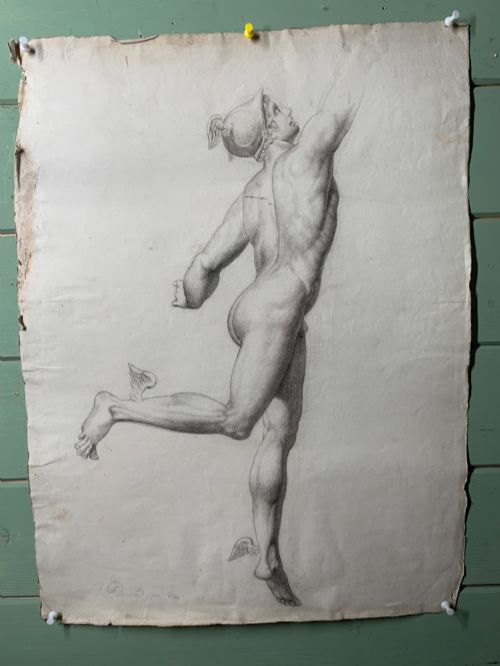
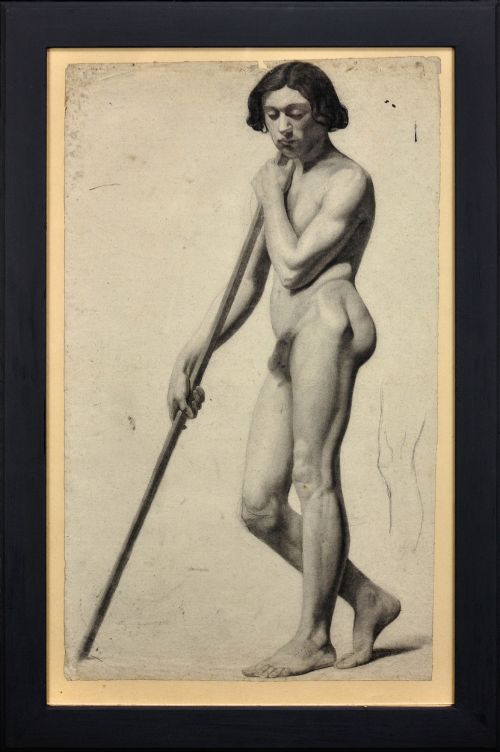
On this page, you are most likely to encounter framed oil paintings, charcoal drawings, and graphite life studies dating from the early decades of the twentieth century. Many pieces originate from British and French schools, capturing studio interiors, mythological subjects, and natural settings.
Collectors seek out these pieces for their mastery of anatomy, expressive brushwork, and historical context. Each work offers a direct connection to the academic training and artistic movements of its period.
Materials and techniques
The works rely heavily on traditional supports such as canvas, paper, wood, and oil board. Artists utilised oil paint, charcoal, graphite, chalk, and watercolour to render the human form with varying degrees of abstraction and realism.
Draftsmanship forms the foundation of many pieces, evident in precise pencil and chalk studies executed in the studio or academy. Painters applied oil on canvas and board using both fluid brushwork and structured impasto, while printmakers employed techniques like lithography and hand-tinted photography.
Several artists preferred working in Parisian studios where models occasionally brought their pets to sessions.
Determinants of quality
Quality in these figurative works rests upon anatomical confidence, line precision, and compositional balance. A master study demonstrates an acute understanding of light, shadow, and bodily tension, whereas lesser examples may rely on rigid or formulaic proportions.
The handling of the medium further distinguishes the range, separating hurried sketches from fully realised studio compositions. Provenance and the artist's standing within movements such as Modern British or continental European schools also influence the distinction of a piece.
Ferdinand Preiss·William Etty·Samuel Rabin·Winifred Rymer·Philippe de Rougemont·Julian Mandel·Augustus John·Henry Arthur Roberts·Margaret Maitland Howard·Raymond Moritz·Tony Giles·Henri Vincent-Anglade·Gaetan Dumas·Allan Douglas Davidson·James Clark·Sir William Russell Flint·Peter Jackson·Pablo Picasso·Demetrios Galanis·Jean Hippolyte Marchand
The Vintage Nude Artwork Glossary
- Academic Realism
- A style of painting and drawing produced under the influence of European academies of art, adhering to strict standards of proportion and finish.
- Collotype
- A photomechanical printing process that produces high-quality continuous-tone prints without a visible screen pattern.
- Impist
- A painterly style characterised by thick applications of pigment that stand out from the surface.
- Recumbent
- Lying down or reclining in a horizontal or semi-horizontal posture.
- Deux crayon
- A drawing technique utilising two colours of chalk or crayon, typically black and red, on tinted paper.
Vintage Nude Artwork: Frequently Asked Questions
How do I date a drawing?
Dating typically relies on stylistic markers, framing materials, and documentation provided by the artist or gallery. Signatures and exhibition labels on the reverse often offer precise chronological clues.
Paper stock and watermark analysis can also help narrow down the period when direct dates are absent from the composition.
What is a life study?
A life study is an artwork created directly from a live, nude model within a studio or academic setting. These exercises were fundamental to traditional art education.
Artists used them to master human anatomy, shadow play, and proportion before embarking on larger narrative paintings.
How should I frame paper art?
Works on paper require archival mounting and UV-resistant glazing to prevent fading and degradation over time. Acid-free backings ensure the paper does not discolour through chemical interaction.
Keeping the artwork separated from the glass by a mat or spacer prevents moisture accumulation and protects delicate charcoal or pastel surfaces.
Are bronze sculptures hollow?
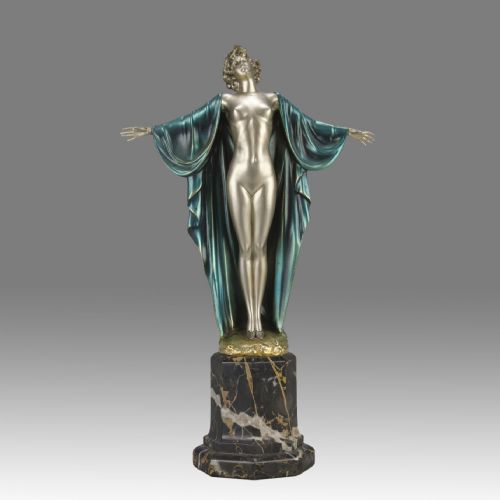
Bronze figures from the early twentieth century were frequently cast using the lost-wax method, which often produced hollow forms to save metal and weight. This technique allowed for intricate detail and balanced postures.
Foundry marks and cold-painted finishes on these bronzes help identify their production era and workshop origin.