
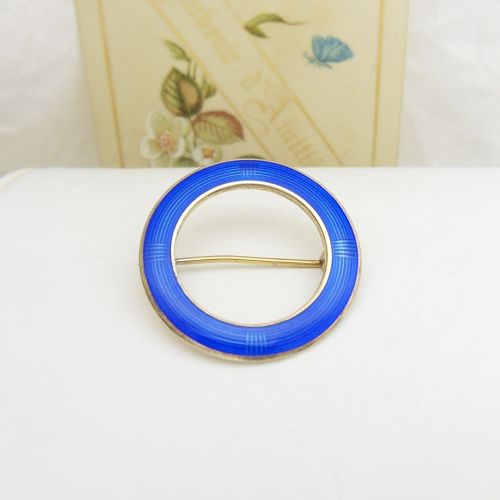
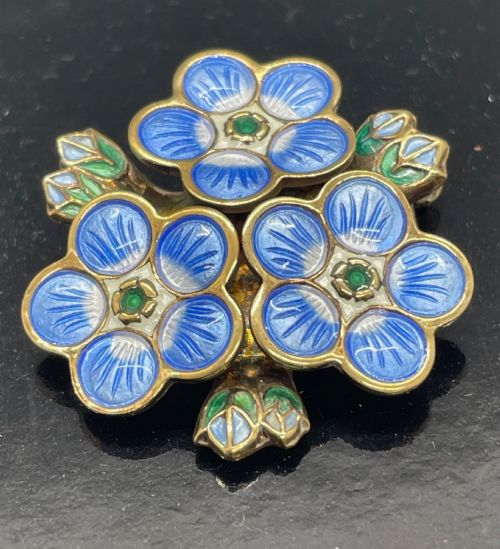
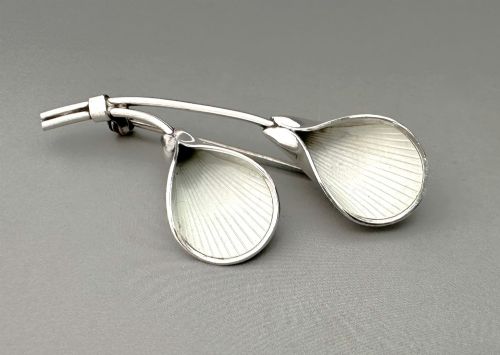

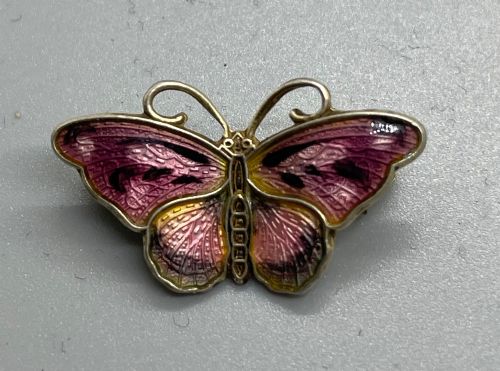
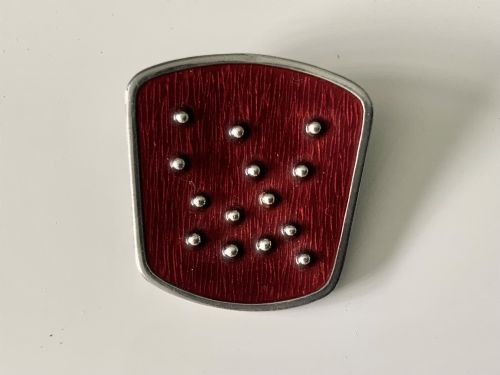
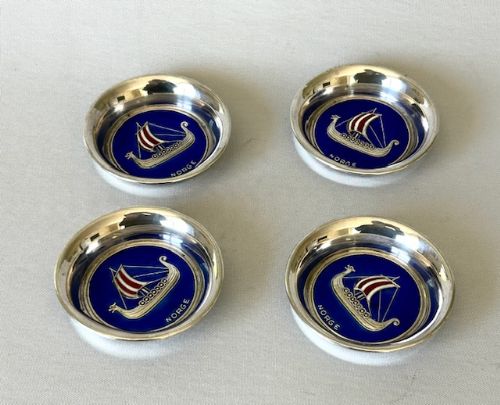


Vintage Norwegian Silver Pin
These vintage Norwegian silver pin examples bring bright enamel and fine sterling work together in wearable twentieth-century pieces.
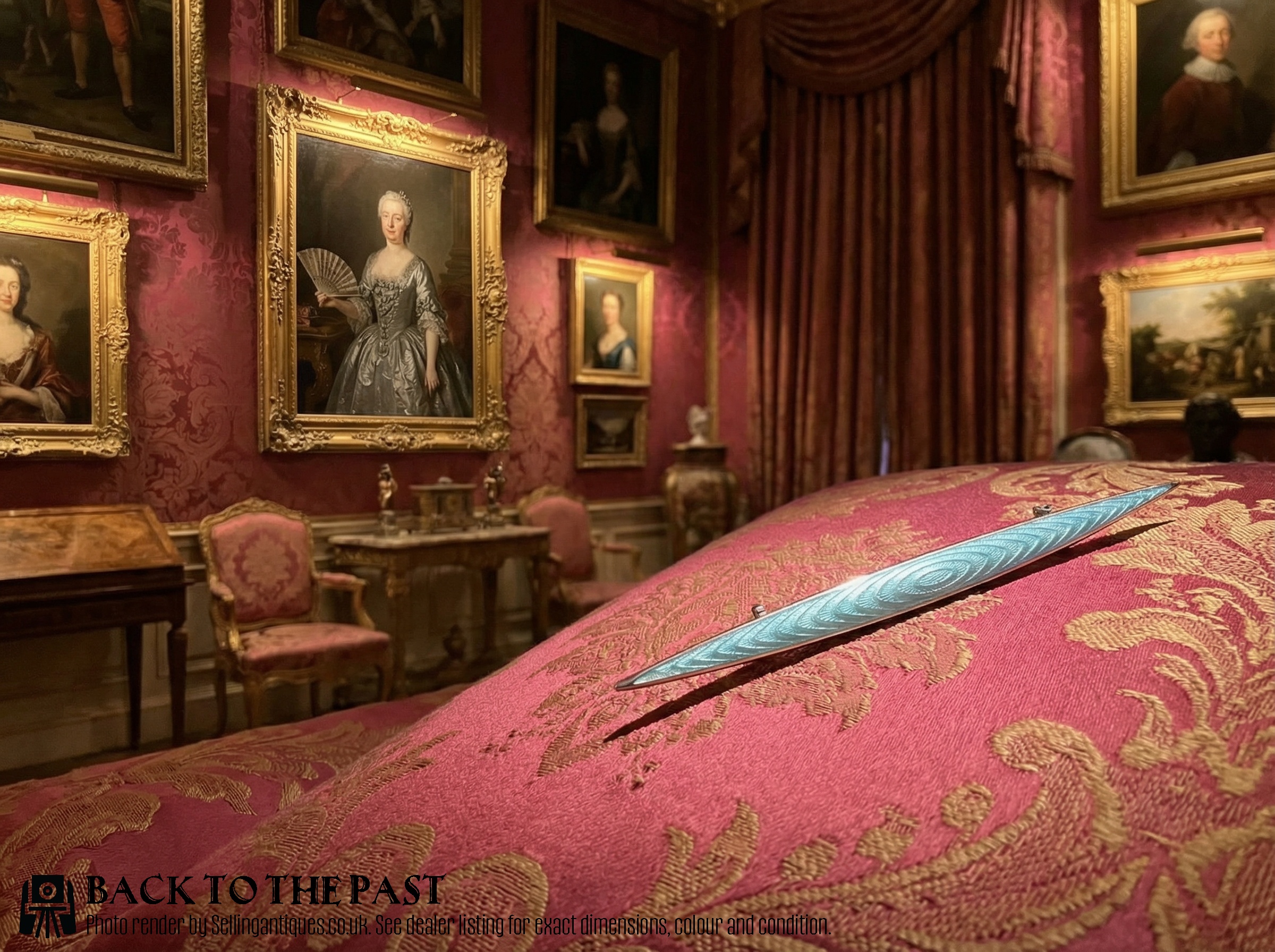
Vintage Norwegian Silver Pin
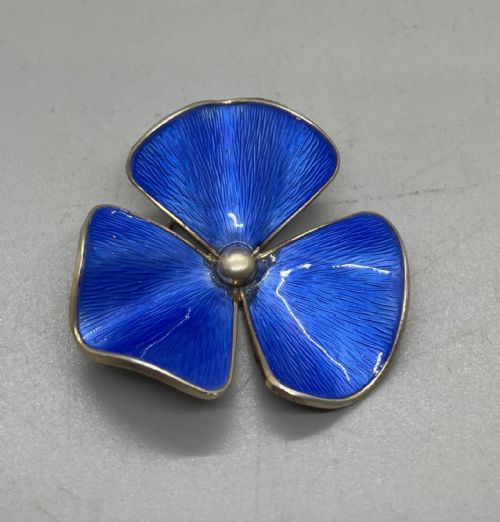
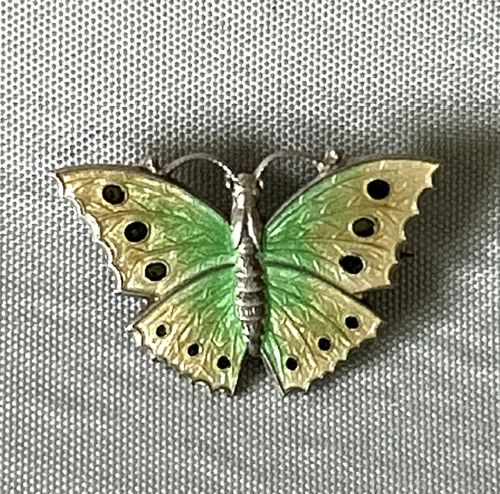
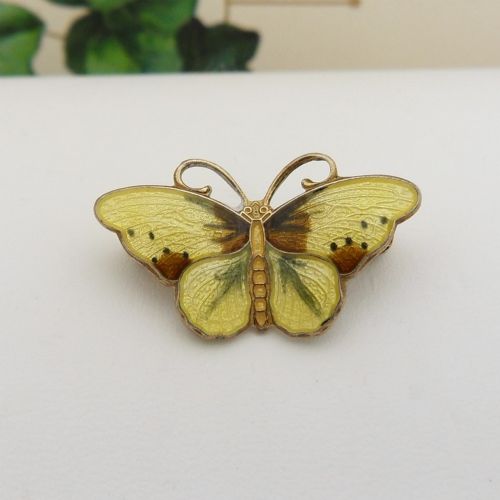
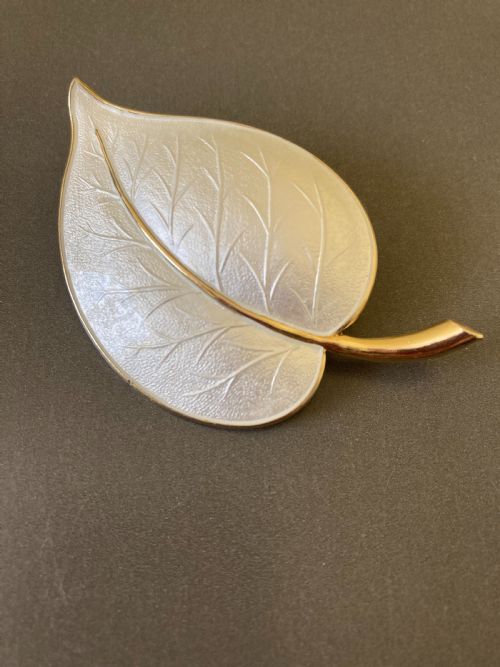
A vintage norwegian silver pin typically takes the form of a brooch or a small bar piece, often fashioned into butterflies, floral motifs, or royal crowns. These items span the decades from the nineteen-twenties through to the nineteen-sixties, capturing the evolution of Scandinavian design.
The mid-century modern and Scandinavian modern styles dominate the selection, alongside cleaner art deco shapes and occasional art nouveau curves. Most examples found here combine sterling silver or silver gilt with coloured vitreous enamel.
Buyers frequently encounter butterfly brooches and enamelled trinket dishes grouped into sets alongside standard clothing pins. The origins remain closely tied to established workshops in Norway that specialised in guilloche enamelwork.
How they were made
Maker workshops built these pieces using sterling silver and silver gilt, frequently applying a layer of gold vermeil to enrich the metal base. The silver is shaped into delicate frames and settings designed to hold detailed enamelwork.
Vitreous enamel and guilloche enamel techniques provide the vibrant surface colours, with artisans etching geometric patterns beneath translucent coloured glass. Firing the enamel at high temperatures created durable, glossy finishes in shades of red, blue, and pink.
Listings feature items from the nineteen-twenties to the nineteen-sixties, utilising sterling silver, gold vermeil, and vitreous enamel.
What varies in quality
The fineness of the guilloche engine-turning beneath the translucent enamel sets superior pieces apart from simpler coloured surfaces. Deeper lustre in the enamel and crisper detailing in the silver gilt distinguish workshop output.
Makers known for distinct designer signatures or specific hallmarks tend to demonstrate greater precision in their butterfly and floral forms. Preservation of the vitreous coating without hairline fractures maintains the integrity of the design.
David Andersen·Aksel Holmsen·Hroar Prydz
The Vintage Norwegian Silver Pin Glossary
- Guilloche enamel
- A decorative technique where an artisan etches a precise, repetitive pattern into metal before applying translucent enamel over the top. This allows the underlying engraved design to shine through the coloured glass.
- Silver gilt
- Sterling silver that has been coated with a thin layer of gold. It provides a warm golden tone while maintaining a solid silver core.
- Vitreous enamel
- Glass powder fused to a metal surface through high-temperature firing. The resulting material forms a hard, glossy coating that resists tarnishing.
- Sterling silver
- An alloy consisting of silver and other metals, usually copper, formulated to increase durability. It serves as the primary structural metal for these brooches.
- Bar brooch
- A slender, elongated pin format popular in mid-century jewellery design. These pieces often feature a central enamel motif mounted on a straight metal bar.
Vintage Norwegian Silver Pin: Frequently Asked Questions
How do I clean a vintage silver and enamel pin?
Use a soft, dry cloth to gently wipe the surface of the silver and enamel without applying harsh chemical dips. Submerging enamelled jewellery in liquid cleaners can damage the delicate vitreous glass.
Store each pin separately in a fabric-lined box to prevent the metal clasp from scratching the enamel of neighbouring pieces.
Are these pins made of solid silver?
Most pieces utilise sterling silver or silver gilt frameworks designed to support the heavy enamel work. Hallmarks stamped onto the reverse often indicate the silver standard used by the workshop.
Gold gilt and vermeil layers applied over the silver provide the rich gold-tone appearance seen on many mid-century designs.
What periods do these Norwegian pins come from?
The available selection spans from the nineteen-twenties through to the nineteen-sixties, covering multiple distinct design movements. Pieces from the twenties often reflect art deco symmetry, while later examples lean towards mid-century Scandinavian modernism.
Looking at the back of the mounting and the style of the clasp helps connect the piece to its decade of manufacture.
How were butterfly brooches traditionally worn?
These small enamelled butterflies were pinned to lapels, collars, hats, and scarves as decorative accents during the mid-twentieth century. Their lightweight construction allowed them to sit securely on delicate fabrics without pulling.
Collectors today frequently display them on pinned boards or wear them as intended on heavier winter coats and knitwear.